What a Plain Lagged Pulley Does on a Conveyor
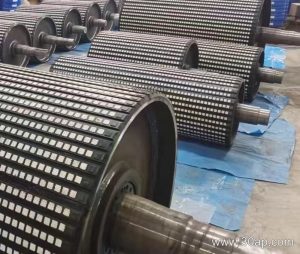
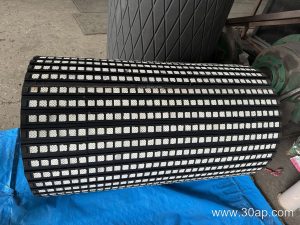
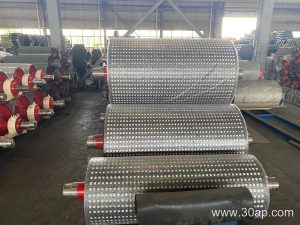
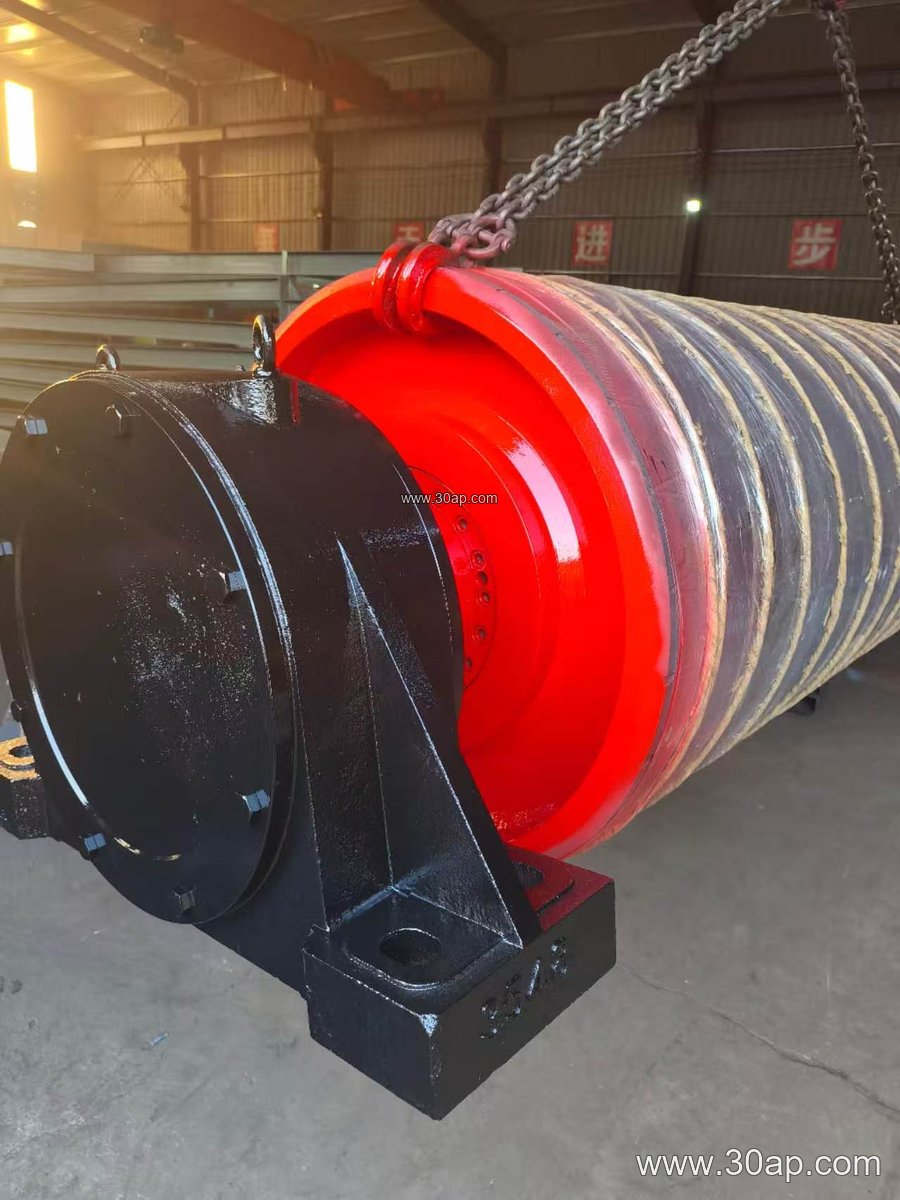
A plain lagged pulley is a conveyor pulley whose shell carries a smooth rubber or polymer lagging layer without any pattern cut into the surface. In many plants it is simply called a smooth lagged drum or plain rubber-lagged pulley, and it usually sits at the head or tail position where the conveyor belt needs steady grip rather than aggressive traction. The smooth cover protects both the pulley shell and the belt underside, spreads contact pressure more evenly than a bare steel face, and helps keep the belt tracking calmly on high-speed lines.
Because the lagging has no grooves, the surface stays easy to clean and is gentle on fabric surfaces. That makes it a practical choice where sticky material, fine dust, or heat is present, and where a patterned cover would clog or wear unevenly.
Construction Details That Matter
A typical unit is built around a welded steel shell with machined end discs, a through shaft, and bearing housings. The lagging is bonded to the shell either by hot vulcanization or by cold bonding, and the cover is then ground or turned to a true concentric finish. Common cover thicknesses are 8 mm, 10 mm, 12 mm, 15 mm and 20 mm; thicker covers suit heavier belts and higher tension, while thinner covers keep the pulley diameter compact.
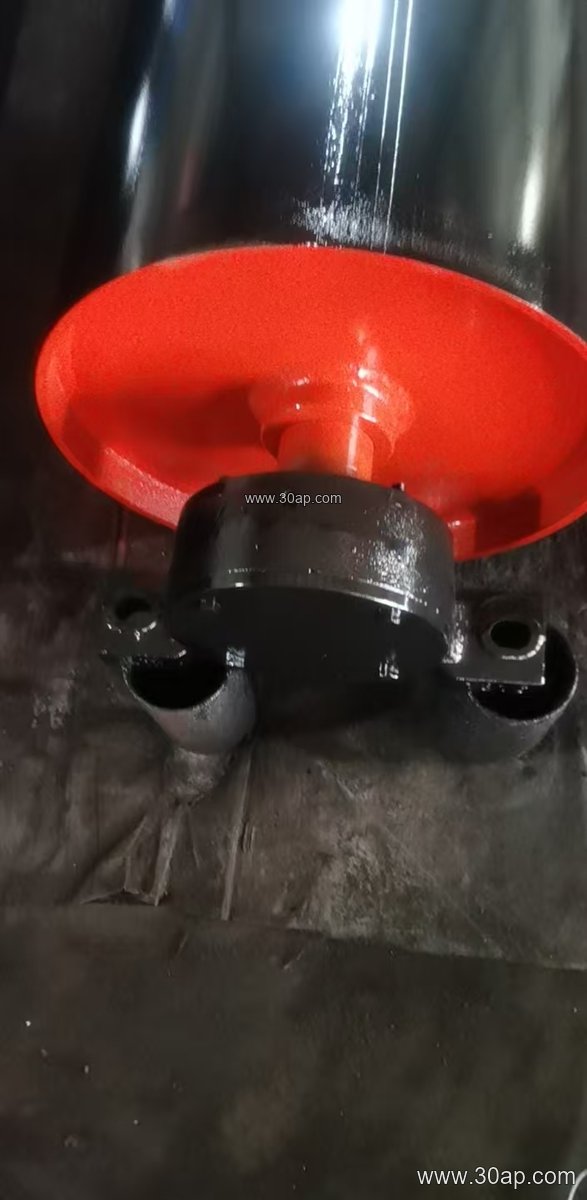
Shaft diameter is determined by torque and radial load, not by belt width alone. Typical shaft sizes range from Ø50 up to Ø200, with intermediate steps such as Ø80, Ø100, Ø120, Ø140 and Ø160. A B800 pulley, for example, may use a shaft anywhere from Ø70 to Ø120 depending on the drive duty and bearing span.
- Shell: rolled and welded steel, machined after assembly
- Lagging: smooth rubber, plain plane rubber, or polymer sheet
- Bonding: hot vulcanized or cold bonded, then finished concentric
- Ends: welded discs with hub and keyway for the shaft
- Balancing: static or dynamic, according to running speed
Where Smooth Lagging Fits Best
Plain lagging is often specified at the tail or tension position, where the belt wraps the pulley with low arc of contact and the surface must hold the belt without abrading it. It also appears at bend and snub points on long overland lines. In a coal washing plant or a limestone quarry, a smooth lagged drum keeps the return belt aligned while shedding fine slurry; in a cement plant it protects the belt from the sharp edges of clinker dust.
For comparison, a drive pulley is frequently fitted with diamond or herringbone lagging to raise friction under high torque, while the tail pulley may remain plain. The two are not interchangeable: the drive pulley transmits power, the tail pulley mainly guides and tensions the belt. A plain lagged pulley can still serve as a drive pulley on lighter duties, but the choice should follow the calculated friction requirement.
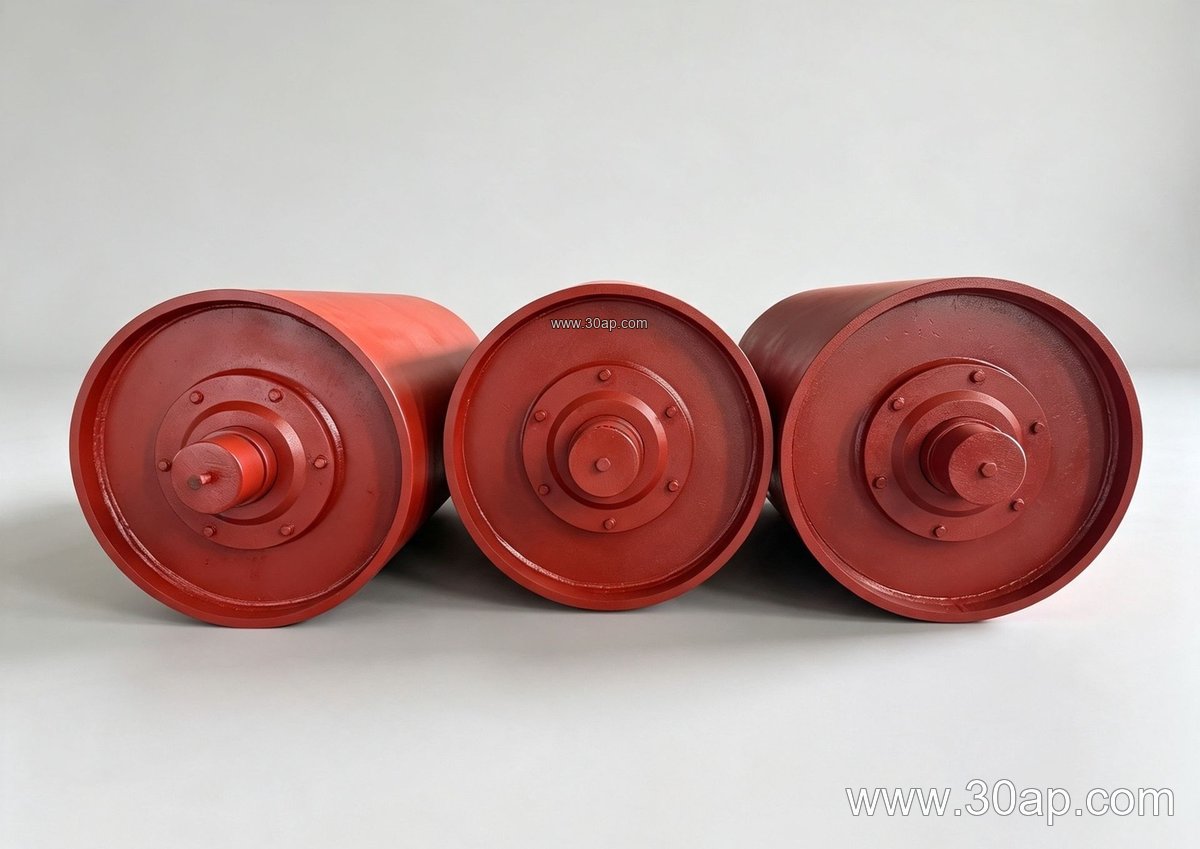
Related equipment on the same line includes the conveyor belt, idler roller, conveyor bracket and the head frame. The belt grade, whether an EP conveyor belt, NN conveyor belt or steel cord conveyor belt, influences how much grip the pulley needs and how much surface wear it can tolerate. Abrasion resistant conveyor belt and flame retardant conveyor belt are common in mining and power plant service, and the pulley lagging should be matched to the same duty class.
Common Size Combinations
The table below shows reference combinations that appear in general engineering practice. They are examples, not fixed rules, and final selection should follow the conveyor design.
| Belt width | Pulley face width | Typical diameter | Typical shaft |
|---|---|---|---|
| B500 | about 600 mm | Ø250 to Ø400 | Ø60 to Ø80 |
| B650 | about 750 mm | Ø315 to Ø500 | Ø70 to Ø100 |
| B800 | about 950 mm | Ø400 to Ø630 | Ø80 to Ø120 |
| B1000 | about 1150 mm | Ø500 to Ø800 | Ø100 to Ø140 |
| B1200 | about 1400 mm | Ø630 to Ø1000 | Ø120 to Ø160 |
| B1400 | about 1600 mm | Ø800 to Ø1250 | Ø140 to Ø180 |
| B1600 | about 1800 mm | Ø1000 to Ø1400 | Ø160 to Ø200 |
| B1800 | about 2000 mm | Ø1250 to Ø1600 | Ø180 to Ø200 |
A face width slightly greater than the belt width is normal, so a B1200 unit may carry a face of about 1400 mm. Diameter and shaft size should be confirmed against belt tension, wrap angle and bearing life.
Buyer Checklist
- Confirm the pulley position: head, tail, tension or bend, and state the duty clearly.
- Provide belt width, belt type and maximum working tension so the lagging thickness can be chosen.
- Ask for the lagging hardness and bonding method, and whether the cover is ground concentric.
- Check shaft diameter, keyway, bearing type and housing centre height against the conveyor bracket.
- Specify balancing class for high-speed lines and confirm the surface finish of the lagging.
- For hot or oily service, ask whether a heat resistant or oil resistant cover compound is available.
Inspect the delivered unit for cover thickness, bond integrity and runout before installation, and keep the pulley face clean during operation. A properly matched plain lagged pulley reduces belt slip, limits cover wear and supports steady output in quarry, coal handling, cement and power plant conveyors.