What a Trough Idler Bracket Does on a Conveyor
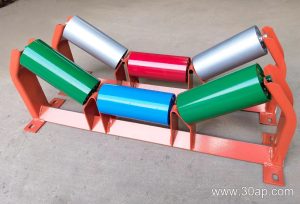
A trough idler bracket is the steel support that holds the angled carrying idlers in a troughed position under the conveyor belt. It keeps the three rolls at the chosen trough angle, transfers the load of the belt and material into the conveyor frame, and sets the geometry that determines how well the belt retains its load. In a quarry or a cement plant, a poorly aligned bracket shows up quickly as spillage along the line, so this small component deserves attention during both design and maintenance.
The bracket works together with the idler roller, the conveyor pulley at the head and tail, and the belt itself. Its mounting height, crossbeam length and hole spacing must match the frame and the roll diameter; these dimensions are determined by belt width, trough angle and design, not by a single universal figure.
Construction and Common Materials
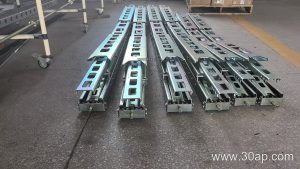
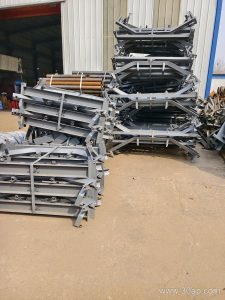
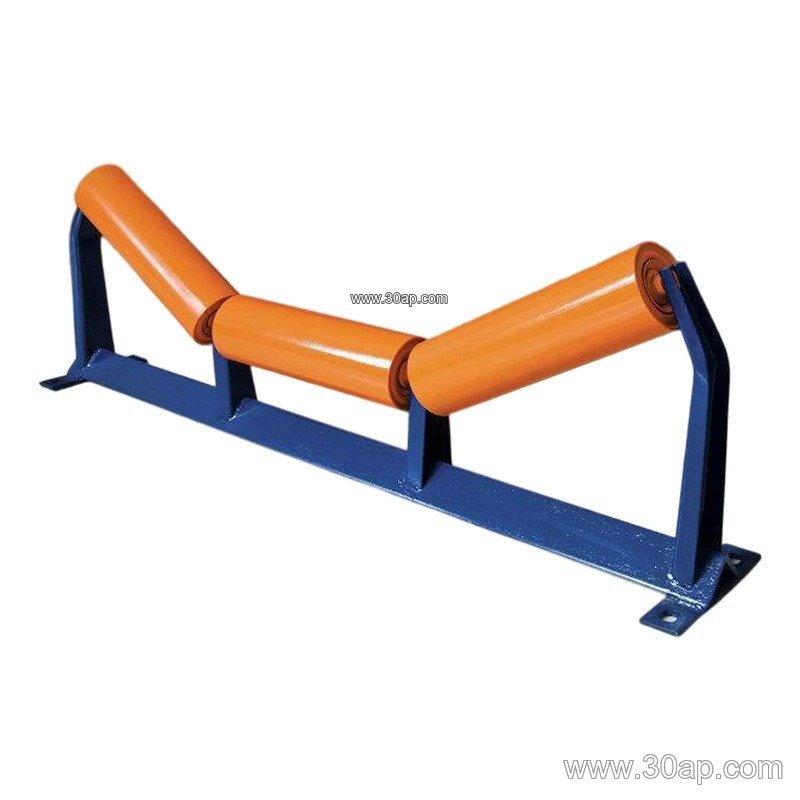
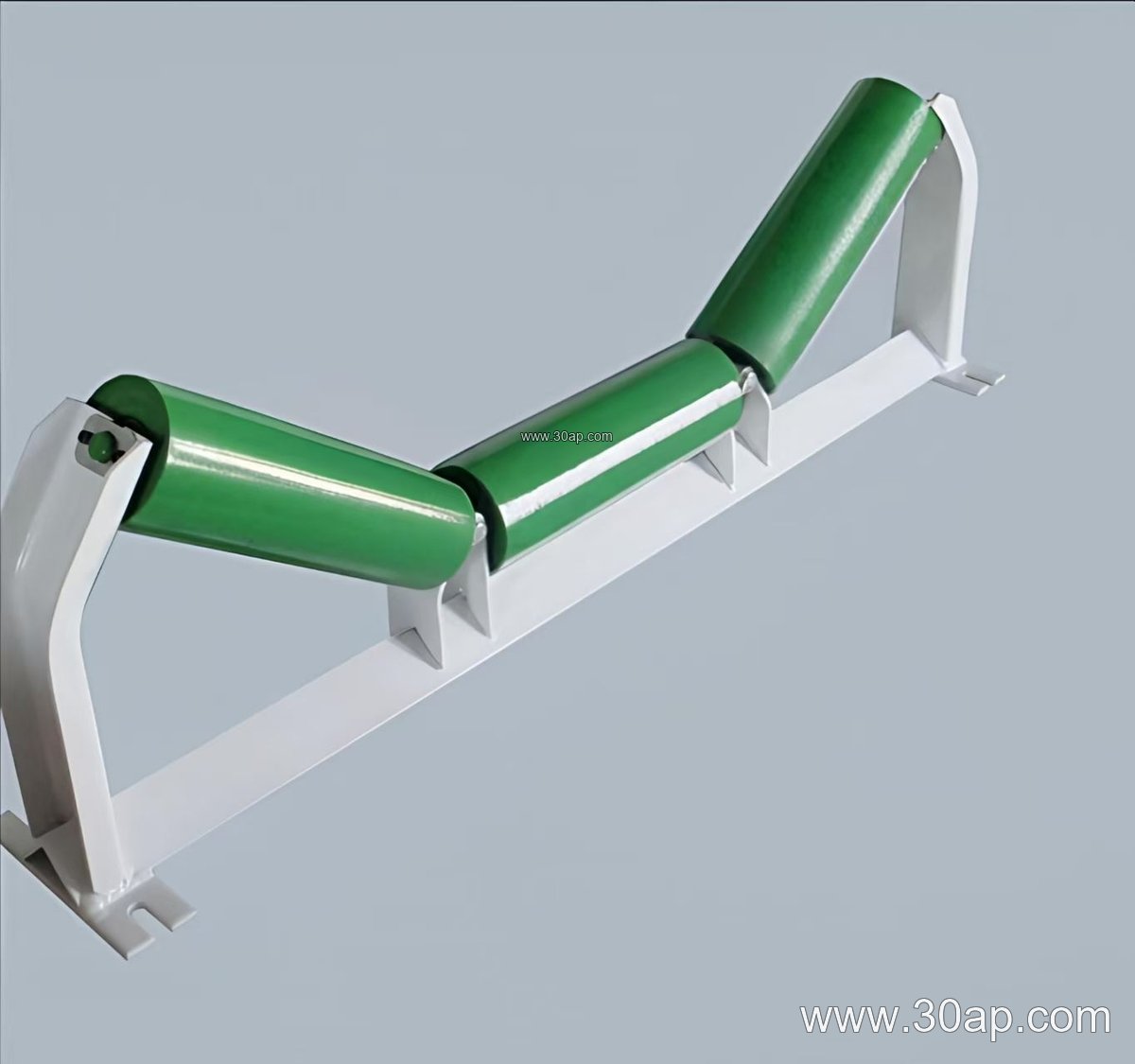
Most trough idler brackets are fabricated from angle steel, channel steel, or folded steel plate. The carrying side usually uses a fixed three-roll bracket with two inclined arms and a horizontal center section. Welded or bolted roll seats locate the idler shafts, and the bracket base bolts to the conveyor stringer.
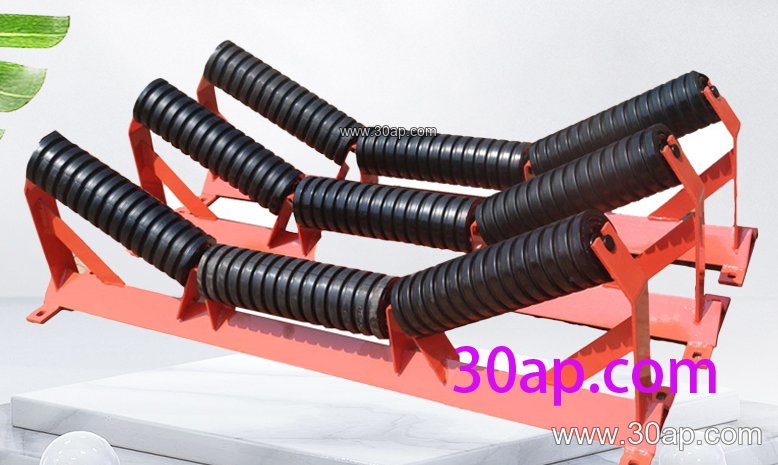
Fabricated brackets are often painted or galvanized for corrosion protection. In dusty or wet conditions, such as a coal washing plant or a power station coal yard, the finish and the drainage around the bracket matter as much as the steel thickness. Buyers should confirm the material grade, plate thickness, welding quality and hole pattern rather than assuming that similar-looking brackets are interchangeable.
Types and Where They Fit
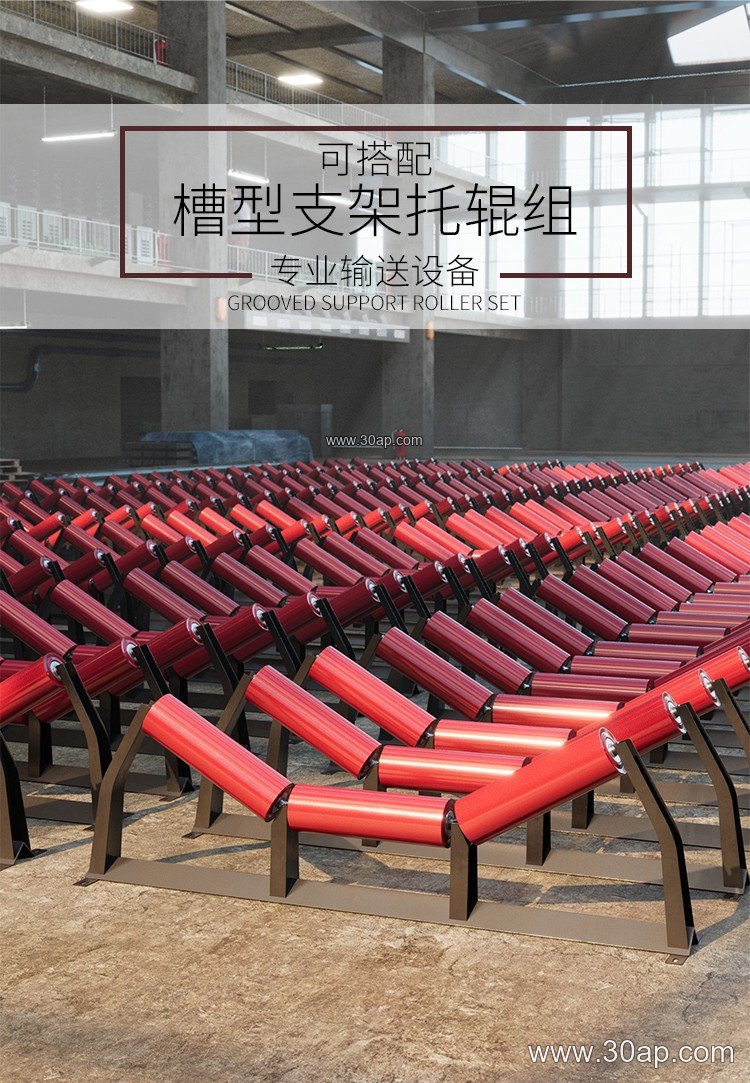
The trough idler bracket family includes several variants, each used at a specific point along the conveyor:
- Standard carrying bracket with a fixed trough angle, used along the main run.
- Transition bracket, placed near the tail pulley to gradually change the belt from flat to troughed.
- Impact bracket or impact idler bracket, installed at the loading point under a chute.
- Self-aligning bracket, which allows the idler set to pivot and correct minor belt drift.
- Forward-tilted bracket, commonly set at about 1.5 to 2 degrees, to assist belt tracking.
- Adjustable bracket, which allows the trough angle to be changed within a range.
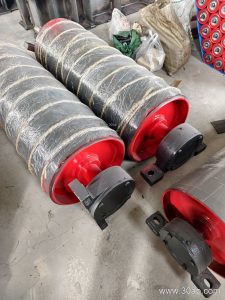
Return-side supports, such as a V-return bracket or a flat return bracket, are a separate group and should not be confused with the carrying trough bracket. Likewise, a bend pulley or drive pulley is not a substitute for an idler bracket; each has its own role in the conveyor system.
Trough Angle, Belt Width and Roll Diameter
Trough angle affects material capacity and belt stress. Common values are 20, 30, 35 and 45 degrees. A wider belt on a high-capacity line, for example a 1200mm or 1400mm belt, may use a deeper trough to hold more material, while a narrow 650mm belt often runs at a shallower angle. Adjustable brackets let operators fine-tune this setting during commissioning.
Roll diameter is chosen to suit belt speed, load and bearing life. Common idler diameters include Ø89, Ø108, Ø133, Ø159 and Ø194. Typical combinations might be B800 with a 35 degree trough and Ø108 rolls, or B1200 with a 45 degree trough and Ø133 rolls, but these are examples only. A given belt width can be paired with more than one trough angle or roll diameter, and the final choice should come from the conveyor design.
Reference Values for Discussion
| Parameter | Common Range |
|---|---|
| Belt width | B500, B650, B800, B1000, B1200, B1400, B1600, B1800, B2000, B2200 |
| Trough angle | 20, 30, 35, 45 degrees |
| Idler diameter | Ø89, Ø108, Ø133, Ø159, Ø194 |
| Material | Angle steel, channel steel, folded plate |
Mounting hole spacing and crossbeam length vary with belt width and trough angle, so they should be confirmed against the actual frame drawing.
Application Notes Across Industries
Trough idler brackets appear wherever bulk material moves on a belt. In an iron ore or limestone mine, heavy abrasive loads call for robust brackets and wear-resistant rolls. In a cement plant, fine dust and high temperatures near the kiln area may require heat-resistant belts and well-sealed bearings. At a port or ship loading facility, long conveyors with wide belts depend on consistent bracket alignment to avoid belt edge damage.
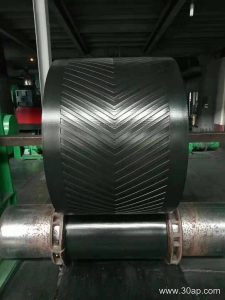
The bracket must suit the belt it carries. A heavy-duty mining conveyor belt, a flame retardant conveyor belt for underground coal mining, or an abrasion resistant conveyor belt for aggregate all impose different loads and tracking behavior. On a coal mining conveyor belt system, for instance, flame resistance and reliable tracking are both important, and the bracket geometry affects the second. Where a skirted conveyor belt or corrugated sidewall conveyor belt is used, the bracket and roll positions must clear the cleats and sidewalls.
Buyer Checklist
- Confirm belt width, trough angle and roll diameter as a set, not in isolation.
- Ask for the hole pattern and crossbeam length against your frame drawing.
- Check material, plate thickness and surface finish for the site environment.
- Decide between fixed and adjustable brackets based on commissioning needs.
- Consider transition and impact brackets separately from the standard run.
- Plan spare brackets for loading points, where wear is fastest.
For related components such as the conveyor pulley, idler roller and conveyor bracket assemblies, matching dimensions across the whole line avoids field modification. More information on belt and bracket compatibility is available at www.mfmining.com/trough-idler-bracket.