What an Assembled Pulley Is
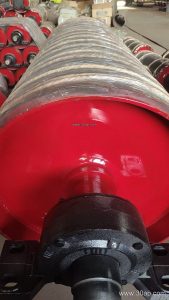
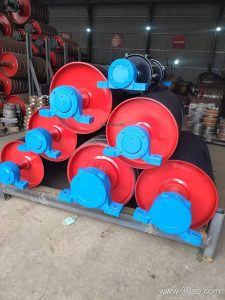
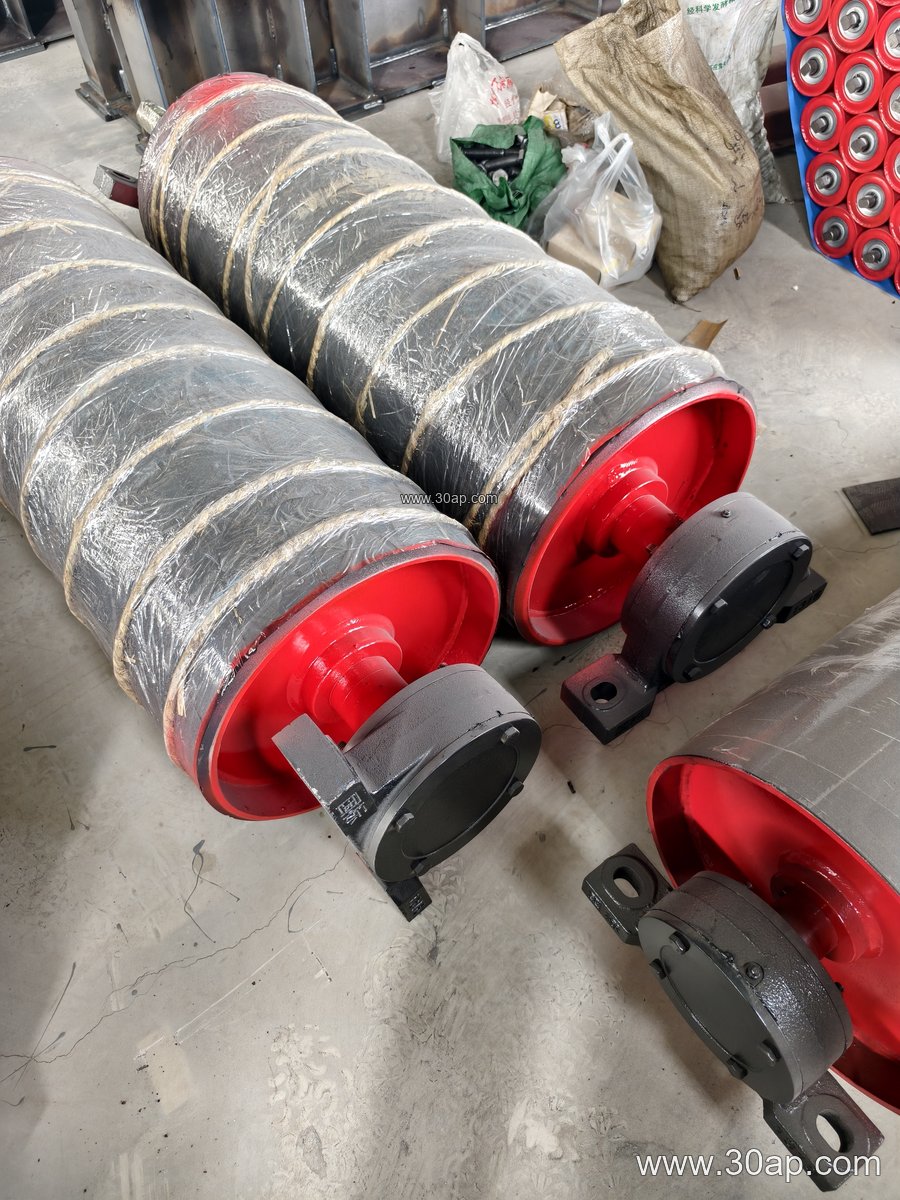
An assembled pulley is a complete, ready-to-mount conveyor pulley that arrives with the shell, shaft, bearings, and locking elements already put together. Instead of sourcing a bare shell and fitting the shaft and bearing housings on site, maintenance teams receive a single unit that can be lifted into the conveyor frame and aligned. In quarry and aggregate lines, this shortens downtime when a head or tail position needs replacement. The same product is also called a finished conveyor pulley or a pre-assembled pulley drum, and those names describe the same item.
It is not the same as a drive pulley, tail pulley, or bend pulley. Those terms describe the pulley’s role in the conveyor layout. An assembled pulley can serve any of those positions, but the position itself is a separate decision from whether the unit is supplied pre-assembled.
How the Unit Is Built
A typical assembled pulley combines a cylindrical shell, a through shaft or stub shafts, bearing housings, and a locking assembly. The shell may be plain steel or covered with rubber, ceramic, or another lagging. Bearing selection follows the load and speed of the conveyor, not just the belt width. The shaft diameter is determined by torque and radial load; common shaft sizes include Ø80, Ø100, Ø120, Ø140, and Ø160, but the final value comes from the conveyor design.
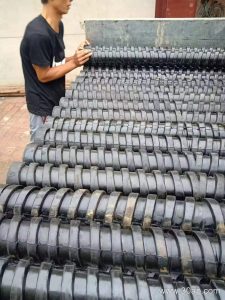
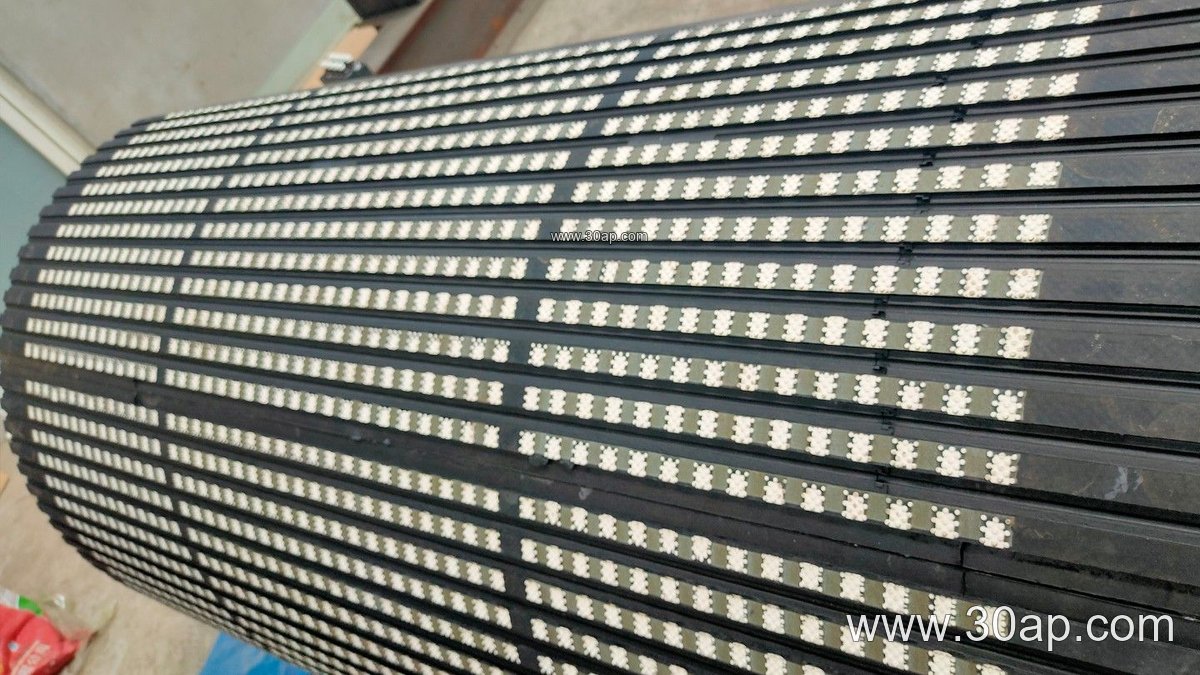
Lagging is often specified at 8, 10, 12, 15, or 20 mm thickness. Surface forms include plain, diamond grooved, herringbone, and ceramic tile. A diamond or herringbone pattern can help with wet or muddy conditions, while plain lagging suits cleaner bulk streams. In coal mining and underground coal mining conveyors, flame retardant and anti-static properties are usually required for the belt and sometimes for the lagging, so the assembled pulley should be ordered with those details confirmed.
Where It Fits in the Conveyor
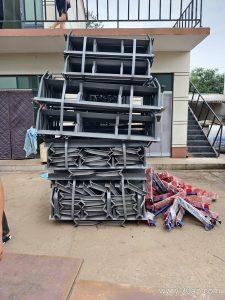
Assembled pulleys appear at head, tail, tension, and snub positions. At the head, the pulley drives or redirects the belt after discharge. At the tail, it supports the belt as material is loaded. Tension pulleys take up slack, and snub pulleys increase wrap angle around the drive pulley. In a cement plant clinker line or a power plant coal handling system, a pre-assembled tail pulley can be swapped during a planned shutdown without pressing bearings on site.
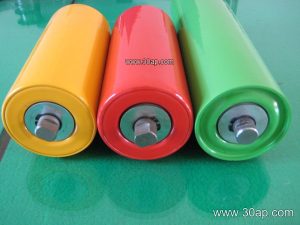
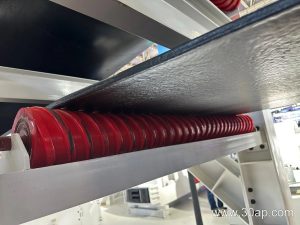
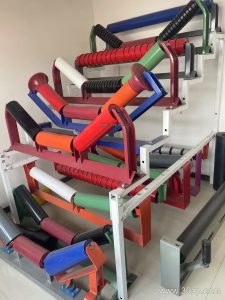
The pulley works together with the conveyor belt, idler roller, and conveyor bracket. A misaligned bracket or a worn idler can put extra side load on the pulley, so alignment checks should include the whole frame. For high-abrasion duties such as iron ore or copper ore, an abrasion resistant conveyor belt and a lagged pulley both help extend service life, but neither replaces proper belt tracking.
Matching Pulley to Belt Width
Belt width guides the pulley face width, not the diameter alone. The pulley face is usually wider than the belt so the belt can run without edge damage. Common combinations include B800 with a face around 950 mm and B1200 with a face around 1400 mm. Diameter is selected from belt tension, wrap angle, and shaft load. A B800 conveyor might use Ø500 or Ø630 depending on the drive arrangement, while a B1400 unit may use Ø800 or Ø1000. There is no rule that one belt width matches only one pulley diameter.
The table below shows reference combinations, not mandatory specifications.
| Belt width | Typical pulley face | Example diameter range | Typical shaft size range |
|---|---|---|---|
| B500 | 600 mm | Ø250–Ø400 | Ø50–Ø80 |
| B650 | 750 mm | Ø315–Ø500 | Ø60–Ø100 |
| B800 | 950 mm | Ø400–Ø630 | Ø70–Ø120 |
| B1000 | 1150 mm | Ø500–Ø800 | Ø80–Ø140 |
| B1200 | 1400 mm | Ø630–Ø1000 | Ø90–Ø160 |
| B1400 | 1600 mm | Ø800–Ø1250 | Ø100–Ø180 |
| B1600 | 1800 mm | Ø1000–Ø1400 | Ø120–Ø200 |
Use these figures as a starting point for inquiry. The final shaft diameter should be confirmed by the pulley manufacturer after reviewing torque, belt tension, and bearing life.
Buyer Checklist
- State the conveyor position: head, tail, tension, or snub. Drive and bend pulleys have different load profiles.
- Provide belt width and belt type, such as EP conveyor belt, NN conveyor belt, or steel cord conveyor belt.
- Confirm lagging type and thickness if the pulley will run in wet, dusty, or high-traction conditions.
- Ask for the shaft diameter and bearing style rather than assuming a size from belt width.
- Check that the conveyor bracket and idler roller heights match the pulley centerline.
For a quarry conveyor belt or a cement plant conveyor, a pre-assembled pulley can reduce installation time and improve alignment consistency. Keep spare units for critical head and tail positions, and record the shaft and bearing part numbers so the next replacement is straightforward.