What a Parallel Idler Bracket Does
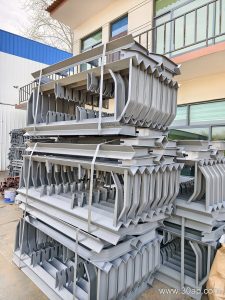
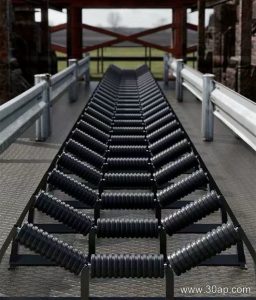
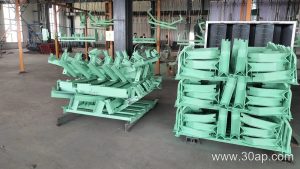
A parallel idler bracket is the steel support that holds the carrying idlers of a belt conveyor in a flat or slightly troughed line, keeping each idler roller parallel to its neighbours along the frame. Instead of tilting the side rollers upward to form a deep trough, this bracket mounts the idlers in a level arrangement, so the conveyor belt runs on a broad, even surface. That makes it a practical choice wherever the load is flat, the belt is wide, or the material needs gentle handling rather than being heaped into a narrow channel.
Buyers sometimes meet the same component under another accurate name, such as a flat carrying idler bracket or a parallel idler support frame. These describe the same product; they are not the same as a trough bracket, a return bracket, or a self-aligning bracket, each of which serves a different position on the conveyor.
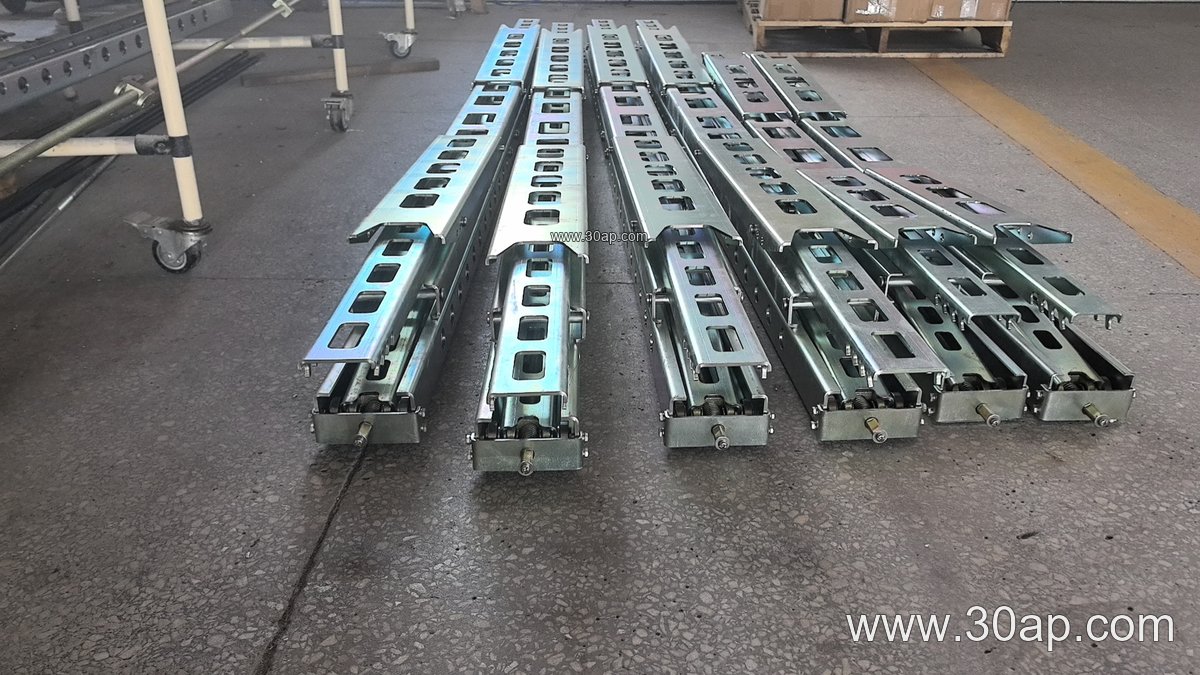
How the Bracket Is Built
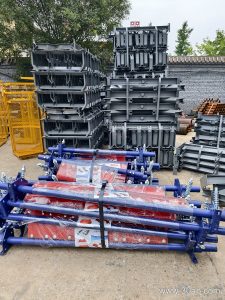
Most parallel idler brackets are fabricated from angle steel, channel steel, or folded steel plate, then drilled and welded to suit the frame. The design usually includes a crossbeam, mounting slots or bolt holes, and short uprights that locate the idler shaft. Because hole spacing and beam length change with belt width and mounting angle, these dimensions are set by design rather than fixed by a catalogue number.
Typical reference values that appear in project drawings include:
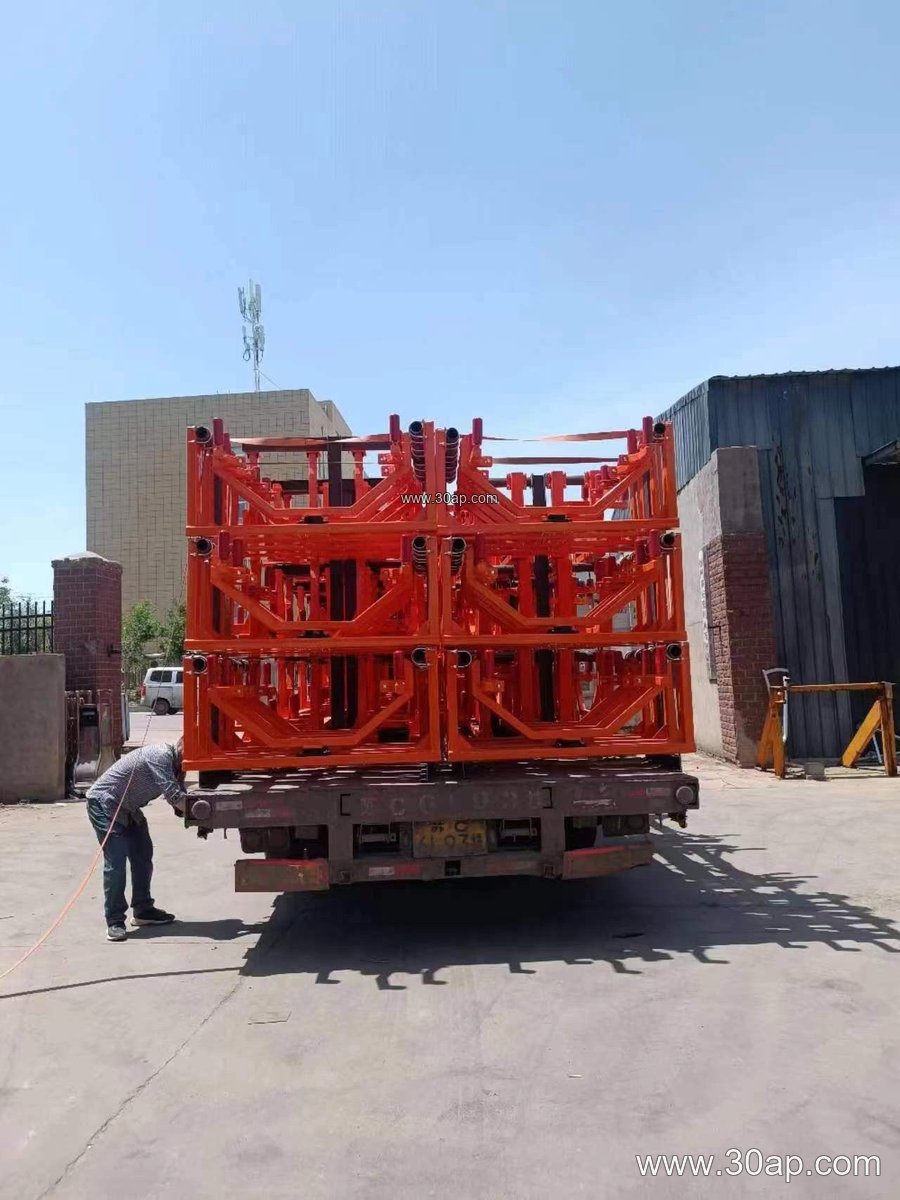
- Belt width range from B500 to B2200, with B800, B1000, and B1200 being common in general bulk handling
- Idler diameter options such as Ø89, Ø108, Ø133, Ø159, and Ø194
- Trough angles of 20, 30, 35, or 45 degrees where an adjustable bracket is used
- Forward lean of roughly 1.5 to 2 degrees on leading-edge designs
Surface treatment matters in dusty and damp plants. Galvanised or painted finishes help resist corrosion in a quarry or a port terminal, while heavier plate thickness adds stiffness where the belt carries dense ore.
Where It Fits on the Conveyor
The bracket sits on the carrying side of the frame, under the loaded run of the conveyor belt. In a limestone mine or a crushing and screening line, a parallel arrangement is often used on wide belts that transport large, flat pieces of rock, because a level bed reduces the chance of the belt edge lifting. In a cement plant, the same support can be found on transfer conveyors where dust builds up and easy cleaning is valued. Power plant coal handling and fertiliser granulation lines also use flat carrying sections at loading points and at weigh scale approaches.
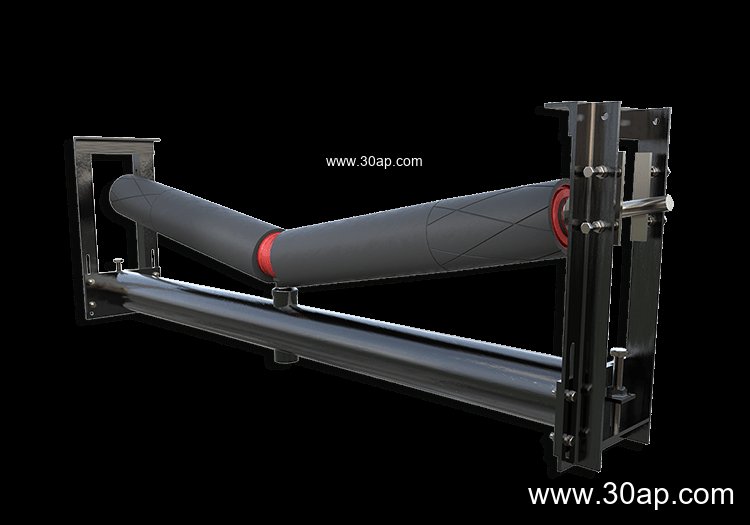
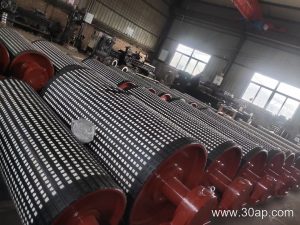
It is worth noting that this bracket is not a substitute for a bend pulley or a tail pulley; those are rotating drums that change belt direction, while the bracket is a stationary support. It also differs from a buffer bracket, which is placed under a loading chute to absorb impact, and from a V-shaped return bracket, which supports the empty side of the belt.
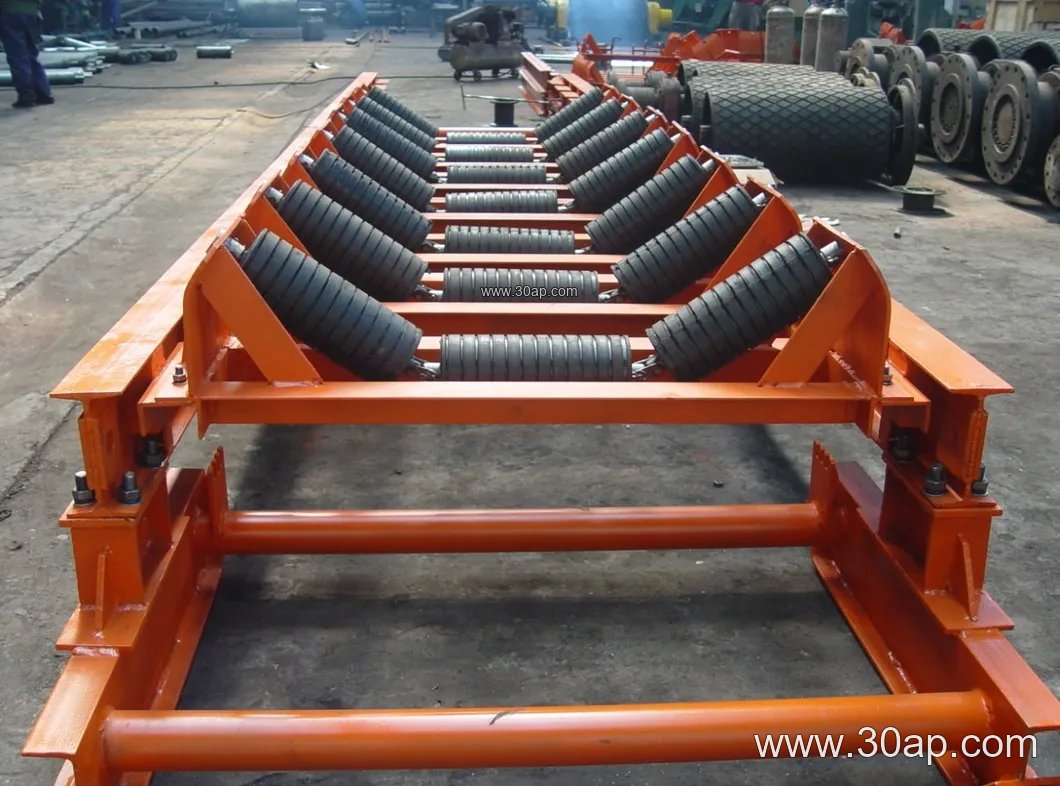
Choosing the Right Configuration
Selection starts with the belt width and the idler diameter already used on the conveyor, so that the bracket matches the existing frame and roller shaft. A common combination might be B800 with a 35 degree trough angle and Ø108 idlers, or B1200 with 45 degrees and Ø133 rollers, but these are examples only. The belt itself matters too: a heavy-duty mining conveyor belt or a steel cord conveyor belt carrying iron ore will need a stiffer bracket than a lightweight fabric core belt moving grain.
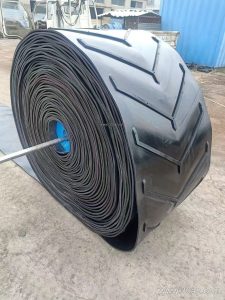
Adjustable brackets allow the trough angle to be changed on site, which is useful during commissioning or when the material changes. Fixed brackets are simpler and often cheaper, but they lock the geometry. For a chevron conveyor belt or a corrugated sidewall belt, check that the bracket height and idler position clear the cleats and sidewalls.
Installation and Maintenance Notes
Align the brackets in a straight line along the frame before tightening bolts; a small offset can make the belt track to one side. Check that all idlers sit parallel and rotate freely, and re-torque fasteners after the first weeks of operation. In a coal mining conveyor or an underground coal mining conveyor, flame retardant conveyor belt and anti-static conveyor belt are usually specified, and the bracket should be inspected for corrosion and loose welds during the same walk-down.
Keep spare brackets on hand for crusher conveyor and ship loading conveyor sections, where impact and vibration loosen fittings. With correct alignment and a suitable abrasion resistant conveyor belt, a well-built parallel idler bracket gives long, quiet service and helps protect the belt from edge damage.