Understanding the PVG800S Conveyor Belt
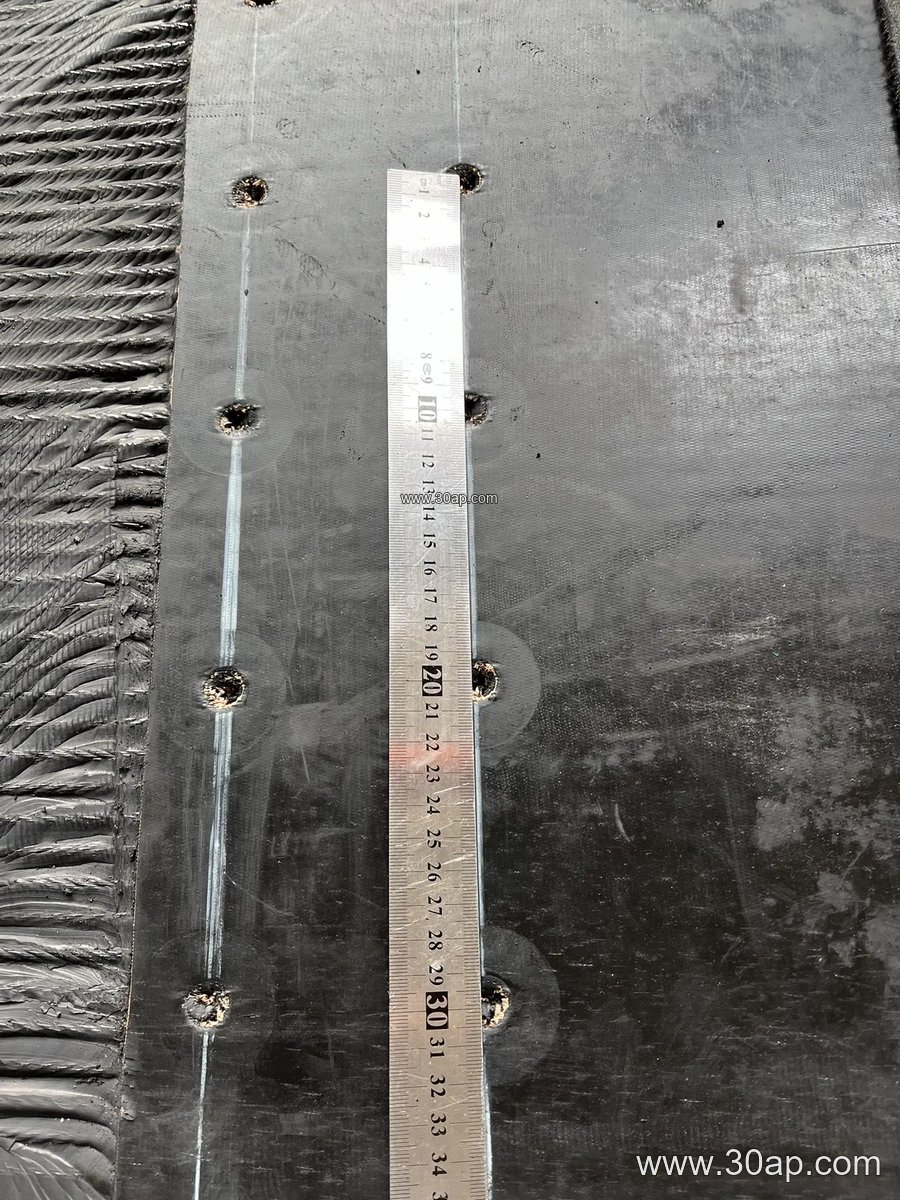
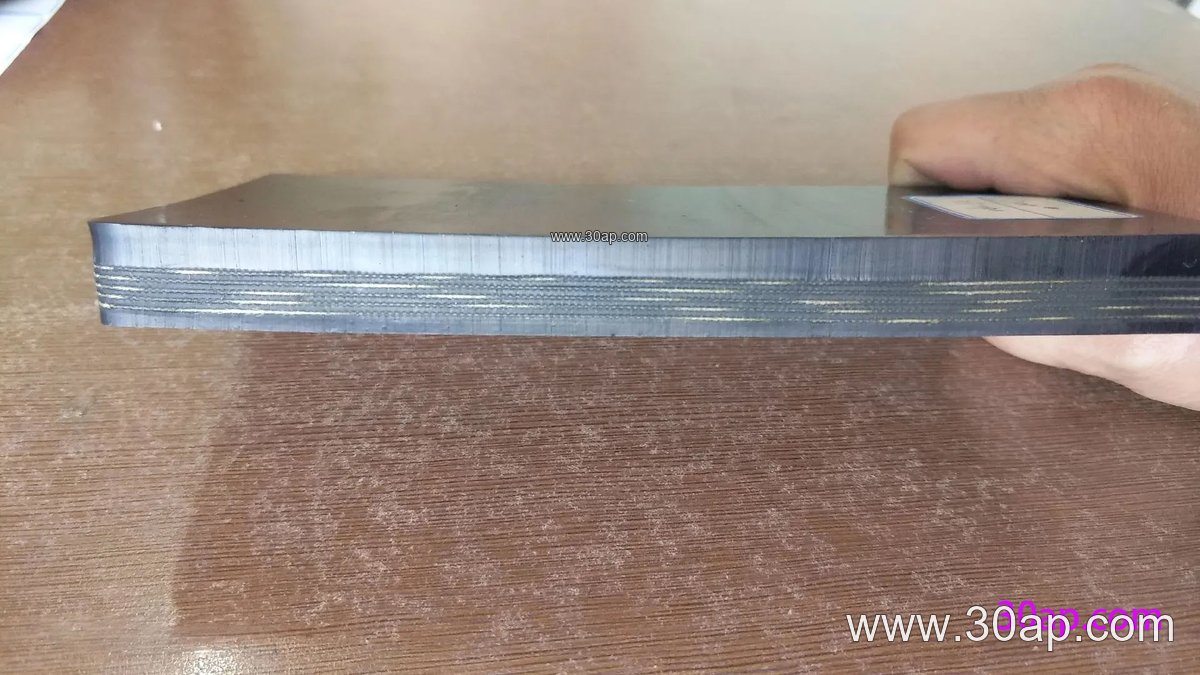
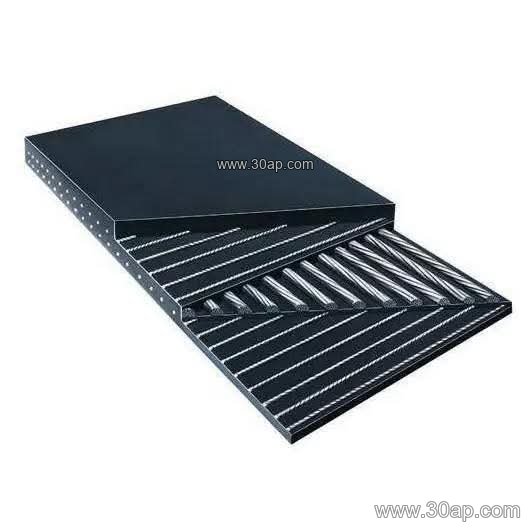
The PVG800S Conveyor Belt is a solid-woven, PVC-based belt with a synthetic fabric core and rubber covers, engineered for tough conveying duties where both strength and flame resistance matter. In the PVG family, the 800S designation points to a specific construction and performance class, and this belt is often specified as a PVG Conveyor Belt for underground coal mining and similar hazardous environments. It is not a steel cord belt, nor is it a multi-ply fabric core belt such as an EP Conveyor Belt; it belongs to the solid woven PVC/PVG group, which gives it a distinct set of handling characteristics.
Construction and Key Features
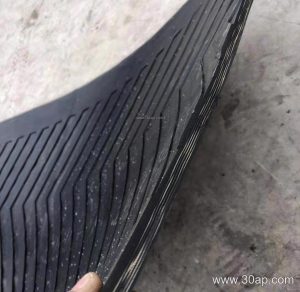
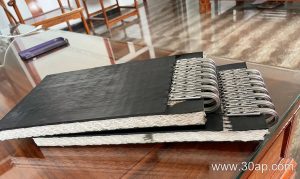
The belt is built around a solid-woven fabric core that is impregnated and coated with PVC, with rubber covers on the carrying and pulley sides. This construction gives the PVG800S good resistance to tearing, impact, and moisture, and it is typically formulated to be flame retardant and anti-static for underground service. The cover compounds can also be tailored for abrasion resistance or oil resistance depending on the duty. Because the core is a single solid woven body rather than laminated plies, the belt tends to resist delamination and is often chosen where a Flame Retardant Conveyor Belt is required for safety-critical conveying.
Typical Applications
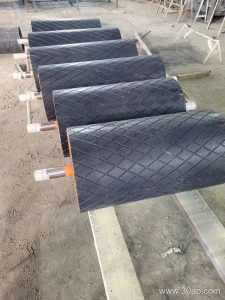
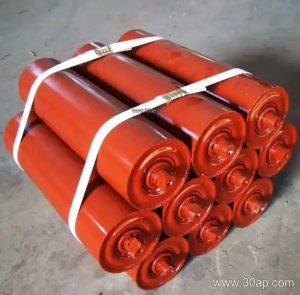
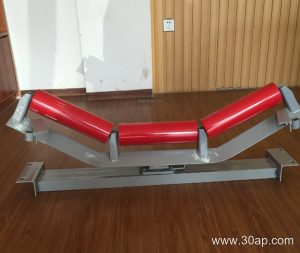
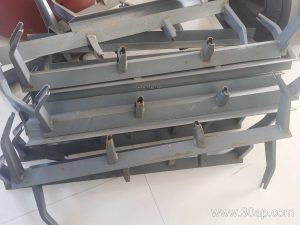
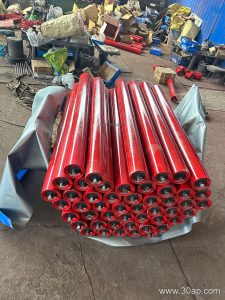
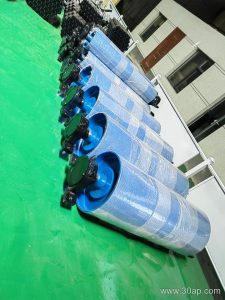
The PVG800S Conveyor Belt is widely used in underground coal mining, where flame retardancy and anti-static properties are essential. It also appears in surface mines, cement plants, power stations, and port bulk handling systems where a robust, fire-resistant belt is needed. Common conveyed materials include coal, ore, crushed stone, and aggregate. In these circuits the belt runs over idler rollers and conveyor pulleys, and the layout of drive, tail, and bend pulleys is designed to suit the belt’s tension and tracking behavior. It is also a practical choice for a Mining Conveyor Belt where a solid woven construction offers good resistance to edge damage and punctures.
Specifications and Selection Guidance
PVG800S belts are commonly supplied in standard widths and cover thicknesses. The table below gives typical reference values; actual specifications should be confirmed with the manufacturer for each project.
| Parameter | Common Reference Values |
|---|---|
| Belt type | PVG800S (solid woven PVC/PVG) |
| Belt width | B500, B650, B800, B1000, B1200, B1400, B1600, B1800, B2000 |
| Cover thickness (top + bottom) | 3+1.5 mm, 4+2 mm, 5+2 mm, 6+2 mm, 8+3 mm |
| Core construction | Solid woven fabric, typically 2 to 6 layers equivalent |
| Properties | Flame retardant, anti-static, abrasion resistant options |
When selecting a PVG800S belt, consider the material lump size, loading impact, troughability, and the required safety class. Wider belts such as 1200 mm or 1400 mm may be needed for high tonnage, while narrower widths suit compact conveyors. The belt width should be matched to the conveyor design, not to a single pulley diameter; drive, tail, and bend pulleys are sized by the conveyor engineer based on tension and shaft loads. For comparison, an Abrasion Resistant Conveyor Belt in the EP range may offer different cover options, but the PVG800S remains the solid woven choice for flame-critical duties. Buyers should also confirm the belt’s anti-static performance and fire resistance certificates where required, and check that the cover grade suits the material temperature and oil content.
Installation and Maintenance Notes
Proper alignment of idler rollers and conveyor pulleys helps prevent edge wear and mistracking. Keep the belt tension within the manufacturer’s range, and inspect splices and edges regularly, especially in underground mining service. A well-maintained conveyor belt of this type can deliver long service life in harsh conditions. Store spare belts away from direct sunlight and ozone sources, and follow the supplier’s splicing instructions for solid woven belts to maintain flame retardant integrity at the joint.