What a Mining Equipment Idler Does
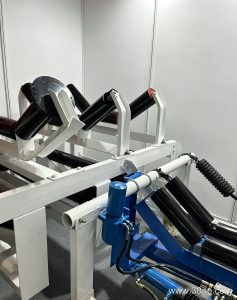
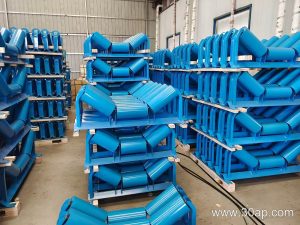
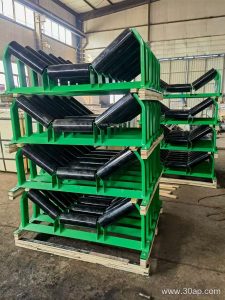
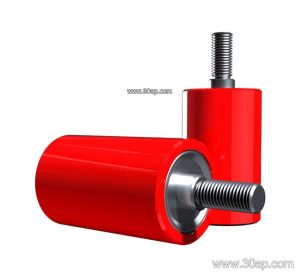
A Mining Equipment Idler is the rotating support that carries the conveyor belt along its path in a bulk handling system. In a coal mine, quarry, or ore processing plant, these rollers keep the belt aligned and reduce friction so material moves efficiently from the crusher to the stockpile or loadout. The idler roller is not a single universal part; it is selected by trough angle, roller diameter, bearing size, and surface form to match the belt width and the load it carries.
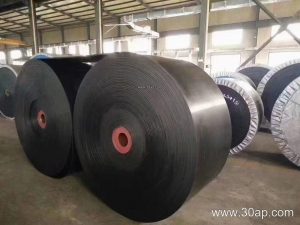
Because the belt is the most expensive wearable component on the conveyor, the idler directly affects belt life. Poorly matched rollers cause edge wear, belt wander, and unnecessary downtime.
Construction and Common Configurations
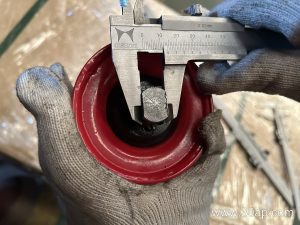
Most idlers share a simple build: a steel tube shell, bearing housing, shaft, and seal. The shell may be painted steel, nylon, ceramic, or fitted with rubber rings for impact zones. The table below shows common reference values used when specifying idlers for mining conveyors. These are typical examples, not fixed supply promises.
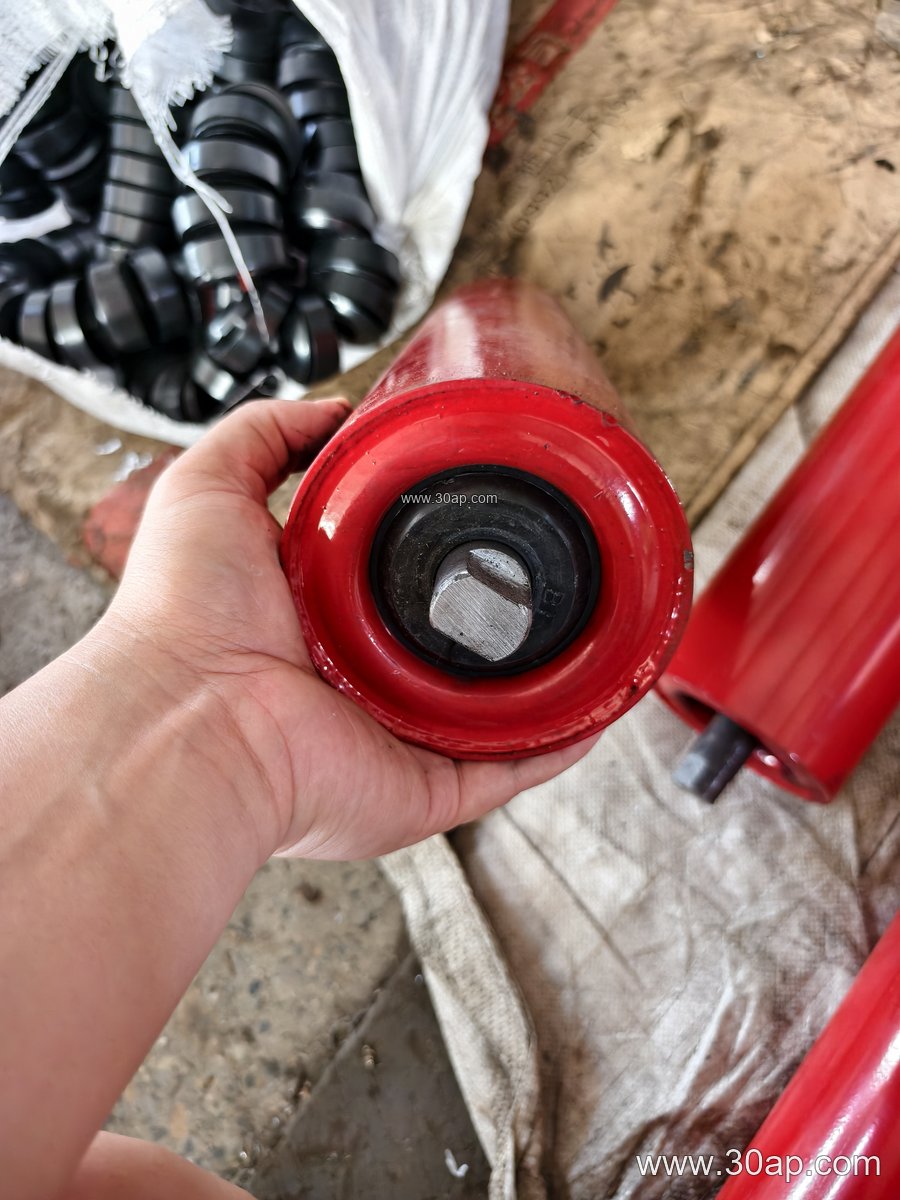
| Parameter | Common Reference Values |
|---|---|
| Idler type | Troughing, return, impact, training, spiral |
| Roller diameter | Ø63, Ø76, Ø89, Ø102, Ø108, Ø127, Ø133, Ø159, Ø178, Ø194, Ø219 mm |
| Belt width | B400, B500, B650, B800, B1000, B1200, B1400, B1600, B1800, B2000, B2200, B2400 |
| Trough angle | 20°, 30°, 35°, 45° |
| Bearing | 6204, 6205, 6305, 6306, 6308, 6310 |
| Roller surface | Steel, nylon, ceramic, rubber rings |
| Roller length (3-roll trough, approx.) | B500: 200 mm; B650: 250 mm; B800: 315 mm; B1000: 380 mm; B1200: 465 mm; B1400: 530 mm; B1600: 600 mm; B1800: 670 mm; B2000: 750 mm |
For a heavy-duty mining conveyor belt carrying abrasive ore, the idler shell and seal quality matter more than the paint finish. In underground coal mining, flame retardant and anti-static properties are often required for the belt, and the idler should be selected to match the same environment.
Where Idlers Are Used
Idlers appear at the load point, along the carrying run, and on the return strand. In a limestone quarry or aggregate line, impact idlers with rubber rings are common under the crusher discharge. In a coal-fired power plant, troughing idlers on the coal conveyor must handle dust and occasional wet conditions. A cement plant uses idlers on clinker and raw meal conveyors where heat and abrasion are present. The same idler roller design may also be found in a port ship loading conveyor or a tunnel spoil removal system.
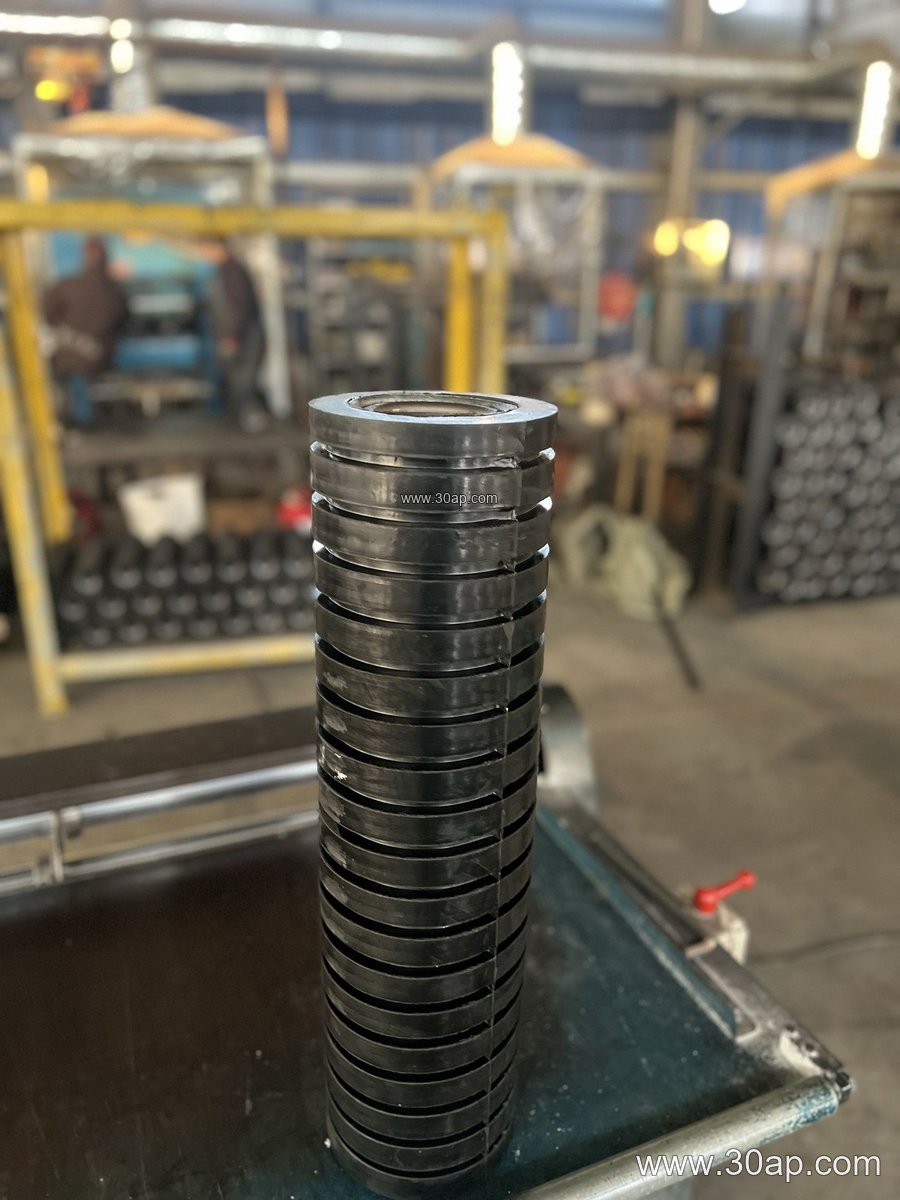
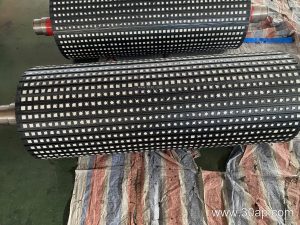
On a belt conveyor, the idler works with the conveyor pulley at the head and tail, the conveyor bracket that holds the idler frame, and the belt itself. A worn idler can misalign the belt and increase load on the drive pulley.
Selection and Maintenance Notes
Buyers should match the idler to the belt width, trough angle, and material lump size. A wider belt such as 1800mm wide conveyor belt does not automatically require one fixed roller diameter; the load, speed, and idler spacing determine the choice. For abrasive iron ore or copper ore, a heavier roller shell and good labyrinth seal extend service life. In cold climates, cold resistant conveyor belt may be used, and the idler bearing grease should suit low temperatures.
- Check roller rotation by hand during inspection; a seized idler can flat-spot the belt.
- Inspect seals around bearings 6205, 6305, or 6308 for dust ingress.
- Verify training idlers are set correctly; they are not a substitute for proper belt alignment.
- Use impact idlers at transfer points where falling rock or ore strikes the belt.
For a reliable conveyor system, the Mining Equipment Idler should be treated as a wear part with a planned replacement schedule. Whether the site is a gold mining conveyor, a stone crushing line, or a fertilizer plant, consistent idler inspection keeps the belt tracking straight and reduces unexpected stoppages.