What a Rubber Spiral Idler Does
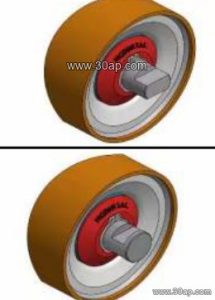
A rubber spiral idler is a return-side idler roller wrapped with a helical rubber profile. Instead of a plain steel shell, the rubber spiral idler carries a raised spiral fin that contacts the underside of the conveyor belt. As the belt moves, the spiral pushes loose material aside and helps keep the return strand cleaner. In dusty circuits such as a quarry, a cement plant, or a crushing and screening line, this small design detail can reduce build-up on the roller surface and lower the chance of belt tracking problems.
The rubber spiral idler is also known as a spiral return roller or rubber helical return idler. These names describe the same product. It is a return idler subtype, not a replacement for a troughing idler, impact idler, or self-aligning idler, and it should not be confused with a drive pulley, tail pulley, or bend pulley, which serve completely different functions on the conveyor.
How the Spiral Return Roller Is Built
The core is usually a steel tube fitted with bearing housings at both ends, sealed to keep out fine dust and moisture. A rubber spiral is bonded or vulcanized onto the shell. The helix angle and the height of the rubber fin vary by design; a steeper spiral moves material faster, while a gentler one is easier on the belt cover.
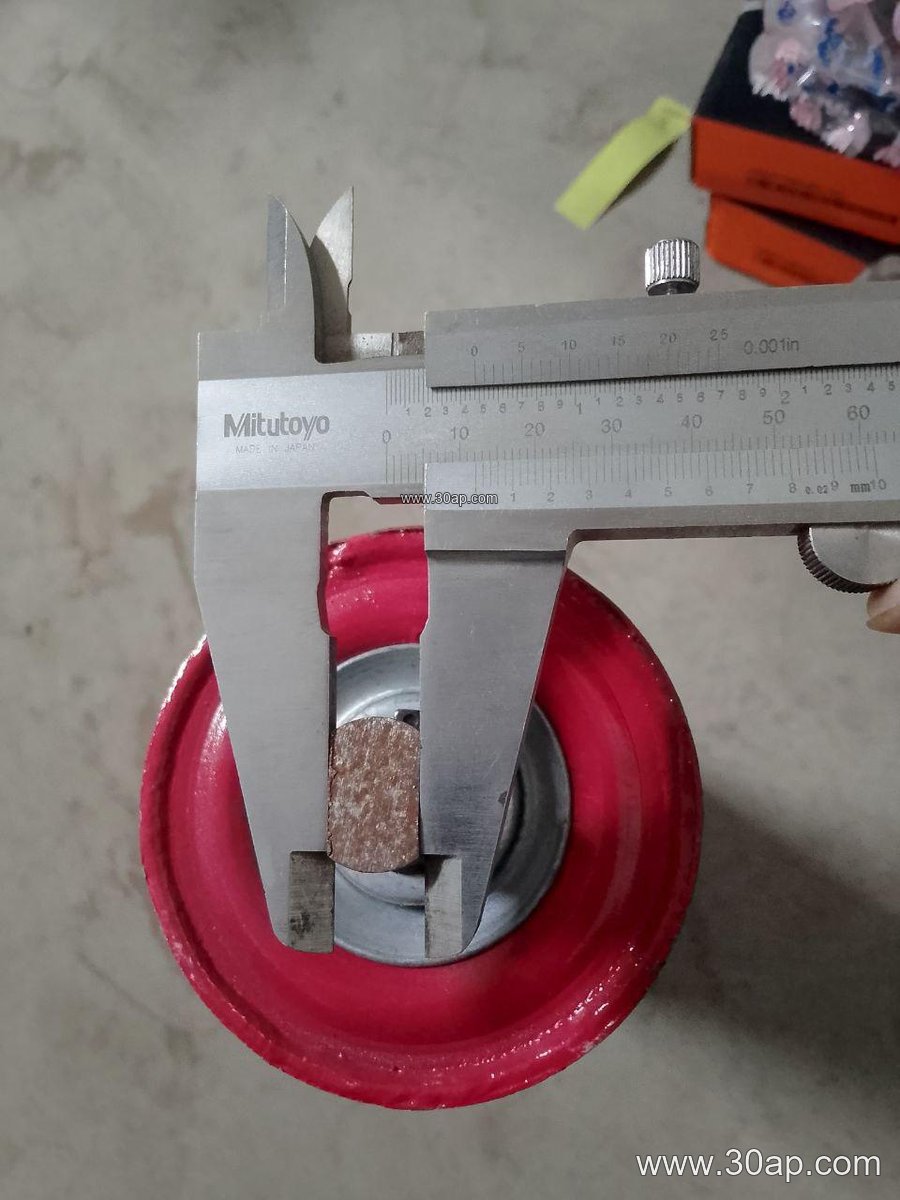
Common roll diameters for return idlers include Ø89, Ø102, Ø108, Ø127, Ø133, Ø159, and larger sizes for heavy belts. Bearing choices such as 6204, 6205, 6305, 6306, 6308, and 6310 are matched to load and shaft design rather than to belt width alone. Roll length follows belt width, trough angle, and idler arrangement, so a B800 belt and a B1200 belt will not share the same roller length.
| Reference item | Typical range |
|---|---|
| Roll diameter | Ø89 to Ø159 mm (larger for heavy-duty) |
| Belt width | B500 to B2000 mm |
| Bearing | 6204, 6205, 6305, 6306, 6308, 6310 |
| Surface | Rubber spiral on steel shell |
Where It Fits on the Conveyor
Spiral return rollers are installed under the carrying belt on the return strand, usually between the head pulley and the tail pulley. They are popular in aggregates plants, limestone mines, iron ore and copper ore handling, coal preparation plants, power plant coal yards, and port bulk terminals.
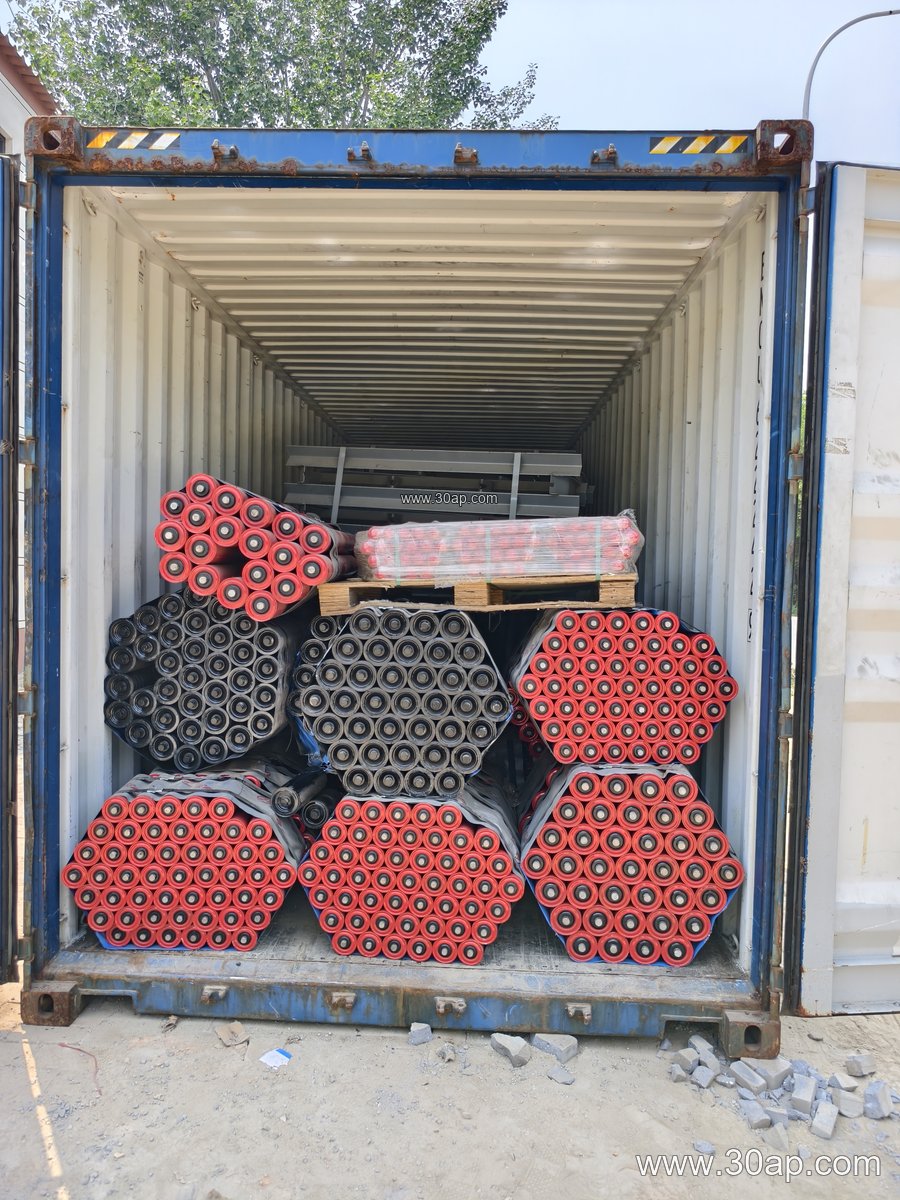
On a belt carrying damp sand or sticky ore, a standard flat return idler can collect material and grow an uneven lump. A rubber spiral idler sheds that material as it turns. The same benefit appears on a conveyor fed by a crusher, where fines escape from the load zone and cling to the return belt. When the belt is a heavy-duty mining conveyor belt or an abrasion resistant conveyor belt, the spiral roller helps protect the bottom cover from trapped debris.
Spiral idlers are not a substitute for belt cleaners. They work best as part of a return-side package that includes a primary scraper, a secondary cleaner, and well-aligned training idlers.
Buyer Checklist Before Ordering
- Confirm belt width and the required roller length, including the shaft end configuration.
- Check the roll diameter and bearing size against the actual load and speed.
- Match the rubber compound to the environment: oil resistant for oily dust, heat resistant where the return belt runs warm.
- Confirm mounting dimensions with the conveyor bracket and frame drawing.
- Ask about spiral pitch, fin height, and rubber hardness, since these affect cleaning action and belt wear.
For a project using an EP conveyor belt, NN conveyor belt, or steel cord conveyor belt, the spiral return idler should be selected together with the pulley and bracket dimensions, not in isolation. A correct match keeps the belt running centered and extends roller bearing life.
Installation and Maintenance Notes
Mount the spiral idler square to the belt centerline. A skewed roller will push the belt sideways even if the spiral is clean. Check that the roller turns freely by hand before startup, and inspect the seal area during routine shutdowns. Replace a roller when the rubber spiral is worn flat, when the bearing becomes noisy, or when the shell shows runout.
In a coal mining or underground application, use flame retardant and anti-static belt grades where required, and keep the return idler compatible with the same safety expectations. In a food or fertilizer plant, choose a rubber grade that suits the local hygiene and chemical exposure.
Rubber spiral idlers are a practical upgrade on the return run of almost any bulk handling conveyor. They do not replace troughing idlers, impact idlers, or pulleys; they simply keep the return belt cleaner and the whole conveyor more stable.