What an Ore Conveyor Belt Does
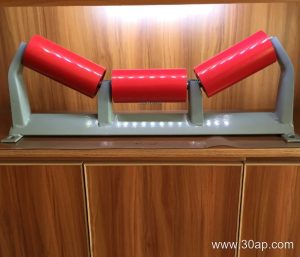
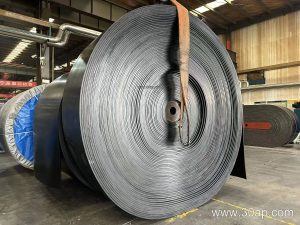
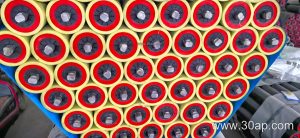
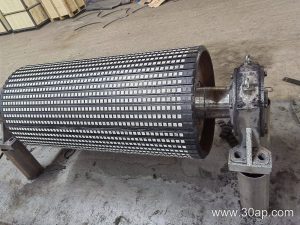
An ore conveyor belt is the load-carrying element of a bulk handling system that moves crushed or raw mineral material from a primary crusher, stockpile or loading point to the next stage of processing. In an iron ore mine, a copper concentrator, a gold plant, a coal preparation facility or a quarry, the belt is exposed to sharp rock, heavy lumps, dust and often moisture. The belt therefore has to combine high tensile strength with a cover compound that resists cutting and abrasion. A typical ore handling line also includes idler rollers, conveyor pulleys and conveyor brackets that support and guide the belt, but the belt itself determines how much material can be carried and how long the system runs between stoppages.
Construction of a Heavy-Duty Mining Conveyor Belt
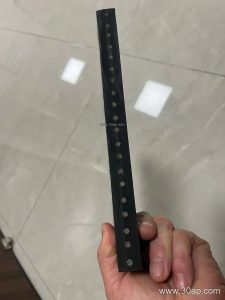
Most ore belts are built from three functional layers. The carcass provides tensile strength and resistance to impact. The covers protect the carcass from wear, heat, oil or flame. The edges and splices keep the assembly intact under repeated flexing.
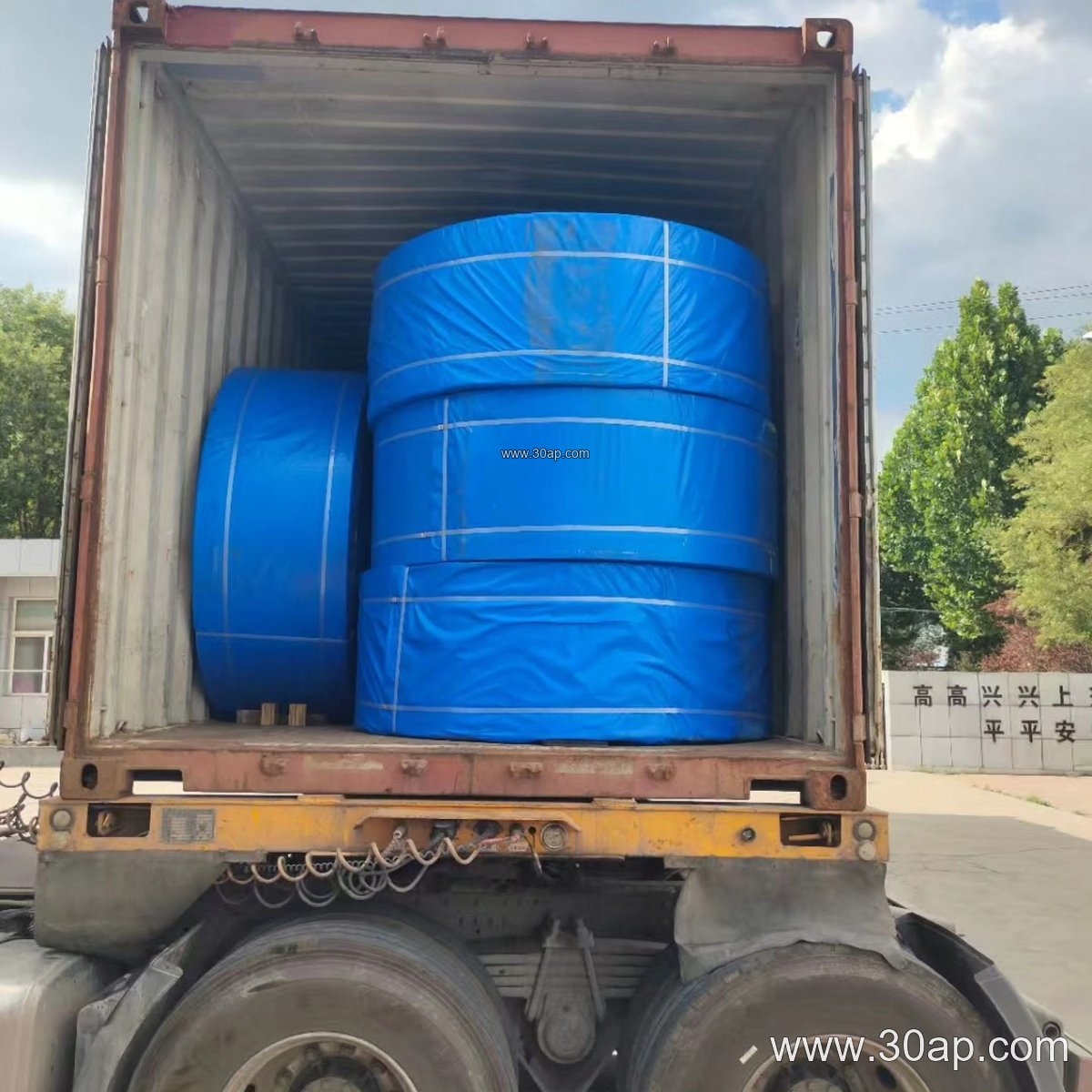
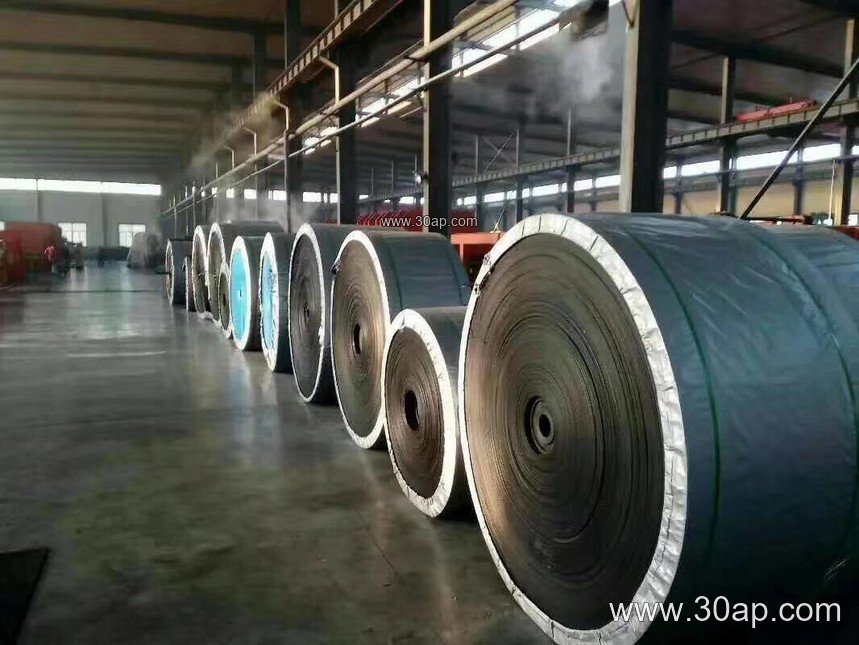
- Carcass options. EP conveyor belt (polyester warp, nylon weft) and NN conveyor belt (nylon warp and weft) are common fabric core conveyor belt choices for medium and long hauls. Multi-ply fabric core conveyor belt designs usually run from 2 to 6 plies. For very high tension and long centre distances, a steel cord conveyor belt is preferred because a single layer of cords carries the load.
- Cover compounds. Abrasion resistant conveyor belt grades suit sharp, dry ore. Heat resistant conveyor belt covers handle sinter, clinker or hot pellets. Oil resistant conveyor belt covers are used where lubricants or oily feedstock are present. Flame retardant conveyor belt and anti-static conveyor belt constructions are typical for underground mining conveyor belt and coal mining conveyor belt duties.
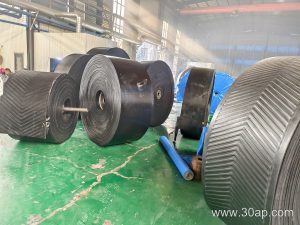
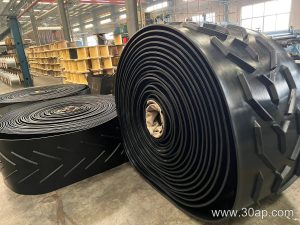
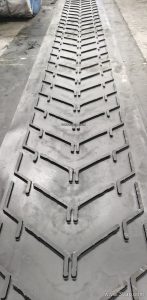
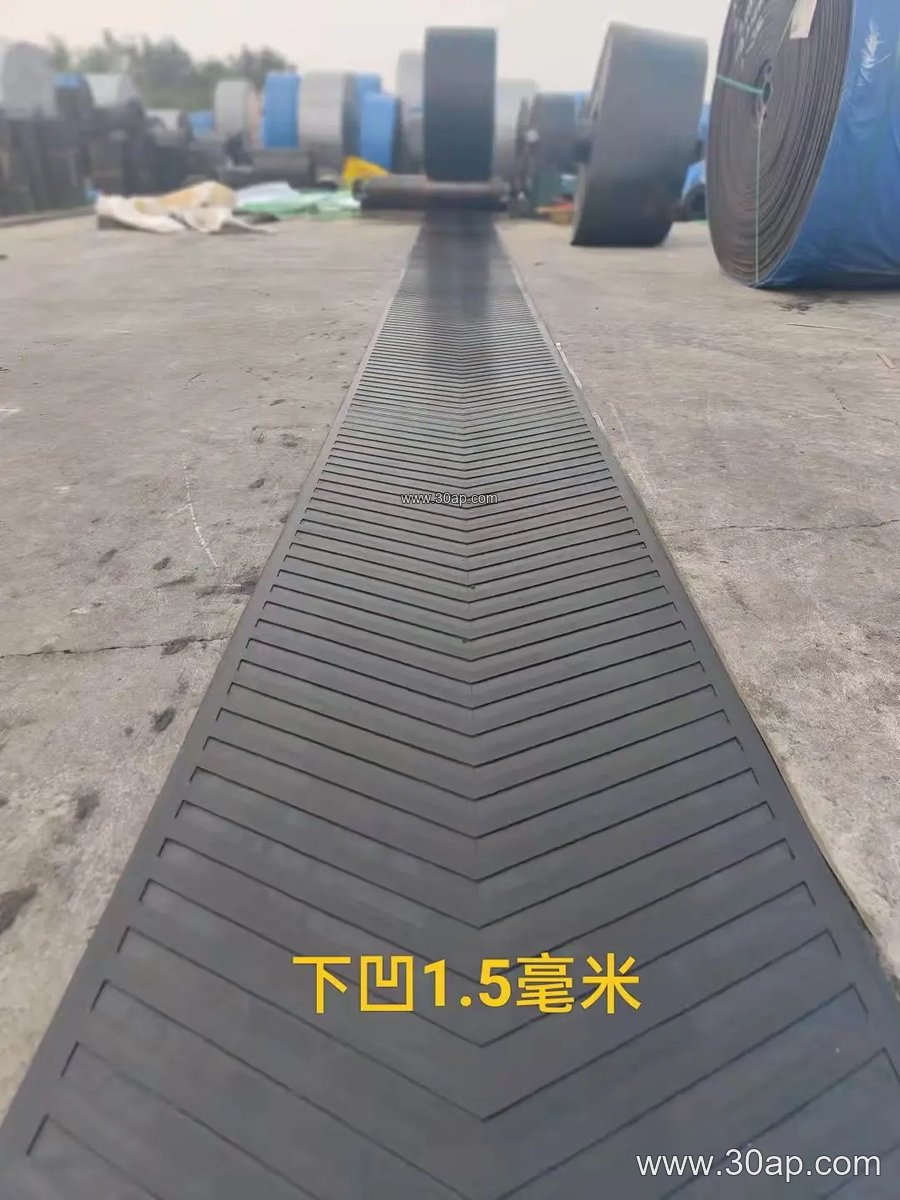
- Surface forms. Chevron conveyor belt profiles help hold material on inclines. Corrugated sidewall conveyor belt and skirted conveyor belt designs contain material at transfer points and on steep sections. Pipe conveyor belt encloses the load for dust control and route flexibility.
Reference Specifications for Ore Handling
The values below are common reference ranges, not fixed combinations. Final selection depends on tonnage, lump size, incline, pulley diameters and the duty cycle agreed with the belt manufacturer.
| Parameter | Typical reference values |
|---|---|
| Fabric core grades | EP200, EP315, EP400, EP500, EP630, EP800, EP1000, EP1250, EP1600, EP2000 |
| Steel cord grades | ST1000, ST1250, ST1600, ST2000, ST2500, ST3150 |
| Belt width | B500, B650, B800, B1000, B1200, B1400, B1600, B1800, B2000 |
| Cover thickness (top + bottom) | 3+1.5 mm, 4+2 mm, 5+2 mm, 6+2 mm, 8+3 mm |
| Carcass plies | Usually 2 to 6 layers for fabric cores |
A 1200mm wide conveyor belt with an EP1000 carcass and 6+2 mm covers is a frequent choice for medium-duty ore transport, while a 1800mm wide belt with a steel cord carcass may be used on high-capacity trunk lines. Width and pulley size are matched by the conveyor designer; one belt width does not dictate a single pulley diameter.
Where Ore Belts Are Used
These belts appear across mining and heavy industry. In a sand and gravel pit, an aggregate conveyor belt moves washed stone and sand. A crusher conveyor belt handles the discharge from a jaw or cone crusher, where impact resistant conveyor belt covers reduce damage from large lumps. Cement plants use them for limestone and clinker, power plants for coal, and ports for ship loading conveyor belt service. Underground coal mining conveyor belt systems rely on flame retardant and anti-static grades, while a gold mining conveyor belt or copper ore conveyor belt may need oil and chemical resistance in the processing circuit.
Buyer Checklist
- Confirm the peak tension and take-up travel so the carcass grade is not oversized or undersized.
- State the material size, moisture and temperature; these decide whether a standard, heat resistant or cold resistant cover is appropriate.
- Check pulley diameters, trough angle and transition distance, since a stiff heavy-duty belt needs generous bending radii.
- Decide on splicing: vulcanized endless conveyor belt splices are usual for permanent ore lines.
- Ask for the cover grade and carcass data in writing, and keep spare idler rollers and pulley lagging in stock.
For more information on matching an ore conveyor belt to your conveyor structure, visit ore conveyor belt and review the conveyor pulley and idler roller options together with the belt specification.