What a Rock Conveyor Belt Is
A rock conveyor belt is a heavy-duty rubber conveyor belt built to move blasted stone, crushed aggregate, ore and other abrasive bulk materials. It is the carrying surface of a conveyor system, running over idler rollers and driven by a conveyor pulley at the head end. In mines, quarries, cement plants and aggregate yards, this belt is often the hardest-working component in the line. The same product is also called a stone conveyor belt or aggregate conveyor belt, and it usually falls under the wider family of heavy-duty conveyor belt designs.
Construction and Materials
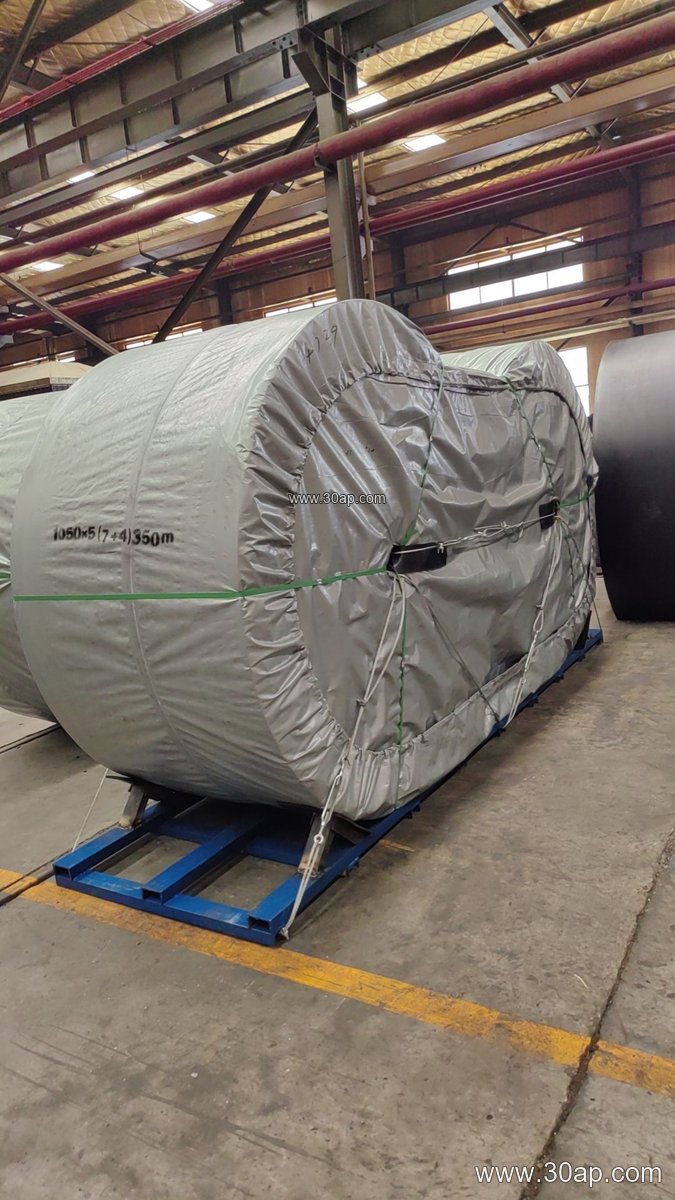
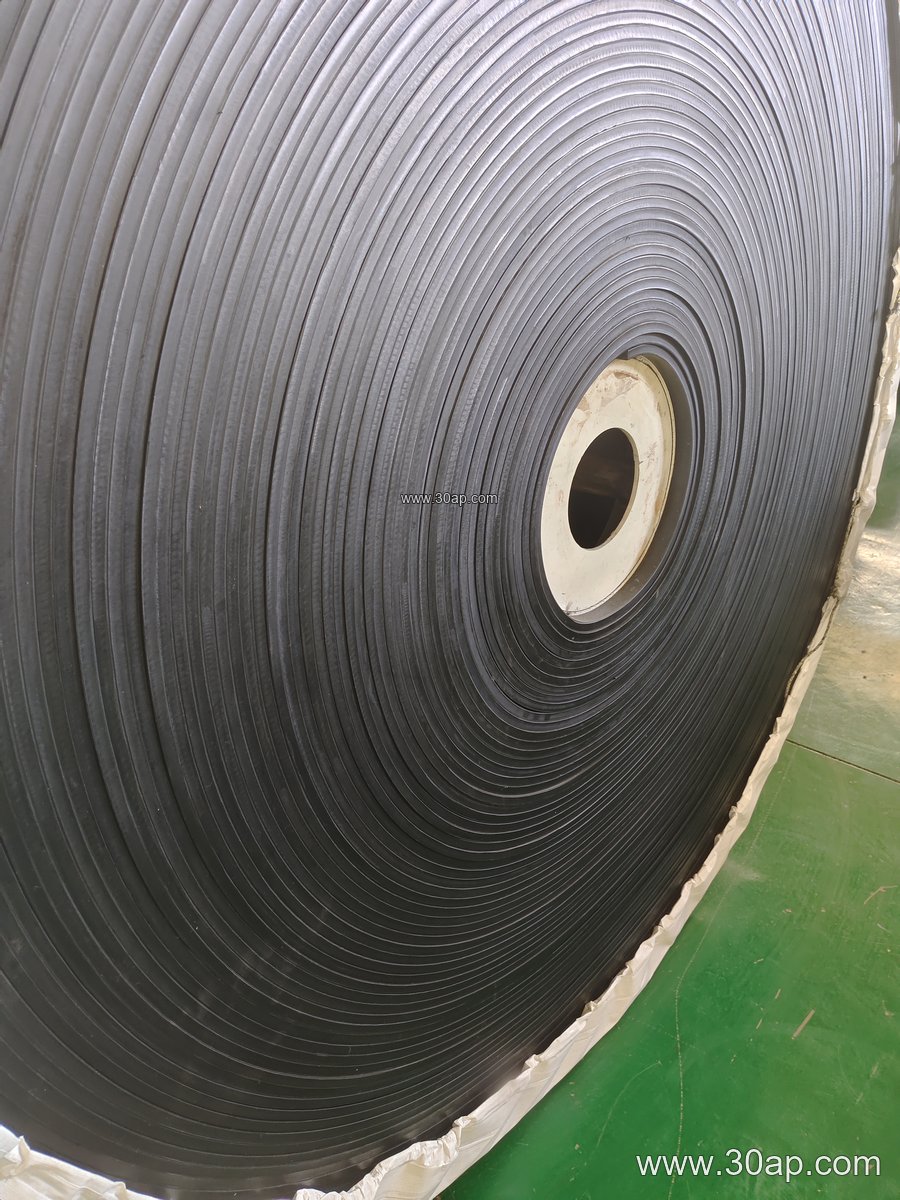
Most rock belts use a fabric core or a steel cord core. Fabric core types include EP conveyor belt (polyester warp, nylon weft) and NN conveyor belt (nylon warp and weft). Steel cord conveyor belt is chosen for very long runs and high tensions. The carcass is covered with rubber on both sides: a thicker top cover to resist cutting and abrasion, and a thinner bottom cover for pulley contact. Cover thickness is often written as top + bottom, for example 6+2 mm or 8+3 mm. Typical carcass constructions range from 2 to 6 plies, depending on load and impact.
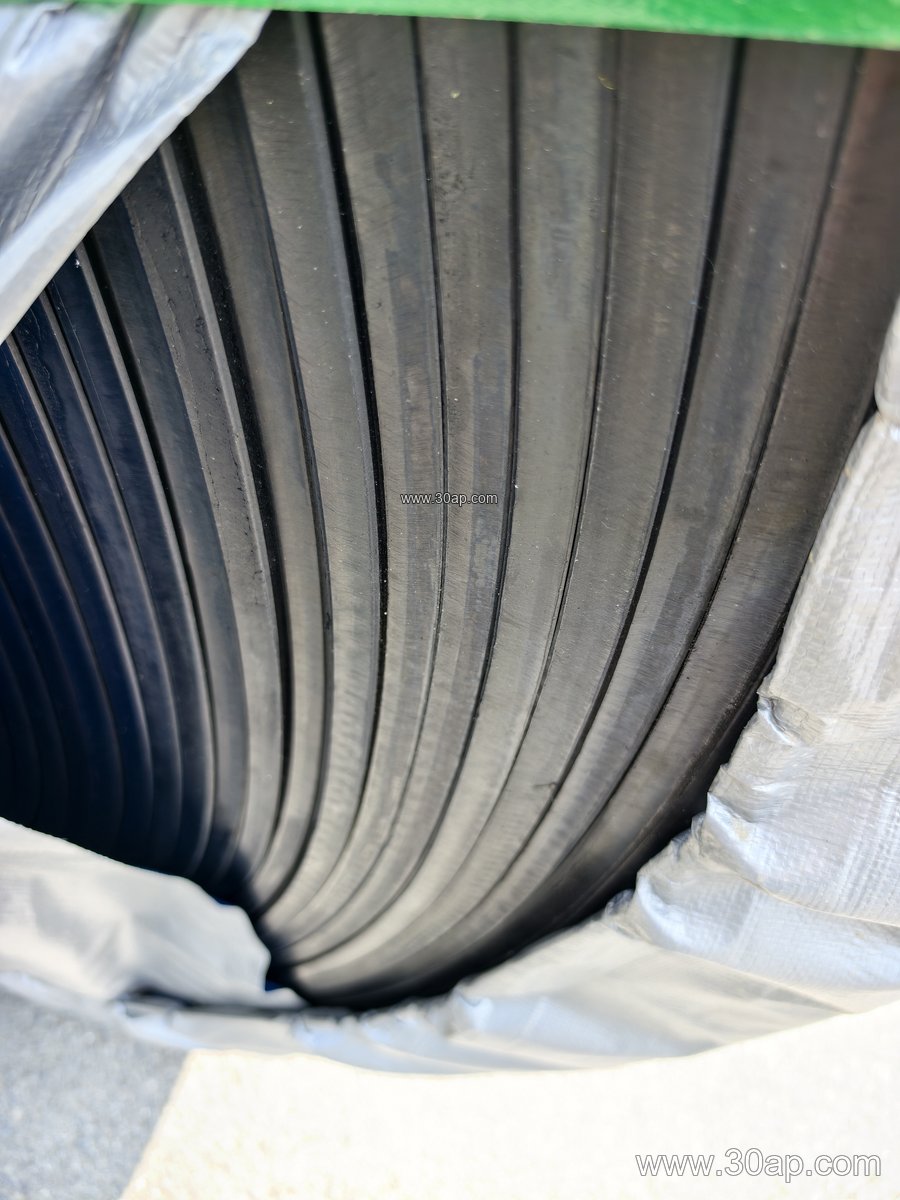
For rock handling, abrasion resistance is the main property. A high abrasion resistant conveyor belt grade resists gouging from sharp stone edges. Where oil or heat is present, oil resistant or heat resistant covers may be specified. In coal mines and enclosed plants, flame retardant conveyor belt and anti-static properties are often required by site rules.
Common Specifications
Rock belts are made in a range of strengths and widths. The table below shows common reference values; actual supply depends on the conveyor design and manufacturer.
| Property | Common range |
|---|---|
| Fabric core type | EP200, EP315, EP400, EP500, EP630, EP800, EP1000 |
| Nylon core type | NN100, NN200, NN300, NN400 |
| Steel cord type | ST1000, ST1250, ST1600, ST2000 |
| Belt width | B500, B650, B800, B1000, B1200, B1400, B1600, B1800, B2000 |
| Cover thickness | 3+1.5, 4+2, 5+2, 6+2, 8+3 mm |
| Ply count | 2 to 6 plies |
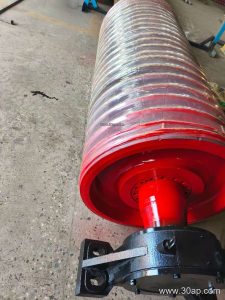
Width and strength are selected together with the conveyor pulley diameters and idler roller spacing. A wider belt does not automatically require a fixed pulley size; the drive, tail and bend pulleys are sized by the belt tension and shaft load, not by width alone. Chevron conveyor belt and corrugated sidewall conveyor belt are different subtypes used for inclined or steep haulage, and they are not replacements for a flat rock belt on a standard troughed conveyor.
Where It Is Used
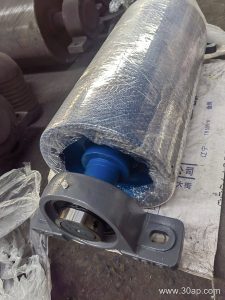
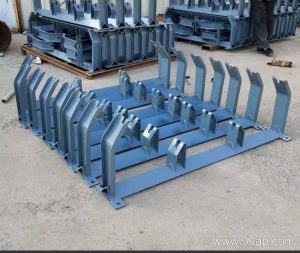
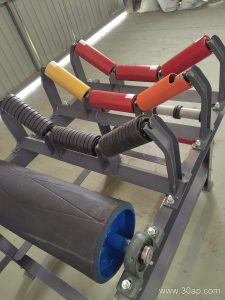
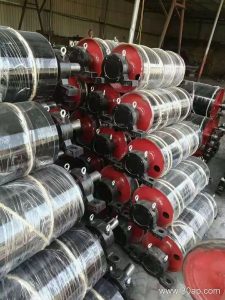
Typical duty points include primary crusher discharge, quarry stockpile conveyors, cement plant raw material lines, power plant coal yards and iron ore or copper ore handling. In these places the belt works with conveyor pulleys, idler rollers and conveyor brackets that must be matched to the belt’s tension and tracking behaviour. A rock belt in a sand making plant or stone crushing line often sees sharp, hot or wet material, so cover grade matters as much as tensile strength.
Buyer Checklist
- Define the material: lump size, abrasion level, moisture, oil content and temperature.
- State the required tensile strength and the number of plies or steel cord grade.
- Confirm belt width and cover thickness against the conveyor layout and pulley sizes.
- Ask for flame retardant or anti-static properties only if the site actually requires them.
- Check that the belt can be supplied endless or with the specified joint method.
- Review storage and splicing advice, because a rock belt is only as good as its splice.
For most quarry and mine operators, the right rock conveyor belt is a balance of abrasion resistance, tensile strength and cover thickness. Matching it to the pulley and idler system, and keeping the belt tracking correctly, extends service life more than any single specification.