What a Conveyor Bracket Does on the Line
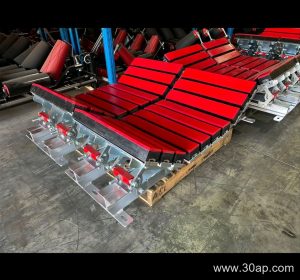
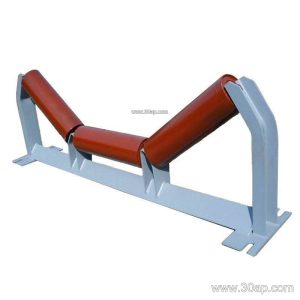
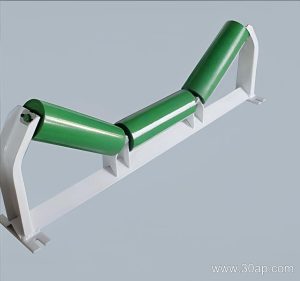
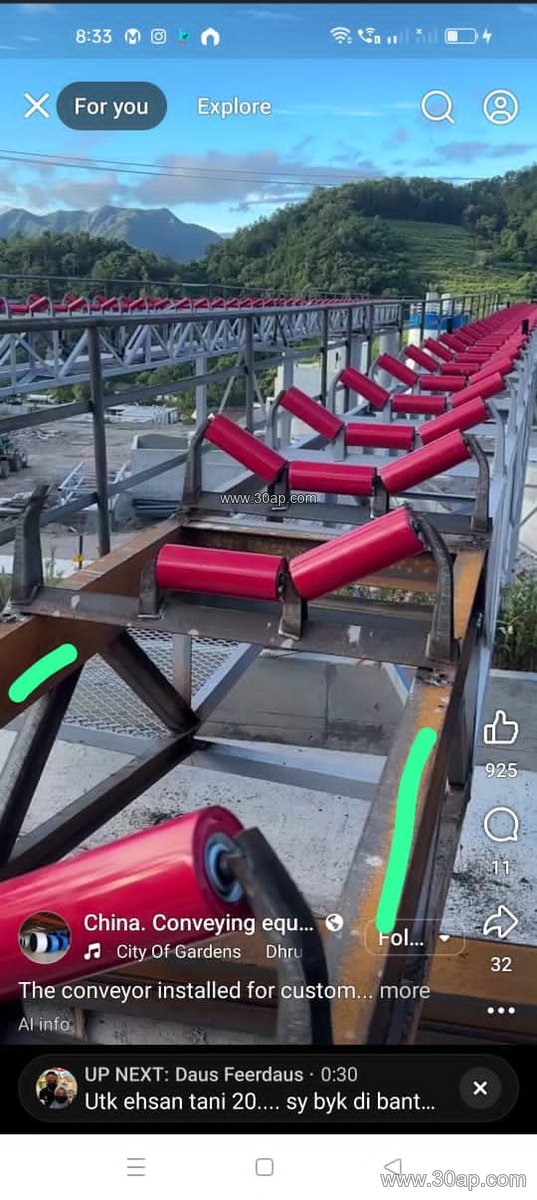
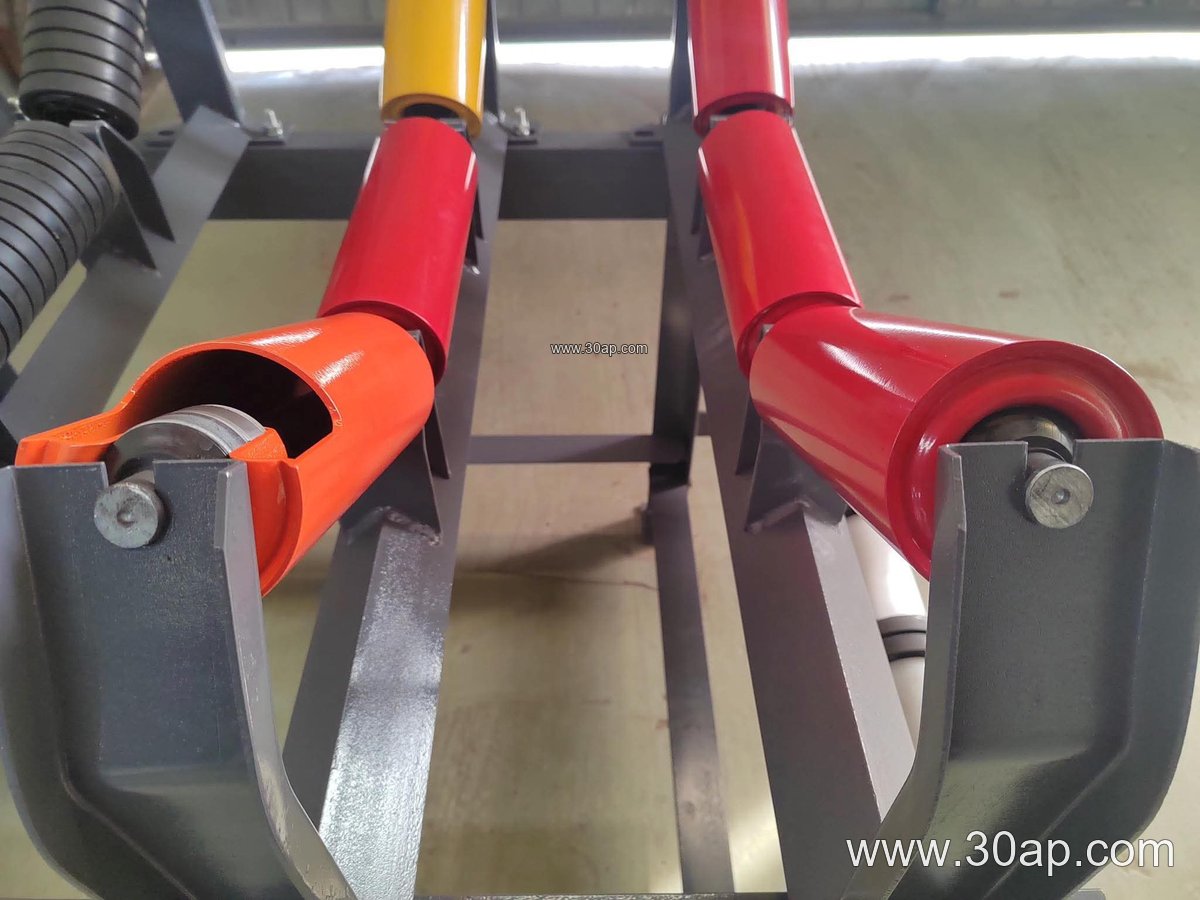
A conveyor bracket is the structural interface between the idler roller and the conveyor frame. It holds each roller at the correct height and trough angle so the belting keeps its shape under load. In a quarry, a cement plant, or a power plant coal yard, the bracket is often the part that decides whether a roller change takes minutes or hours. Procurement therefore focuses on fit, material, and repeatability rather than on the roller alone.
Buyers usually deal with two families. A fixed bracket locks the idlers at a set trough angle. An adjustable bracket lets maintenance staff tune that angle across a range. Both are common, and neither replaces the other. A heavy stone crushing line may prefer fixed geometry for stability, while a plant handling mixed materials may standardize on adjustable units to reduce spare-part variety.
Construction and Common Materials
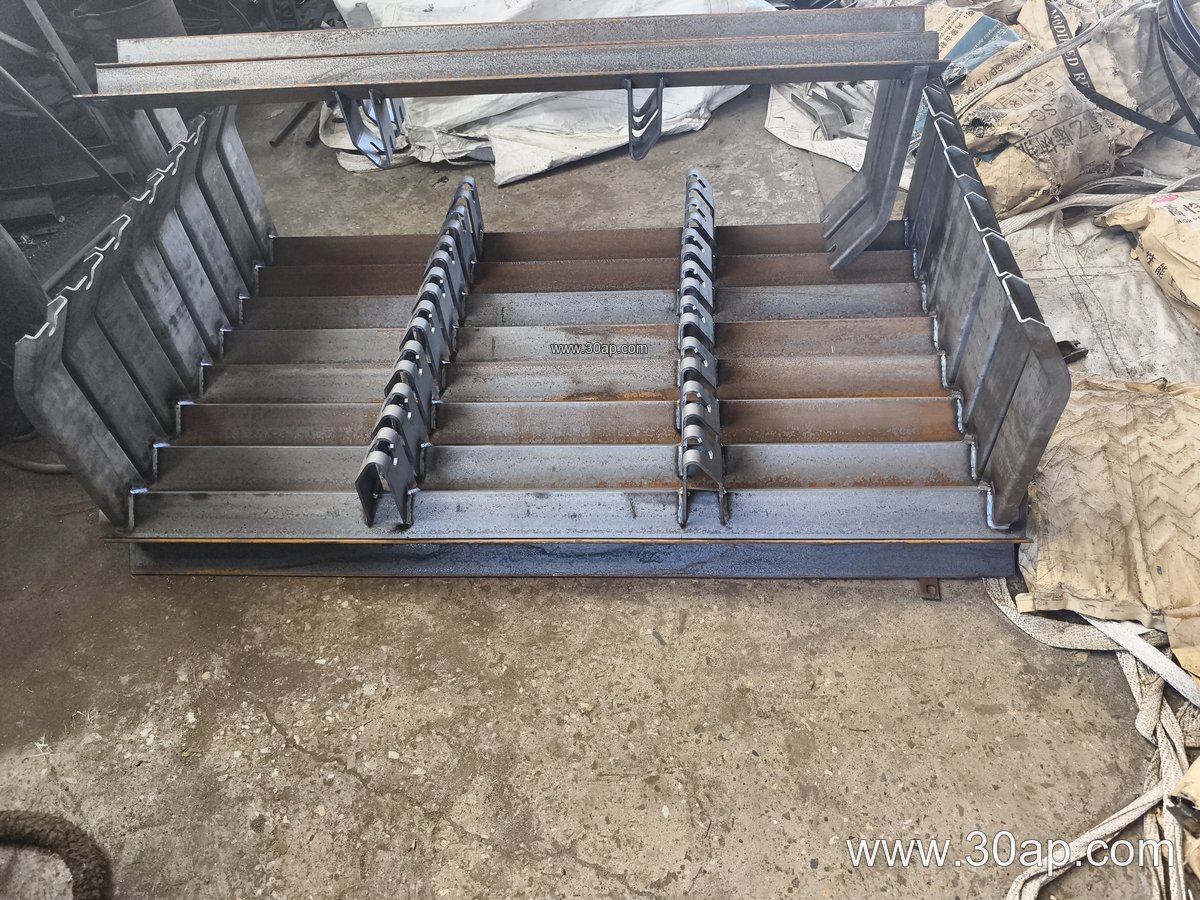
Most brackets are fabricated from angle steel, channel steel, or bent steel plate. The frame carries the mounting slots, and the crossbeam length follows belt width and trough angle, so it is determined by design rather than by a single catalog number. Powder coating or galvanizing is common in dusty or humid sites, and the hole pattern should match the idler shaft and the existing frame.
Mounting hole spacing and beam length are not fixed numbers. They change with belt width, trough angle, and roller diameter. A buyer should confirm these dimensions against the actual conveyor drawing before releasing a purchase order.
Matching Brackets to Belt Width and Roller Diameter
There is no rule that ties one belt width to one trough angle or one roller diameter. The table below shows combinations that appear in ordinary design practice; they are reference points, not mandatory pairings.
| Belt Width | Common Trough Angle | Typical Roller Diameter |
|---|---|---|
| B500 | 20° or 30° | Ø89 |
| B650 | 30° | Ø89 or Ø108 |
| B800 | 35° | Ø108 |
| B1000 | 35° or 45° | Ø108 or Ø133 |
| B1200 | 45° | Ø133 |
| B1400 | 35° or 45° | Ø133 or Ø159 |
| B1600 to B2000 | 35° or 45° | Ø159 or Ø194 |
Forward-leaning brackets usually sit at about 1.5° to 2°, which helps training on the carrying side. A V-return bracket supports the belt on the return run and is a different item from a flat return bracket, so the two should not be ordered interchangeably.
Where These Frames Are Used
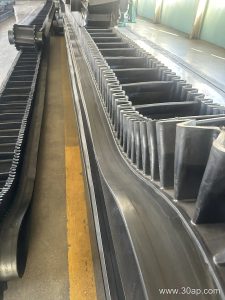
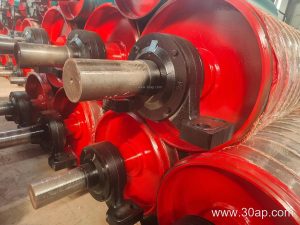
In a limestone quarry or an aggregate plant, trough brackets sit under a heavy-duty mining conveyor belt that carries sharp rock. In a coal washing plant, flame retardant conveyor belt runs over frames that must resist dust and occasional moisture. In both cases the bracket works together with the conveyor pulley at the drive and tail ends, and with the belting itself, to keep the load centered. A worn or misaligned bracket shows up quickly as edge wear on the belt and as uneven roller loading.
Related equipment such as the conveyor pulley and the idler roller should be specified in the same review, because shaft size and frame height are shared interfaces. For wider belts, an EP conveyor belt or a steel cord conveyor belt may be used depending on tension and impact, but the bracket selection still follows the frame drawing.
Procurement Checklist
- Confirm belt width, trough angle, and roller diameter against the conveyor layout.
- State whether the position is carrying, transition, return, or impact, and whether the bracket is fixed or adjustable.
- Provide the mounting hole pattern and crossbeam length from the drawing; do not assume a standard.
- Specify material and surface treatment for the site conditions.
- Check that the frame suits the roller shaft and that adjustable units cover the required angle range.
- Order brackets and idler rollers together so interfaces are verified once.
Good conveyor bracket procurement is mostly a matter of drawing discipline. When the angle, width, and hole pattern are confirmed before ordering, installation goes smoothly and the belt support system stays stable through the working shift.