What a Carbon Steel Idler Does on a Conveyor
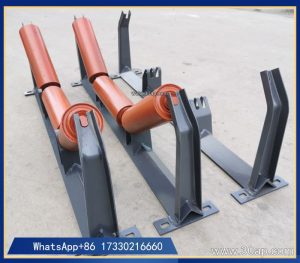
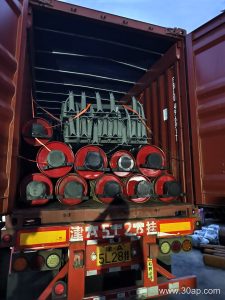
A carbon steel idler is the rotating support that carries the conveyor belt along its route. In a quarry, a coal handling plant, or a cement kiln feed line, these idlers sit under the loaded strand and keep the belt from sagging between the head and tail. The tube is normally made from carbon steel, which gives a good balance of stiffness, wear life, and cost for general bulk material handling.
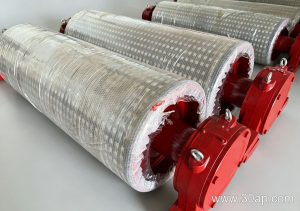
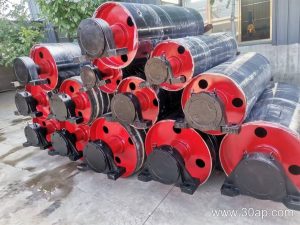
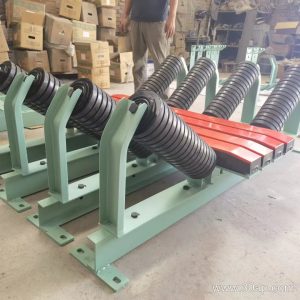
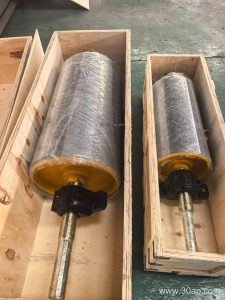
The idler roller works together with the conveyor belt, the conveyor pulley at each end, and the conveyor bracket that holds the assembly in place. Bearings are fitted inside the tube ends, and seals keep dust and fines away from the rolling elements.
How the Roller Is Built
Most carbon steel idlers use a seamless or welded steel tube with machined bearing housings at both ends. Common bearing sizes include 6204, 6205, 6305, 6306, 6308, and 6310. The shaft is fixed to the frame while the tube rotates, and the seal arrangement matters as much as the tube wall thickness.
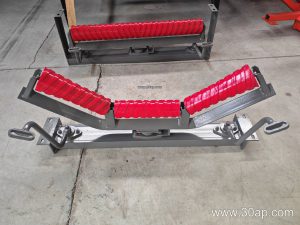
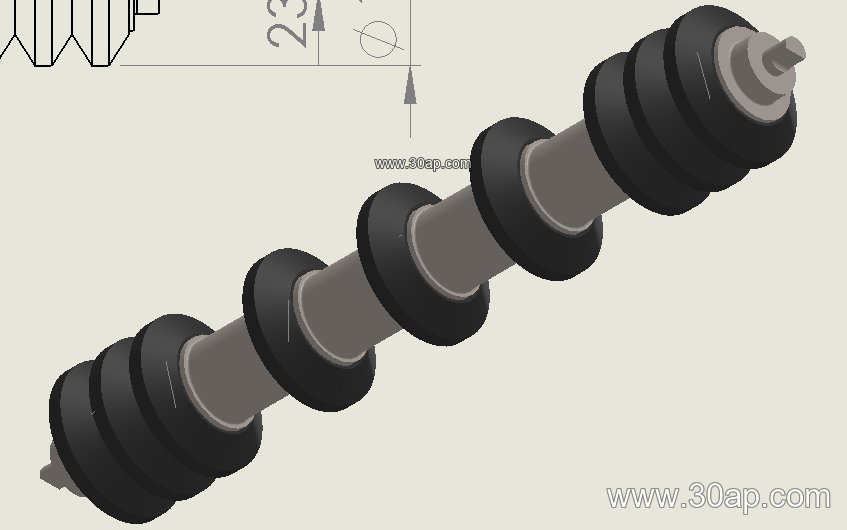
Surface options vary by duty. A plain steel tube suits clean, dry material. Rubber rings are added on buffer or impact positions where lumps fall onto the belt. Ceramic or nylon covers appear where sticking or abrasion is a concern. For a heavily loaded line, a three-roll troughing set at 20, 30, 35, or 45 degrees is common, while a flat return idler supports the empty strand.
Common Reference Dimensions
The table below shows typical reference values, not fixed supply rules. The roller length depends on belt width, trough angle, and roll arrangement.
- Roller diameter: Ø63, Ø76, Ø89, Ø102, Ø108, Ø127, Ø133, Ø159, Ø178, Ø194, Ø219
- Belt width: B400, B500, B650, B800, B1000, B1200, B1400, B1600, B1800, B2000
- Trough angle: 20°, 30°, 35°, 45°
- Common bearing: 6204, 6205, 6305, 6306, 6308, 6310
For example, a three-roll troughing set on a B800 belt often uses a roll length near 315 mm, and a B1200 set near 465 mm. These are common examples only; side rolls and center rolls can differ, and the final length is set by design.
Where Carbon Steel Idlers Fit
In a limestone quarry or an aggregate line, troughing idlers carry crushed rock at high tonnage, so abrasion resistance in the tube and good sealing are the main concerns. In a coal washing plant or a power station coal yard, the idler must cope with fines and moisture, and a flame retardant conveyor belt is often used alongside it for safety.
At a copper or iron ore transfer point, impact idlers with rubber rings protect the belt where ore drops from a chute. On the return run, V-type return idlers help keep the belt centered. A self-aligning idler is used where the belt tends to wander. The idler roller is a small component, but its condition affects the whole conveyor, including the conveyor pulley and the belt itself.
Choosing the Right Idler for the Duty
Start with the belt width and the material being carried. A wide belt on a heavy-duty mining conveyor needs a larger roller diameter and a stronger bearing than a light sand line. Check the trough angle because it changes the roll length and the belt contact pattern. Confirm the shaft fixing and the conveyor bracket dimensions before ordering, since frame spacing differs between conveyors.
Sealing and bearing class deserve attention in dusty sites. A well-sealed idler lasts longer in a stone crushing plant or a cement plant, where fine dust is constant. If the belt is a heat resistant conveyor belt or an oil resistant conveyor belt, check that the idler surface and seals are compatible with the operating temperature and any oil carryover.
Installation and Maintenance Notes
Align the idler frame square to the belt centerline. A misaligned set will cause edge wear and belt tracking problems. Keep the rolls turning freely; a seized idler can wear through the belt cover quickly and load the conveyor pulley unevenly. Inspect for build-up on the shell, damaged seals, and noisy bearings.
Spare idlers should match the original diameter, length, and bearing size. On a long overland line carrying bulk material, keeping a few spare rolls on site reduces downtime. For more information on idlers, belts, and pulleys, visit china-conveyorbelt.com and review the matching components before placing an order.