What a Self-Aligning Idler Bracket Does
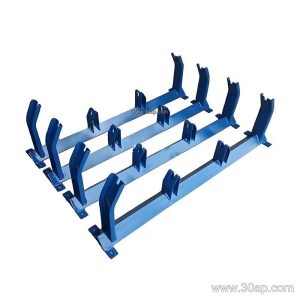
A self-aligning idler bracket is a pivoting support that holds conveyor idler rollers and automatically corrects belt misalignment. Unlike fixed brackets, it reacts to the belt’s drift by turning slightly, which steers the belt back toward the center line. In quarry and aggregate lines, this simple mechanical response reduces edge damage and spillage without constant manual adjustment.
Construction and Mounting
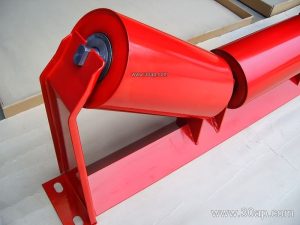
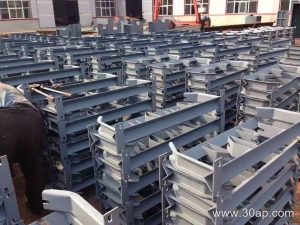
The bracket typically consists of a base plate, a pivot shaft, and a carrying frame that accepts standard idler rollers. Materials are often angle steel, channel steel, or folded steel plate, selected for stiffness and weldability. The pivot allows a few degrees of rotation, enough to create a steering effect through the idler. Mounting holes and crossbeam length are determined by belt width, trough angle, and roller diameter, not by a single universal pattern.
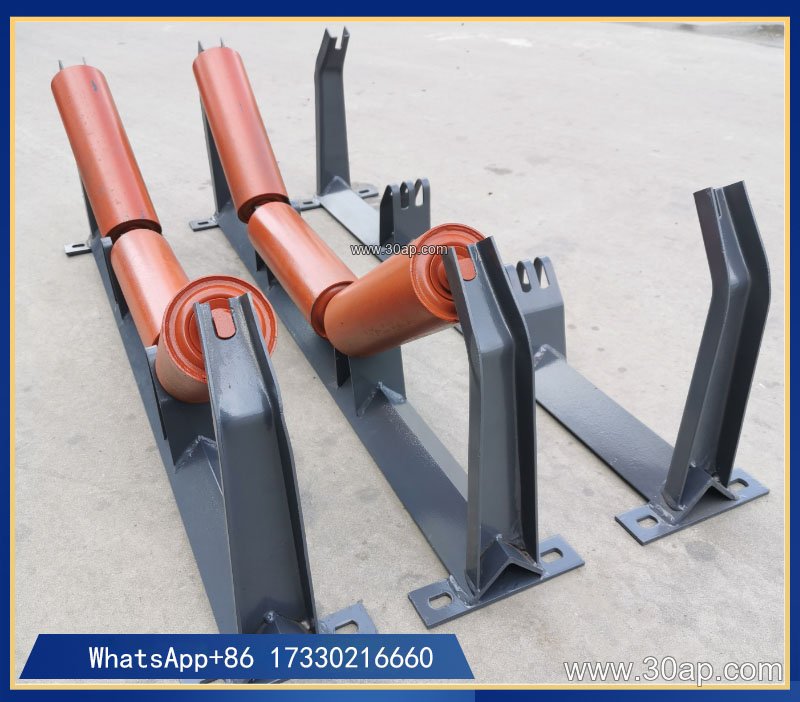
Where It Fits in a Conveyor
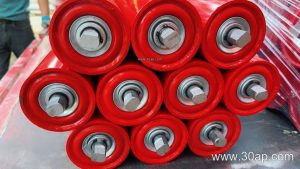
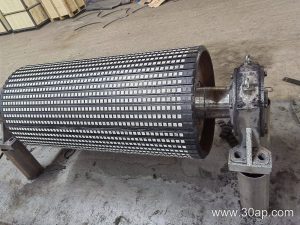
These brackets are common on the carrying side, especially in the transition zone after loading points where the belt is most likely to wander. They also appear on the return side in V-return or flat-return arrangements. A self-aligning bracket is not a substitute for a drive pulley, tail pulley, or bend pulley; those components handle power transmission and direction changes. It works alongside conveyor idler rollers and the conveyor belt itself, and it may be paired with a conveyor bracket of a different type only where the layout calls for fixed support.
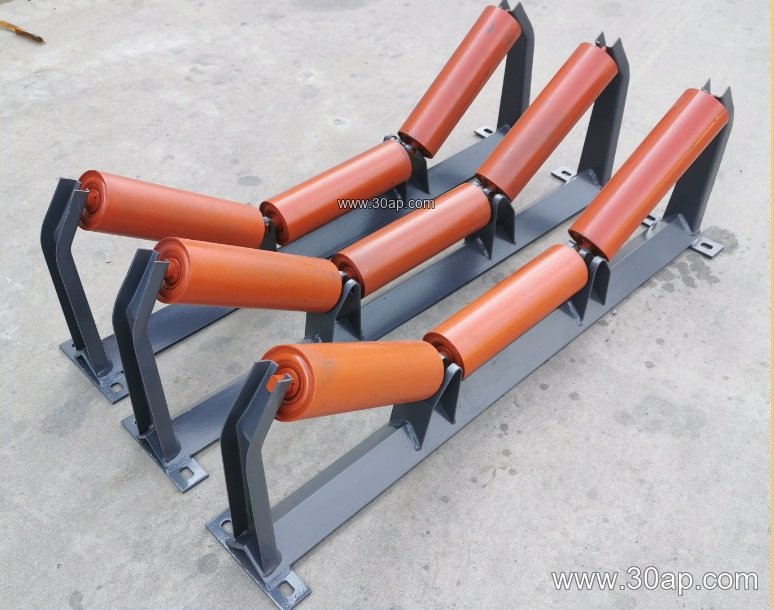
Typical Sizes and Configurations
Common belt widths for self-aligning brackets include B500, B650, B800, B1000, B1200, B1400, B1600, B1800, B2000, B2200. Trough angles are usually 20, 30, 35, or 45 degrees, and adjustable versions can move between these angles. Roller diameters often range from Ø89 to Ø194. The table below shows reference combinations; actual selection depends on load, belt speed, and structural design.
| Belt Width | Trough Angle | Roller Diameter |
|---|---|---|
| B650 | 30° | Ø89 |
| B800 | 35° | Ø108 |
| B1000 | 35° | Ø133 |
| B1200 | 45° | Ø133 |
| B1400 | 45° | Ø159 |
| B1600 | 45° | Ø159 |
These are common reference values, not fixed pairings. A wider belt does not automatically require a specific trough angle, and shaft diameter must be confirmed from the idler and bracket design rather than inferred from belt width alone.
Selection and Maintenance Notes
Buyers should confirm the belt width, trough angle, roller diameter, and mounting hole spacing before ordering. Adjustable brackets offer flexibility during commissioning, while fixed brackets suit layouts where the belt path is already stable. In dusty or wet conditions, keep the pivot free of buildup so the self-aligning action remains responsive. Inspect welds and pivot wear periodically, especially in primary crushing and screening areas where impact and vibration are present.
Industry Applications
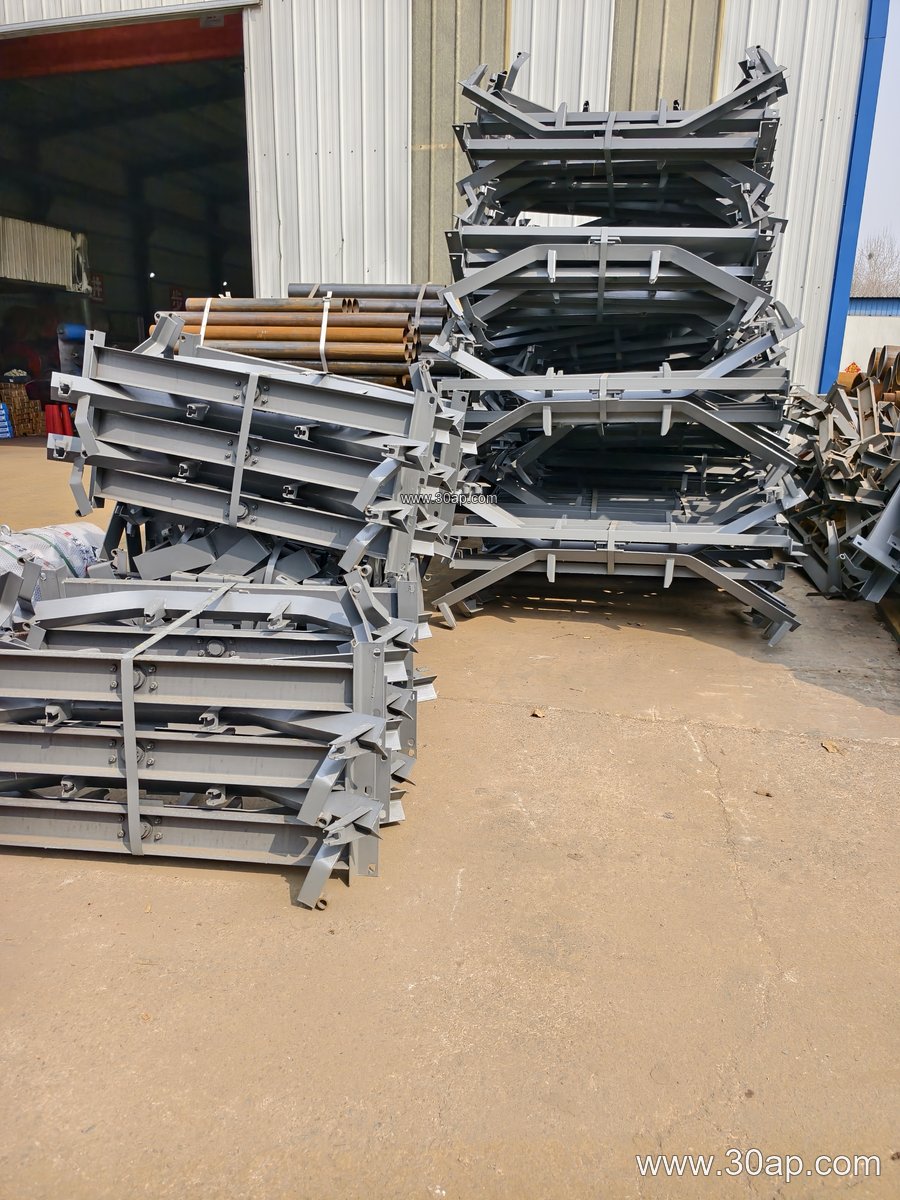
Self-aligning idler brackets are used in limestone quarries, iron ore operations, coal washing plants, cement plants, power plant coal handling, and port bulk terminals. They are equally relevant on belts carrying abrasive or heavy loads, such as those using abrasion resistant conveyor belt or heavy-duty mining conveyor belt. In coal mining, flame retardant conveyor belt and anti-static conveyor belt are often specified, and the bracket must be compatible with the idler frame and belt tracking needs of that environment. For long overland systems, steel cord conveyor belt may be used, while fabric core options like EP conveyor belt or NN conveyor belt appear in many plant conveyors.
For more information on conveyor belt, idler roller, and conveyor pulley selection, visit our site at www.example.com/conveyor-belt and www.example.com/idler-roller. Proper bracket choice supports belt life and reduces downtime across aggregate, cement, and power generation facilities.