What a Mining Belt Conveyor Pulley Does
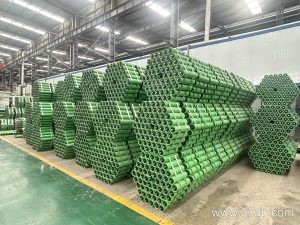
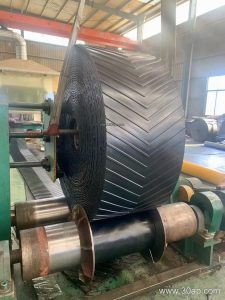
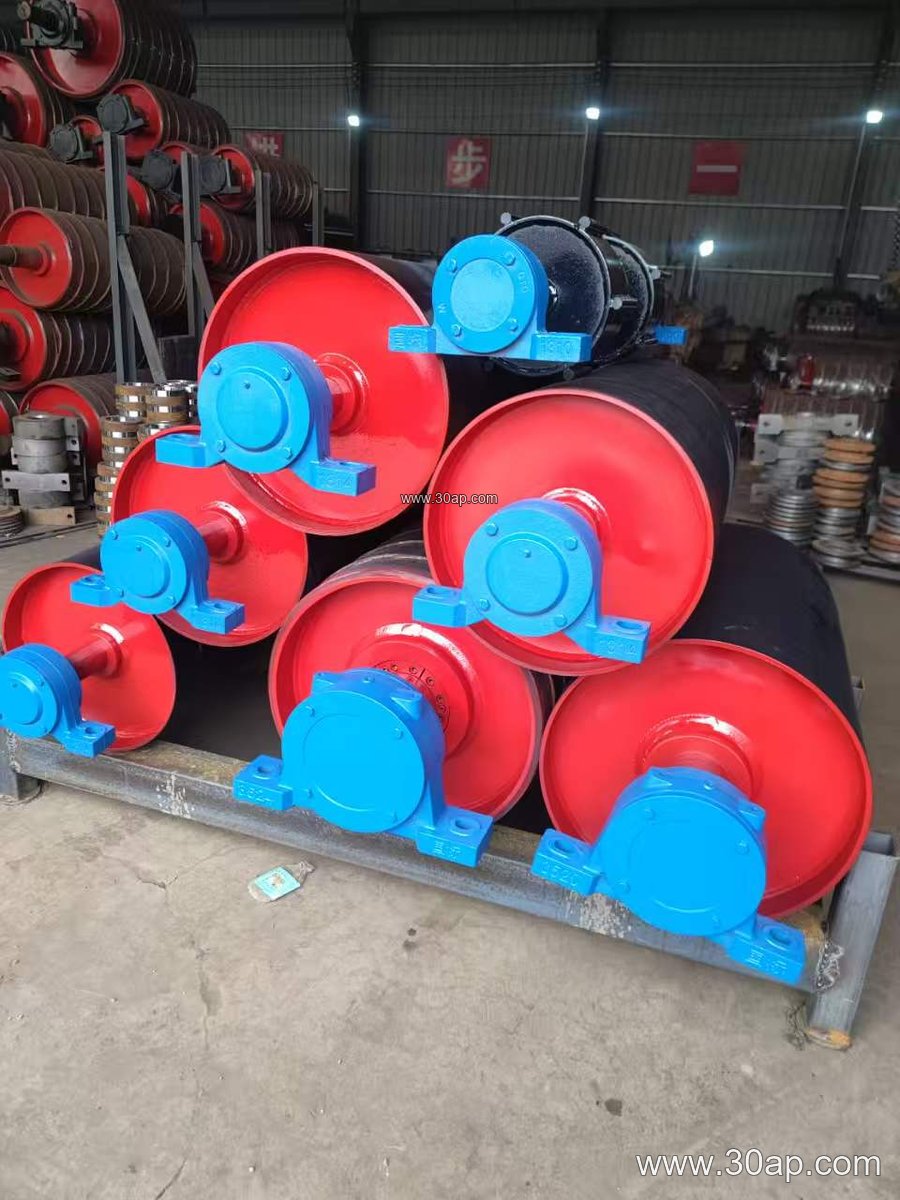
A mining belt conveyor pulley is the cylindrical component that drives, tensions, or redirects the conveyor belt in bulk material handling systems. In quarry, iron ore, and coal mining operations, these pulleys work with idler rollers and conveyor brackets to keep the belt tracking and carrying material efficiently. While drive pulleys transmit power and tail pulleys provide tension, bend pulleys change belt direction without driving it. Each subtype serves a distinct function and should not be considered interchangeable.
Construction and Surface Options
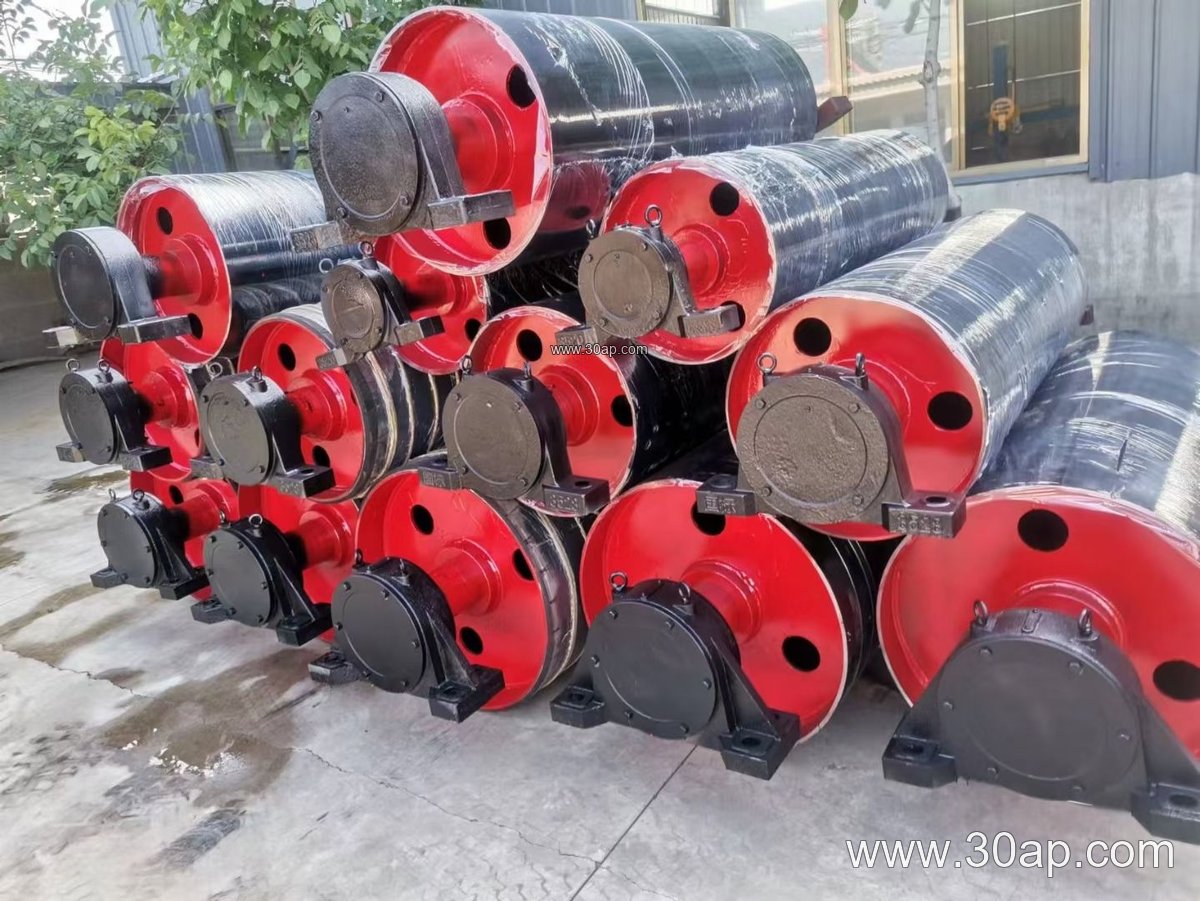
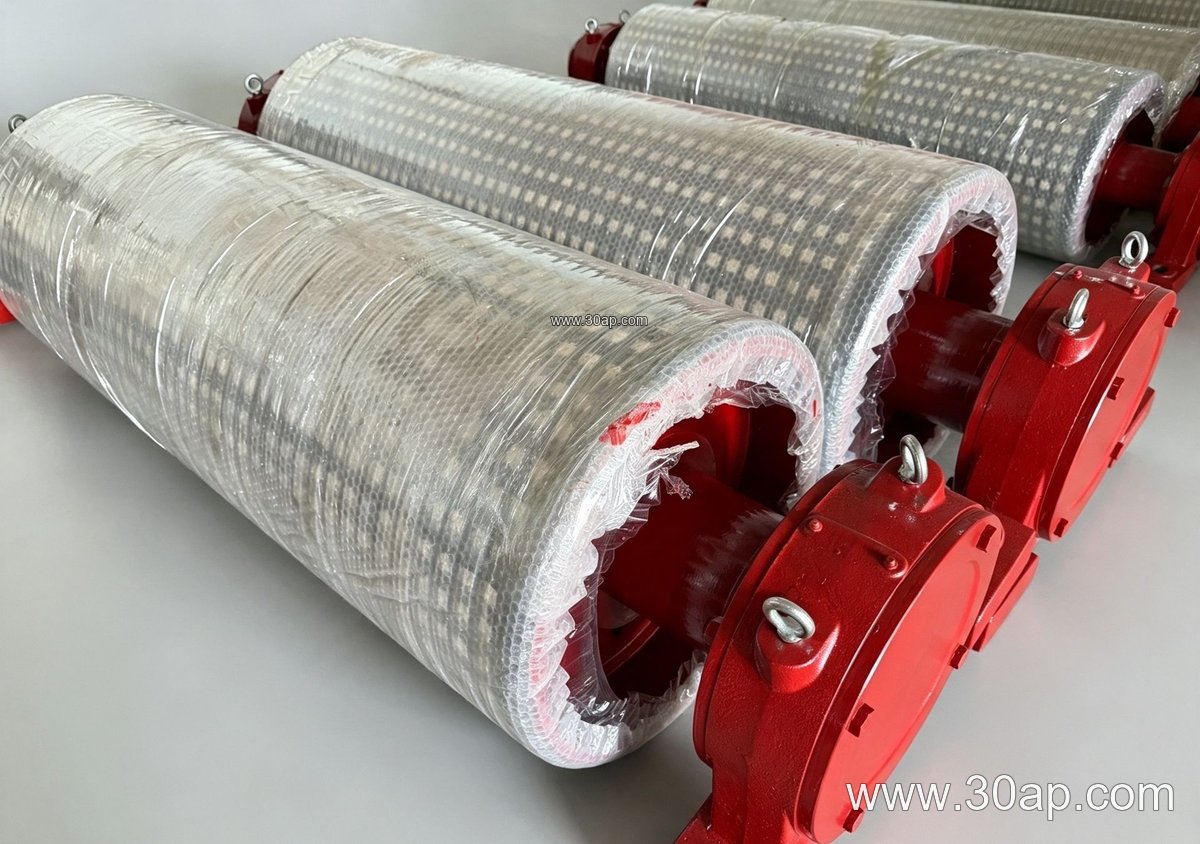
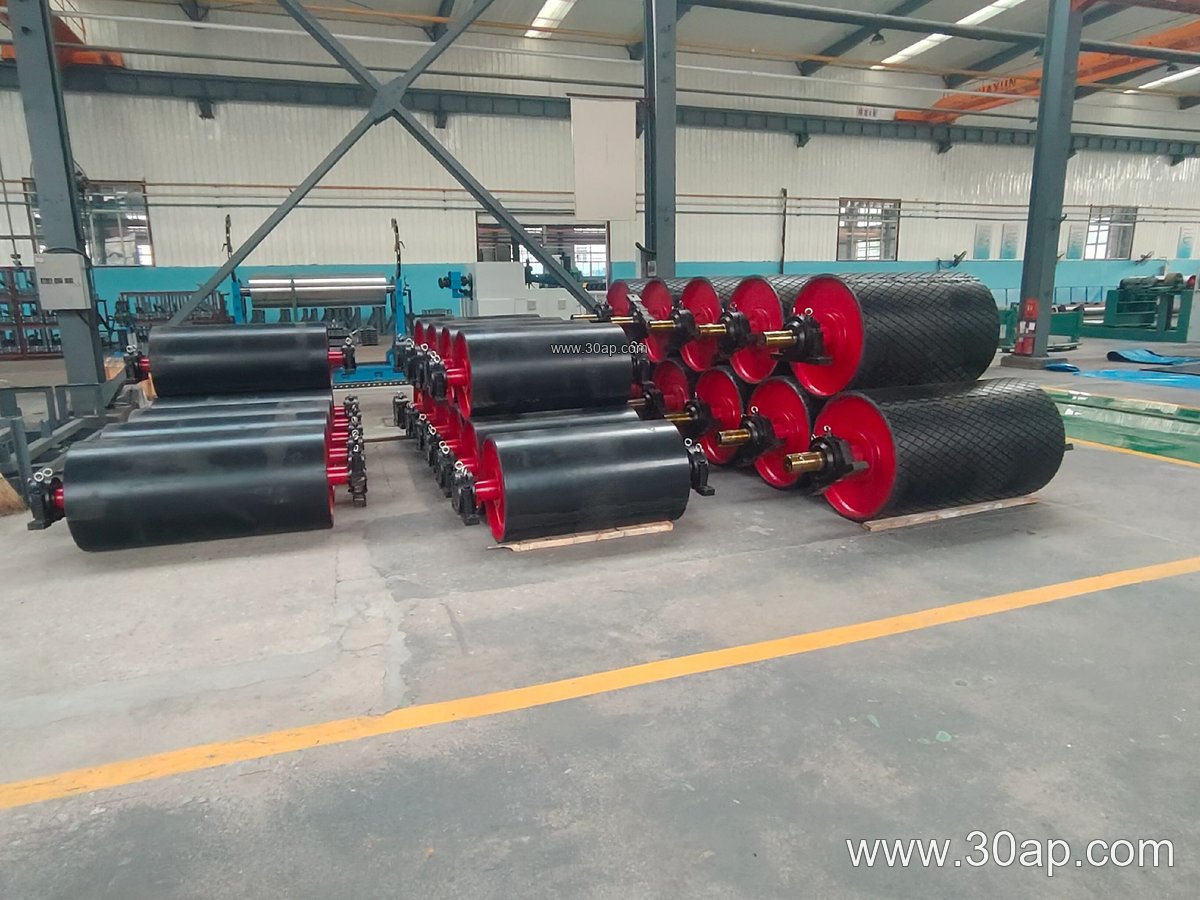
The pulley body is typically fabricated from steel tube or plate, with shafts sized by torque and load rather than belt width alone. Common shaft diameters include Ø50, Ø80, Ø120, and Ø160 mm, but final selection depends on the drive design. Surface treatment is critical for grip and wear life. Plain steel, cast rubber, cold-bonded rubber, hot-vulcanized rubber, diamond grooving, herringbone grooving, and ceramic lagging are all available. Lagging thickness commonly ranges from 8 mm to 20 mm. For dusty quarry or aggregate lines, diamond or herringbone lagging helps shed material and improve traction. In coal mining, flame retardant conveyor belts and anti-static properties are often specified alongside the pulley’s rubber lagging to meet safety requirements.
Matching Pulley to Belt Width
Pulley face width usually exceeds belt width to ensure full support. For example, a B800 belt typically pairs with a pulley face around 950 mm, while a B1200 belt may use a 1400 mm face. These are reference values, not fixed rules. A B1200 × Ø1000 drive pulley and a B800 × Ø500 tail pulley are common combinations, but the same belt width can accept different pulley diameters depending on tension and wrap angle. When selecting a pulley for a 1200mm wide conveyor belt or a 1500mm wide conveyor belt, consider the required shaft diameter separately from the face width. Never assume a fixed shaft size from belt width alone.
Where These Pulleys Are Used
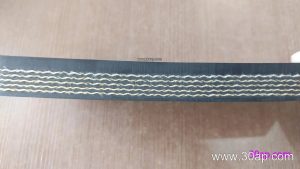
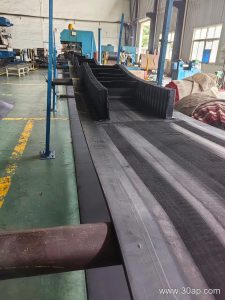
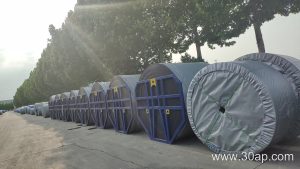
In a limestone quarry, the head pulley discharges crushed rock onto a transfer conveyor, while a bend pulley routes the return belt. In a coal preparation plant, flame retardant conveyor belts work with lagged drive pulleys to handle wet, abrasive coal. Cement plants use pulleys on clinker and raw meal conveyors, where heat resistant conveyor belts may be needed near kiln discharge. Power plant coal handling, port bulk terminals, and aggregate crushing circuits all rely on properly specified pulleys to maintain belt tension and alignment. The pulley must suit the conveyor belt type — whether EP conveyor belt, NN conveyor belt, or steel cord conveyor belt — because different belt constructions affect the required traction and pulley diameter.
Buyer Checklist
- Confirm the pulley’s position: drive, tail, bend, take-up, or snub. These are not interchangeable names.
- Specify belt width (B400 to B2400) and required face width, but do not treat them as a fixed pairing.
- Choose lagging type and thickness (8–20 mm) based on material abrasiveness and moisture.
- Provide the actual shaft diameter needed for torque and load; do not derive it from belt width.
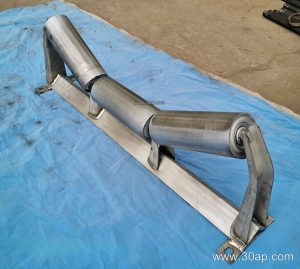
- Check compatibility with the conveyor belt, idler roller, and conveyor bracket layout.
- For underground coal mining, confirm flame retardant and anti-static requirements for both belt and lagging.
Whether the application is a gold mining conveyor belt line or a simple aggregate conveyor belt, the pulley must be selected as part of the whole system. A well-matched mining belt conveyor pulley reduces belt wear, improves tracking, and keeps material moving from crusher to stockpile.