What a High Temperature Conveyor Belt Does
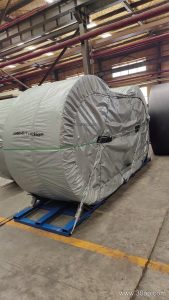
A High Temperature Conveyor Belt is built to carry hot bulk materials without the cover hardening, cracking, or separating from the carcass too early. In cement plants, steel mills, power plants, and sinter or clinker lines, the belt often faces material that leaves the kiln or furnace at temperatures well above what a standard rubber belt can tolerate. The same belt family is also used in some quarry and mining circuits where processed material stays warm after crushing or drying.
This is not simply a thicker rubber cover. Heat resistance comes from the compound, the carcass choice, and the way the belt is cured. A Heat Resistant Conveyor Belt may look similar to an ordinary EP belt from the outside, but the cover and the bond between plies are designed for repeated thermal cycling.
Construction and Common Configurations
Most hot-material belts use a fabric core, often an EP Conveyor Belt carcass or an NN Conveyor Belt carcass, because these handle impact and flexing well. For very long, high-tension lines, a Steel Cord Conveyor Belt may be chosen, but the cover still has to match the temperature. The cover grade is the key detail: buyers usually ask for a heat-resistant compound rather than a standard Abrasion Resistant Conveyor Belt cover.
Typical reference data, to be confirmed with the supplier for each order, looks like this:
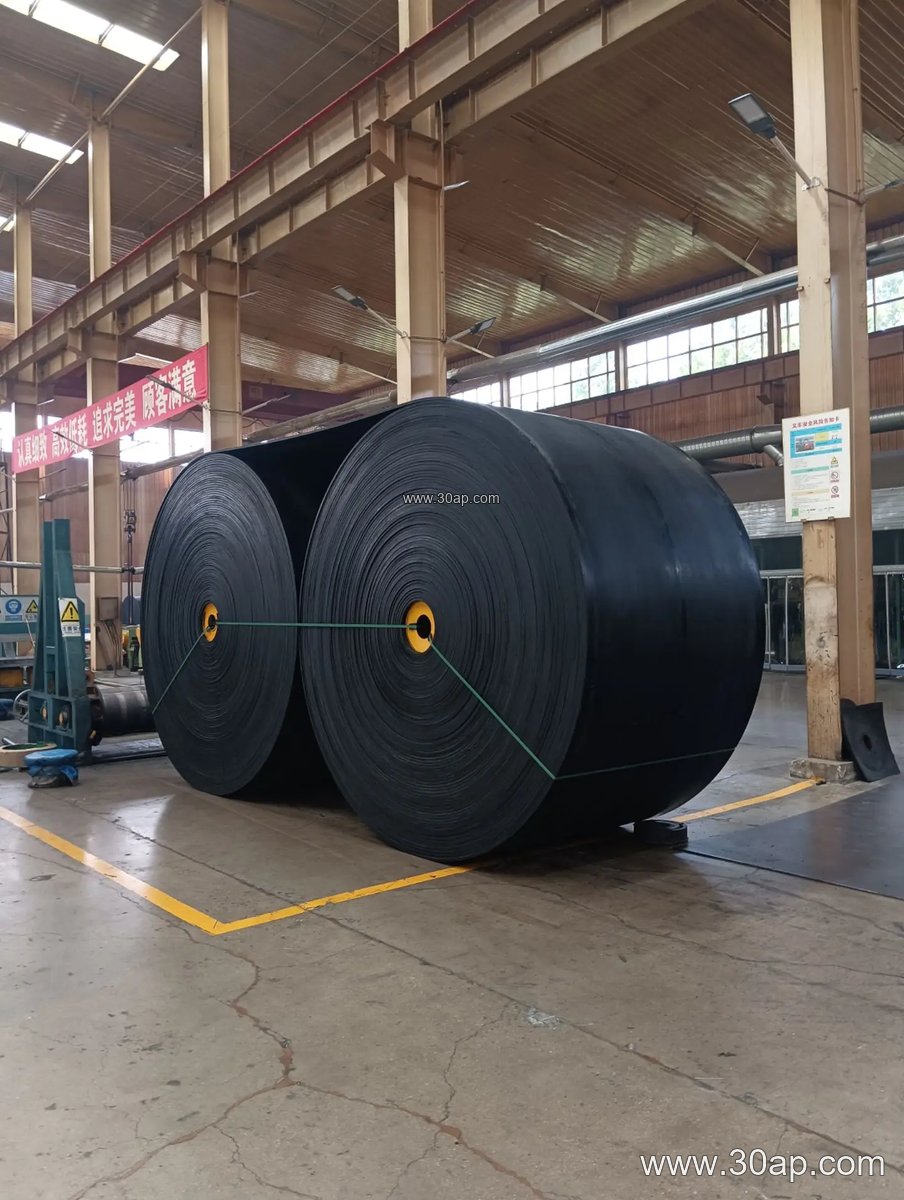
- Common carcass types: EP, NN, steel cord
- Typical strength range for fabric cores: EP200 to EP1000 or higher
- Common belt widths: B500, B650, B800, B1000, B1200, B1400, B1600
- Cover thickness examples: 4+2 mm, 5+2 mm, 6+2 mm, 8+3 mm
- Common ply counts: 2 to 6 layers
These values are reference points, not fixed rules. A cement plant moving clinker may use a different cover thickness from a steel plant handling sinter, even at the same belt width.
Where It Fits in the Plant
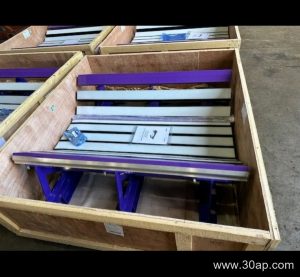
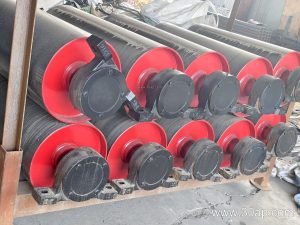
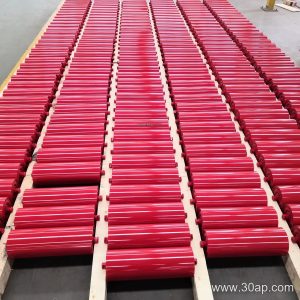
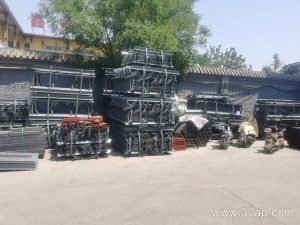
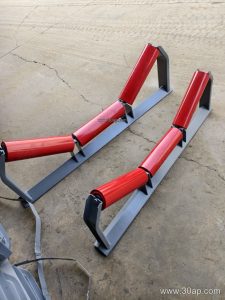
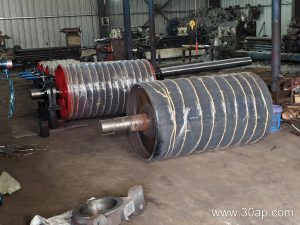
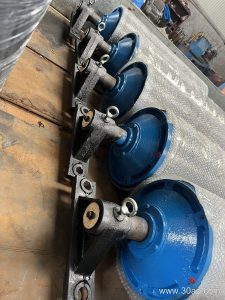
Hot belts appear in cement kiln discharge lines, clinker coolers, coke and sinter transport, boiler ash handling, and some foundry or smelting operations. They run on the same structure as other belts, supported by idler rollers and trained around a conveyor pulley at the head and tail. The conveyor bracket and frame should allow for thermal expansion, and the pulley lagging should be checked for heat tolerance as well.
In a Cement Plant Conveyor Belt circuit, a hot belt may feed a crusher, so impact resistance matters alongside heat resistance. In a Power Plant Conveyor Belt line, ash or hot fuel handling can combine heat with abrasion. Where the material is also oily, an Oil Resistant Conveyor Belt cover may be needed, but heat and oil resistance together should be confirmed as a combined grade.
Buyer Checklist
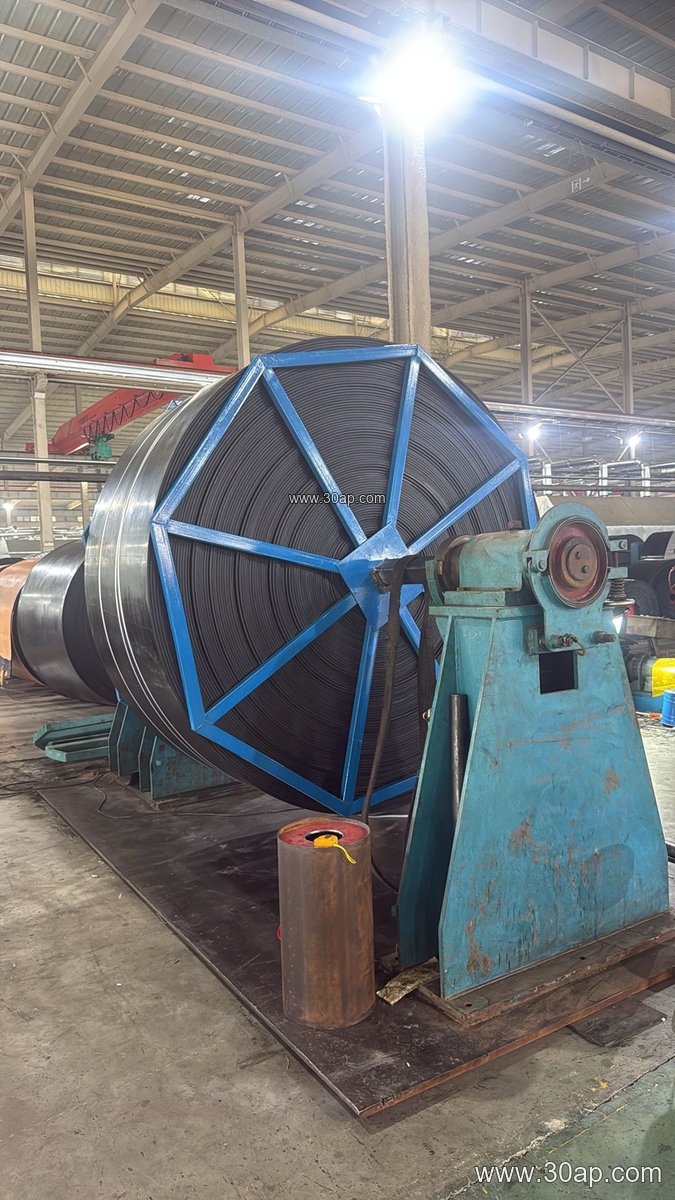
Start with the real material temperature and how long the belt sits under the hot load. A belt that only sees short bursts of heat is different from one that carries hot material continuously. Ask for the cover grade, carcass type, ply count, and cover thickness in writing. Confirm the belt width, for example B1000 or B1200, against the existing pulley face and frame, but do not assume one belt width fixes one pulley diameter.
Also check:
- Whether flame resistance is required alongside heat resistance, such as a Flame Retardant Conveyor Belt grade for coal or coke service
- Whether the line needs a Corrugated Sidewall Conveyor Belt or Skirted Conveyor Belt to contain hot material on an incline
- Whether spillage and dust call for a covered belt or better sealing
- Whether the return side needs heat protection from radiant heat
For a hot clinker or sinter line, a chevron or cleated design can help on slopes, but the cleat compound must also be heat rated. Do not substitute a standard Chevron Conveyor Belt without checking the temperature limit.
Installation and Maintenance Notes
Alignment matters more on hot belts because heat cycling can make a belt track poorly. Keep idler rollers turning freely and check the conveyor pulley lagging for glazing or cracking. Avoid sudden cold water on a hot belt during cleaning, since thermal shock can damage the cover. Store spare belt away from direct sunlight and heat sources, and follow the supplier’s splice method for the specific carcass.
When ordering, describe the duty in plain terms: material, temperature, width, strength, and cover grade. A well-matched High Temperature Conveyor Belt will last longer than a general-purpose belt pushed beyond its heat limit, and it keeps the whole conveyor line running with fewer stoppages.