What a Large Conveyor Pulley Does in a Heavy Belt Line
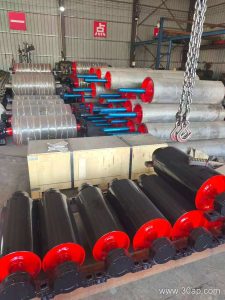
A large conveyor pulley is the main rotating drum at the ends of a conveyor structure, and it is the component that transfers motion to the conveyor belt or redirects it under load. In a quarry, a limestone mine, or a cement plant clinker line, the head pulley is usually the largest drum on the machine because it carries the highest belt tension and drives the belt forward. The same product family includes tail pulleys, bend pulleys, and take-up pulleys, but each position has its own job. A drive pulley grips and pulls; a tail pulley supports the returning belt; a bend pulley changes belt direction without driving. These are not interchangeable, and a buyer should always state the position when requesting a large drum.
Construction and Surface Options
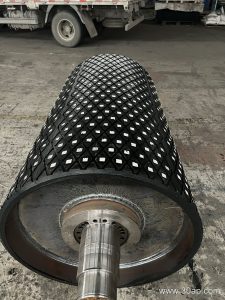
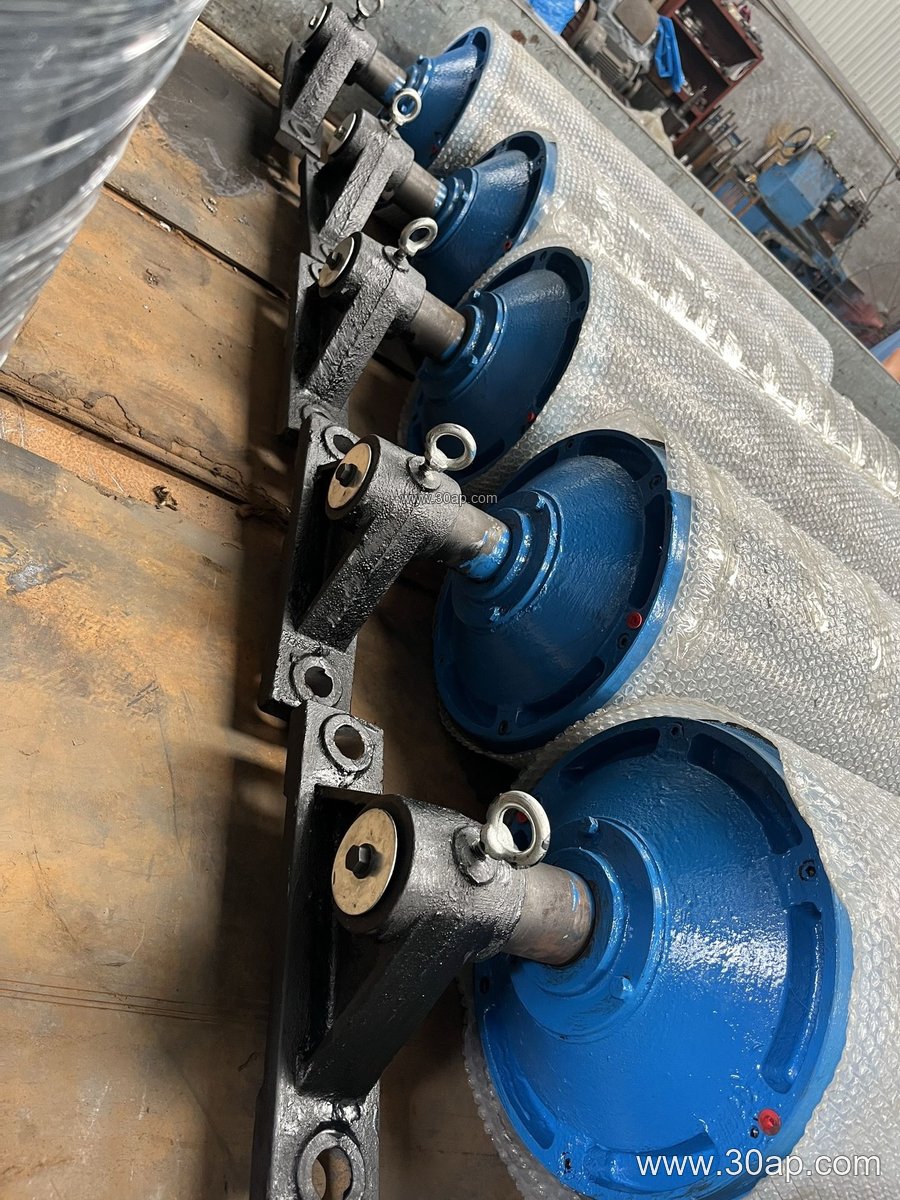
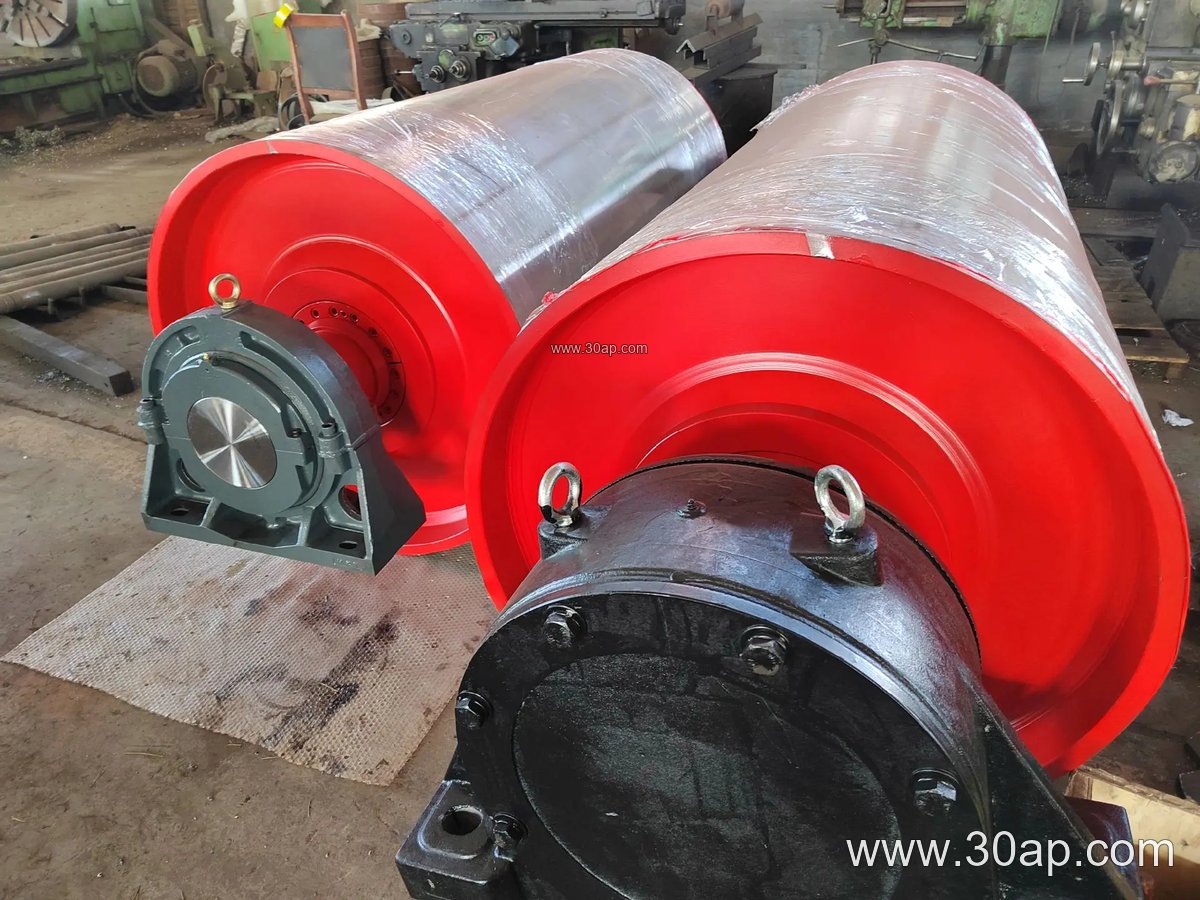
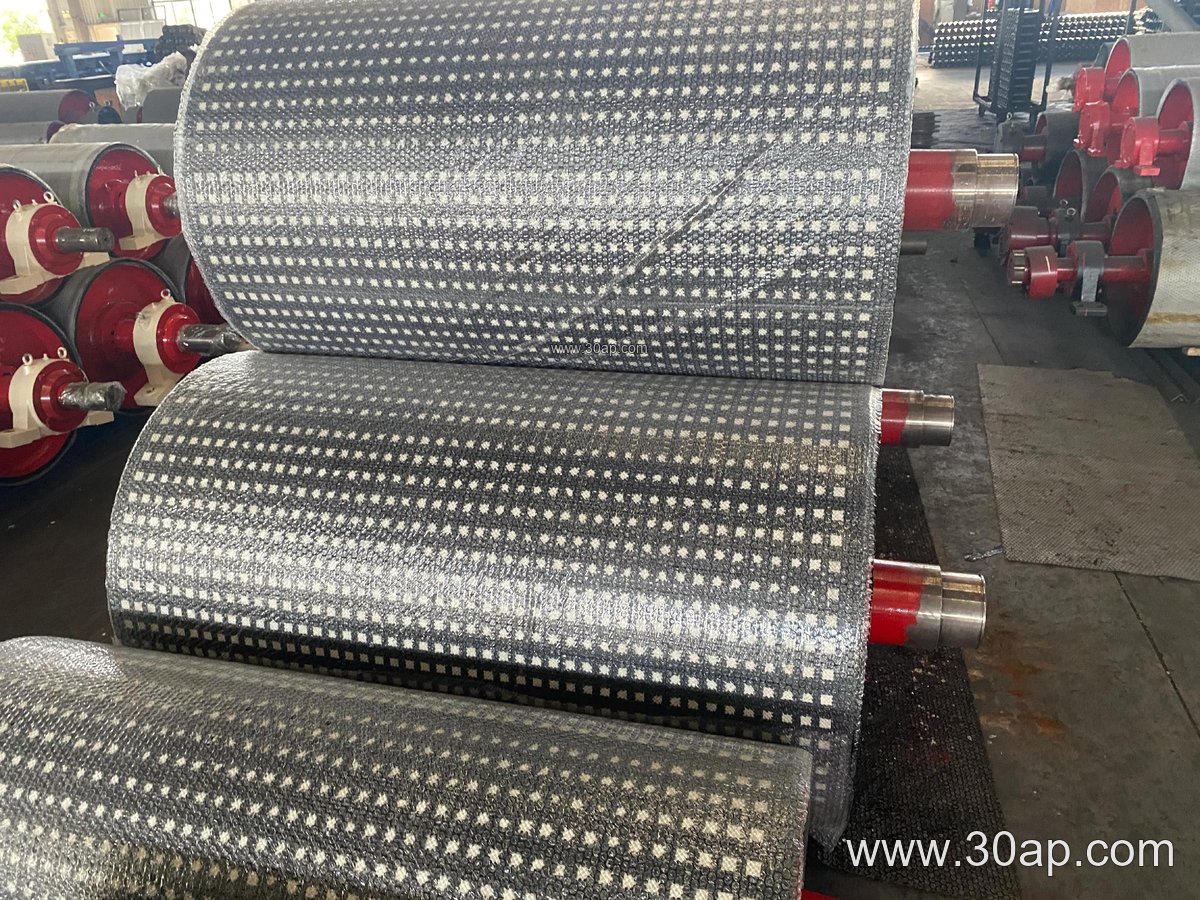
The body is normally a welded steel shell with end discs, a shaft, bearing housings, and a lagging surface. Shell thickness and shaft diameter are determined by torque and radial load, not by belt width alone. A B1200 belt may use a Ø1000 drum in one conveyor and a different diameter in another, depending on wrap angle, belt speed, and tension. Common surface forms include plain steel, hot vulcanized rubber, cold bonded rubber, diamond lagging, herringbone lagging, and ceramic lagging. Lagging thickness is often 8, 10, 12, 15, or 20 mm. In wet or dusty service, such as a coal preparation plant or a port bulk terminal, grooved or ceramic lagging can improve grip and shed material.
Typical Dimensions and Combinations
Reference data below shows how large drums are commonly described. These are examples, not fixed rules, and final dimensions follow the conveyor design.
- Belt width B800 with drum diameter Ø500, shell face about 950 mm
- Belt width B1000 with drum diameter Ø630, shell face about 1150 mm
- Belt width B1200 with drum diameter Ø1000, shell face about 1400 mm
- Belt width B1400 with drum diameter Ø800, shell face about 1600 mm
- Belt width B1600 with drum diameter Ø1250, shell face about 1800 mm
- Belt width B2000 with drum diameter Ø1400, shell face about 2200 mm
Shaft diameters commonly range from Ø50 to Ø200, selected by torque and bearing load. The shell face is usually wider than the belt to allow for belt tracking. A large conveyor pulley for a B1800 line may have a face near 2000 mm, while a smaller B650 unit may use a face around 750 mm. Matching a pulley to a conveyor belt requires checking the belt tension, the wrap angle, and the shaft load, not just the belt width.
Where Large Drums Are Used
Heavy-duty belt conveyors in an iron ore mine, a copper concentrator, a power plant coal yard, or a sand and gravel aggregate line rely on large pulleys at the head and tail. The drive pulley at the discharge end sees the full working tension, so it is often the largest and most heavily lagged drum. A bend pulley near a take-up tower may be smaller but still falls into the large category when the belt is wide. In a crushing and screening plant, the tail pulley protects the belt from carryback, while the head pulley delivers material to the next stage. The same logic applies in a fertilizer granulation line or a grain silo conveyor, although duty and lagging choice differ.
Buyer Checklist
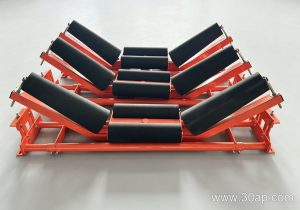
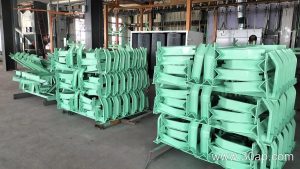
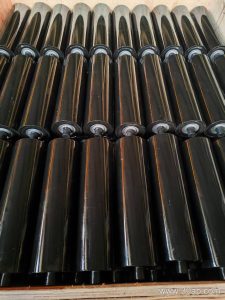
Before ordering, confirm the pulley position and function, the belt width, the required drum diameter, the lagging type and thickness, the shaft diameter, and the bearing arrangement. Ask for the shell face width and the allowable shaft load. Check how the drum will be mounted on the conveyor bracket and whether the bearing housings suit the available space. For a large conveyor pulley, transport and lifting points matter as much as the technical data. Keep spare idler roller and bracket references consistent with the pulley drawing so the whole conveyor assembly fits together. A clear drawing review before fabrication prevents a costly mismatch between the drum, the conveyor belt, and the supporting structure.