What a Conveyor Bracket Really Does
In a belt conveyor, the idler roller does the rolling, but the conveyor bracket decides where that roller sits and how the belt is shaped. A conveyor bracket (often called an idler support bracket or idler frame bracket) is the steel structure that holds troughing, return, and transition idlers at the correct angle and spacing along the conveyor frame. Get the bracket wrong and the belt will misalign, the idlers will wear unevenly, and spillage will follow.
Procurement of these brackets is not just a matter of matching a belt width. Buyers need to confirm the trough angle, roller diameter, mounting hole spacing, and the load the bracket will carry. This guide covers the basics so a purchase order can be written with confidence.
How the Bracket Is Built
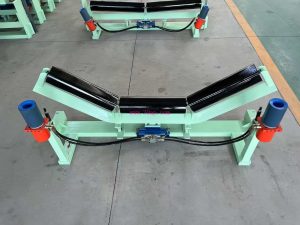
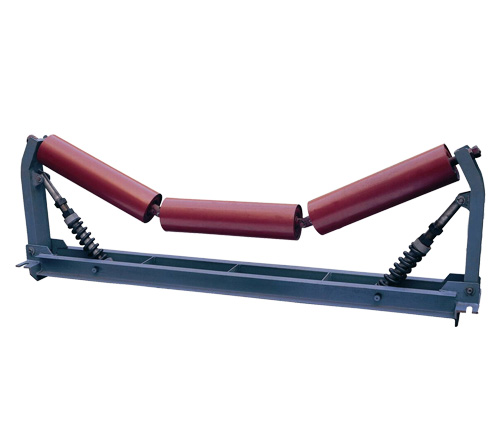
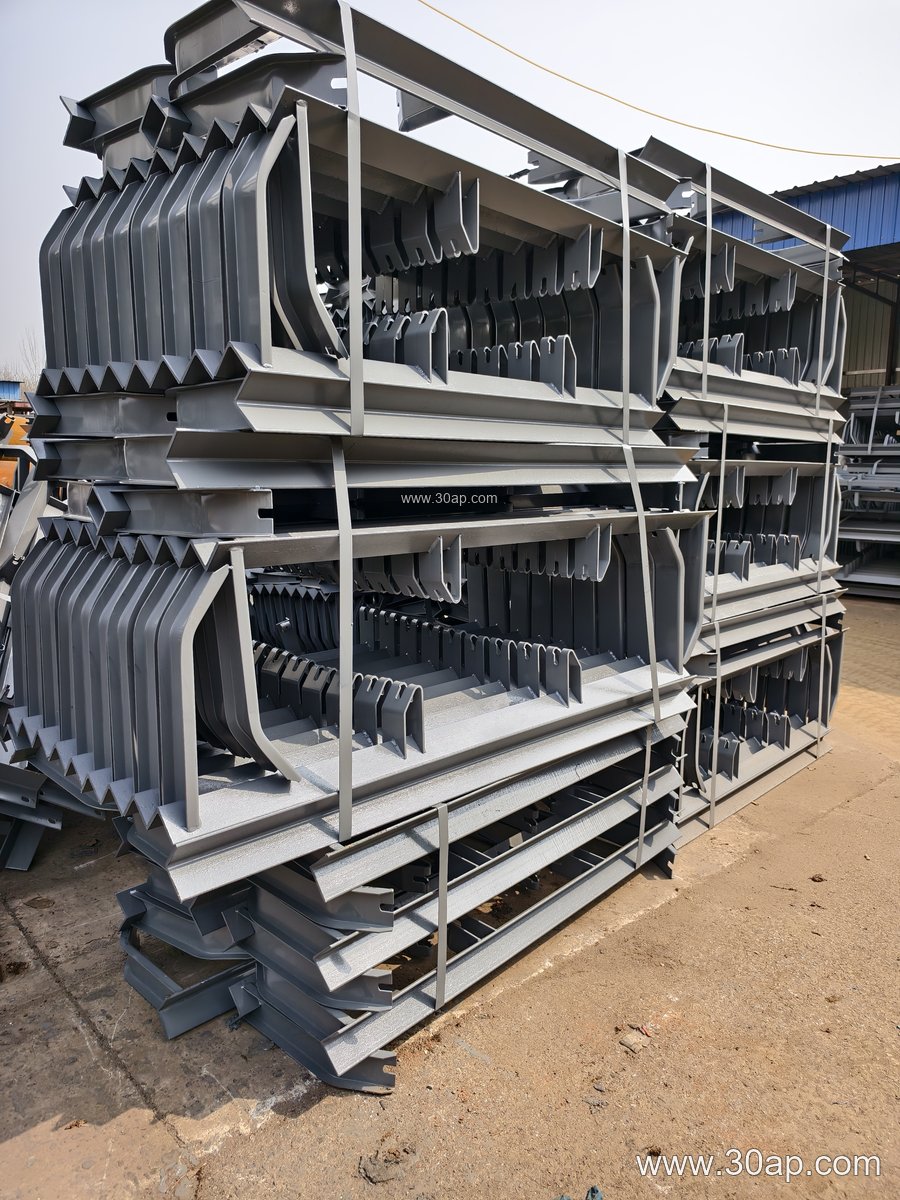
Most conveyor brackets are fabricated from angle steel, channel steel, or folded steel plate. The fabrication method matters: a folded plate bracket can be lighter and stiffer, while a channel steel bracket is easier to weld and repair in a workshop. Common bracket types include:
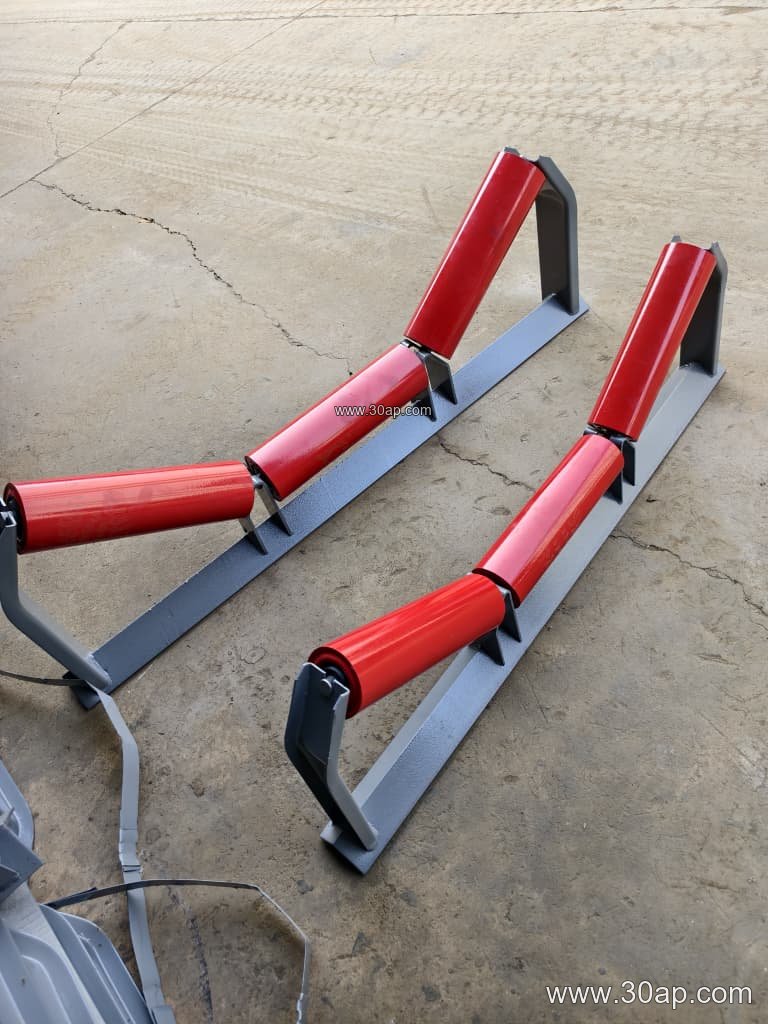
- Troughing bracket (carrying side, 20 to 45 degree trough angles)
- Transition bracket (near the pulley, gradually changing belt shape)
- Return bracket and V-return bracket (supporting the empty belt)
- Impact bracket (under the loading point, with cushion rollers)
- Self-aligning bracket and forward-leaning bracket (belt training)
- Adjustable bracket (trough angle can be changed on site)
Each type has a specific job. A return bracket is not a substitute for a troughing bracket, and a transition bracket is not a replacement for a standard carrying bracket. When comparing, keep the subtype clear.
Where These Brackets Are Used
You will find conveyor brackets in almost any bulk handling line. In a limestone quarry, troughing brackets carry the crusher feed belt; in a coal washing plant, flame retardant belt runs on brackets that must resist dust and moisture; in a cement plant, heat resistant belt on the clinker line needs brackets that hold alignment under thermal movement. Port ship loaders and power plant coal yards use long conveyors where hundreds of brackets are installed, so consistent hole spacing speeds up installation.
In all these settings, the bracket works together with the conveyor belt, the idler roller, and the conveyor pulley. A drive pulley, tail pulley, and bend pulley each have their own mounting arrangements, and the brackets near them are usually transition or special-purpose frames rather than standard carrying brackets.
Matching Belt Width, Trough Angle, and Roller Diameter
There is no single bracket size for a given belt width. A B800 conveyor might run 30 degree troughing with Ø89 rollers, while a B1200 line in an iron ore plant may use 45 degree troughing with Ø133 or Ø159 rollers. The table below shows typical reference combinations; final values are determined by design.
| Belt Width | Typical Trough Angle | Typical Roller Diameter |
|---|---|---|
| B500 / B650 | 20 to 30 degree | Ø89 |
| B800 / B1000 | 30 to 35 degree | Ø108 / Ø133 |
| B1200 / B1400 | 35 to 45 degree | Ø133 / Ø159 |
| B1600 / B1800 | 35 to 45 degree | Ø159 / Ø194 |
| B2000 / B2200 | 35 to 45 degree | Ø194 |
Mounting hole spacing and crossbeam length change with belt width and trough angle, so they should be confirmed on the drawing rather than assumed. Adjustable brackets allow the trough angle to be set between common values such as 20, 30, 35, and 45 degrees, which helps when a conveyor is modified later.
What Buyers Should Check Before Ordering
A clear specification prevents site delays. Before releasing a purchase order, confirm the following:
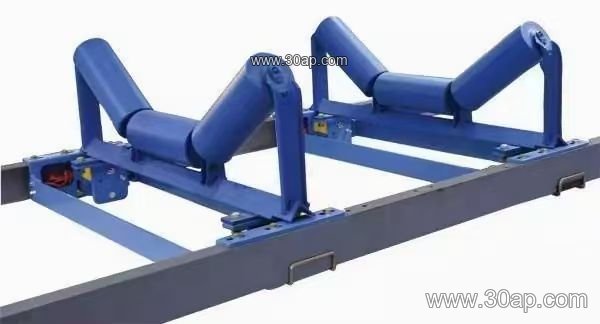
- Bracket type and position on the conveyor (carrying, return, transition, impact)
- Belt width and required trough angle
- Roller diameter and idler spacing
- Mounting hole pattern and crossbeam length
- Material and surface treatment, especially for wet or corrosive sites
- Whether the bracket is fixed or adjustable
It also helps to state the belt type the conveyor will run, because a heavy-duty mining conveyor belt or a steel cord conveyor belt may call for closer idler spacing and therefore more brackets. For abrasive duties such as a quarry conveyor belt or an ore conveyor belt, abrasion resistant belt is common, and bracket alignment directly affects belt edge wear.
Installation and Maintenance Notes
Brackets should be set square to the conveyor centerline. A small misalignment at the bracket translates into belt training problems that no self-aligning idler can fully correct. During maintenance, check for loose bolts, bent crossbeams, and worn mounting slots. Replacing a single damaged bracket is far cheaper than replacing a section of belt, so keep a small stock of the most common bracket types on hand.
For related components such as EP conveyor belt, idler roller, and conveyor pulley, match the bracket specification to the same duty class. A well-planned conveyor bracket procurement process keeps the whole belt line running straight.