What a Conveyor Ceramic Lagged Pulley Does
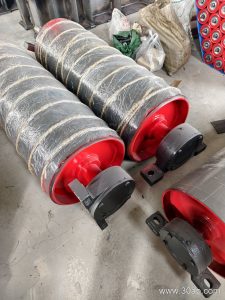
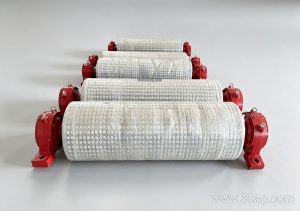
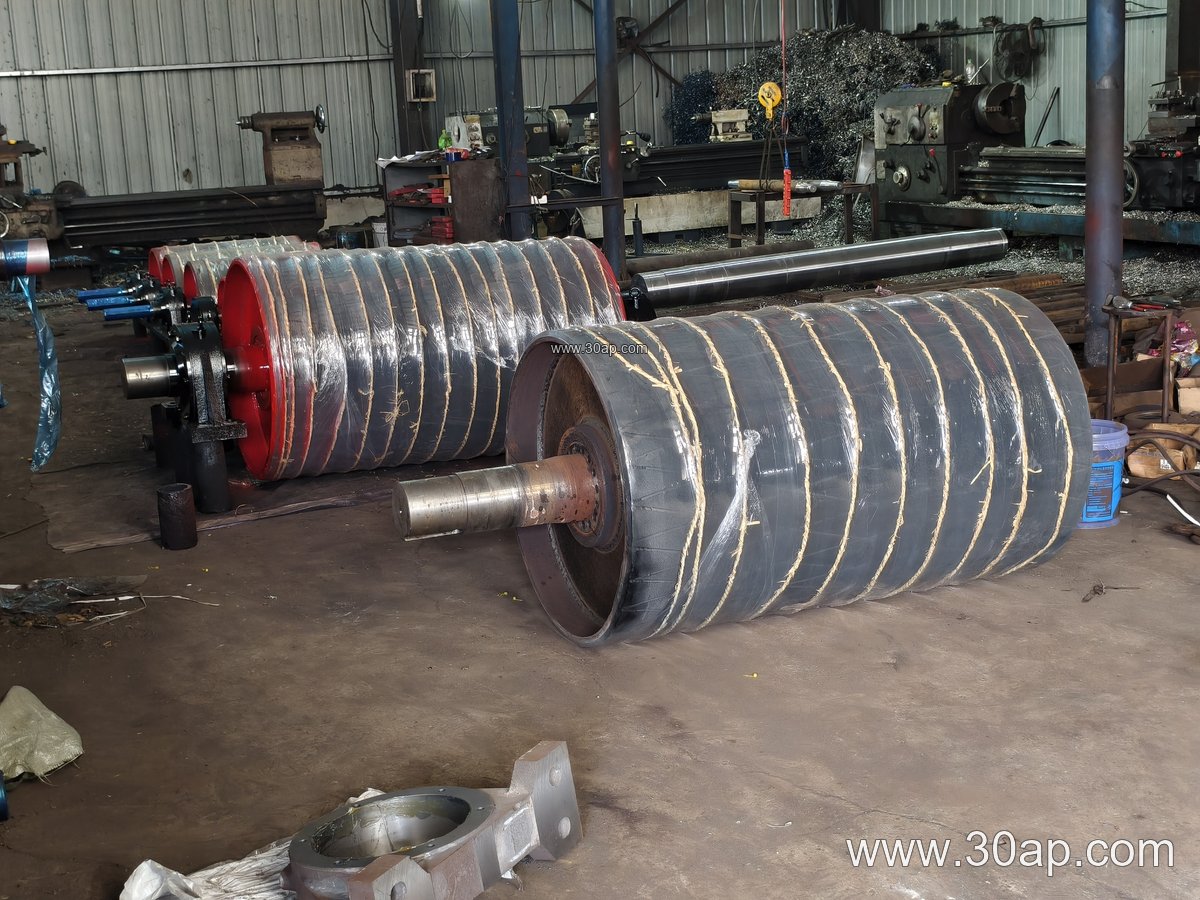
A conveyor ceramic lagged pulley is a conveyor pulley whose shell is covered with ceramic tiles set into a rubber backing. The ceramic studs sit slightly proud of the rubber, so the belt runs on hard, gritty islands rather than a smooth rubber face. That design raises the coefficient of friction between pulley and belt, which matters most where traction is marginal. You will see these pulleys on drive positions in a quarry, a limestone mine, a cement plant clinker line or a power plant coal handling system, especially when the belt is wet, dusty or carrying fines that would otherwise polish a plain rubber surface.
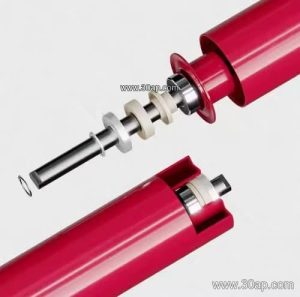
It is a surface form of a standard conveyor pulley, not a separate machine. The core is still a welded or cast shell with shafts, hubs and bearing housings. What changes is the lagging. In daily talk, people shorten the name to ceramic pulley or ceramic lagging pulley; both refer to the same product.
How the Ceramic Surface Is Built
Most ceramic lagging is applied in one of two ways. Hot vulcanized ceramic lagging bonds tiles and rubber to the shell under heat and pressure, giving a dense, well-anchored cover. Cold bonded or cold vulcanized versions use an adhesive system and suit workshop or on-site repair. Tiles are usually alumina-based, often with a diamond or hexagonal footprint and small raised studs. The rubber between the tiles flexes and sheds water, while the ceramic carries the abrasive load.
Typical lagging thicknesses are 8, 10, 12, 15 and 20 mm, with thicker covers used on high-torque drives. The shell face width is normally a little wider than the belt, for example about 1400 mm of face for a B1200 belt or about 950 mm for a B800 belt. These are common proportions, not fixed pairs.
Where Ceramic Lagging Pays Off
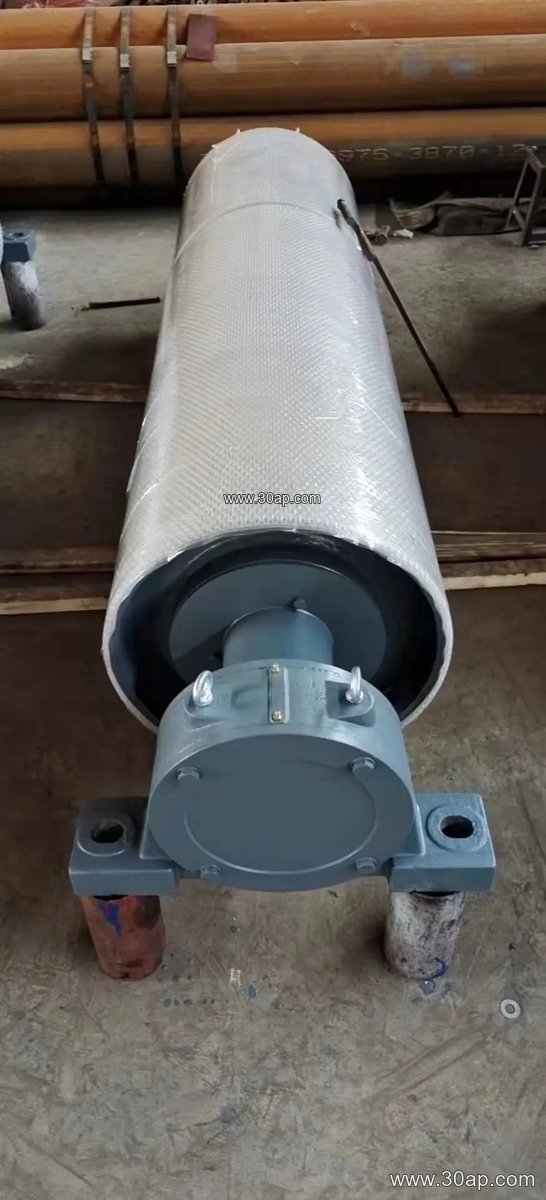
The main case is wet or contaminated duty. Wash-down zones in aggregate plants, tunnel spoil conveyors, and ship loading systems at ports all put water and grit between belt and pulley. A ceramic lagged drive pulley keeps grip where a smooth or diamond rubber cover may slip. It also resists gouging from sharp material and lasts well in high-abrasion service.
It is not the automatic answer everywhere. On a clean, dry, lightly loaded conveyor, plain rubber or diamond lagging may be enough. On a reversing conveyor or a tail position, check whether the harder surface suits belt tracking and belt cover wear. Ceramic is generally harder on the belt backing than soft rubber, so match it to the belt construction.
Position on the Conveyor Matters
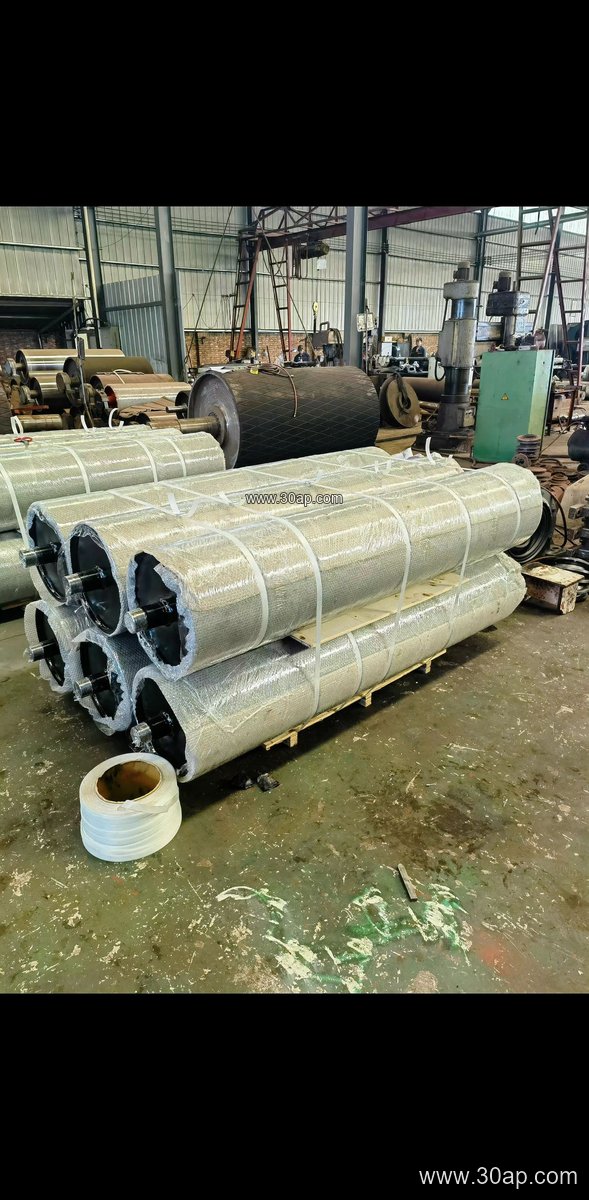
A drive or head pulley is the usual home for ceramic lagging because that is where torque must be transmitted. A tail pulley, bend pulley or take-up pulley serves a different job: guiding and tensioning rather than driving. Those positions may use plain or lightly lagged surfaces, and they should not be treated as interchangeable with the drive pulley. If a bend pulley needs lagging at all, the reason is usually belt support or tracking, not traction.
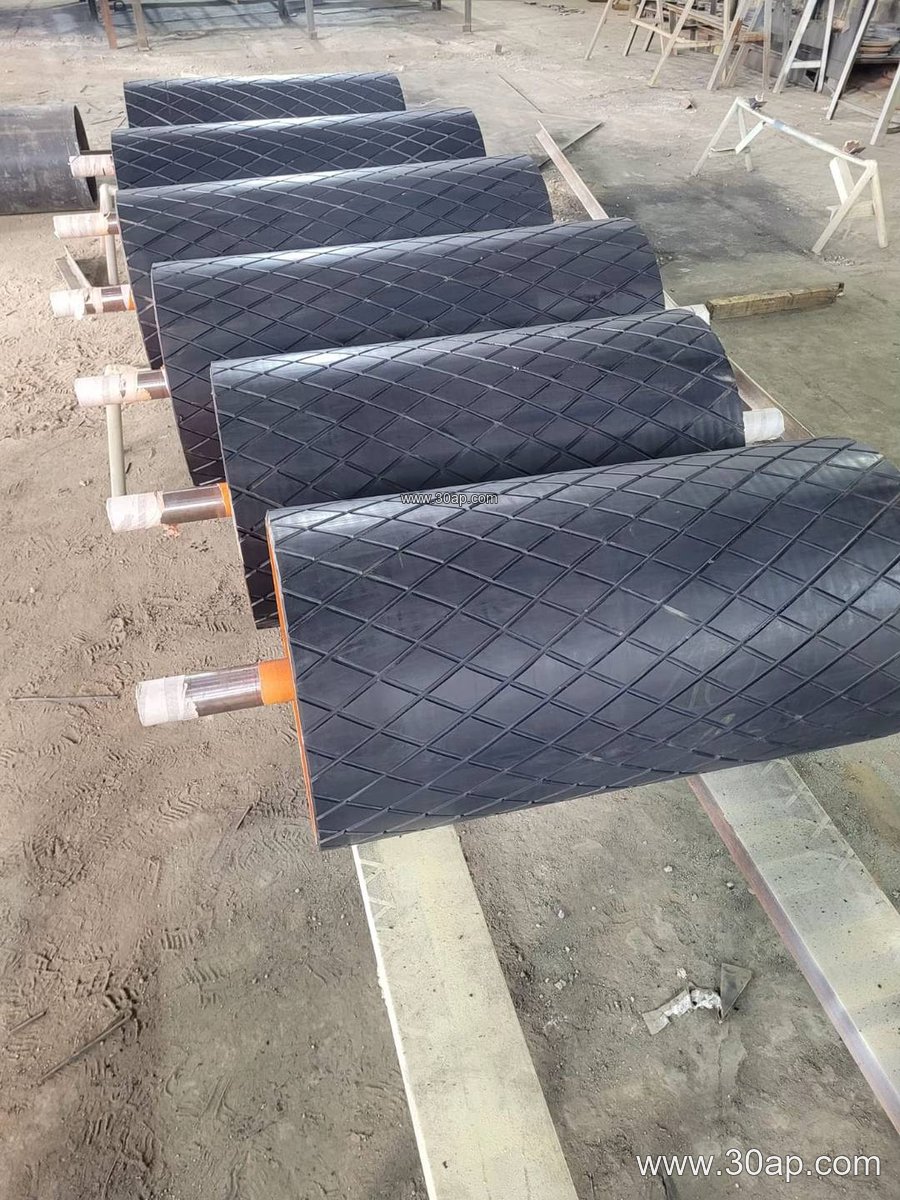
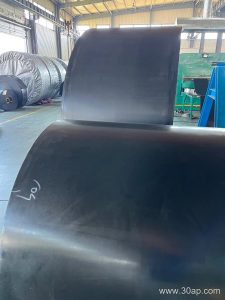
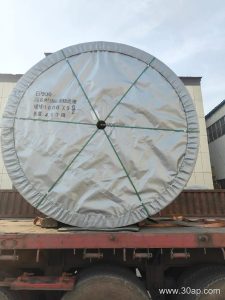
The belt itself sets limits. A heavy-duty mining conveyor belt with a strong fabric or steel cord carcass tolerates a more aggressive pulley face than a thin, light-duty belt. A high abrasion resistant conveyor belt in a crusher line and a flame retardant conveyor belt in an underground coal mine both need reliable traction, but the belt cover compound and carcass decide how much surface hardness is sensible.
Dimensions and Selection Notes
Ceramic lagged pulleys follow the same diameter and shaft rules as other conveyor pulleys. Diameter is chosen from belt tension, wrap angle and carcass flexibility, not from belt width alone. Shaft diameter follows torque and bearing load. Some common reference combinations are shown below; treat them as examples only.
- B800 belt with Ø500 pulley
- B1200 belt with Ø1000 pulley
- B1400 belt with Ø800 pulley
- Lagging thickness from 8 mm to 20 mm
- Shaft diameter commonly from Ø50 to Ø200, set by design load
A buyer should confirm the belt width, pulley face width, shaft size, bearing centers, lagging thickness and the duty condition. Ask whether the tiles are hot vulcanized or cold bonded, and whether the pulley is balanced for the intended speed. For a conveyor pulley working in a dusty cement plant or an iron ore terminal, the gap between tiles and the rubber hardness affect both grip and cleaning.
Installation and Maintenance Basics
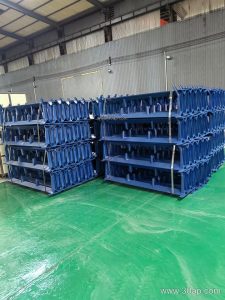
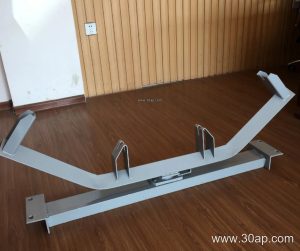
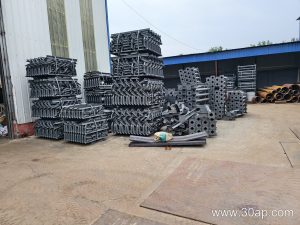
Check belt tracking after fitting, because a new ceramic surface can change friction at the drive. Keep the pulley face clean; packed fines between tiles reduce the benefit. Inspect for missing tiles and lifted edges, especially after impact events. Replace lagging when tiles are lost over a large area or the rubber backing is torn. Pair the pulley with well-aligned conveyor idler roller sets and sound conveyor bracket supports, since misalignment wears lagging faster than load does. Matching the pulley to the right conveyor belt and keeping the whole frame square is often more valuable than any single component upgrade.