What a 2400mm Conveyor Belt Is
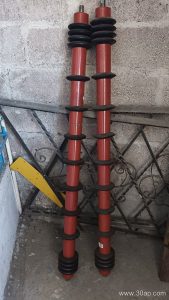
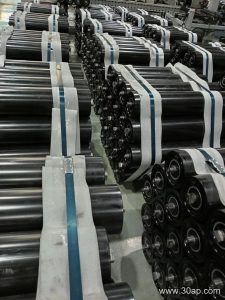
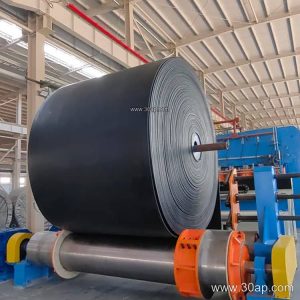
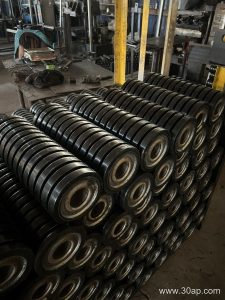
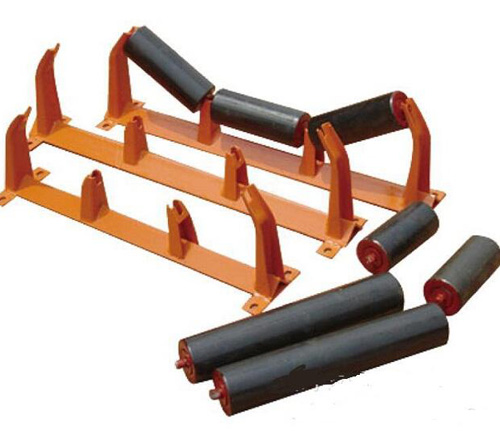
A 2400mm conveyor belt is a wide-width belt built for conveyor systems that must move large volumes of bulk material in a single pass. With a nominal width of 2.4 meters, it is commonly grouped with extra-wide conveyor belts and is typically specified where narrow belts would demand too many parallel lines or excessive transfer points. It is a belt, not a pulley or roller, and it works together with conveyor pulleys, idler rollers, and conveyor brackets to form a complete conveying line.
The same product may also be described as a 2400mm wide conveyor belt or a B2400 belt in some catalogues. These are equivalent names for the same belt width, while the construction class (fabric core, steel cord, surface pattern, and cover grade) is chosen separately for each installation.
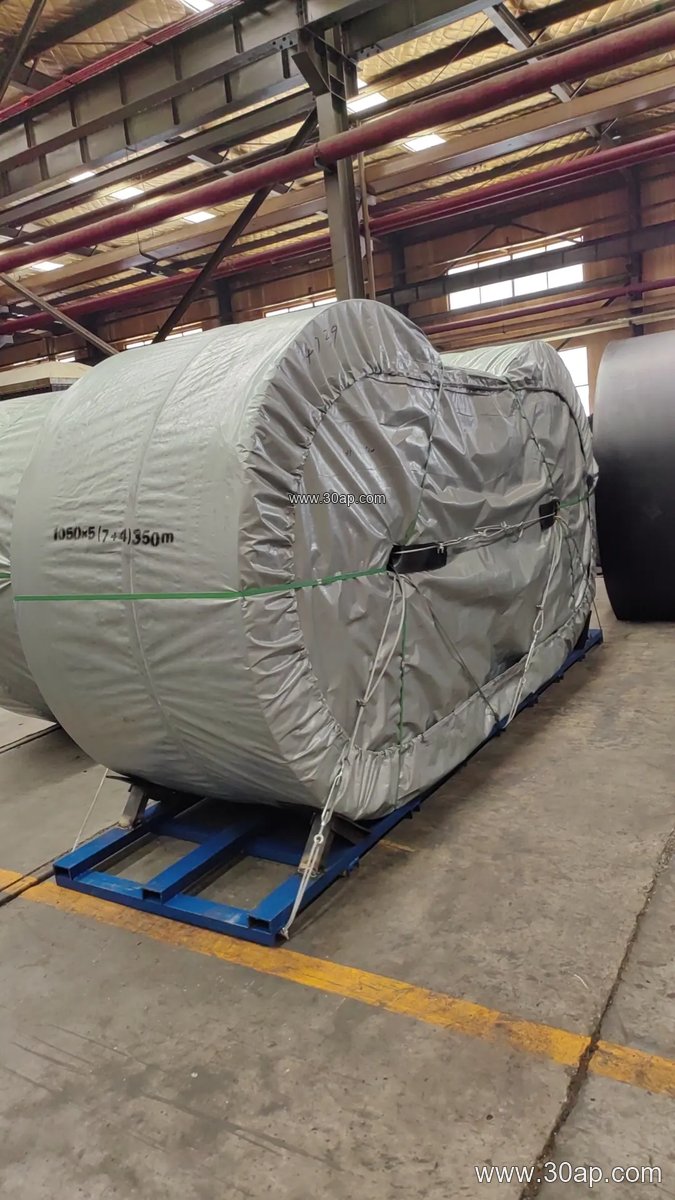
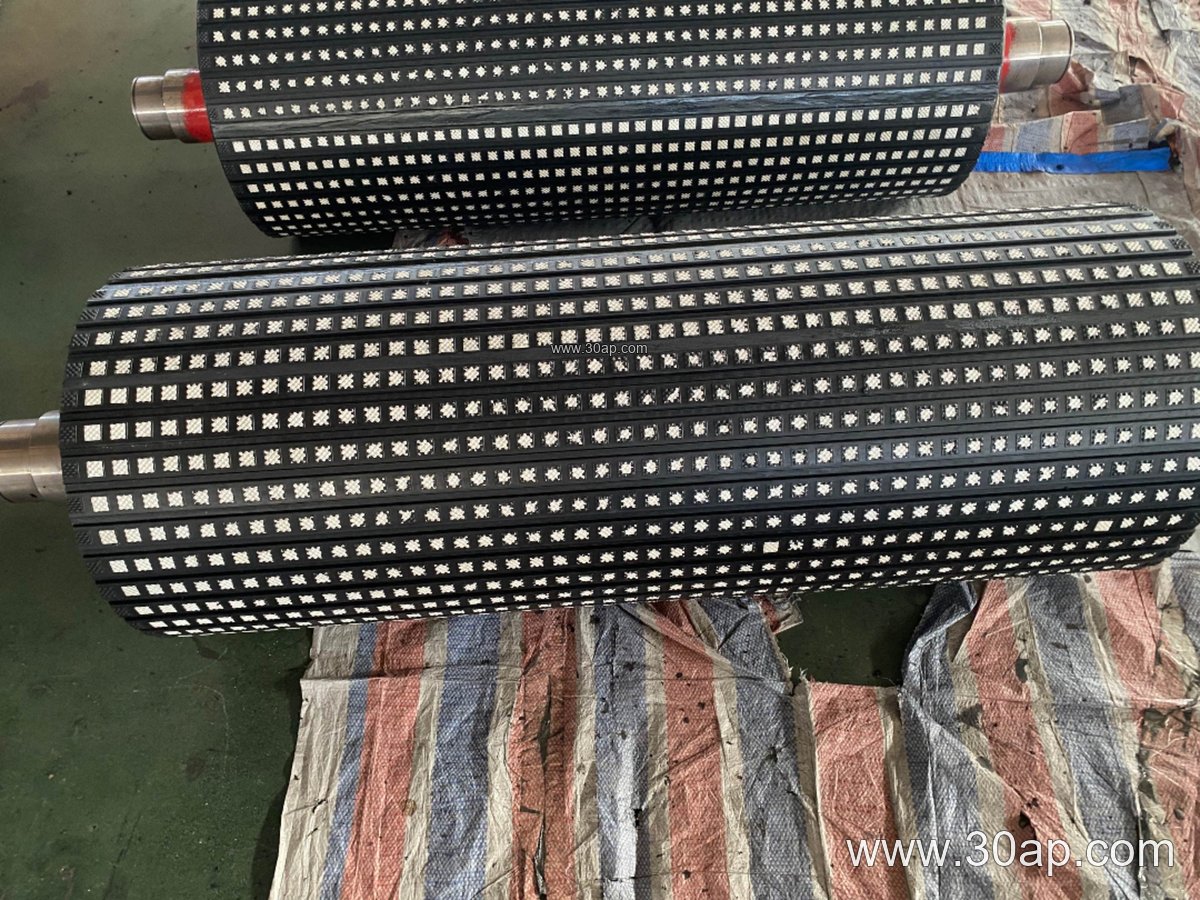
Construction and Common Configurations
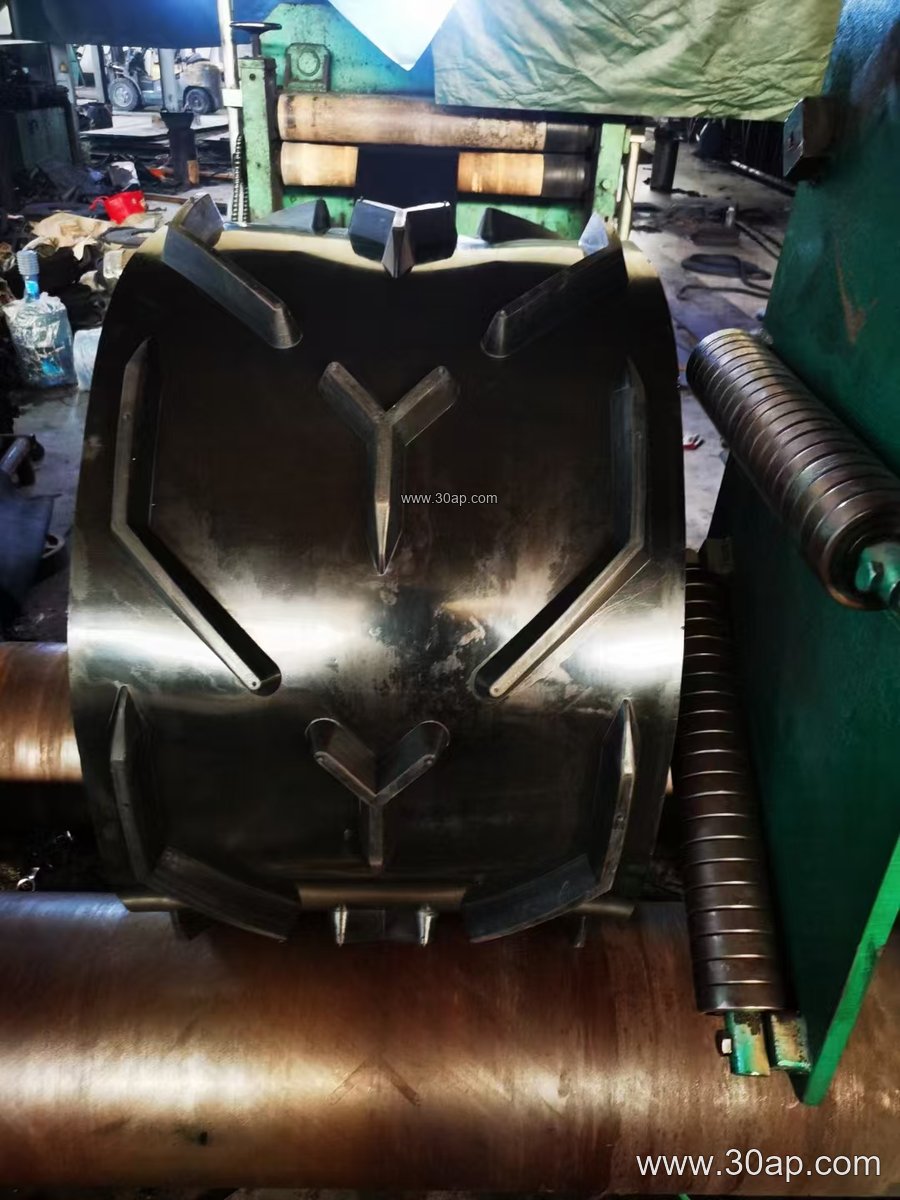
A belt of this width is usually a heavy-duty conveyor belt. The carcass may be a multi-ply fabric core, such as an EP conveyor belt or an NN nylon belt, or a steel cord construction for very long runs and high tension. Cover compounds are selected around the duty: abrasion resistant, heat resistant, oil resistant, flame retardant, anti-static, cold resistant, or acid and chemical resistant grades are all available in principle. Surface forms such as chevron, skirted, corrugated sidewall, and pipe conveyor designs can also be produced, but each changes the belt’s profile and must match the conveyor layout.
Typical reference data for wide fabric-core belts include:
| Parameter | Common reference values |
|---|---|
| Belt width | 2400mm (B2400) |
| Fabric core strength grades | EP200, EP315, EP400, EP500, EP630, EP800, EP1000, EP1250 |
| Carcass plies | Usually 2 to 6, depending on tension |
| Cover thickness (top + bottom) | 4+2, 5+2, 6+2, or 8+3 mm |
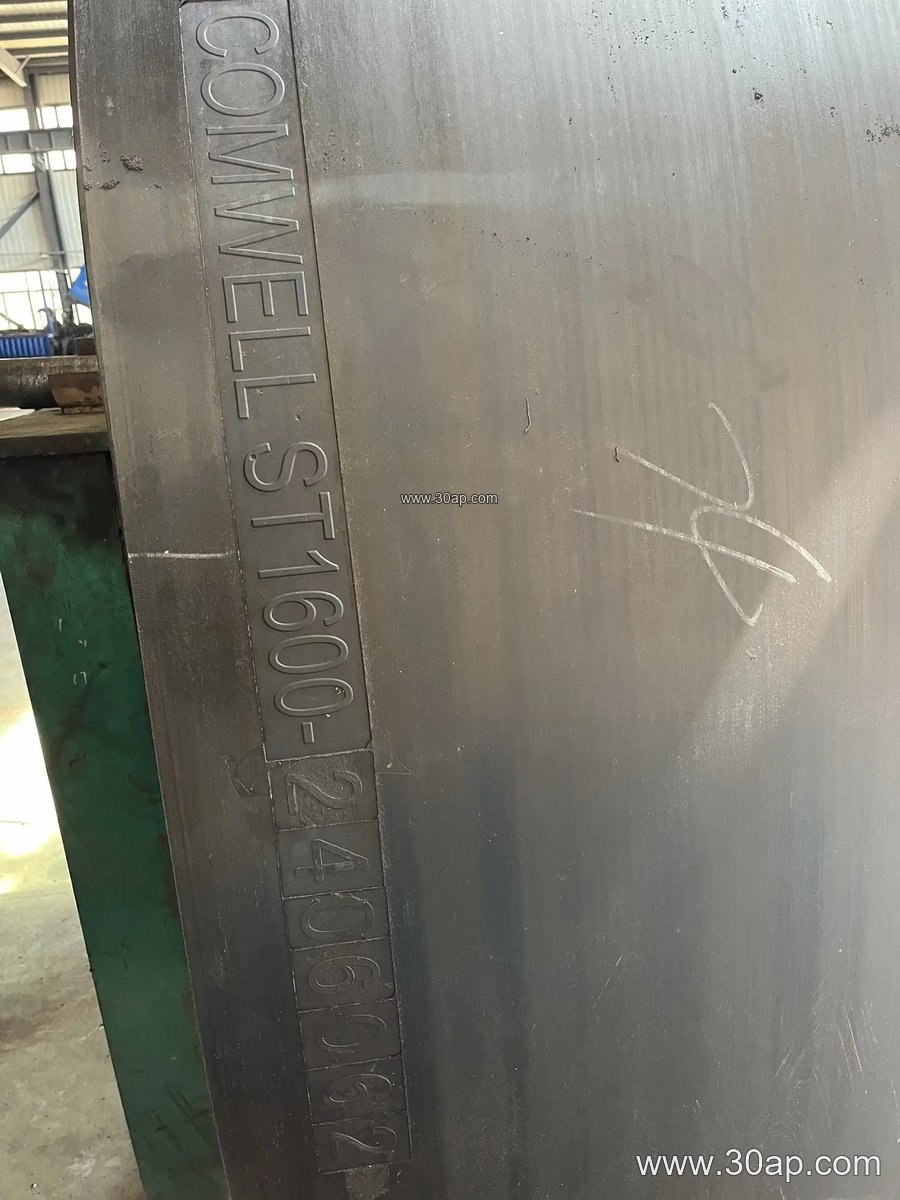
| Steel cord grades | ST1000 to ST3150 as reference classes |
These figures are reference ranges rather than fixed supply promises. Actual ply count, cover gauge, and strength class are confirmed by the belt designer against the conveyor’s tension, load, and environment.
Where 2400mm Belts Are Used
Extra-wide belts appear in mines, coal preparation plants, cement works, power stations, quarries, sand and gravel yards, steel plants, ports, and bulk terminals. A mining conveyor belt in this width can carry run-of-mine ore or coal at high tonnage, while a cement plant may use it on main clinker or limestone lines. Port and ship loading systems also favour wide belts because a single stream reduces spillage and simplifies chute design.
When the material is sharp, hot, or oily, the cover grade matters as much as the width. An abrasion resistant belt suits crusher discharge and aggregate duty; a heat resistant belt suits clinker and sinter; a flame retardant belt is often requested for underground coal mining conveyors. In all these cases, the belt remains a 2400mm conveyor belt, with the compound and carcass adapted to the job.
Buyer Checklist
- Confirm the actual belt width and whether the figure is nominal or cut width.
- State the required strength class, ply count, and cover thickness rather than width alone.
- Describe the material: lump size, temperature, moisture, oil content, and abrasiveness.
- Check pulley diameters and troughing angles with the belt supplier; a wide belt does not dictate one fixed pulley size, and shaft diameter must come from the conveyor design.
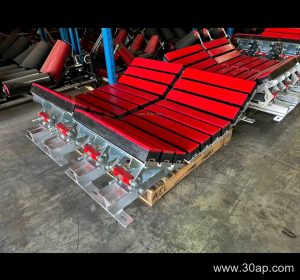
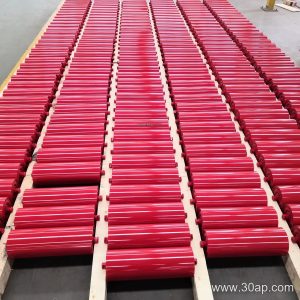
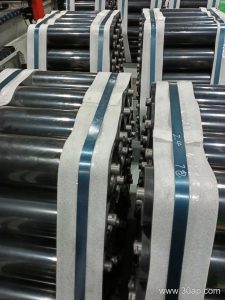
- Review idler roller spacing and conveyor bracket layout so the belt is supported across its full width.
- Ask for the splice method, since a wide belt is often supplied as an endless conveyor belt or field-vulcanised on site.
Handling and Maintenance Notes
Wide belts are heavy and awkward to move. Storage should be on a suitable core or pallet, and installation should avoid sharp bends that can crack the carcass. During operation, watch for edge damage, cover wear, and mistracking; on a 2.4-meter belt, small alignment errors become large edge loads. Keep conveyor pulleys and idler rollers clean and rotating freely, and inspect the conveyor brackets for looseness after the first weeks of service. A planned inspection routine usually extends belt life more than any single upgrade.