What an Upper Self-Aligning Idler Does
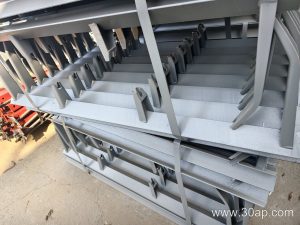
An upper self-aligning idler is a carrying-side idler assembly that corrects belt misalignment as the conveyor runs. Unlike a fixed troughing idler, its roller frame can pivot slightly around a vertical axis. When the conveyor belt drifts to one side, the skewed rollers generate a small lateral force that steers the belt back toward the center line. In a quarry, a cement plant, or a coal handling system, this self-correcting action reduces edge damage and spillage without constant manual adjustment.
The product is also called a self-aligning carrying idler or self-training upper idler. These names refer to the same assembly. It is not a drive pulley, tail pulley, or bend pulley; those are conveyor pulleys that transmit power or change belt direction. An upper self-aligning idler is a distinct belt-support component mounted on the carrying run.
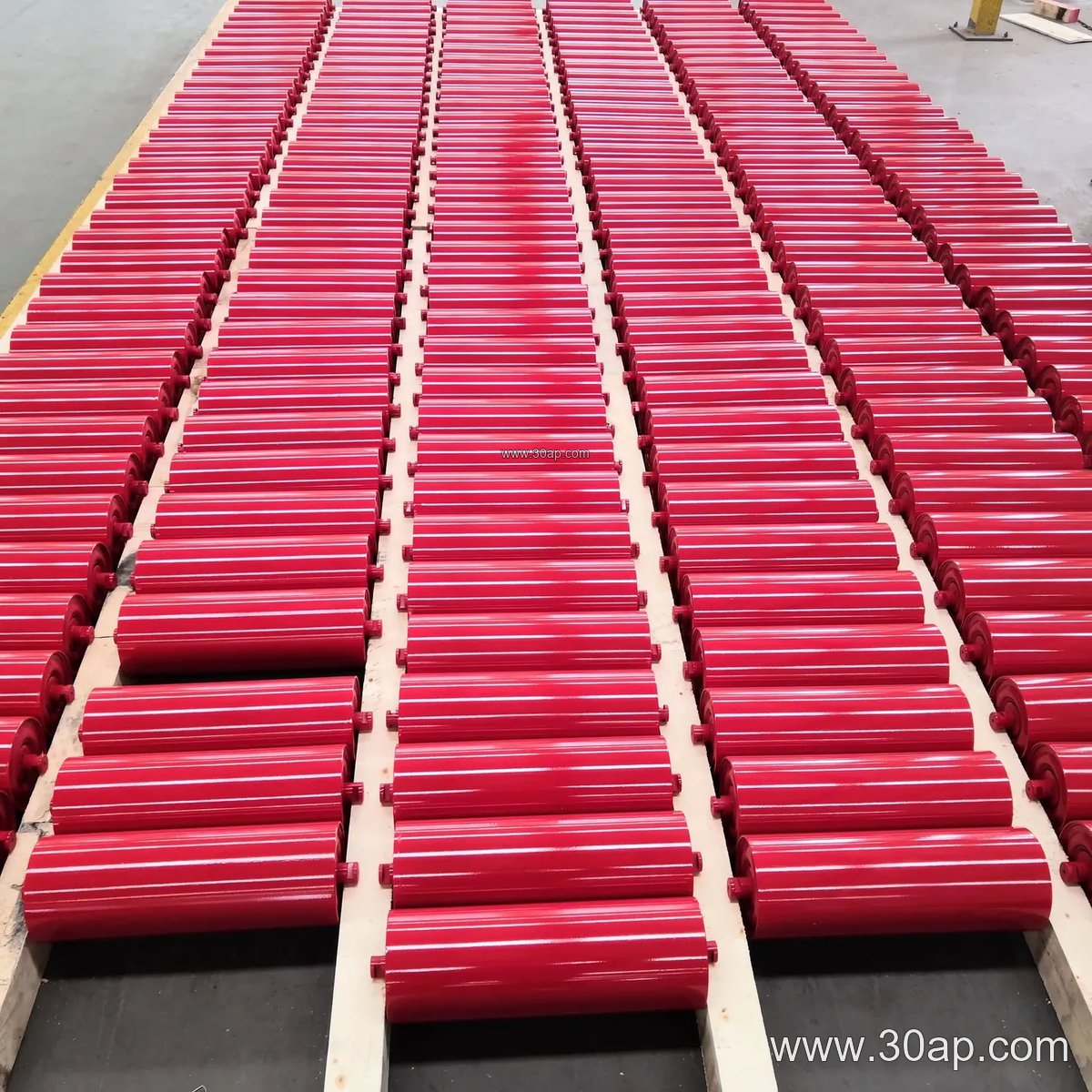
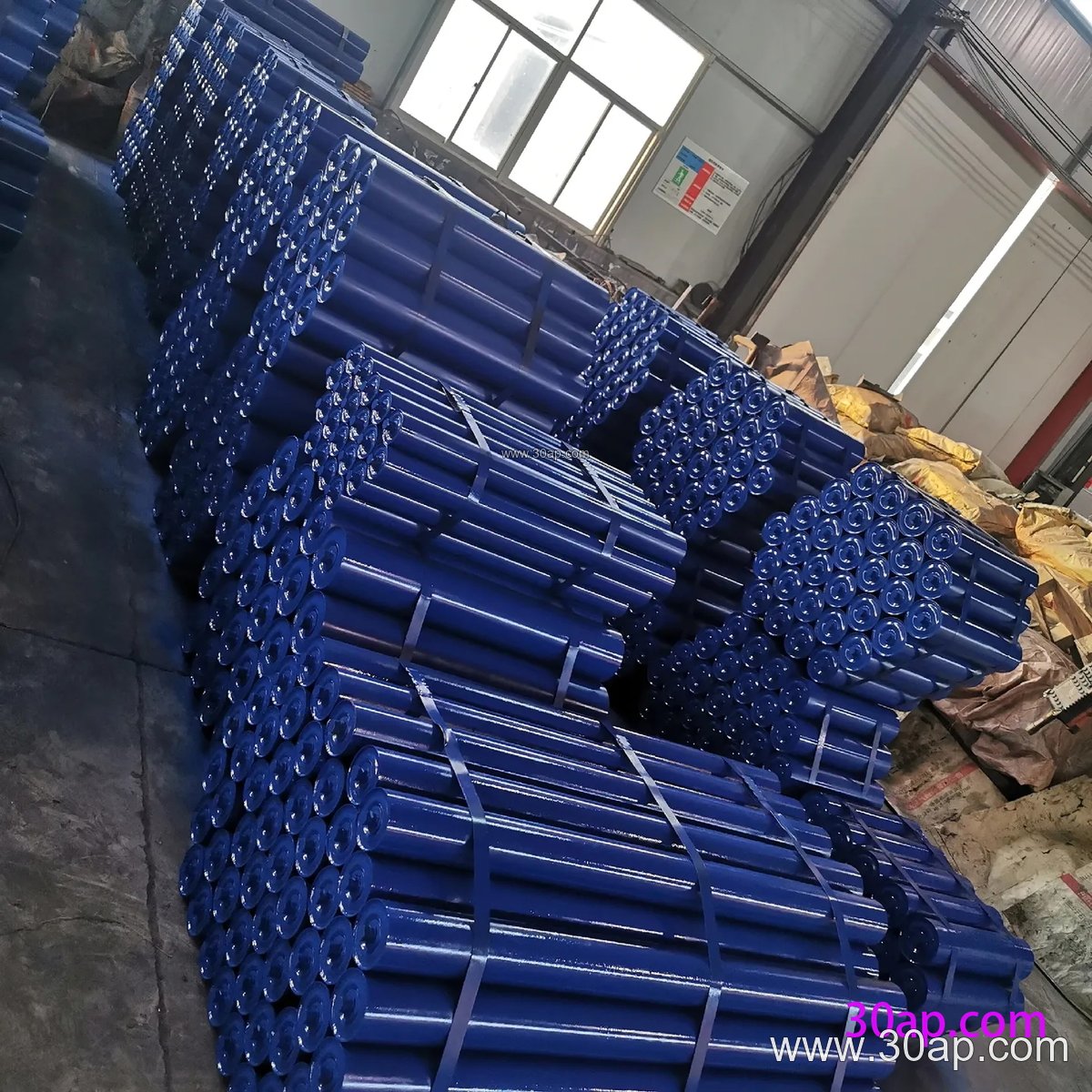
Construction Details
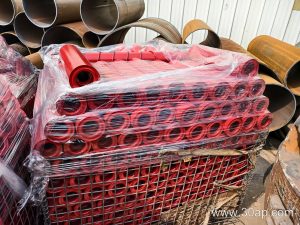
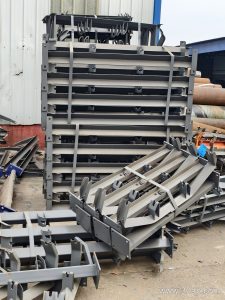
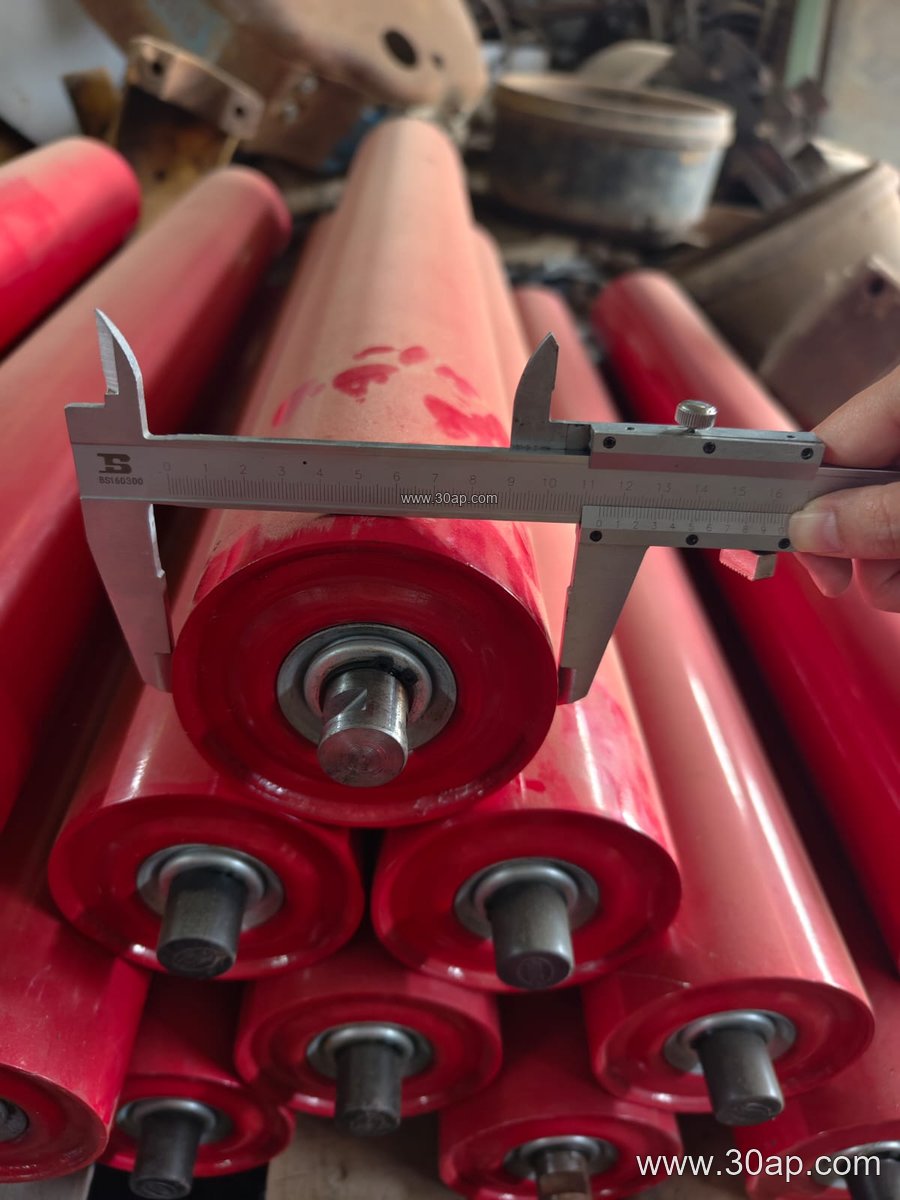
A typical unit combines two or three idler rollers in a trough configuration, set into a pivoting frame. The frame rests on a base that allows a few degrees of rotation. Friction or gravity keeps the frame centered until the belt wanders. Common roller diameters include Ø89, Ø108, Ø127, and Ø159 mm, with bearing sizes such as 6205, 6305, or 6306 depending on load and speed. The roller surface may be steel tube, nylon, or rubber-covered for different material conditions.
Trough angles of 20, 30, 35, and 45 degrees are available. The idler length changes with belt width and trough angle. For reference, a three-roll troughing set might use roller lengths around 200 mm for B500, 315 mm for B800, 465 mm for B1200, and 600 mm for B1600. These are common examples, not fixed rules; side rollers and center rollers can differ. A conveyor bracket or base frame anchors the assembly to the conveyor stringer.
Where It Fits on the Conveyor
Upper self-aligning idlers are usually installed at intervals along the carrying side, especially after curves, transfer points, or long straight sections where tracking problems tend to appear. They work with the conveyor belt to keep the load centered. In a sandstone aggregate line or a power plant coal yard, a few self-aligning stations can prevent the belt from rubbing against the structure. They are not a substitute for proper pulley alignment or adequate belt tension, but they help manage normal drift.
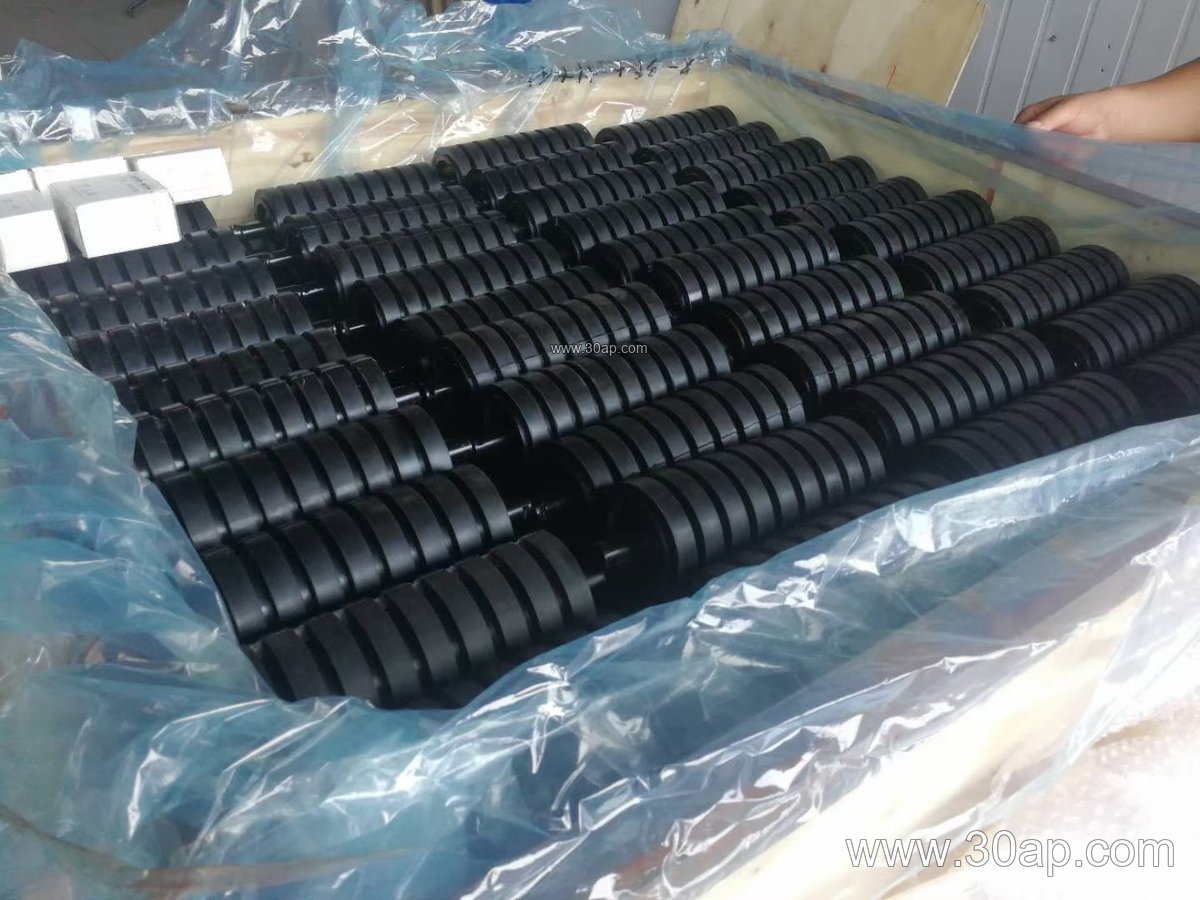
For comparison, a fixed troughing idler supports the belt but does not correct misalignment. A return-side V-type idler performs a different function on the empty run. The upper self-aligning idler remains specific to the carrying side and should be selected for that duty.
Selection and Maintenance Notes
Buyers should match the idler to belt width, trough angle, and material load. Roller diameter and bearing size should suit the belt speed and weight of the conveyed material. In dusty or wet conditions, sealed bearings and corrosion-resistant finishes help. The pivot mechanism should move freely but without excessive play. Regular inspection of roller rotation, frame centering, and belt tracking prevents small issues from becoming costly downtime.
When ordering, specify the belt width, trough angle, roller diameter, bearing type, and mounting dimensions. A supplier can then confirm the correct upper self-aligning idler for the conveyor. Keep spare rollers and pivot parts on hand for critical circuits in mining, steel, or fertilizer handling.