What an Impact Idler Does at the Loading Point
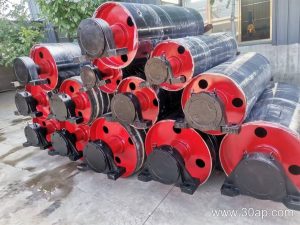
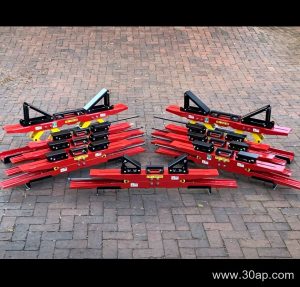
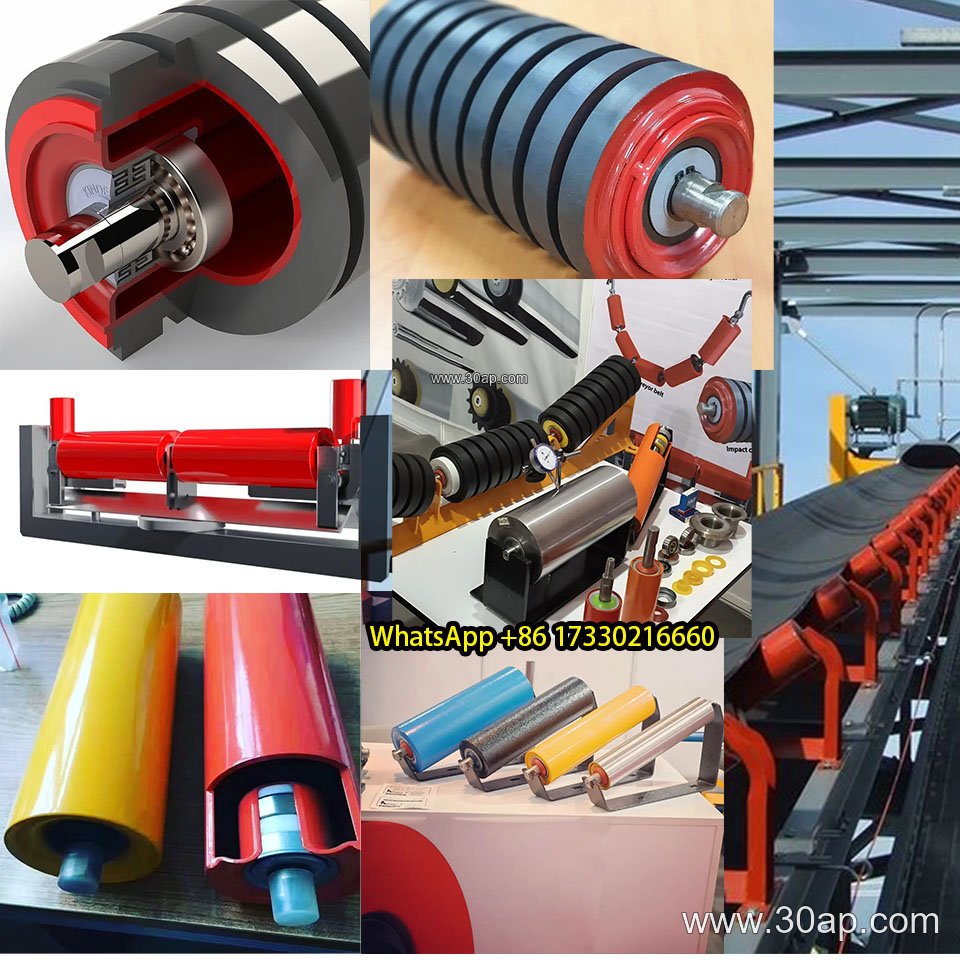
An impact idler is the shock-absorbing roller set positioned directly under the chute where material first lands on the conveyor belt. Instead of a rigid steel shell, this idler roller carries rubber rings or resilient discs that flex under falling lumps. In a quarry, limestone mine or crusher discharge line, the difference is easy to see: the belt is protected from sharp rock edges, and the roller frame takes the hit rather than passing it straight through to the belt carcass. The same logic applies in a coal preparation plant or a power plant coal yard, where large lumps drop from a height.
This roller is not a substitute for a troughing idler used along the carrying run, nor is it a replacement for a return roller underneath. It is a dedicated buffer element with its own place in the conveyor layout.
How the Buffer Roller Is Built
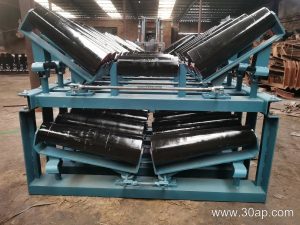
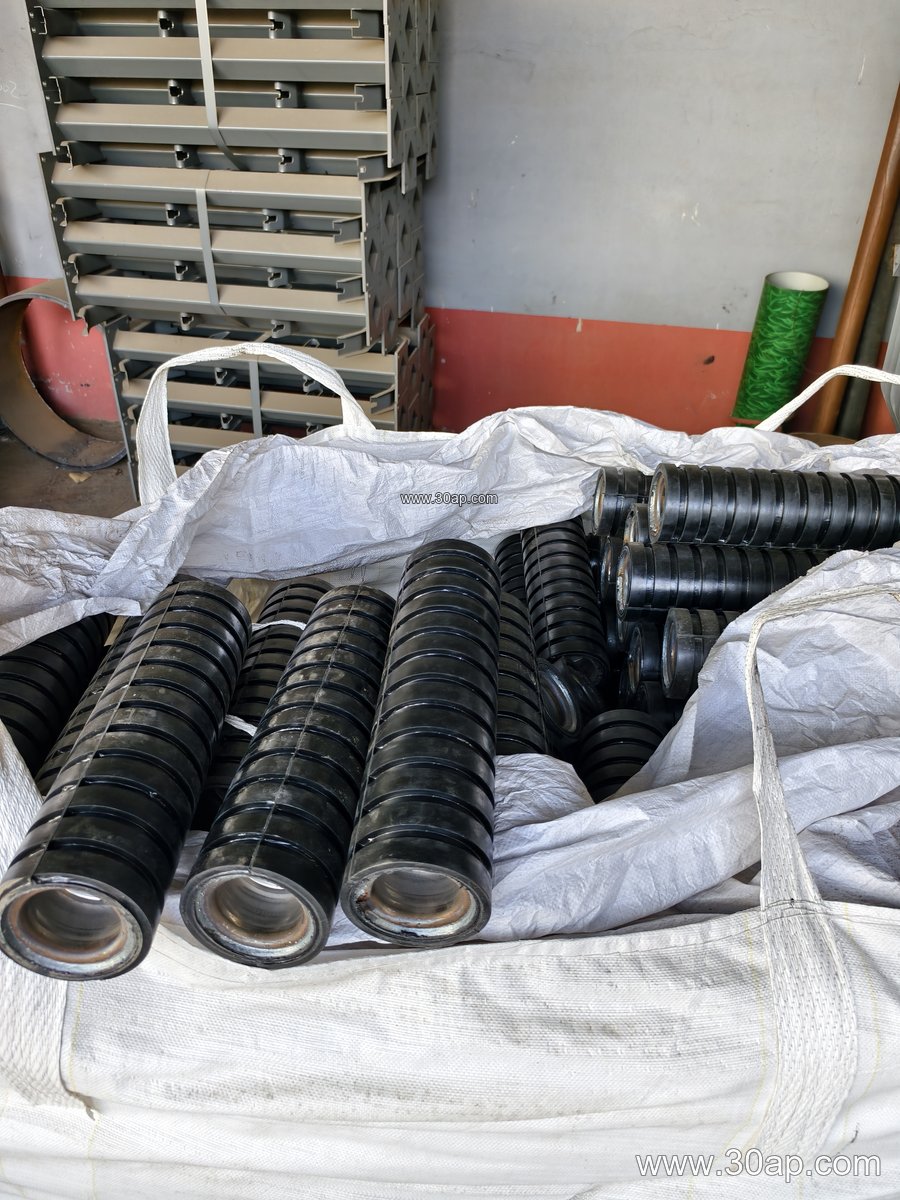
The core is usually a steel tube fitted with sealed bearings, and the outer surface is covered with a stack of rubber rings separated by spacers. The rubber rings absorb impact energy and can be replaced individually when worn. Some designs use a continuous rubber sleeve instead of rings, which gives smoother contact but is less easy to repair section by section.
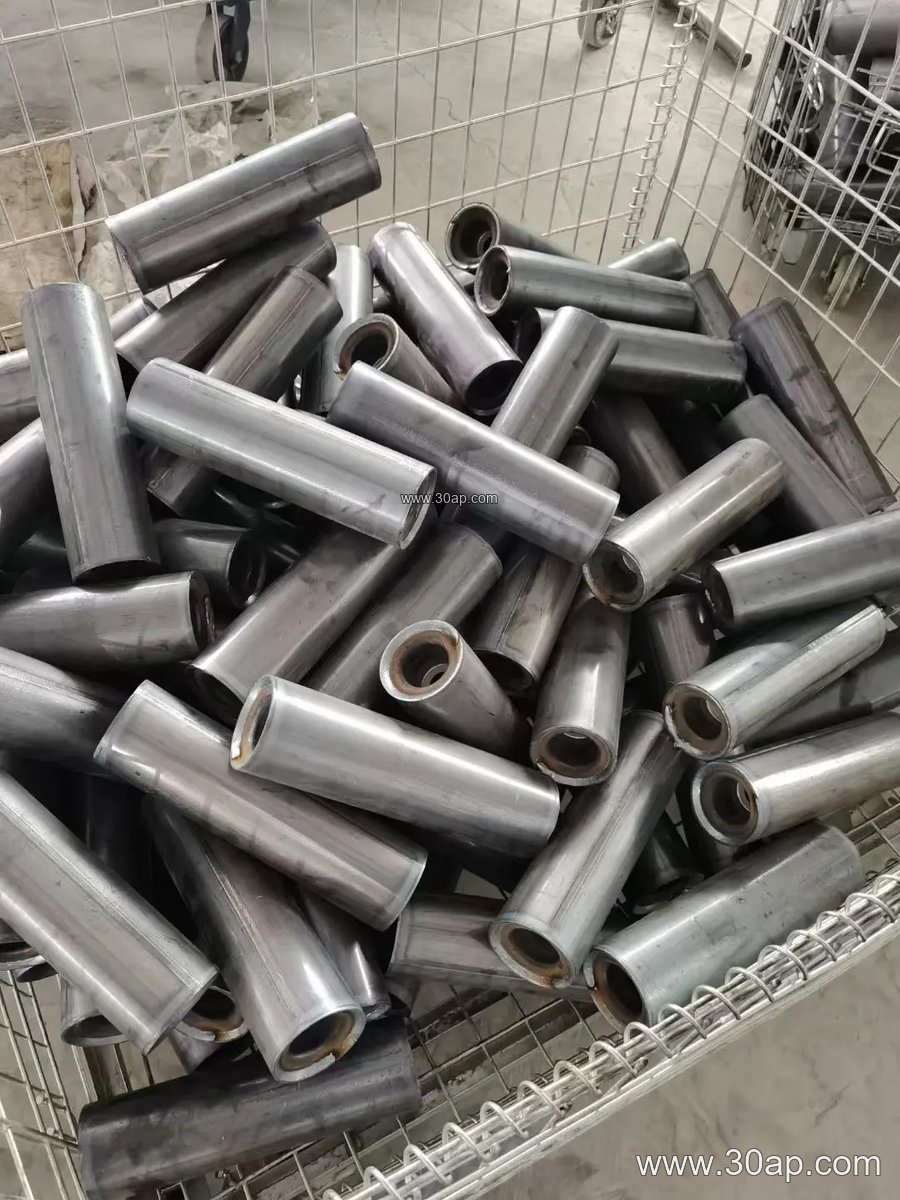
- Shell material: steel tube with rubber ring or rubber sleeve covering
- Bearing seats: often 6205, 6305, 6306 or 6308, selected by load and shaft design
- Mounting: fixed on a frame or conveyor bracket directly beneath the loading chute
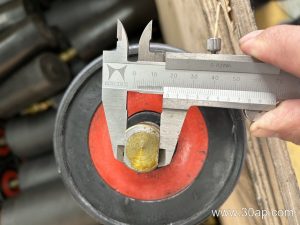
- Typical roll diameters: Ø89, Ø108, Ø127, Ø133, Ø159 and larger for heavy drop heights
The roller length is not a single number. It follows the belt width, the trough angle and the number of rolls in the set. For a three-roll buffer set, common roll lengths are roughly 200 mm at B500, 250 mm at B650, 315 mm at B800, 380 mm at B1000 and 465 mm at B1200. These are reference examples only, and the side rolls may differ from the centre roll. Final dimensions are confirmed by design.
Where It Fits in the Conveyor Line
Typical positions include the transfer point after a primary crusher in a stone crushing plant, the feed zone of a cement plant raw material conveyor, and the loading section of a port or ship loading system. In an underground coal mining conveyor, the buffer set helps where coal drops from a stage loader. The idler works together with the conveyor belt, the conveyor pulley at the head or tail, and the supporting conveyor bracket, but its job is local: soften the first contact between falling material and belt.
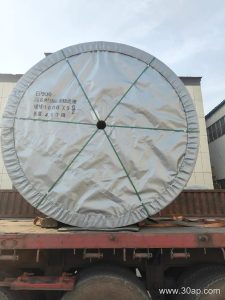
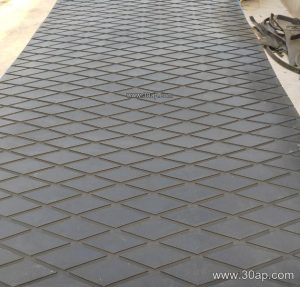
For a conveyor carrying abrasive ore, pairing a properly sized buffer set with an abrasion resistant conveyor belt and a sturdy EP conveyor belt carcass is a common approach. Where the material is hot, a heat resistant conveyor belt may be needed nearby, but the rubber rings on the idler should also be checked for temperature limits.
Common Sizes and Reference Data
| Item | Common reference values |
|---|---|
| Roll diameter | Ø63, Ø76, Ø89, Ø102, Ø108, Ø127, Ø133, Ø159, Ø178, Ø194, Ø219 |
| Belt width | B400, B500, B650, B800, B1000, B1200, B1400, B1600, B1800, B2000 |
| Trough angle | 20°, 30°, 35°, 45° |
| Roll surface | Steel tube, nylon, ceramic, rubber ring |
| Bearing | 6204, 6205, 6305, 6306, 6308, 6310 |
Do not assume that a given belt width locks in one pulley diameter or one shaft size. The impact idler, the conveyor pulley and the drive components are selected separately from load, speed and space conditions.
Buyer Checklist Before Ordering
Start with the drop height and the largest lump size, since these set the impact energy the rubber rings must absorb. Then confirm belt width, trough angle and the number of rolls per set. Ask for the bearing type and sealing arrangement, because dust from a sand and gravel line or a fertilizer plant will find any weak seal. Check whether the rubber rings are replaceable and whether the frame fits the existing conveyor bracket.
Finally, review the whole loading zone. A buffer idler protects the belt, but a skirted conveyor belt or a corrugated sidewall conveyor belt at the chute may be needed to keep material centred. For long hauling lines in mining, matching the buffer set with a steel cord conveyor belt or a multi-ply fabric core conveyor belt is a normal part of the layout review. Get the dimensions confirmed in writing rather than relying on a catalogue example.