What a Heavy-Duty Conveyor Bracket Does
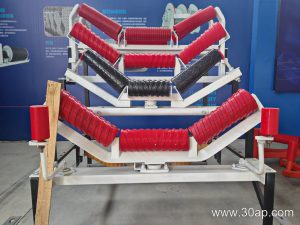
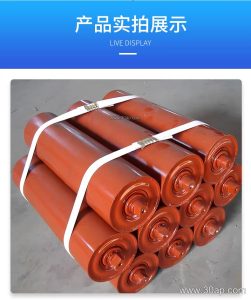
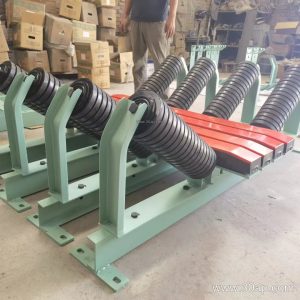
A heavy-duty conveyor bracket is the structural support that holds idler rollers in place along a conveyor system. It is not a wear part in the same way as the belt itself, but it carries the load path from the belt and material through the rollers and into the conveyor frame. In a quarry, a cement plant, or a coal handling system, this bracket keeps the belt profile stable so material moves without spillage or excessive belt wander. The bracket also sets the trough angle, which directly affects how well the belt contains bulk material.
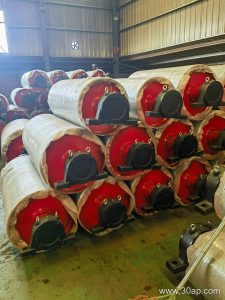
Some operators refer to this component as a heavy-duty conveyor frame bracket or a reinforced idler support bracket. These are accurate equivalent names for the same product family. The bracket is distinct from a drive pulley or a tail pulley, and it is not a substitute for either. Its job is to locate and support conveyor idlers, not to transmit drive torque.
Construction and Materials
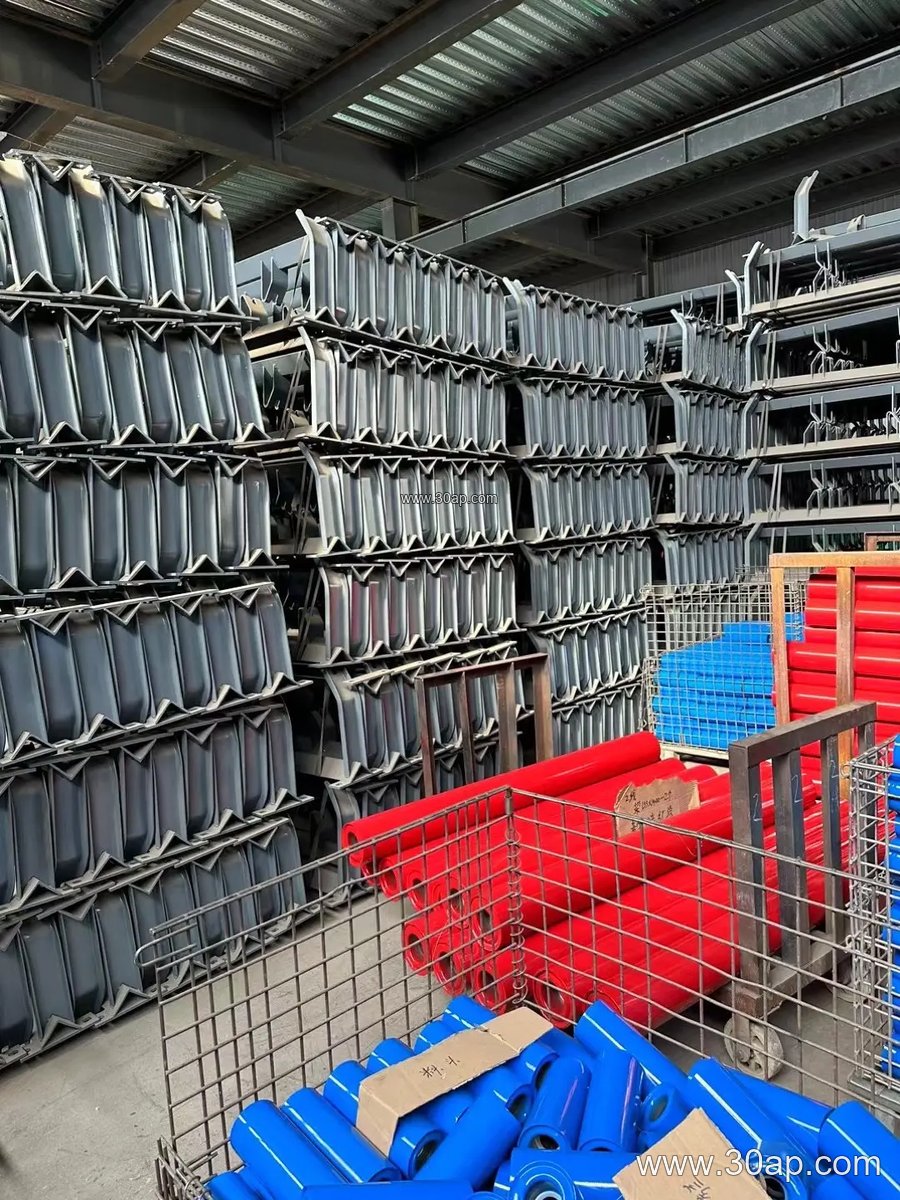
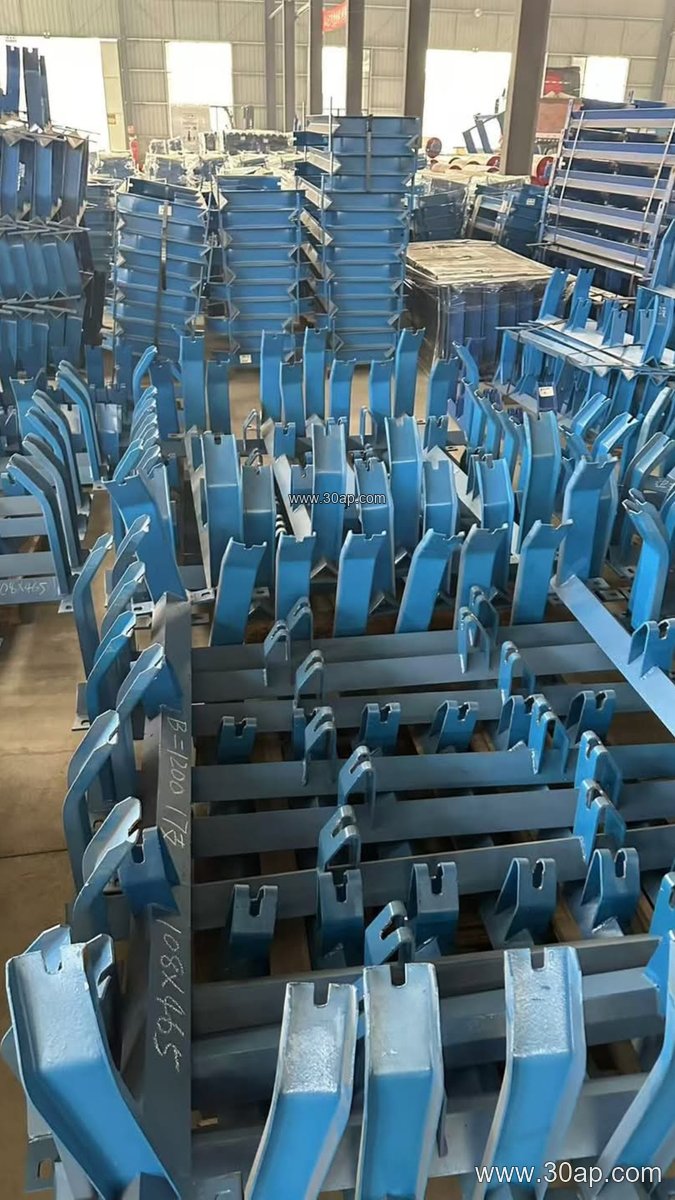
Most heavy-duty brackets are fabricated from angle steel, channel steel, or formed steel plate. The material thickness and bend radius are chosen according to the load and the belt width. A typical bracket may include mounting slots that allow adjustment of the trough angle, as well as reinforced gussets at the load points. In dusty applications such as a limestone mine or a power plant coal yard, the surface finish and drainage of the bracket matter because material buildup can distort roller alignment.
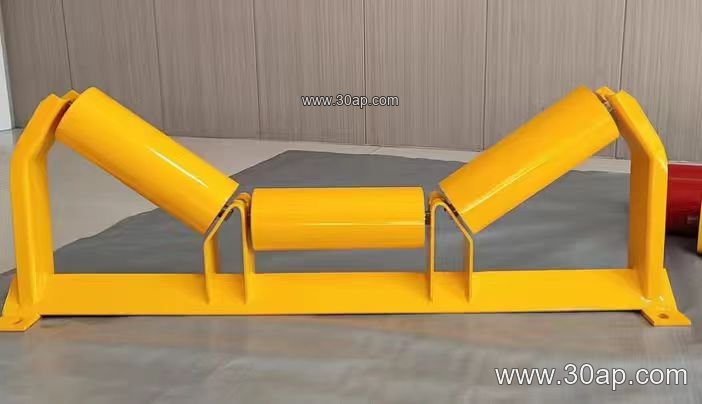
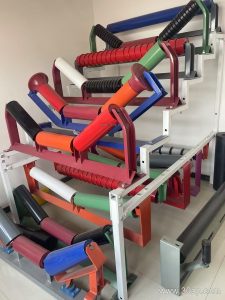
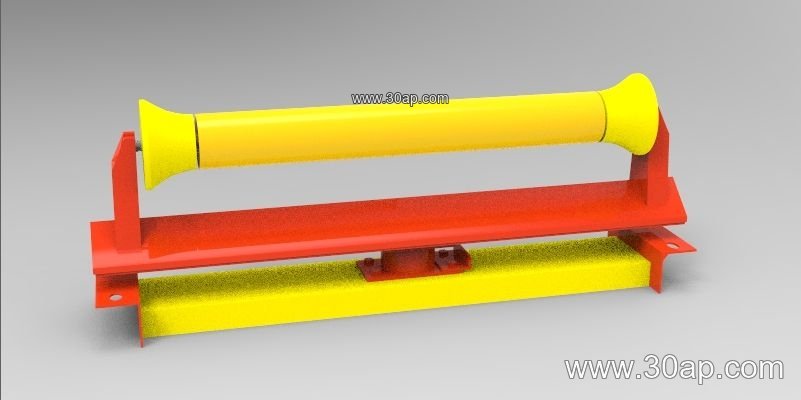
Common bracket types include trough brackets, transition brackets, return brackets, V-return brackets, impact brackets, self-aligning brackets, and suspended brackets. Each has a specific role. A trough bracket holds the three-roller arrangement that forms the belt into a trough. A transition bracket is used near pulleys to guide the belt from flat to troughed. A return bracket supports the empty side of the belt. For comparison, a self-aligning bracket includes a pivot feature that helps correct belt tracking, while a fixed bracket does not.
Where It Fits in the Conveyor System
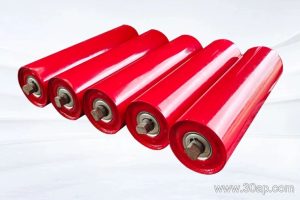
Heavy-duty conveyor brackets are used in bulk material handling across industries. In a sand and gravel line, they support the belt that carries screened aggregate. In a cement plant, they hold rollers under a rubber conveyor belt that moves clinker or raw meal. In an iron ore terminal or a copper ore concentrator, the bracket must resist impact and abrasion from coarse material. The bracket is often used together with a conveyor pulley at the head and tail, and with idler rollers spaced along the carry side and return side.
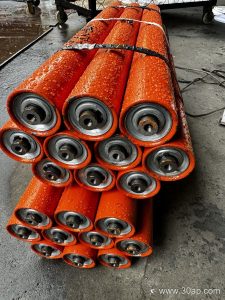
Belt width and roller diameter are not fixed pairs. A bracket designed for B800 may be used with Ø89 or Ø108 rollers depending on the load and belt speed. A wider bracket for B1200 or B1400 may accommodate Ø133 or Ø159 rollers. Trough angles of 20, 30, 35, and 45 degrees are common, and adjustable brackets can be set between these angles. A forward tilt of about 1.5 to 2 degrees is sometimes used on carrying idlers to help belt tracking. Installation hole spacing and crossbeam length are determined by the belt width and trough angle, not by a single universal dimension.
Specification Reference
The table below lists common reference values for heavy-duty conveyor brackets. These are typical ranges, not fixed supply promises. Final dimensions should be confirmed with the conveyor design.
| Parameter | Common Reference Values |
|---|---|
| Belt width | B500, B650, B800, B1000, B1200, B1400, B1600, B1800, B2000, B2200 |
| Trough angle | 20°, 30°, 35°, 45°; adjustable brackets can be set between these angles |
| Roller diameter | Ø89, Ø108, Ø133, Ø159, Ø194 |
| Bracket type | Trough, transition, return, V-return, impact, self-aligning, suspended |
| Material | Angle steel, channel steel, formed steel plate |
What Buyers Should Check
Before ordering a heavy-duty conveyor bracket, confirm the belt width, the roller diameter, and the required trough angle. Ask whether the bracket is fixed or adjustable. Check the mounting hole pattern against the existing conveyor frame. For a quarry conveyor belt or a mining conveyor belt that carries sharp rock, consider an impact bracket at the load point. For a coal mining conveyor belt that must meet flame retardant requirements, the bracket itself is not the fire-rated component, but it must not interfere with the belt’s safety features.
Also consider the environment. In a port or a ship loading facility, salt air may require a suitable coating. In a fertilizer plant or a grain silo, material buildup and corrosion resistance matter. The bracket should be easy to inspect and clean. A heavy-duty bracket that is properly aligned will help extend the life of the conveyor belt and the idler roller set.
For related conveyor components such as Rubber Conveyor Belt, Steel Cord Conveyor Belt, and conveyor pulley, review the full conveyor layout before selecting brackets. The bracket is a small part of the system, but it controls the geometry that keeps the belt running straight and the material moving efficiently.