What the Head Drive Pulley Does
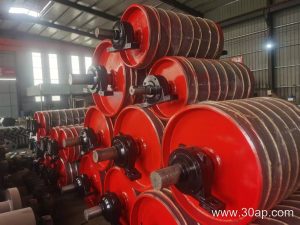
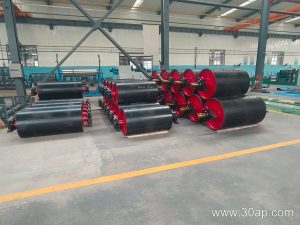
The head drive pulley is the powered drum at the discharge end of a belt conveyor, and it is the component that actually pulls the belt forward. Torque from the gearbox or motor enters through the shaft, the lagged shell grips the belt, and material is thrown off as the belt wraps the drum. Because it carries the full working tension of the conveyor, its build quality has a direct effect on belt life and on how often the line stops.
People sometimes call this part a drive drum, head pulley, or conveyor pulley. Those are acceptable short forms for the same product. It is not a tail pulley, not a bend pulley, and not a take-up drum; each of those sits at a different point on the conveyor and performs a different job. A tail pulley only redirects the returning belt, and a bend pulley changes belt direction without driving. Only the head drive pulley transmits motor power to the belt.
How the Drum Is Built
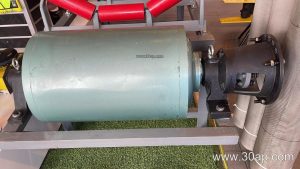
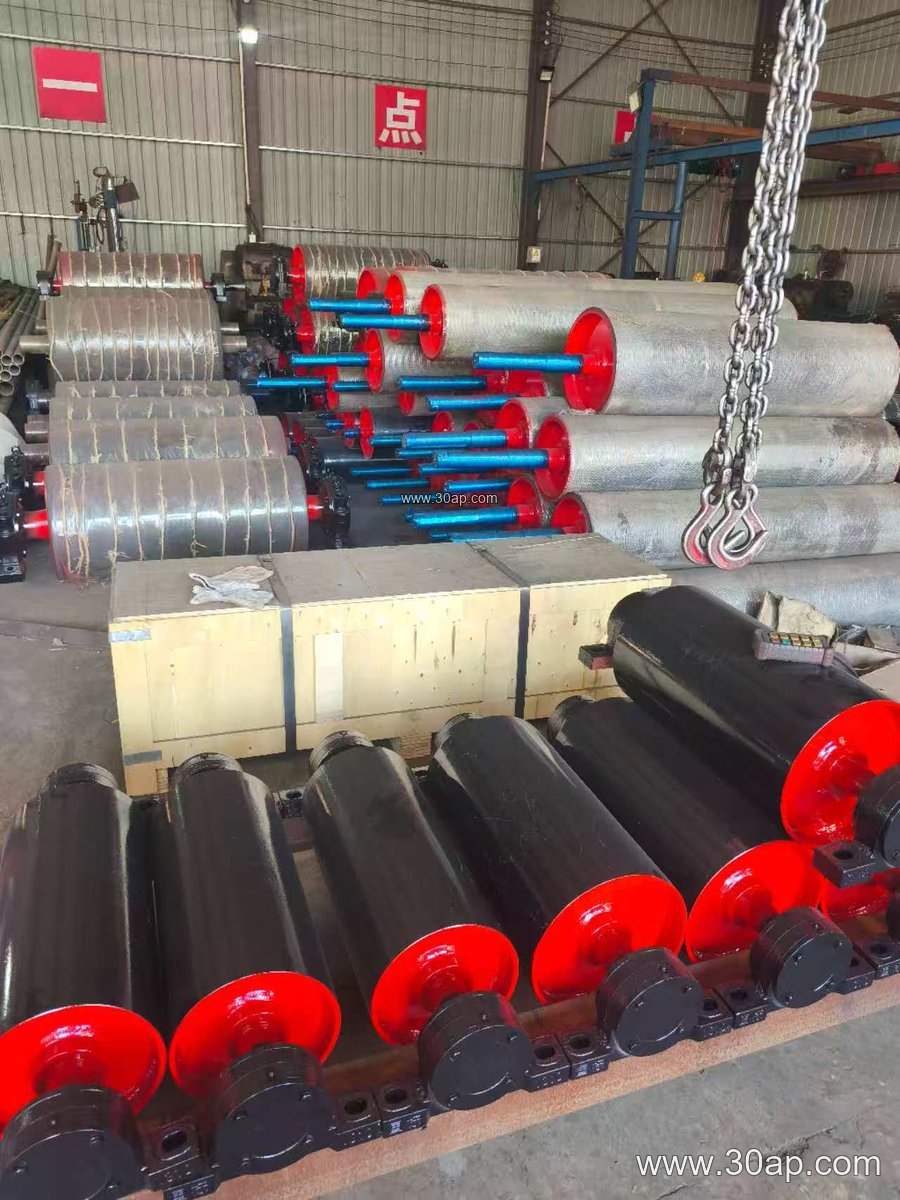
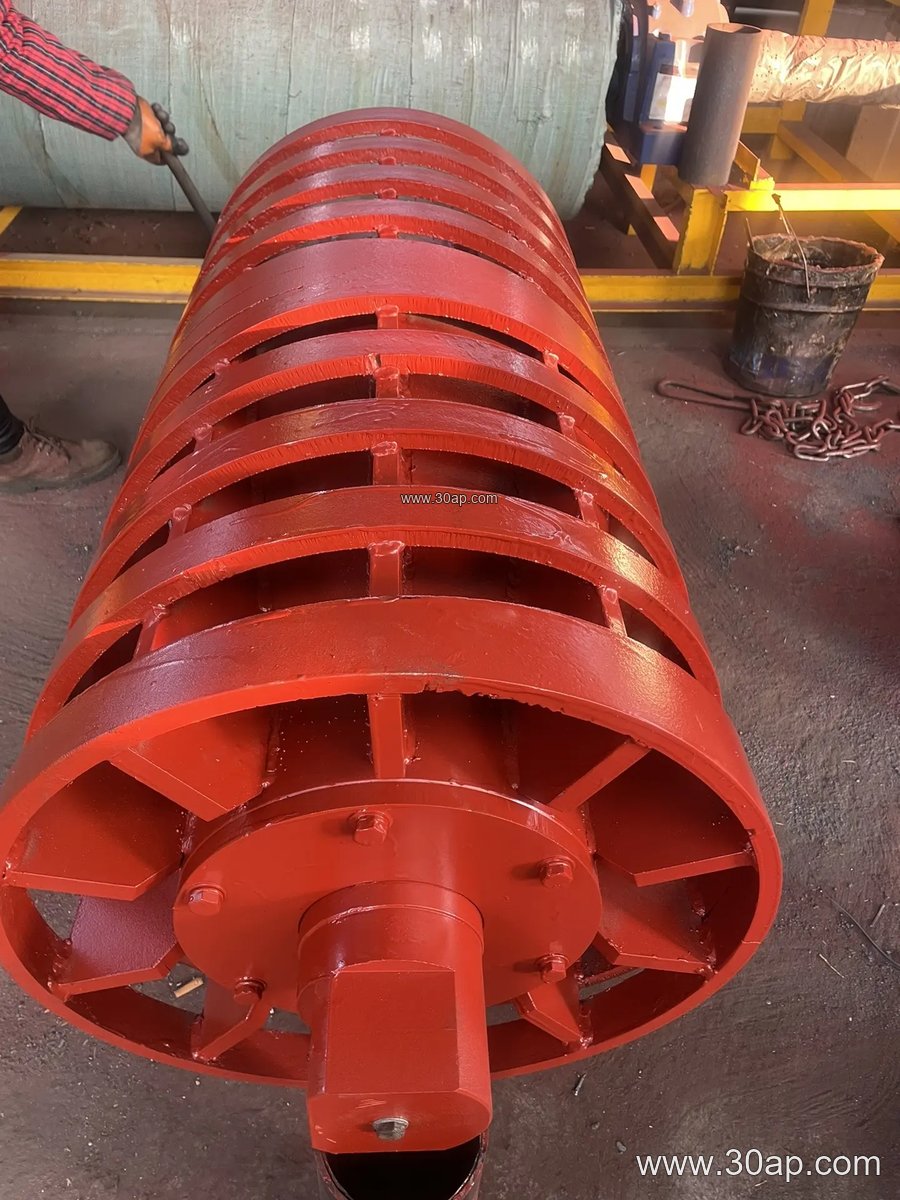
A typical unit combines a rolled steel shell, two end discs, a through shaft, bearing housings, and a lagging surface. The shell is machined so the belt tracks evenly, and the shaft is sized by torque and radial load rather than by belt width alone. Common shaft diameters include Ø80, Ø100, Ø120, Ø140, and Ø160, but the final figure comes from the drive calculation.
Lagging is the part that determines grip. Plain shells suit light duty, while hot-vulcanized rubber, cold-bonded rubber, diamond grooving, chevron grooving, and ceramic tiles are chosen where slip is a risk. Lagging thickness is often 8, 10, 12, 15, or 20 mm depending on the duty. In a quarry or a stone crushing line, a diamond-grooved rubber lagging on a Ø630 or Ø800 drum is a common way to keep a dusty belt from slipping.
Matching the Drum to the Belt
Face width normally runs wider than the belt so the belt stays supported through any slight misalignment. For example, a B800 belt usually runs on a drum face of about 950 mm, and a B1200 belt on roughly 1400 mm. Diameter is a separate decision: B800 × Ø500 and B1200 × Ø1000 are both realistic combinations, but so are other pairings. No single belt width locks you into one drum diameter.
| Belt width | Typical face width | Diameter examples |
|---|---|---|
| B500 | about 600 mm | Ø250, Ø315, Ø400 |
| B650 | about 750 mm | Ø315, Ø400, Ø500 |
| B800 | about 950 mm | Ø400, Ø500, Ø630 |
| B1000 | about 1150 mm | Ø500, Ø630, Ø800 |
| B1200 | about 1400 mm | Ø630, Ø800, Ø1000 |
| B1400 | about 1600 mm | Ø800, Ø1000, Ø1250 |
| B1600 | about 1800 mm | Ø1000, Ø1250, Ø1400 |
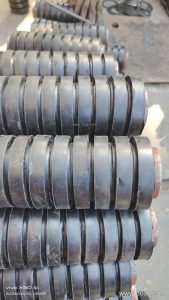
The wrap angle matters too. A snub or pressure drum can be added near the head to increase contact area when the conveyor is short or heavily loaded. An idler roller on the return side keeps the belt aligned before it reaches the drive.
Where It Works
In a coal preparation plant, the head drive pulley on the main haulage conveyor often runs with a flame retardant conveyor belt and anti-static properties, and the drum is usually fitted with rubber lagging to cope with fine wet coal. In a cement plant clinker line, heat resistant conveyor belt grades and abrasion resistant conveyor belt grades are common, and the drive drum needs a shell that will not distort under continuous high load.
Other settings include copper ore handling, limestone quarries, power plant coal yards, port bulk terminals, and aggregate plants. In each case the drive drum is paired with a fabric core conveyor belt or a steel cord conveyor belt, depending on tension and distance. Long overland runs in iron ore mines tend to use steel cord belts, while shorter in-plant conveyors often use multi-ply fabric core belts.
What Buyers Should Check
- Confirm the belt width, belt type, and required wrap angle before choosing a drum diameter.
- State the lagging style and thickness: plain, diamond, chevron, or ceramic, at 8 to 20 mm.
- Give the calculated shaft torque so the shaft diameter is set correctly, not guessed.
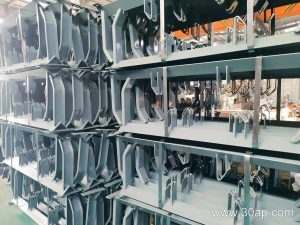
- Check that bearing housings and conveyor bracket dimensions fit the existing frame.
- Ask how the drum will be balanced, since imbalance shortens bearing life at speed.
A well-specified head drive pulley, matched to the belt and the duty, keeps a conveyor running quietly for years. Buying on belt width alone is the most common mistake, and it is easily avoided by sharing the full conveyor data with the supplier.