What a Galvanized Idler Is and Where It Fits
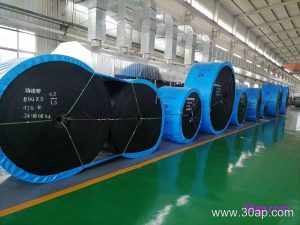
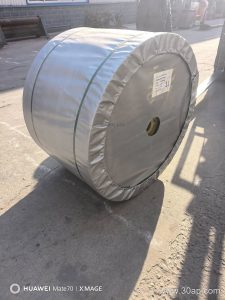
A galvanized idler is a conveyor roller whose steel body has been coated with zinc to resist corrosion. In a typical conveyor structure, these rollers support the Rubber Conveyor Belt on the carrying side or guide its return path. You will find them in stone crushing plants, cement works, power station coal yards, and port bulk terminals where dust and moisture are constant companions. The zinc layer does not change the roller’s basic job, but it does help the shell last longer in damp or slightly acidic surroundings.
Construction Details That Matter
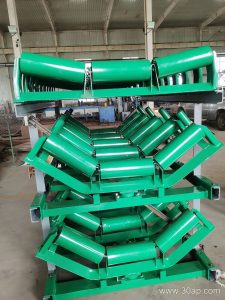
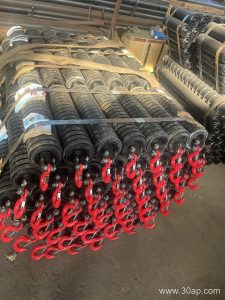
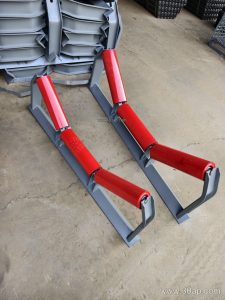
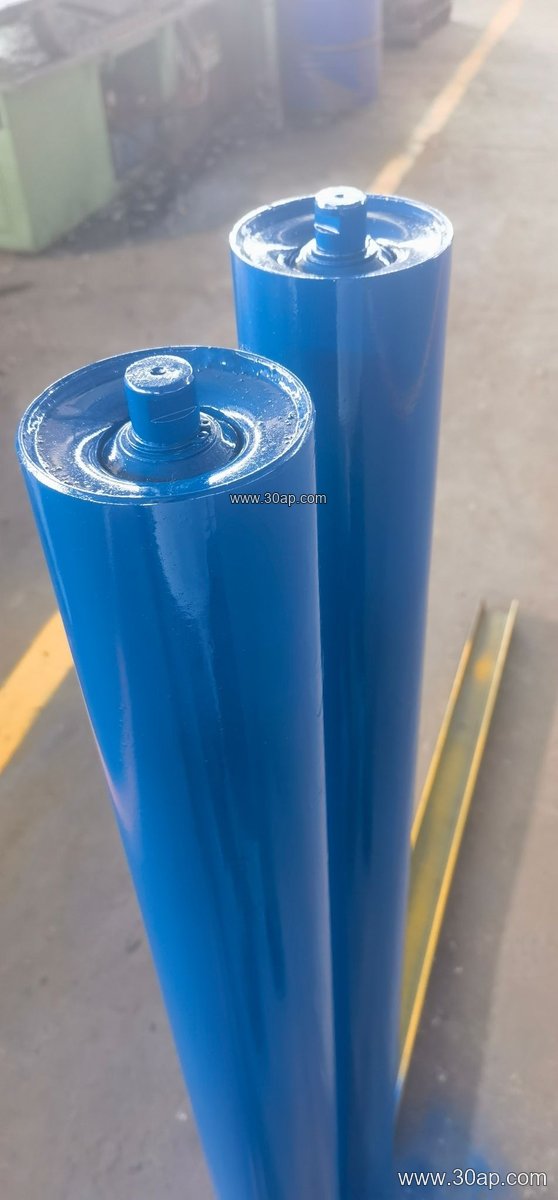
Most galvanized idlers start as a steel tube, cut to length and fitted with bearing housings at each end. The tube surface may be plain steel, or it may carry a rubber ring for impact absorption. After fabrication, the shell is hot-dip galvanized or electro-galvanized, giving a dull gray finish that sheds water rather than holding it. Common bearing sizes include 6204, 6205, 6305, and 6306, though the bearing choice follows the load and speed rather than the tube diameter alone. Seals are equally important: a labyrinth seal or a contact seal keeps fine grit away from the bearing cavity.
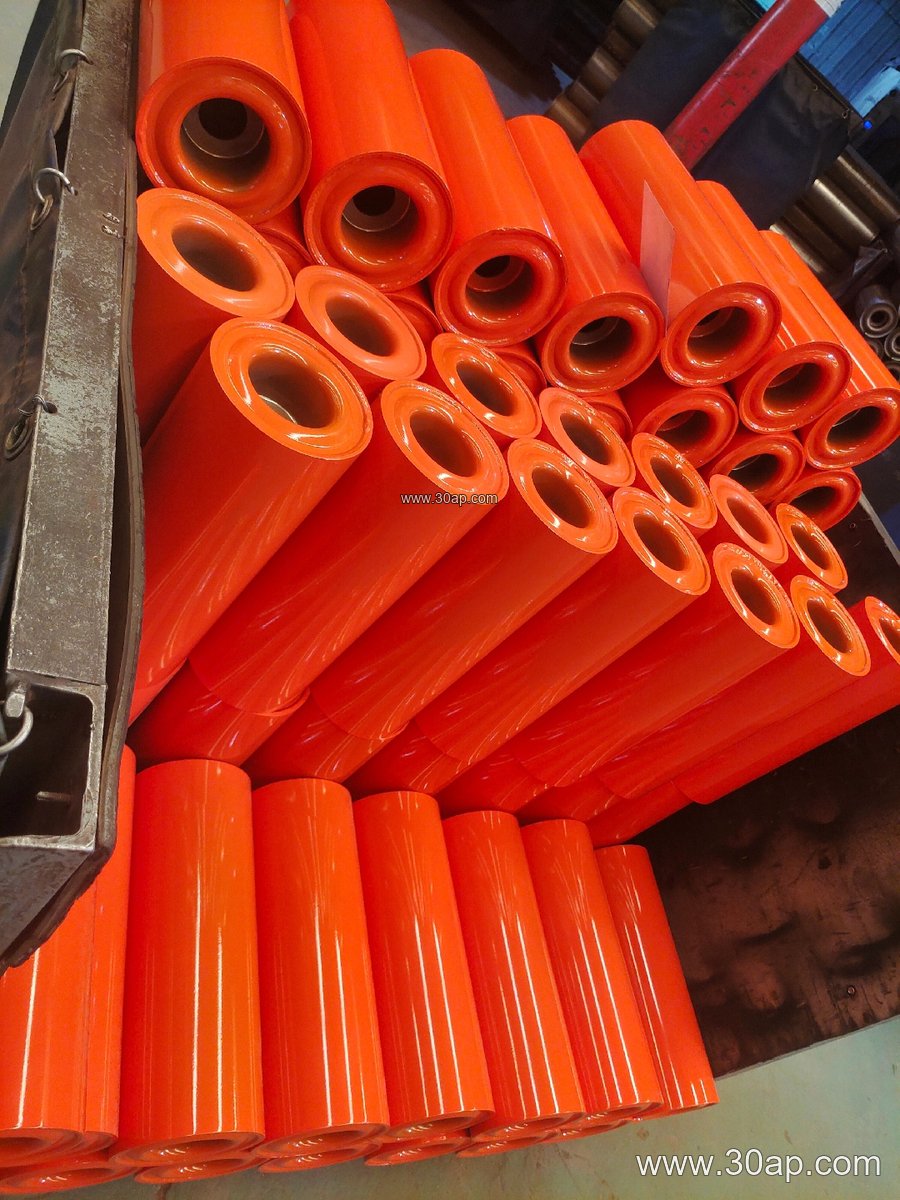
Roller diameter is usually selected from a standard range such as Ø89, Ø108, Ø127, Ø133, Ø159, or Ø178 mm. The length of the roller changes with belt width and trough angle. For a three-roll troughing set, a B800 belt commonly uses side rollers around 315 mm long, while a B1200 belt may call for roughly 465 mm rollers. These are reference examples, not fixed rules, because the center roll and side rolls can differ.
Where Galvanized Idlers Are Used
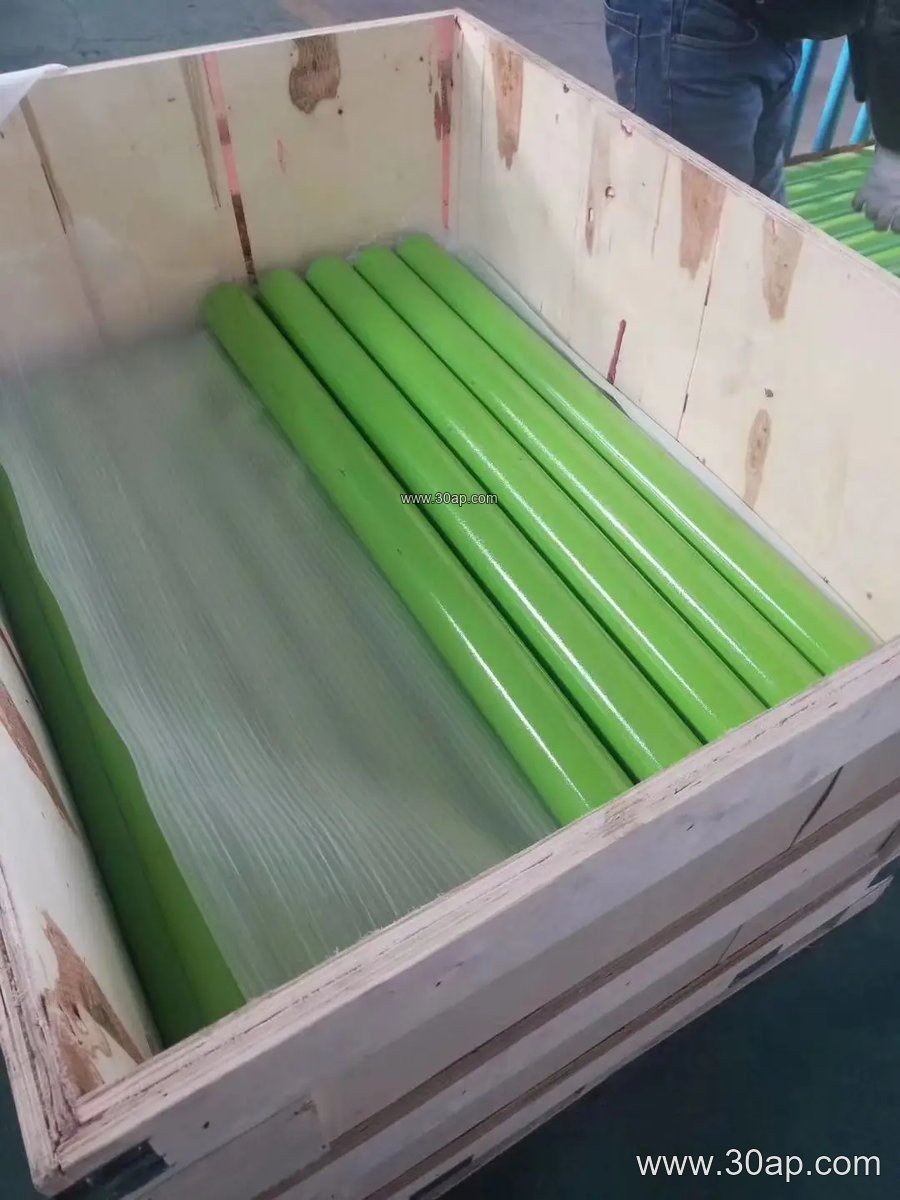
Two common settings show the range. In a limestone quarry, galvanized troughing idlers carry crushed rock toward the screening plant, where dust and wash water are present. In a coal-fired power plant, they support the Coal Mining Conveyor Belt on the yard conveyor, where humidity and coal fines can attack unprotected steel. The zinc coating is not a substitute for proper sealing, but it helps the outer shell resist rust between maintenance cycles.
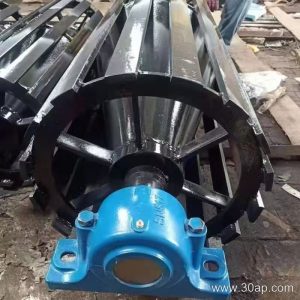
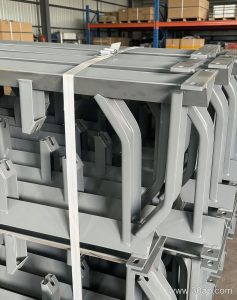
Other equipment nearby includes the conveyor pulley at the drive and tail ends, and the conveyor bracket that holds each idler frame in place. These parts work together, and a galvanized idler should be matched to the bracket and frame dimensions.
Common Types and Surface Forms
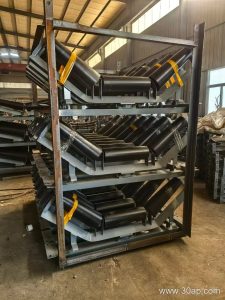
Galvanized idlers appear in several configurations. Troughing idlers, return idlers, impact idlers, and training idlers are all available with galvanized shells. The table below lists typical reference values, not a supply promise.
| Item | Common Reference Range |
|---|---|
| Roller diameter | Ø63, Ø76, Ø89, Ø102, Ø108, Ø127, Ø133, Ø159, Ø178, Ø194, Ø219 mm |
| Belt width | B400 to B2400 |
| Trough angle | 20°, 30°, 35°, 45° |
| Roller surface | Plain steel, rubber ring, nylon, ceramic |
| Bearing | 6204, 6205, 6305, 6306, 6308, 6310 |
| Idler set | Single roll, two-roll, three-roll troughing |
For comparison, a bend pulley changes belt direction, while a galvanized idler only supports the belt. The two are not interchangeable, and neither is a drive pulley. When specifying, keep the idler type separate from the pulley type.
Buyer Checklist
- Confirm the belt width and trough angle before choosing roller length.
- Check the zinc coating thickness if the site is humid or coastal.
- Match the bearing and seal to the dust and water conditions.
- Ask whether the idler is for carrying, return, or impact duty.
- Verify that the idler frame fits the existing conveyor bracket spacing.
A galvanized idler is a practical choice where mild corrosion resistance is needed without switching to stainless steel. It suits many bulk handling lines, from aggregate yards to cement plants, as long as the buyer matches the roller to the belt and the load.