What a Sealed Idler Is
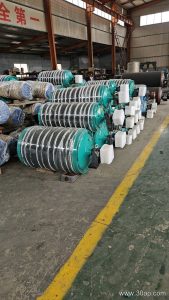
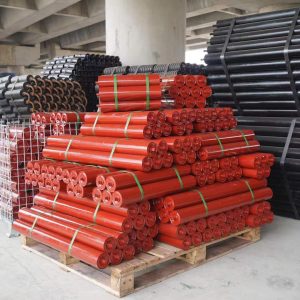
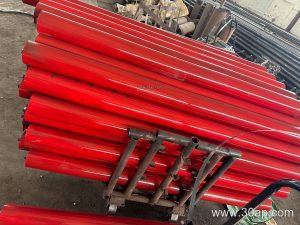
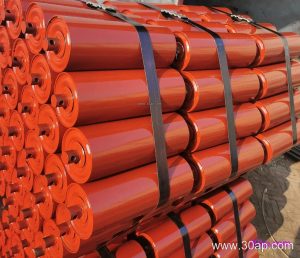
A sealed idler is a conveyor idler roller built with a protective sealing arrangement at each bearing housing. The seal keeps dust, fines, water spray, and other contaminants away from the bearing, which is the part most likely to fail first on a conveyor. In a quarry, a coal washing plant, or a cement plant, the difference between an open bearing and a properly sealed idler often decides how long the roller lasts. The sealed idler roller is the same product as a sealed conveyor idler, and both names describe a roller whose bearings are protected by a defined sealing system rather than left exposed.
How the Sealing System Is Built
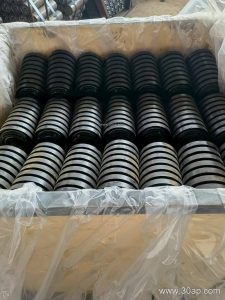
The typical construction is a steel tube body with welded end caps, a shaft, and a bearing set inside each end. The seal package usually combines a labyrinth path, a felt or rubber lip, and a grease-filled cavity. Some designs use a triple labyrinth seal with an additional outer cover. The aim is not a perfectly airtight enclosure but a controlled path that makes contaminants travel a long way before reaching the bearing.
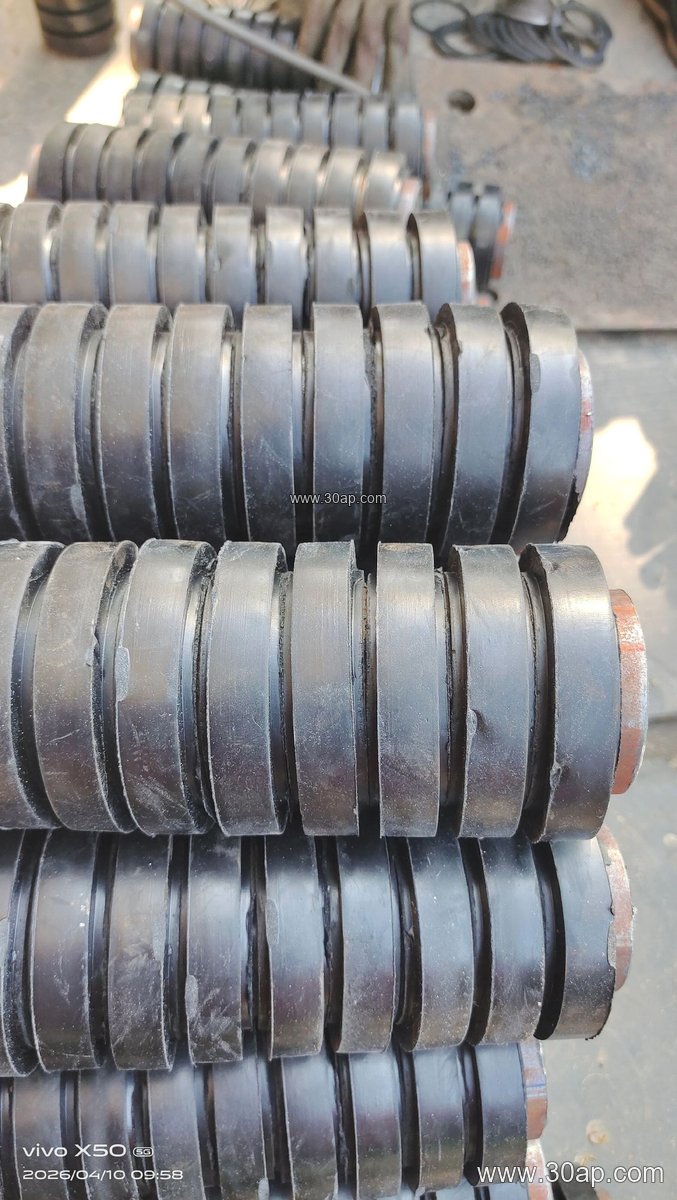
- Tube body in steel, with nylon, ceramic, or rubber-covered surfaces for special duties
- Bearing sizes commonly 6204, 6205, 6305, 6306, 6308, or 6310, selected by load and roller diameter
- Labyrinth seal, lip seal, or a combined arrangement
- Grease retention and a drain path for water in wet applications
Because the seal adds a small amount of running friction, a sealed idler is chosen where contamination risk is high rather than where the lowest possible rolling resistance is the only goal.
Where Sealed Idlers Fit on the Conveyor
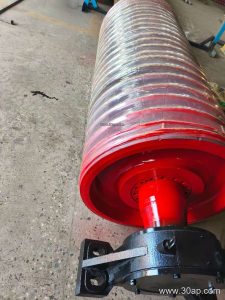
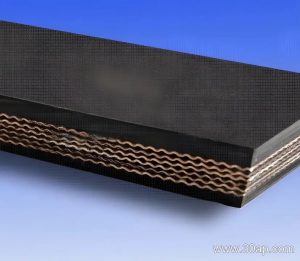
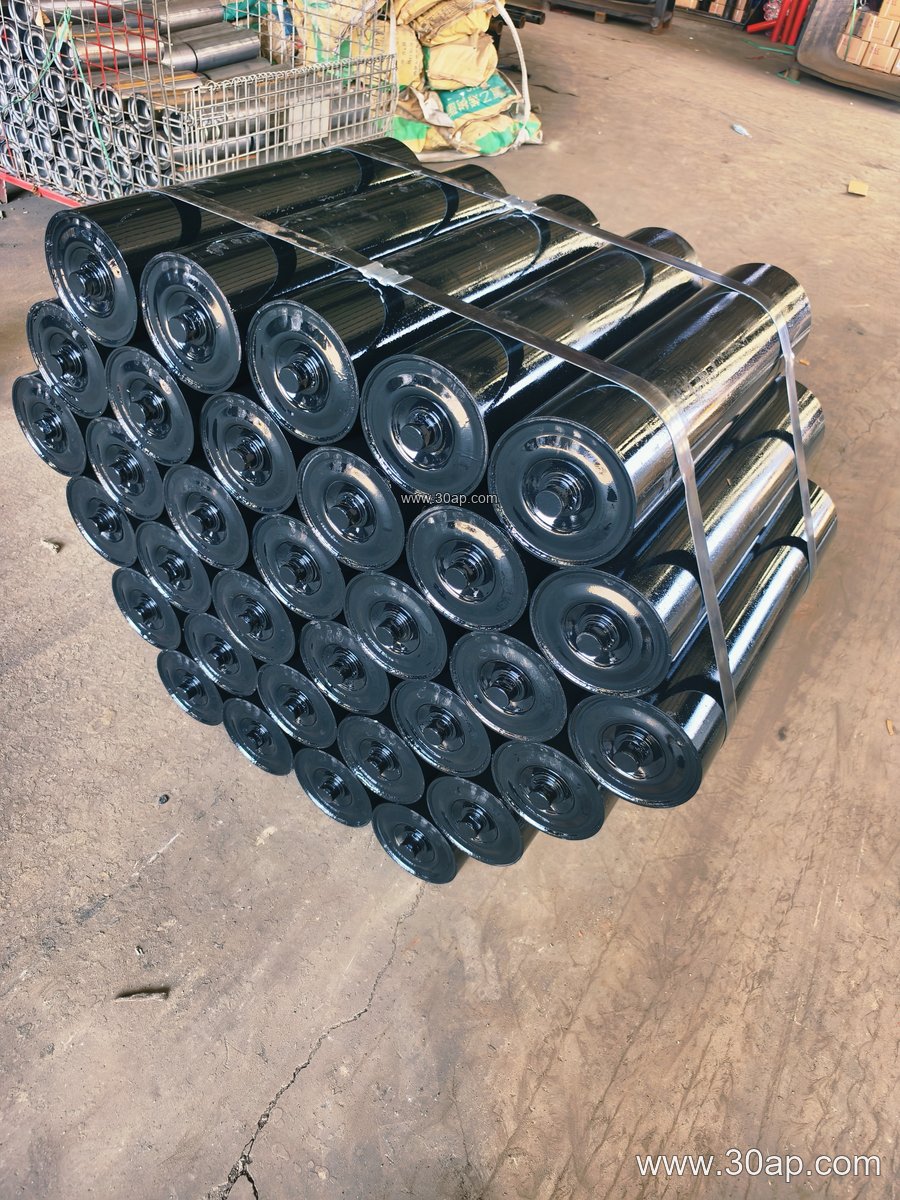
Sealed idlers appear on carrying and return runs alike. Troughing sets, transition idlers, and flat return rollers can all be supplied in sealed versions. In a coal preparation plant or a power plant coal yard, wash water and fine dust make sealing essential. In a limestone or iron ore crushing circuit, abrasive dust attacks bearings quickly, so sealed idlers on the carrying side reduce stoppages. On a conveyor carrying a rubber conveyor belt, the idlers support the belt and the load, and the seal quality directly affects belt tracking stability over time.
They are also common in tunnel spoil removal, fertilizer handling, and aggregate lines where the material is damp or dusty. A sealed idler is not a substitute for a buffer idler at a loading point or for a self-aligning idler on a misaligned run; those are separate functions. Where impact is severe, a buffer roller is the correct choice, and where belt training is the issue, an aligning roller is the correct choice.
Common Dimensions and Bearing Pairings
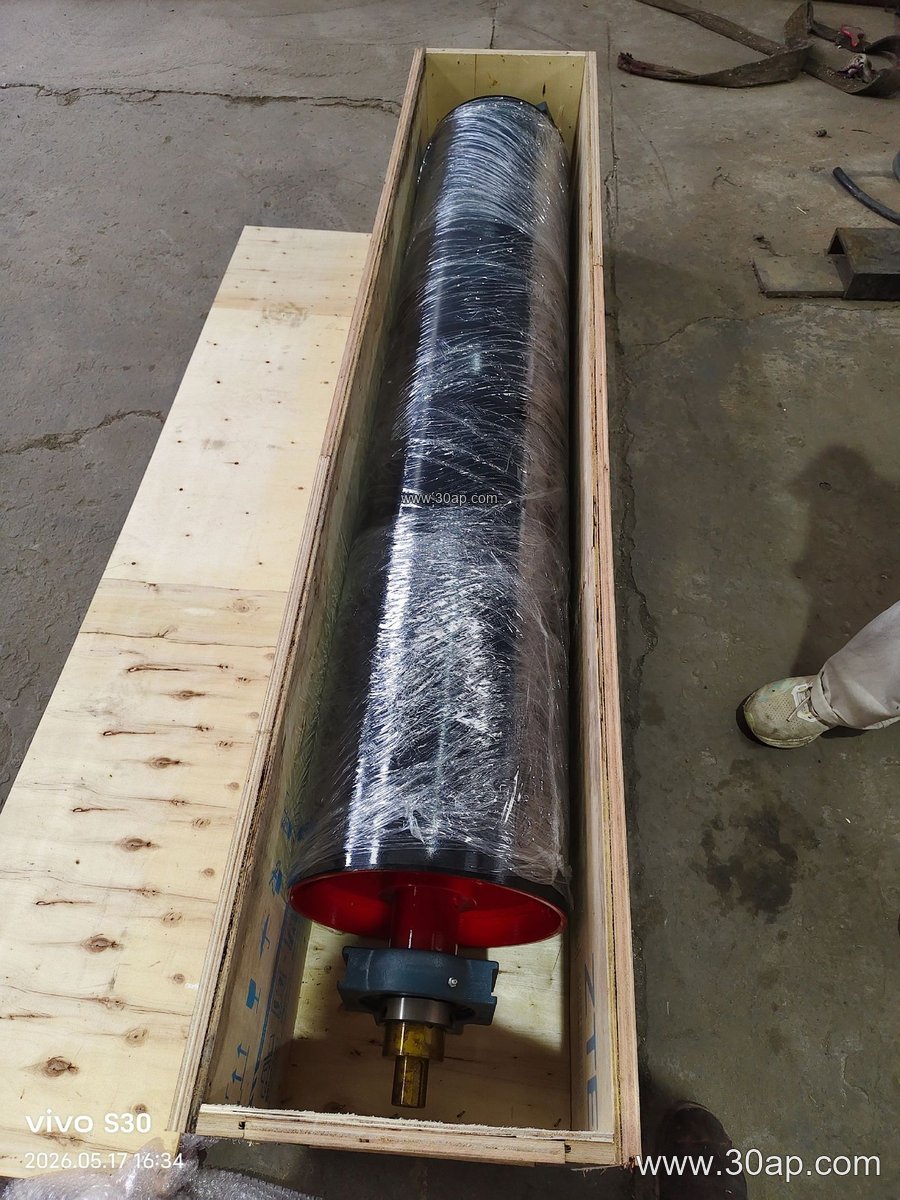
The table below gives representative values, not fixed combinations. Roller length follows belt width, trough angle, and roll arrangement, and side rolls may differ from the centre roll.
| Belt width | Typical roll length, 3-roll trough | Common roller diameter | Bearing options |
|---|---|---|---|
| B500 | about 200 mm | Ø63, Ø76, Ø89 | 6204, 6205 |
| B650 | about 250 mm | Ø76, Ø89, Ø102 | 6204, 6205, 6305 |
| B800 | about 315 mm | Ø89, Ø102, Ø108 | 6205, 6305, 6306 |
| B1000 | about 380 mm | Ø102, Ø108, Ø127 | 6305, 6306 |
| B1200 | about 465 mm | Ø108, Ø127, Ø133 | 6306, 6308 |
| B1400 | about 530 mm | Ø127, Ø133, Ø159 | 6308, 6310 |
| B1600 | about 600 mm | Ø133, Ø159, Ø178 | 6308, 6310 |
| B1800 | about 670 mm | Ø159, Ø178, Ø194 | 6310 |
| B2000 | about 750 mm | Ø178, Ø194, Ø219 | 6310 |
Trough angles are usually 20, 30, 35, or 45 degrees, and a forward tilt of about 1.5 to 2 degrees is used on some training arrangements. Shaft diameter and bearing fit are determined by load calculation, not by belt width alone.
Buyer Checklist
Ask how the seal is structured, not just whether the idler is called sealed. Confirm the bearing size, the roller diameter, the wall thickness, and the surface form. For a coal mine or underground application, check that the roller matches the flame retardant and anti-static requirements of the flame retardant conveyor belt in use. For a cement plant or a sinter line, confirm heat tolerance of the seal and grease. For a port or a wet washing plant, confirm water drainage and corrosion protection.
Match the idler to the belt: a steel cord conveyor belt on a long overland run needs rollers with consistent diameter and low runout, while a short EP conveyor belt in a crushing plant may accept a more economical sealed design. Keep spare rollers from the same batch where possible, and record installation dates so that seal life can be compared across positions.
Installation and Maintenance Notes
Align the conveyor bracket and frame before fitting rollers, since a distorted frame loads the seals unevenly. Do not over-grease a sealed idler; excess grease can push past the lip and carry dust inward. Check for a worn roller surface, a noisy bearing, or a wobbling shaft during routine walks, and replace a failed idler early rather than letting it damage the belt edge. In dusty service, a short inspection interval at loading and transfer points pays back quickly.