What a Non-Standard Conveyor Bracket Really Is
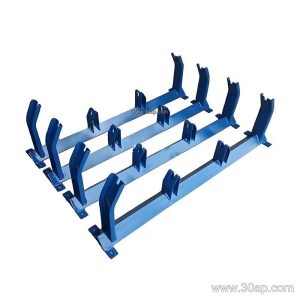
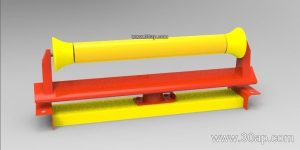
A Non-Standard Conveyor Bracket is a support component made to fit one specific conveyor layout rather than a catalog standard. In practice, it is the custom-made frame that holds idlers in the correct position under the belt. Because every conveyor line has its own width, trough angle, transition length and loading point, the bracket often has to be adapted. A fabric core conveyor belt running on a wide line may need a different bracket geometry from a narrow unit carrying the same material, and that is exactly where custom fabrication earns its place.
These parts are also called custom conveyor idler brackets or made-to-order idler support frames. They are not the same as a drive pulley bracket or a bend pulley base; those support the pulleys, while this bracket carries the idlers that shape the belt.
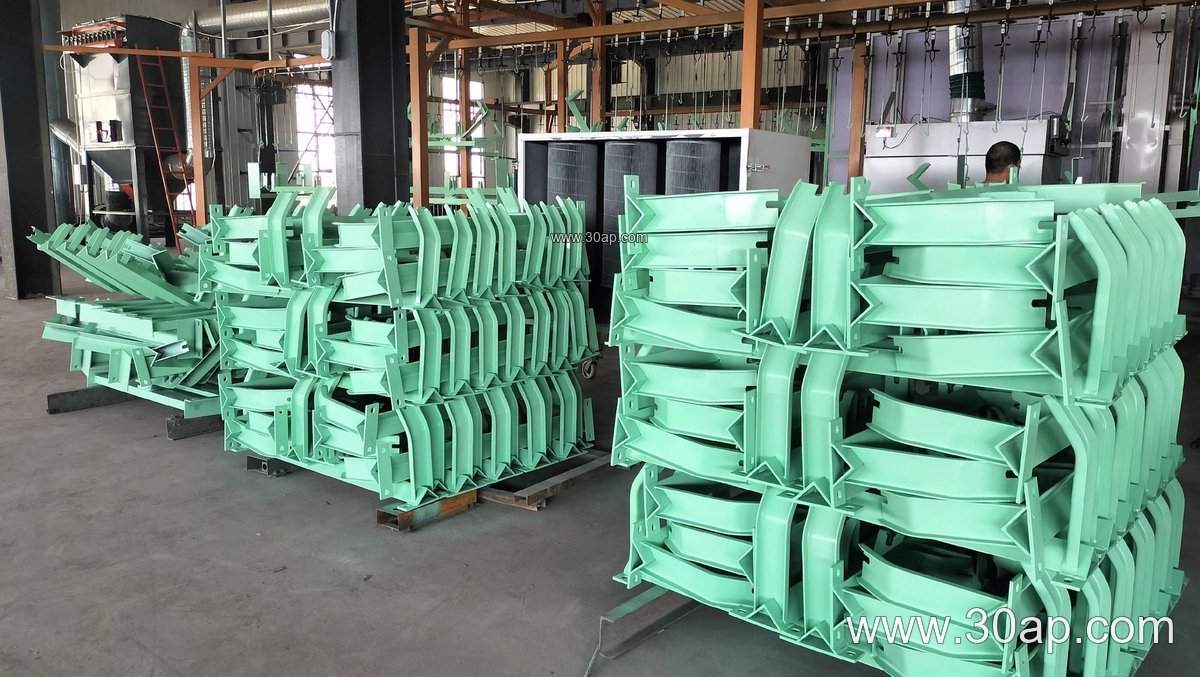
How the Bracket Is Built
Most units are fabricated from angle steel, channel steel or bent steel plate. The material choice follows the load: a heavy-duty mining conveyor belt on an iron ore line usually calls for thicker channel, while a lighter aggregate conveyor belt in a sand and gravel plant can use a folded plate design. Welding, hole spacing and beam length are set by the belt width, the trough angle and the idler diameter, so the drawing matters more than any stock size.
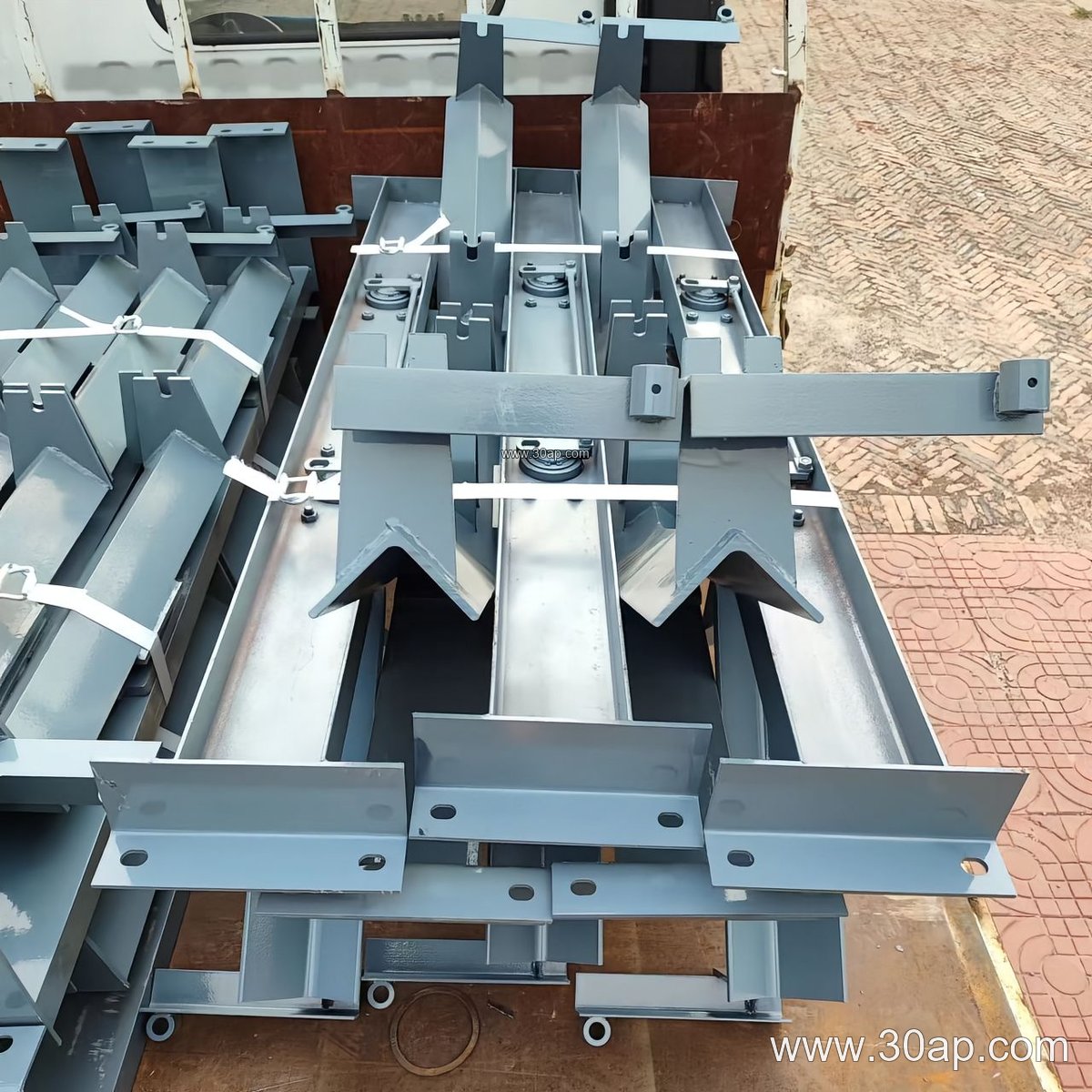
Common arrangements include upper trough brackets, transition brackets, return brackets and V-return brackets. A self-aligning bracket and a forward-leaning bracket are also made to order when belt tracking is a concern. The forward lean is typically about 1.5 to 2 degrees, which helps the belt stay centered without extra hardware.
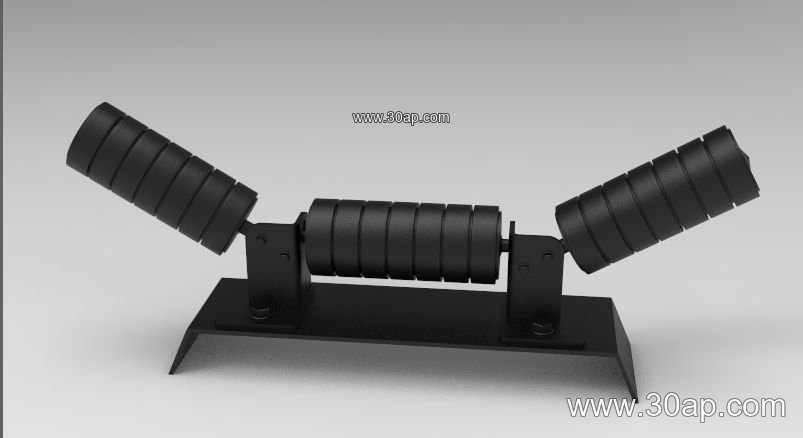
Where Custom Supports Are Used
Custom brackets turn up wherever a standard frame will not fit. In a coal washing plant, a flame retardant conveyor belt may run through a tight transfer tower where the bracket has to clear structural steel. In a cement plant, a heat resistant conveyor belt near the kiln discharge often needs a wider support span. Port terminals handling a steel cord conveyor belt on a long boom rely on fabricated brackets to keep idler spacing consistent.
- Crushing and screening lines with frequent belt changes
- Power plant coal handling with confined galleries
- Tunneling spoil removal where space is limited
- Fertilizer and grain silo systems with light frames
Matching Belt Width, Trough Angle and Idler Diameter
Buyers should treat the bracket, the idler roller and the belt as one system. The bracket sets the trough angle, and the angle affects how much material the belt can hold. Reference combinations are often written as B800, 35 degrees, Ø108 or B1200, 45 degrees, Ø133, but these are examples, not fixed rules. A B650 line with a 30 degree trough and Ø89 idlers is common in small aggregate plants, while a B1600 or B1800 line in a quarry may use Ø159 or Ø194 idlers at 35 or 45 degrees.
Installation hole spacing and crossbeam length change with belt width and trough angle, so no single dimension should be assumed. A 1000mm or 1200mm wide belt can be supported at several idler diameters depending on load and speed.
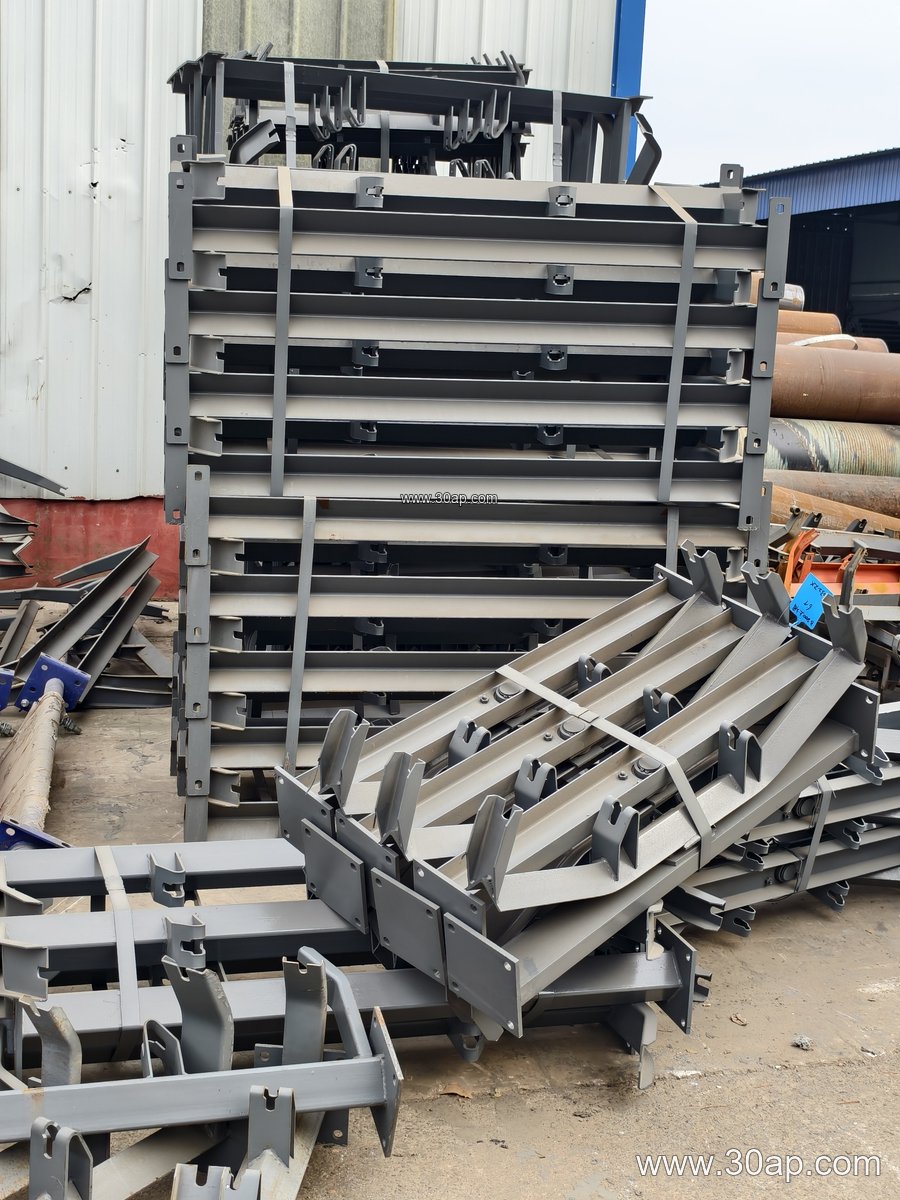
What to Confirm Before Ordering
Send the drawing or a clear description of the mounting points, the belt width, the required trough angle and the idler diameter. State the material being carried and the environment, because an abrasion resistant conveyor belt in a copper ore circuit puts different demands on the frame than an oil resistant belt in a recycling line. Confirm whether the bracket is fixed or adjustable, and whether it is an upper, return or transition position.
Ask about surface treatment and check that the bracket matches the conveyor pulley centers and the existing steel structure. A well-made custom bracket should fit the first time, keep the idlers aligned and let the belt run true without constant adjustment.