What a Pipe Conveyor Belt Is
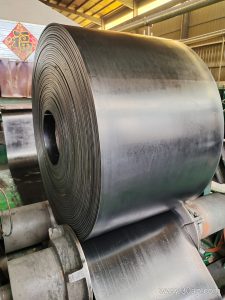
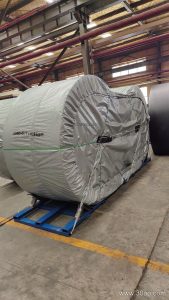
A Pipe Conveyor Belt is a fabric or steel cord conveyor belt that is designed to fold into a closed tube along the carrying run and open flat again at the head and tail. Instead of leaving material exposed on a flat belt, the belt curls into an overlapping circle, so the cargo is enclosed from loading point to discharge. This makes the pipe conveyor belt a practical choice where dust control, spillage prevention, or route flexibility matters.
The belt is still a conveyor belt in the usual sense, but its construction and the conveyor layout are adapted to the tubular profile. The same conveyor line may run horizontally, incline, curve, and even travel vertically in a single continuous path.
How the Belt and Conveyor Are Built
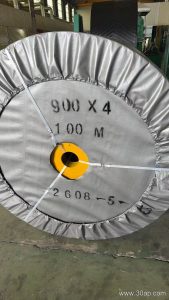
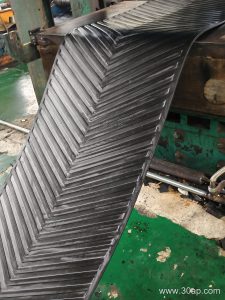
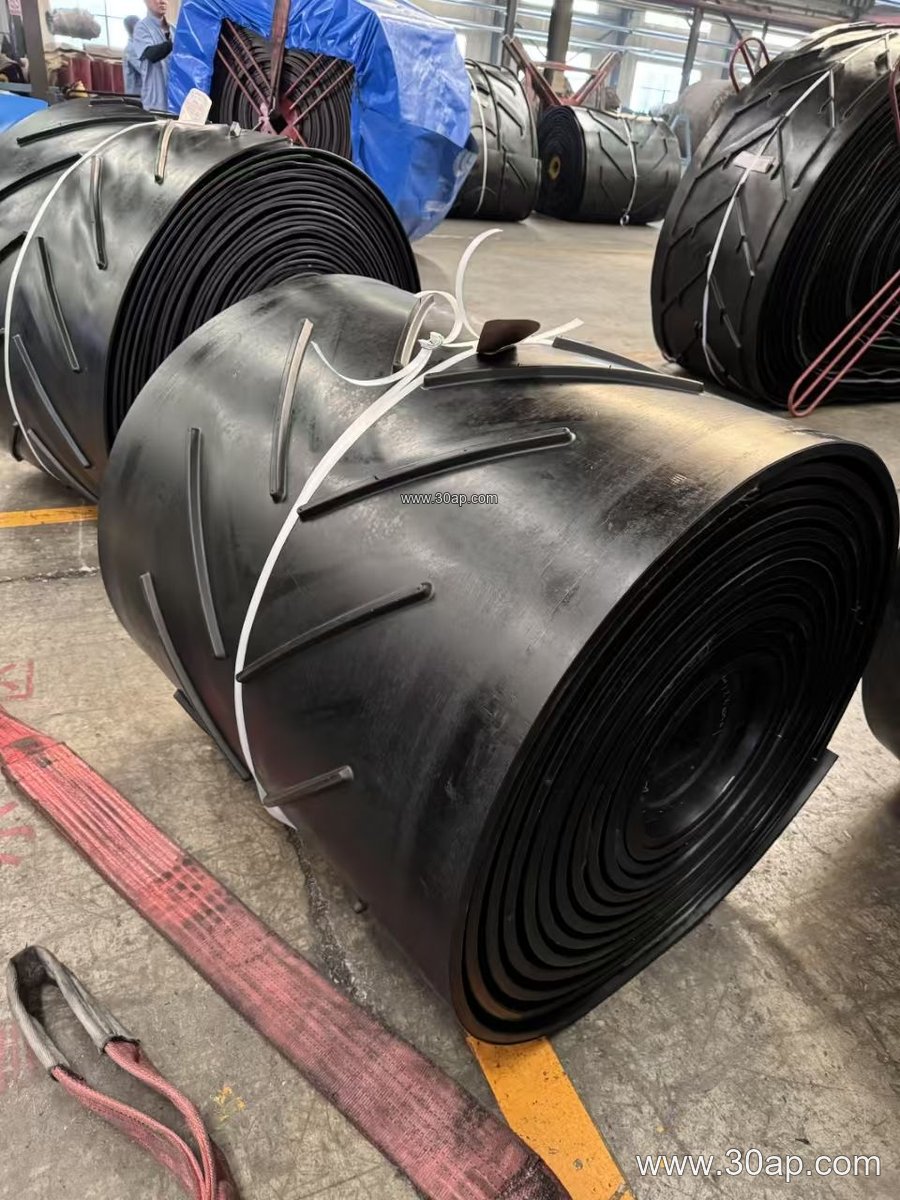
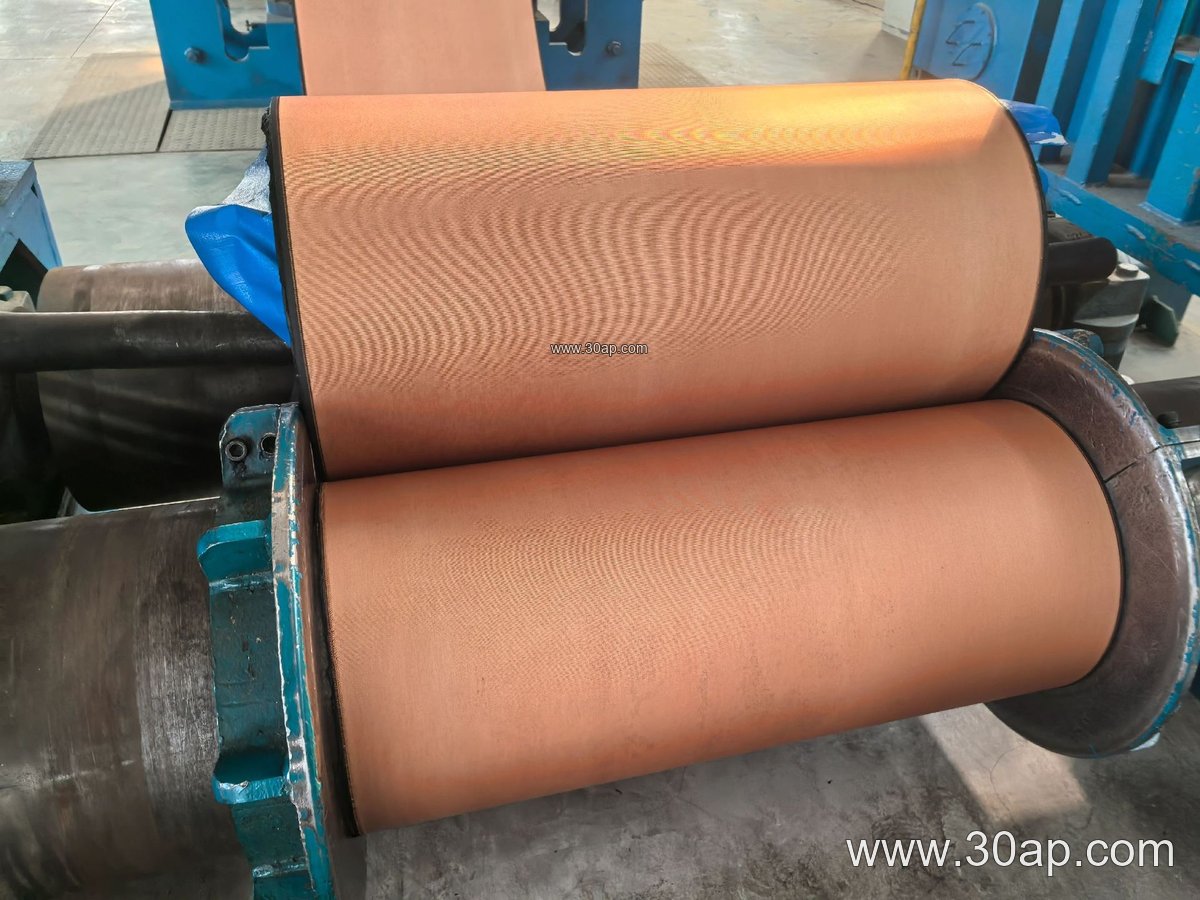
The belt body usually combines a fabric core, such as an EP conveyor belt or NN conveyor belt carcass, or a steel cord construction for longer and heavier duties. Rubber covers protect the carcass from abrasion, impact, heat, oil, or fire risk, depending on the site. Transverse rigidity is important because the belt must hold a stable tube shape without collapsing.
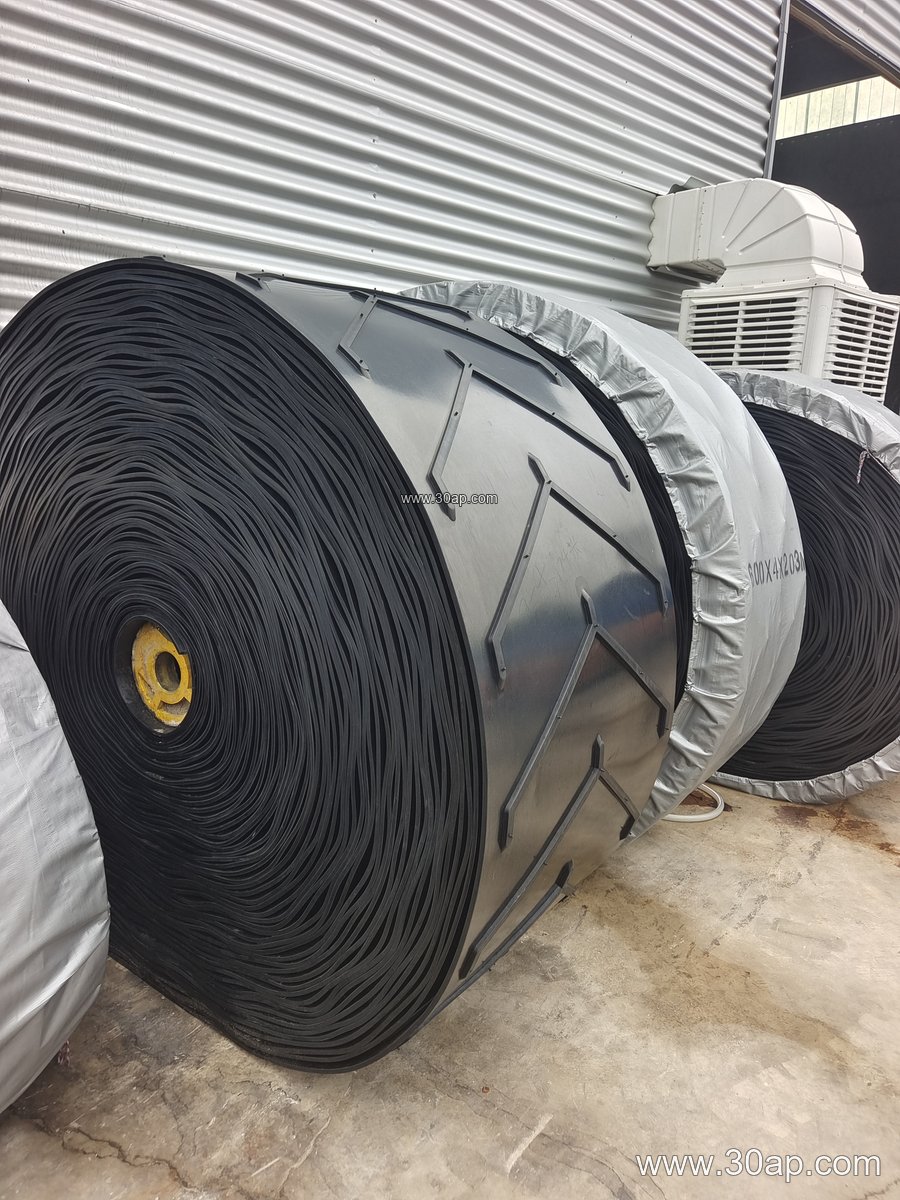
A typical pipe conveyor arrangement includes the following components:
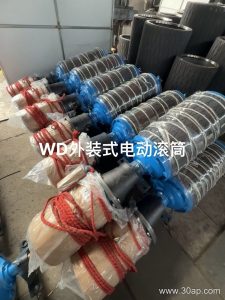
- Drive pulleys that transmit power to the belt
- Tail pulleys where the belt is loaded and opened
- Bend pulleys that guide the belt through changes in direction
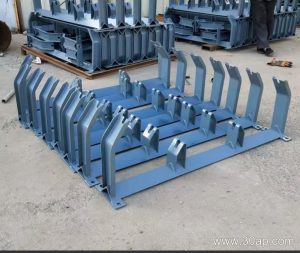
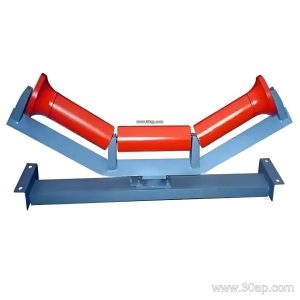
- Idler roller sets arranged in hexagonal or other polygonal frames to form the pipe
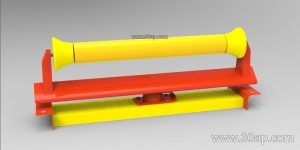
- Conveyor brackets and support structures that hold the idlers and keep alignment
These parts are not interchangeable in name or function. Drive pulleys pull the belt, tail pulleys support the return and loading zone, and bend pulleys handle route geometry. Correct selection of each pulley type, together with well-matched idler rollers and conveyor brackets, keeps the tube round and the belt tracking stable.
Where Pipe Conveyor Belts Are Used
Enclosed conveying suits many dusty and sensitive bulk materials. Common industries include mining, coal preparation, cement plants, power plants, steel plants, ports, and aggregate or sand making plants. A pipe conveyor belt can carry coal, clinker, limestone, ore, fertilizer, and other bulk material through areas where open belts would release dust or lose material at transfer points.
In underground mining and tunnel projects, the enclosed profile helps limit contamination and keeps the material stream contained. At ports and ship loading facilities, the tube shape reduces wind-blown loss. For cement and power plant sites, it can simplify routing around buildings and roads because the line can curve without extra transfer towers.
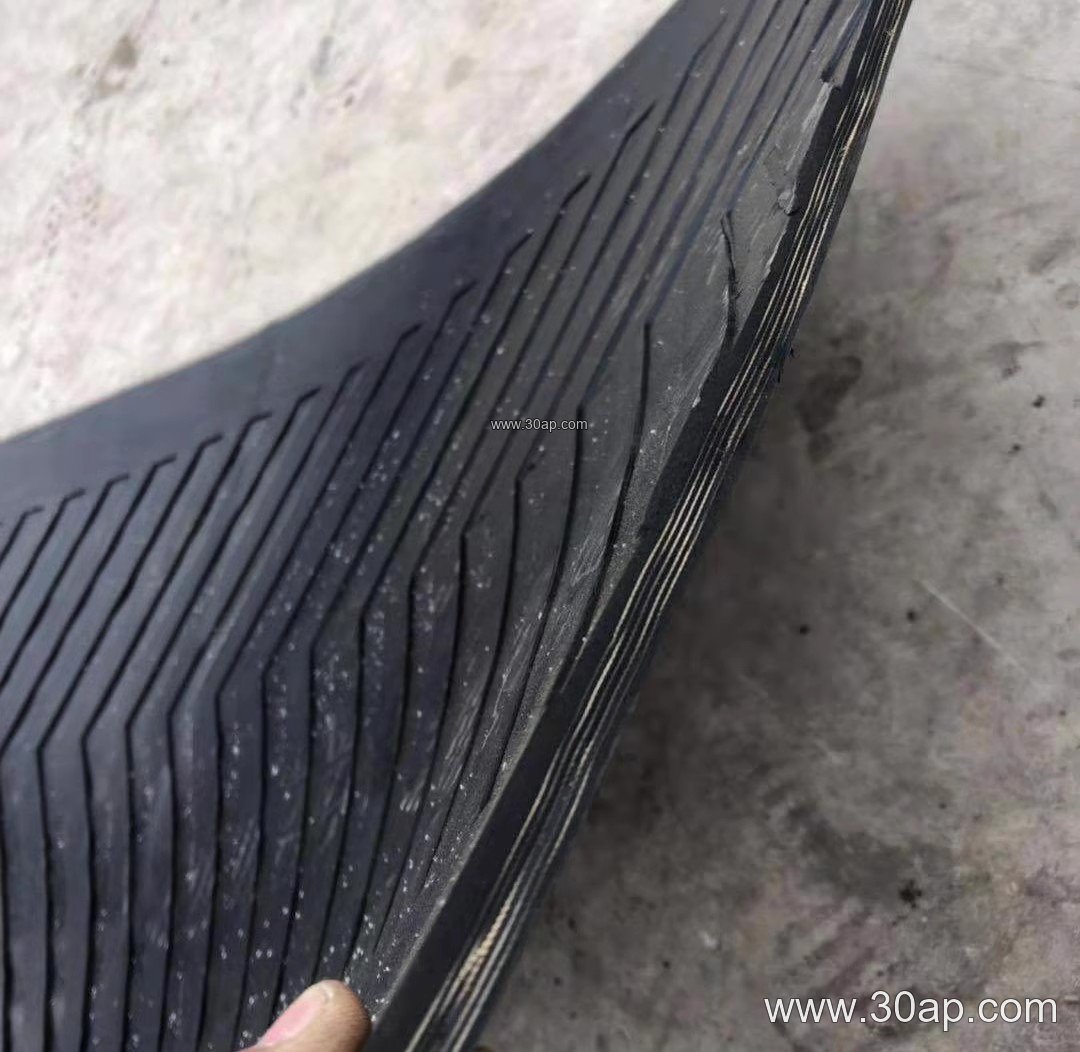
Where the material is abrasive, a high abrasion resistant conveyor belt cover may be specified. For hot clinker or cement, a heat resistant conveyor belt grade is often considered. In coal mining, flame retardant conveyor belt and anti-static properties are frequently requested, while cold resistant grades serve sites with severe winters.
Specifications a Buyer Should Review
Pipe conveyor belt dimensions are not universal, and the belt width must match the tube diameter and the idler frame design. A belt that is too wide or too narrow for the pipe layout will not form a reliable overlap. The table below shows common reference values; actual selections should be confirmed by the conveyor designer.
| Parameter | Common Reference Range |
|---|---|
| Belt width | B500, B650, B800, B1000, B1200, B1400, B1600, B1800, B2000 |
| Fabric core strength | EP200, EP315, EP400, EP500, EP630, EP800, EP1000, EP1250, EP1600, EP2000 |
| Steel cord strength | ST1000, ST1250, ST1600, ST2000, ST2500, ST3150 |
| Cover thickness | 3+1.5 mm, 4+2 mm, 5+2 mm, 6+2 mm, 8+3 mm |
| Carcass plies | Usually 2 to 6 layers for fabric core belts |
Other choices include cover rubber grade, pulley diameter, idler roller spacing, and the transition length where the belt changes from flat to tubular. Buyers should also ask about the overlap direction, edge condition, and splice method, since a poor splice can disturb the tube shape.
Selection and Maintenance Notes
Start with the material: lump size, density, moisture, temperature, and chemical exposure all affect the cover compound and carcass. A heavy-duty mining conveyor belt may need a thicker cover and stronger core than a light aggregate line. Route length, curve radius, and lift height then determine the pulley sizes and the required belt tension.
During operation, check idler roller alignment and replace worn rollers promptly. Worn idlers can flatten the tube, cause edge damage, and increase power demand. Inspect drive pulleys, tail pulleys, and bend pulleys for lagging wear and buildup, and keep conveyor brackets tight. A regular check of belt edges and the overlap zone helps catch tracking problems early.
For buyers comparing options, a Pipe Conveyor Belt is not simply a flat belt turned upside down. It is a system product that depends on coordinated belt design, pulley selection, idler frames, and support structure. Matching those elements to the site conditions is the key to reliable enclosed conveying.