What a Mining Flame Retardant Conveyor Belt Is
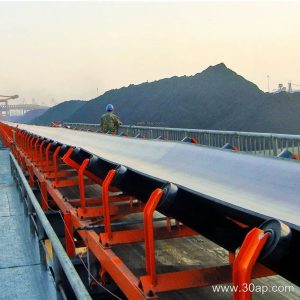
A Mining Flame Retardant Conveyor Belt is a heavy-duty rubber belt built to carry coal, ore, aggregate, and other bulk materials while limiting the risk of fire spread along the conveyor line. It is often specified simply as a flame retardant conveyor belt or a fire resistant conveyor belt, but the mining version is designed around the tougher demands of underground coal mining conveyor belts and surface mining conveyor belts. Unlike a standard Rubber Conveyor Belt used in a warehouse, this belt combines fire performance with cut resistance, impact resistance, and reliable tracking on long inclined routes.
How the Belt Is Built
The construction usually starts with a fabric core or a steel cord core. Fabric cores include EP conveyor belt (polyester-nylon) and NN conveyor belt (nylon-nylon) designs, often supplied as a Multi-Ply Fabric Core Conveyor Belt with two to six plies. Steel Cord Conveyor Belt grades such as ST1000 or ST1600 are chosen where tensile strength and low elongation matter on long hauls. The core is wrapped in skim rubber, then covered with top and bottom rubber layers formulated with flame retardant additives and anti-static compounds.
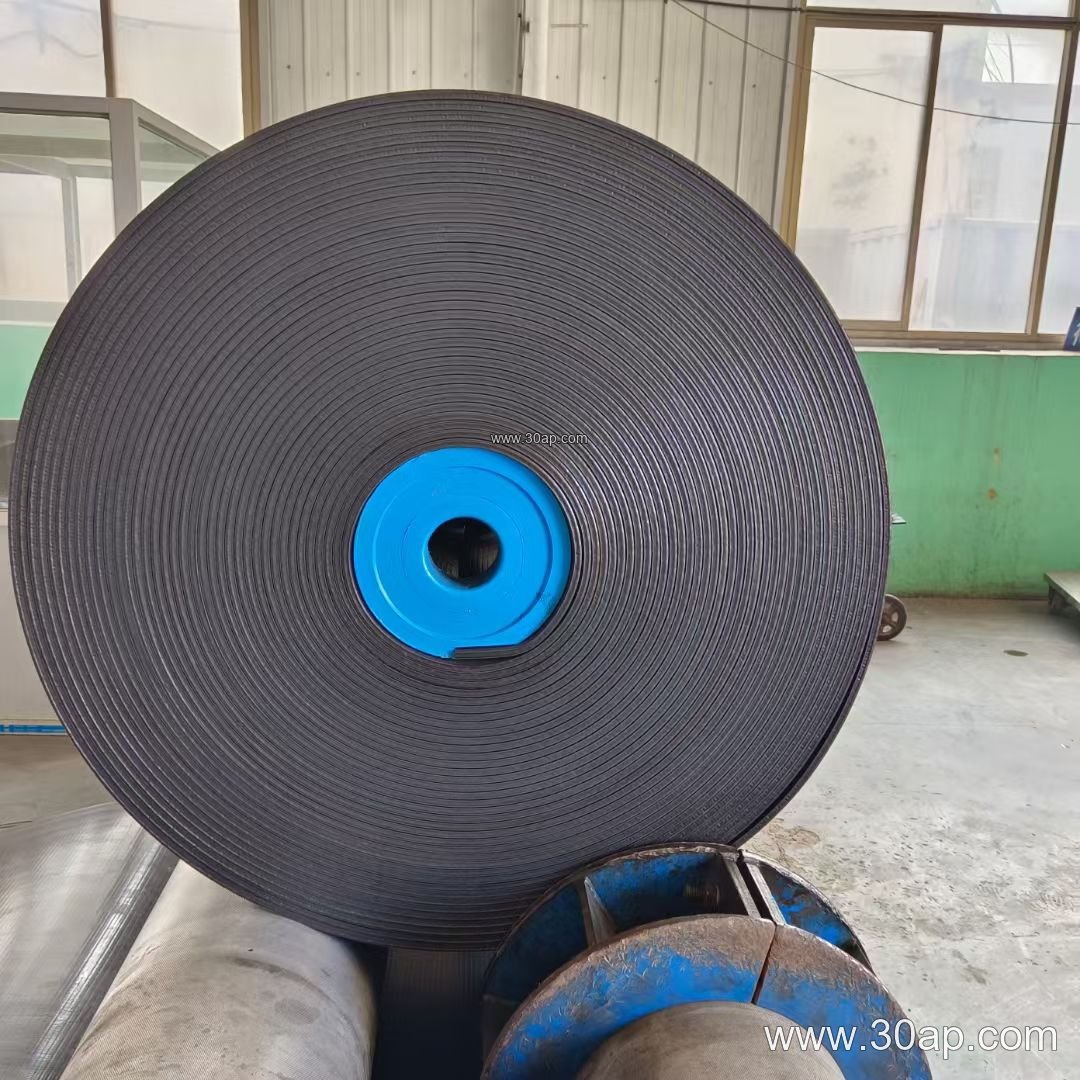
Cover thickness is commonly quoted in pairs such as 4+2 mm, 5+2 mm, or 6+2 mm. The top cover protects the carcass from abrasion and impact at transfer points, while the bottom cover runs against idler rollers and pulleys. In coal mining conveyor belts, the compound is also designed to resist the buildup of static electricity, which is why the product is sometimes described as an anti-static conveyor belt as well.
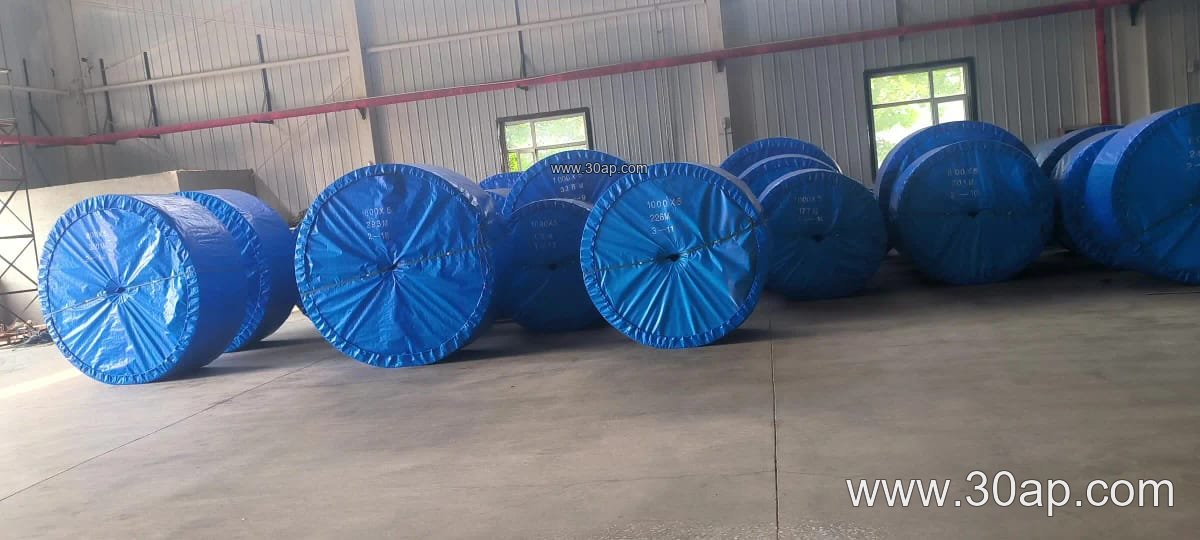
Typical Specifications
Buyers often compare strength grade, belt width, and cover gauge together. The table below shows common reference values, not fixed supply promises; final figures are confirmed by design and by the manufacturer.
- Strength grades: EP200, EP400, EP630, EP1000, EP1250, EP1600; ST1000, ST1600, ST2000
- Belt widths: B650, B800, B1000, B1200, B1400, B1600, B1800
- Cover combinations: 3+1.5 mm, 4+2 mm, 5+2 mm, 6+2 mm, 8+3 mm
- Carcass: 2 to 6 fabric plies, or steel cord construction
For example, an EP1000 1200mm conveyor belt may suit a main haulage line in a coal preparation plant, while an EP630 800mm belt fits a shorter secondary run. The belt width is matched to the tonnage and lump size, and the pulley and idler roller layout is engineered separately rather than derived from width alone.
Where It Is Used
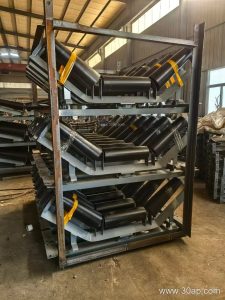
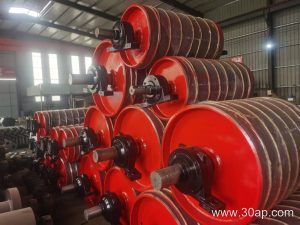
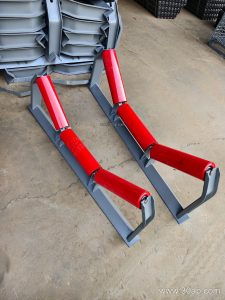
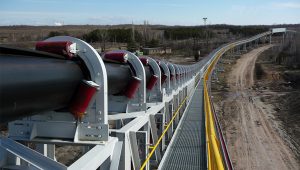
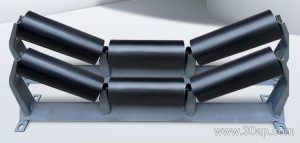
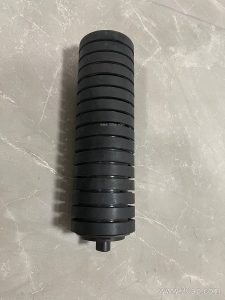
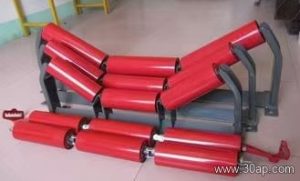
The main homes for this product are underground coal mining conveyor belts, coal handling systems at power plants, cement plant raw material lines, quarry and aggregate conveyor belts, and ore transport in iron ore and copper ore operations. It also appears in ship loading conveyor belts at ports and in crusher conveyor belts where material is dropped from height. In these settings the belt works with conveyor pulleys, idler rollers, and conveyor brackets that must be aligned to avoid edge damage.
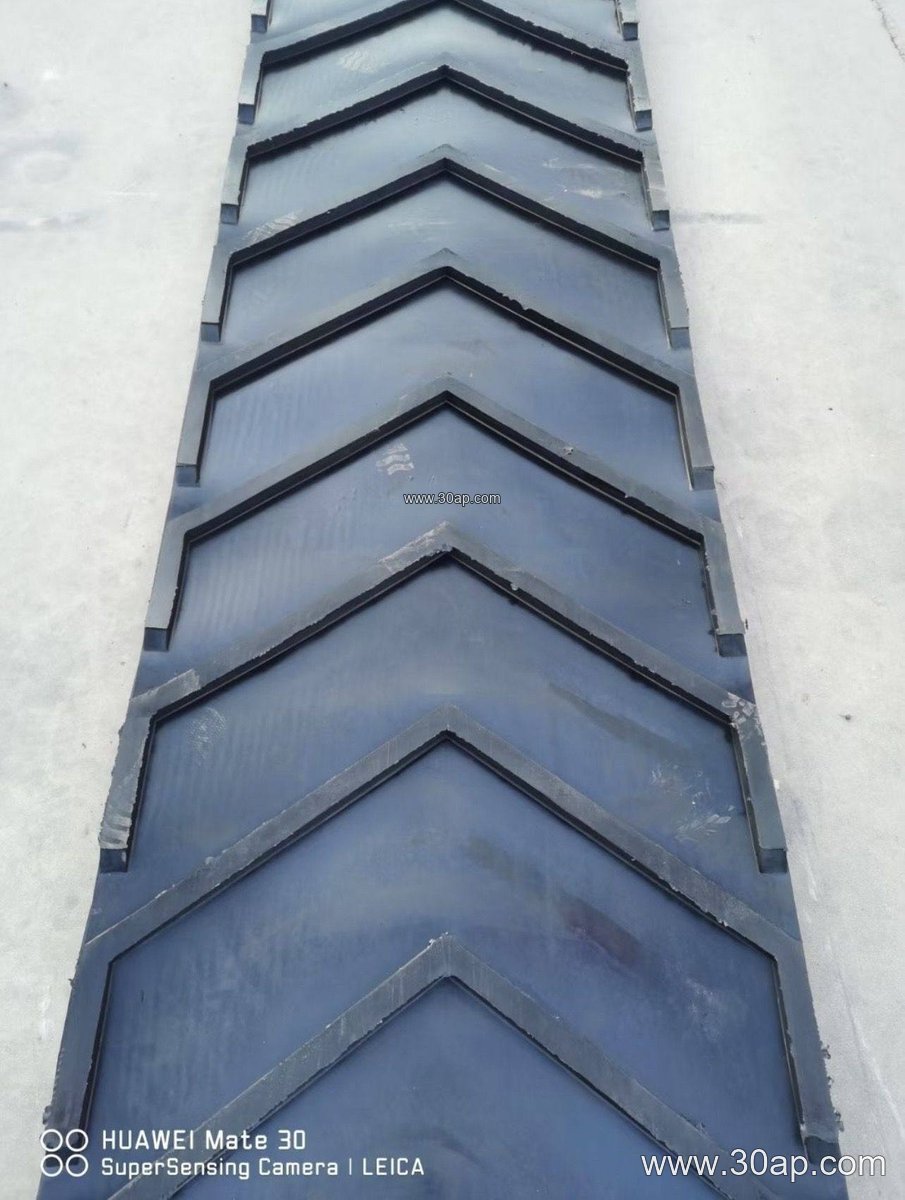
Where the route inclines steeply, a Chevron Conveyor Belt or Corrugated Sidewall Conveyor Belt may be considered for material retention, but those are different designs and should not be substituted for the flame retardant belt where fire safety is the governing requirement. Similarly, a Heat Resistant Conveyor Belt is selected for hot clinker or sinter, which is a separate duty from flame resistance.
What Buyers Should Check
- Confirm the fire performance requirement for the site and the test method the supplier will use.
- Match the strength grade to the calculated tension, not to a habit from an older line.
- Review cover thickness against abrasion and impact at the loading point.
- Check splice type and whether an Endless Conveyor Belt is preferred for the application.
- Verify pulley diameters, idler roller spacing, and take-up travel with the conveyor designer.
Storage also matters. Coils should be kept dry, away from oils and direct sunlight, and spliced according to the maker’s procedure. A well-matched flame retardant belt, paired with correctly aligned conveyor pulleys and free-running idler rollers, gives the longest service life in abrasive mining duty.