What an Oil Resistant Conveyor Belt Is
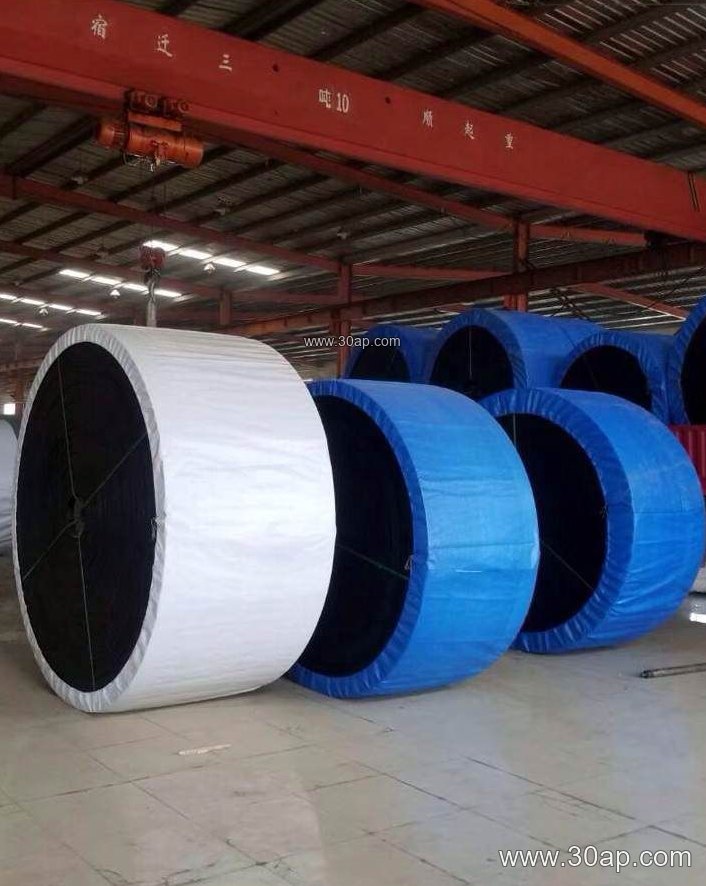
An Oil Resistant Conveyor Belt is a rubber conveyor belt built with a cover compound that resists swelling, softening, and cracking when it contacts mineral oils, vegetable oils, grease, or oily mixtures. In plants where material carries a film of lubricant or where spilled oil is part of daily operation, a standard rubber belt can harden or expand quickly. The oil resistant conveyor belt slows that deterioration and keeps the carcass protected for a longer service window.
The product is also described as an oil resistant rubber conveyor belt or oil-proof belt. These are equivalent names for the same product. It should not be confused with heat resistant, flame retardant, or abrasion resistant grades; each solves a different problem, and a single belt may combine two properties only when the compound and carcass are designed for it.
How the Belt Is Built
The construction follows normal fabric or steel reinforced practice, with the cover compound adjusted for oil exposure. A typical build includes:
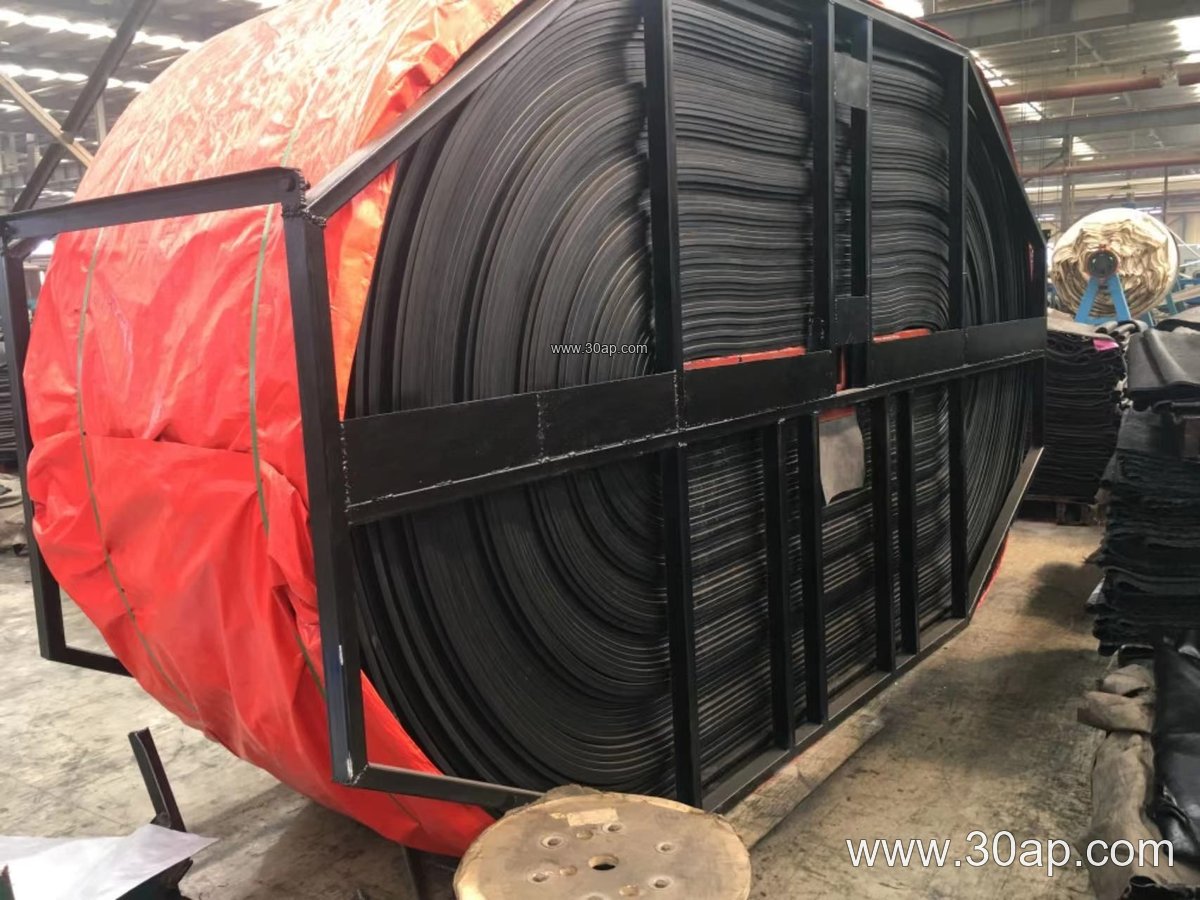
- Top cover: oil resistant rubber, usually nitrile based, with a smooth or patterned surface
- Bottom cover: oil resistant rubber, sometimes thinner than the top cover
- Carcass: EP fabric, NN fabric, multi-ply fabric, or steel cord, depending on tension and impact
- Edges: cut edges or molded edges, chosen to suit the conveyor and material
Cover thickness is stated as top plus bottom, for example 4+2 mm, 5+2 mm, 6+2 mm, or 8+3 mm. Fabric carcasses commonly run from 2 to 6 plies. Strength grades such as EP200, EP400, EP630, EP1000, EP1250, and EP1600 are reference values, not universal requirements, and final selection depends on the conveyor design.
Where It Fits in the Plant
Oil resistant belting is common in workshops and process lines that move oily scrap, machined parts, lubricated components, oilseed and vegetable residue, and greasy food or recycling streams. In a cement plant it may appear near lubricated crusher areas or oil-contaminated transfer points, while a power plant may use it where fuel or lubricant drips onto the return side. Mines, coal preparation plants, quarries, and sand and gravel yards usually choose flame retardant or abrasion resistant grades first, and apply oil resistance only where oil contact is confirmed.
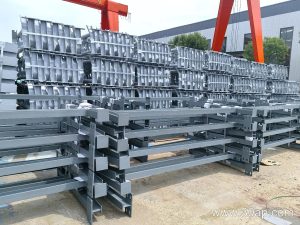
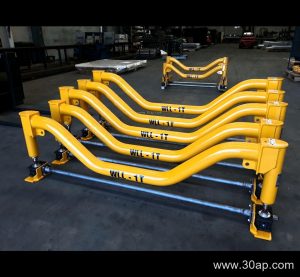
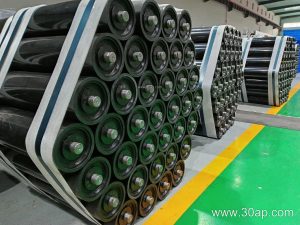
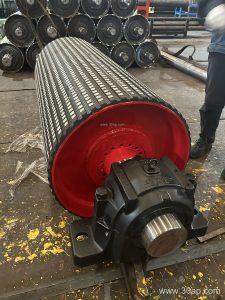
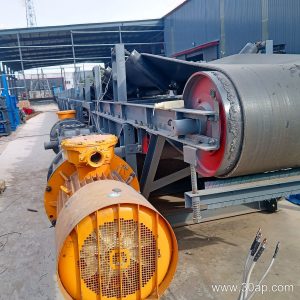
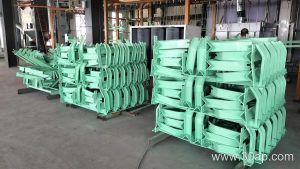
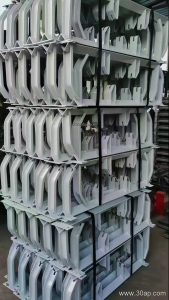
Because oil resistance is a cover property, the belt still needs compatible support along the line. Idler roller spacing, conveyor pulley alignment, and conveyor bracket condition all affect tracking and edge wear. A damaged conveyor pulley or a seized idler roller can shorten belt life even when the cover compound is correct.
Common Specifications and Subtypes
The table below shows typical reference ranges. Widths and strengths should be confirmed against the actual conveyor, not copied from a catalogue.

| Item | Common Reference Values |
|---|---|
| Belt type | Oil Resistant Conveyor Belt, oil resistant rubber belt |
| Carcass | EP fabric, NN fabric, multi-ply fabric, steel cord |
| Strength grade | EP200, EP315, EP400, EP500, EP630, EP800, EP1000, EP1250, EP1600 |
| Belt width | B500, B650, B800, B1000, B1200, B1400, B1600, B1800, B2000 |
| Cover thickness | 3+1.5 mm, 4+2 mm, 5+2 mm, 6+2 mm, 8+3 mm |
| Ply count | 2 to 6 plies, by design |
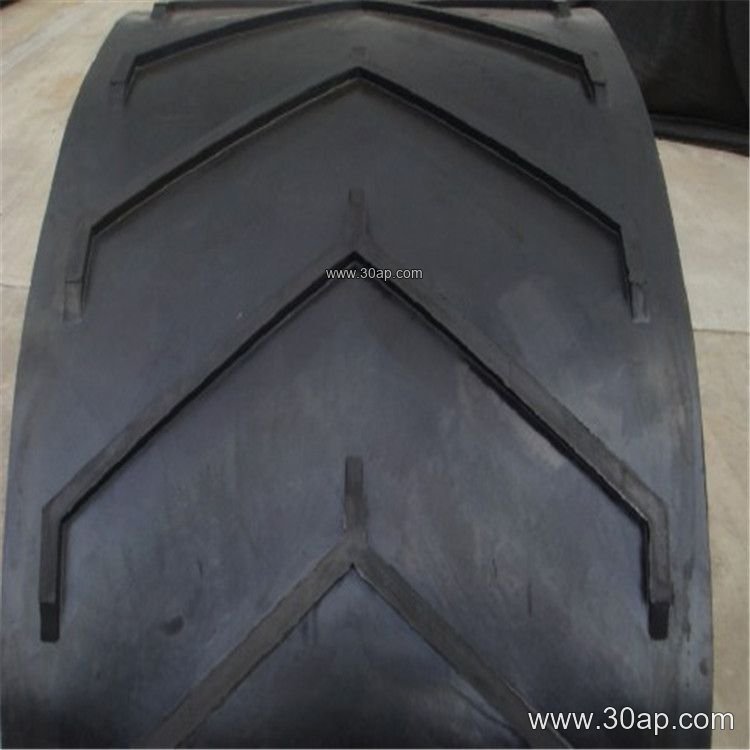
When a line needs extra grip on an incline, a Chevron Conveyor Belt or Corrugated Sidewall Conveyor Belt may be considered, but those are separate designs and do not replace the oil resistant cover requirement. Likewise, an Abrasion Resistant Conveyor Belt is a different grade aimed at sharp, dry material rather than oil.
Buyer Checklist
- Identify the oil type and contact time; mineral oil, vegetable oil, and grease behave differently.
- State the material, lump size, and loading impact so the carcass grade is not undersized.
- Confirm belt width and pulley face width together; never assume a width fixes a pulley diameter.
- Ask for the cover compound description and cover thickness in top plus bottom form.
- Check whether flame retardant or anti-static properties are also required in the same belt.
- Review splicing method and edge condition for the planned conveyor route.
For related equipment selection, visit www.beltconveyorparts.com for conveyor belt guidance, www.beltconveyorparts.com for idler roller details, and www.beltconveyorparts.com for conveyor pulley information. A well matched oil resistant belt, supported by sound rollers and pulleys, keeps greasy handling lines running with fewer stoppages.