What a Parallel Idler Bracket Does
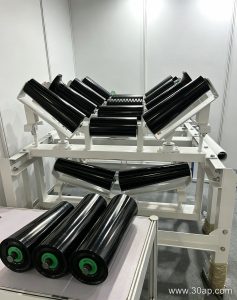
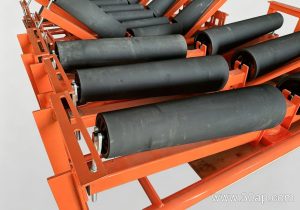
A parallel idler bracket is a support frame that holds conveyor idler rollers in a level or slightly angled line across the carrying or return side of a conveyor. Unlike a troughing bracket that lifts the outer rollers to form a trough, a parallel bracket keeps the rollers on a common plane. This makes it a practical choice where the belt should stay flat, where a transition zone needs gradual support, or where return-side rollers must sit in a simple horizontal row.
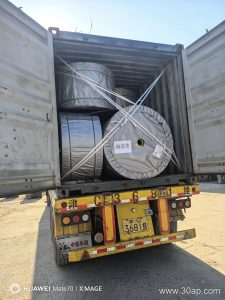
In a quarry, a limestone mine, or a cement plant, the bracket is often the quiet component that decides whether an idle roller turns freely for years or wears out early. The frame carries the roller load, sets the roller spacing, and keeps the conveyor belt from sagging between support points. For operators running a heavy-duty mining conveyor belt, a well-built parallel bracket is part of the same reliability chain as the belt itself.
Construction and Common Forms
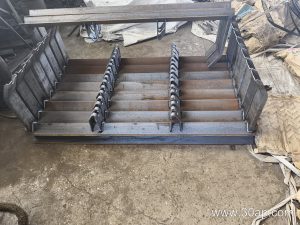
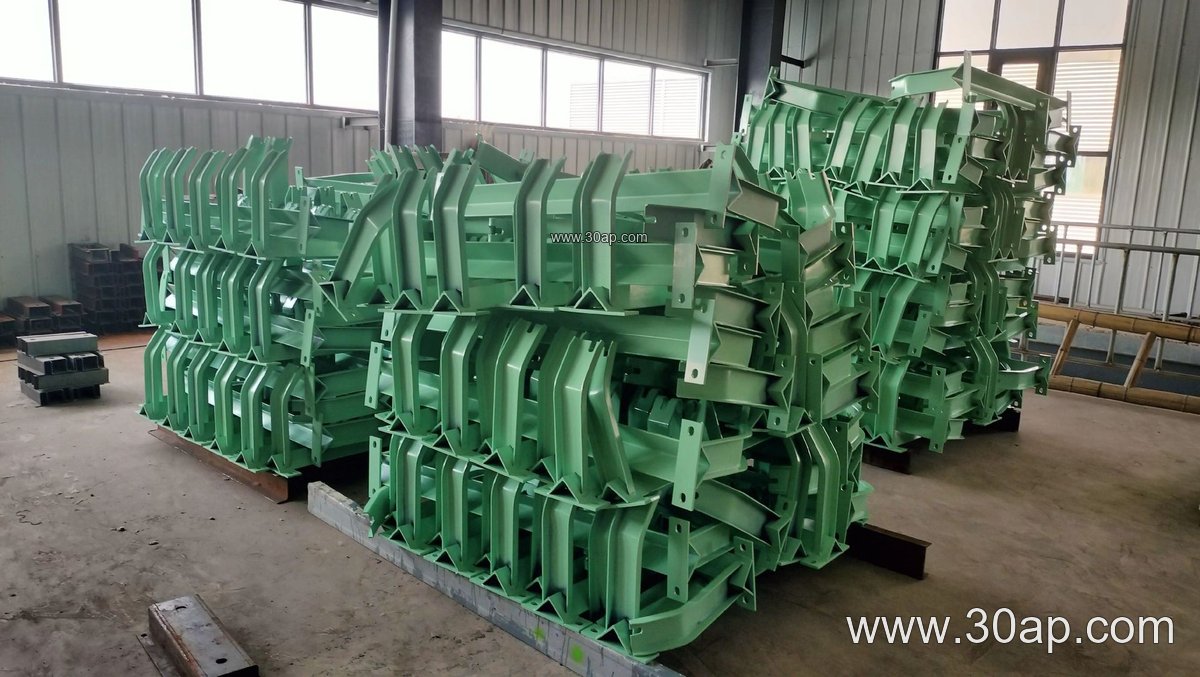
Most parallel idler brackets are fabricated from angle steel, channel steel, or folded steel plate. A pair of side plates is joined by a crossbeam, and the roller shafts are located in slots or punched holes. The bracket is then bolted to the conveyor stringer. Because the frame must resist vibration and belt pull, weld quality and hole alignment matter more than cosmetic finish.
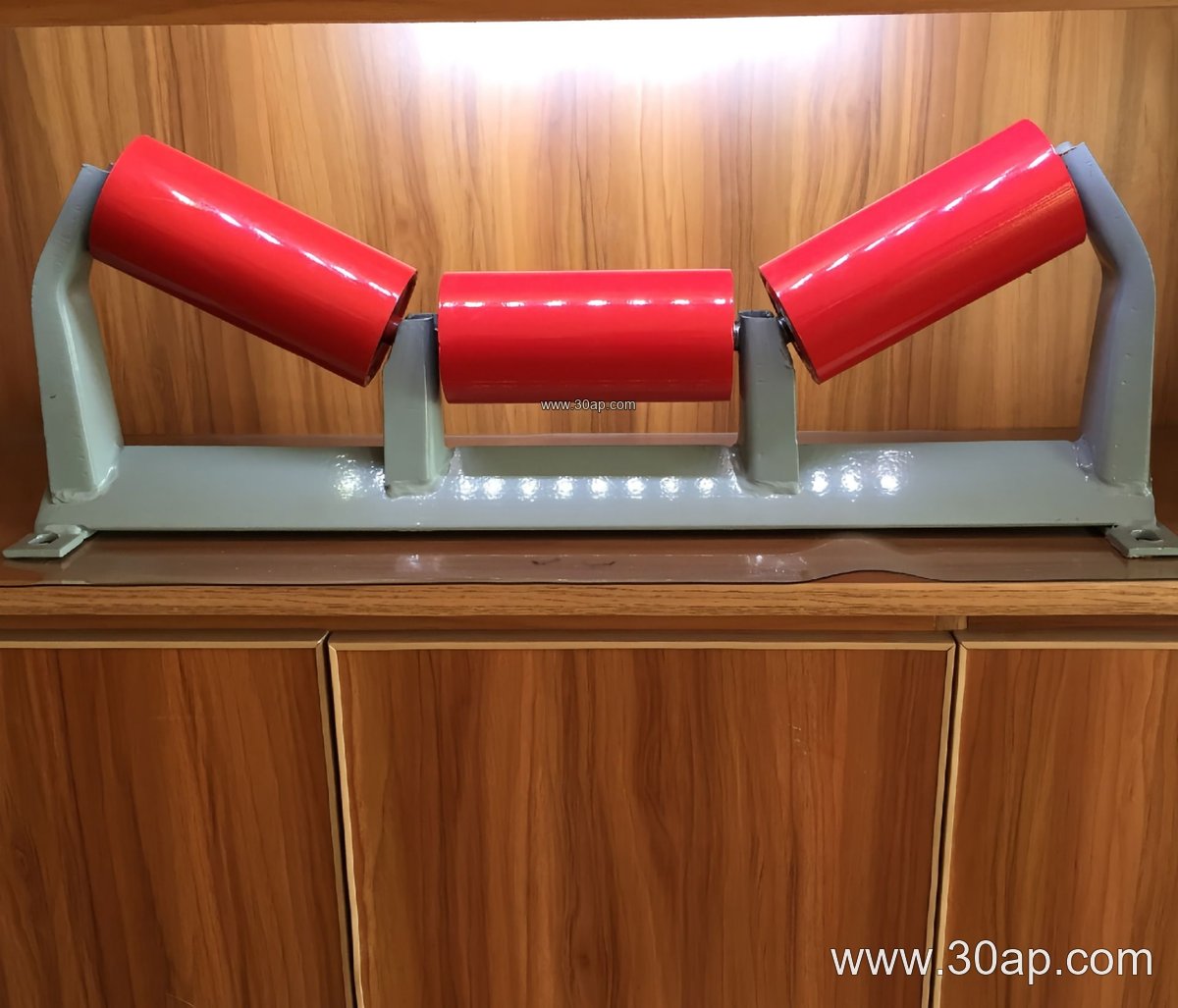
Common reference forms include upper parallel brackets, lower flat return brackets, and adjustable versions that allow small changes to roller height or alignment. The material and thickness depend on the load and the environment, so a buyer should treat every dimension as a design choice rather than a fixed rule.
- Angle steel frame for light and medium duty
- Channel steel frame for heavier loads and wider belts
- Folded plate design for compact mounting
- Slotted or adjustable holes for field alignment
Where It Fits on the Conveyor
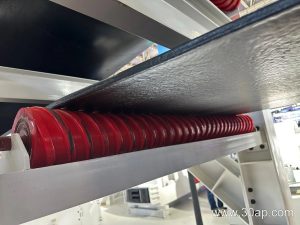
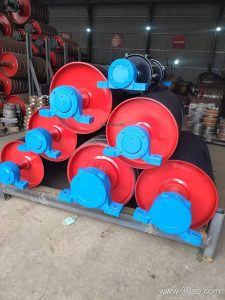
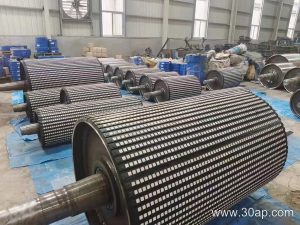
The parallel bracket is usually found on the return run, where a flat line of rollers supports the empty belt, and in transition sections where a troughing set gradually becomes flat. It also appears on flat carrying sections and at loading or unloading points where the belt must stay level. The bracket does not replace the drive pulley, tail pulley, or bend pulley; those are separate components with different functions. Nor does it replace a V-return bracket where self-cleaning behavior is needed.
In a coal mining conveyor line, a steel plant stockyard, or a port ship loading system, the bracket and the idler roller work together. The bracket sets position, the roller carries the belt, and the conveyor belt carries the material. A wear-resistant conveyor belt or a flame retardant conveyor belt may be selected for the material, but the bracket still has to keep the belt path stable.
Matching Belt Width, Roller Diameter, and Angle
Selection starts with belt width, then roller diameter, then the mounting angle. B500 to B2200 are common belt widths, and Ø89, Ø108, Ø133, Ø159, and Ø194 are common roller diameters. A 20, 30, 35, or 45 degree trough angle is typical for troughing sets; a parallel bracket itself normally keeps the rollers flat, while an adjustable frame may permit slight changes. A forward tilt of about 1.5 to 2 degrees is sometimes used for training, but this is a design detail, not a universal setting.
| Reference | Examples | Note |
|---|---|---|
| Belt width | B500, B650, B800, B1000, B1200, B1400, B1600, B1800, B2000, B2200 | Match to conveyor design |
| Roller diameter | Ø89, Ø108, Ø133, Ø159, Ø194 | Chosen by load and speed |
| Trough angle | 20°, 30°, 35°, 45° | Common on troughing sets |
| Bracket material | Angle steel, channel steel, folded plate | By duty and environment |
A combination such as B800 with Ø108, or B1200 with Ø133, is common but not mandatory. Bracket hole spacing and crossbeam length change with belt width and angle, so they should be confirmed from the drawing, not assumed.
Buyer Checklist
- Confirm belt width, roller diameter, and mounting hole pattern.
- Check whether the frame is fixed or adjustable.
- Verify material and finish for dust, moisture, or corrosive conditions.
- Confirm that the bracket matches the stringer and the idler roller shaft.
- Plan periodic inspection of bolts, welds, and roller rotation.
For a sand and gravel line, a power plant coal yard, or a crushing and screening plant, a parallel idler bracket is a small but decisive part of the conveyor structure. Pairing it correctly with the conveyor pulley, the idler roller, and the right conveyor belt keeps the line running smoothly and reduces downtime.