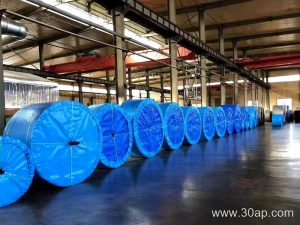
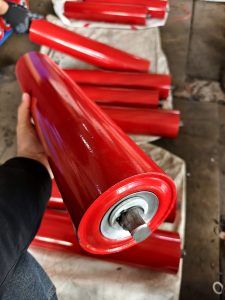
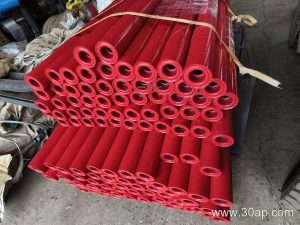
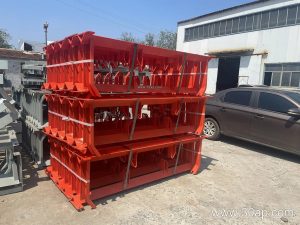
What a Comb Idler Is and Where It Sits on the Conveyor
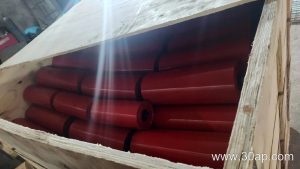
A comb idler is a return-side idler roller built with a series of flexible discs or rings spaced along its shaft instead of a single continuous shell. The ring arrangement looks like the teeth of a comb, which is where the name comes from. On a belt conveyor, this idler is normally mounted under the carrying run to support the return strand of the conveyor belt and to keep sticky or wet material from building up on the roller face. In a coal mining conveyor or a cement plant, fines and moisture often cling to a plain steel return roller; the gaps between the discs let the material fall away as the belt passes.
Because the discs are separate, the contact area is smaller and the belt is supported at intervals rather than across its full width. That makes the comb idler a useful choice in dusty circuits such as a limestone quarry, a coal preparation plant, or a power plant coal handling line, where a conventional flat return idler can become a lumpy, out-of-balance roller in a short time.
How the Comb Idler Is Built
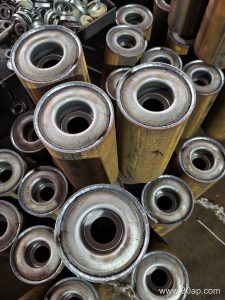
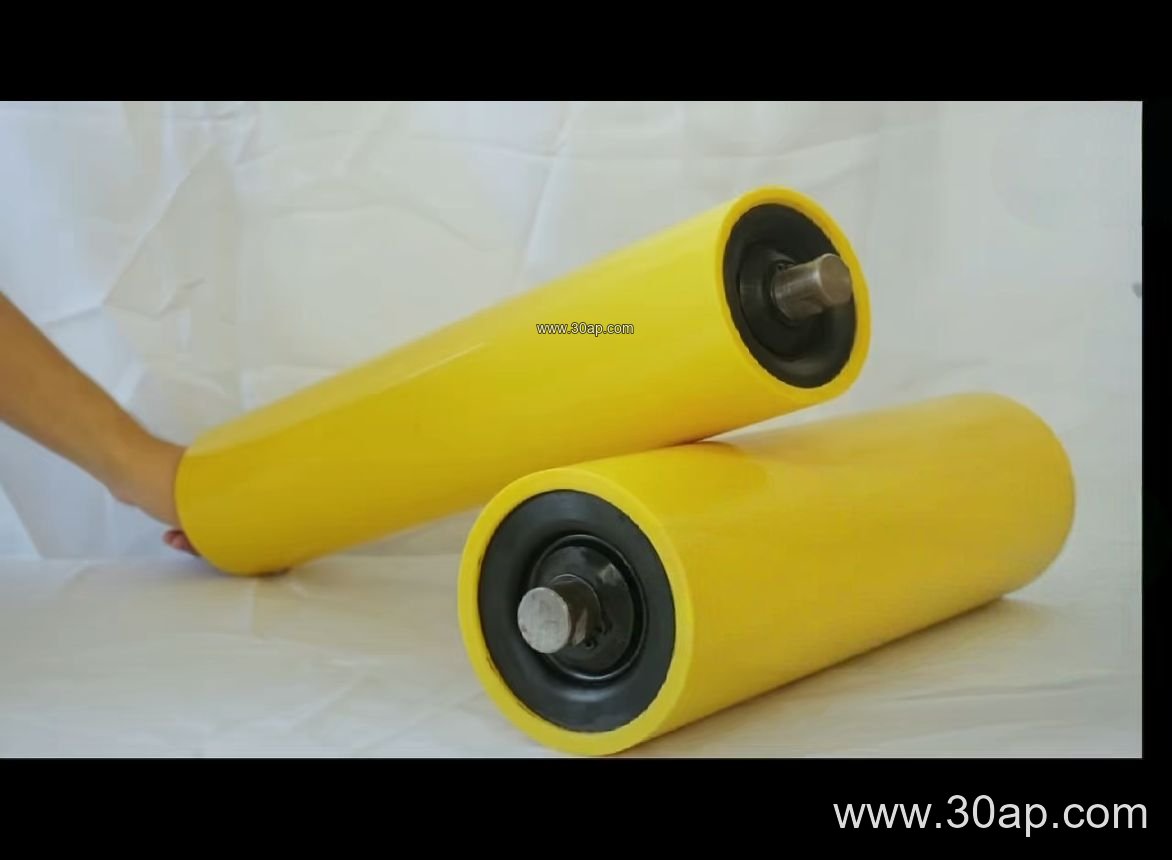
The shaft usually carries a stack of rubber or polymer rings, held apart by spacers and locked with end caps or collars. The shaft ends fit into the conveyor bracket hangers in the same way as other return idlers, so replacing a plain roller with a comb type is often straightforward when the frame geometry allows it. Common shaft and bearing arrangements use deep-groove ball bearings such as 6204, 6205, 6305, or 6308, selected by the roller diameter and load rather than by belt width alone. A sealing arrangement on each end keeps grit and water away from the bearing cavity.
The ring material is chosen for the duty. Rubber rings give a soft contact and good grip on a wet belt; polyurethane rings resist abrasion and cutting; some designs use a steel tube core with rubber sleeves. The roller face is often described by its ring diameter, for example 108 mm or 133 mm, while the shaft diameter is set by the load and the frame, not by a fixed rule tied to belt width.
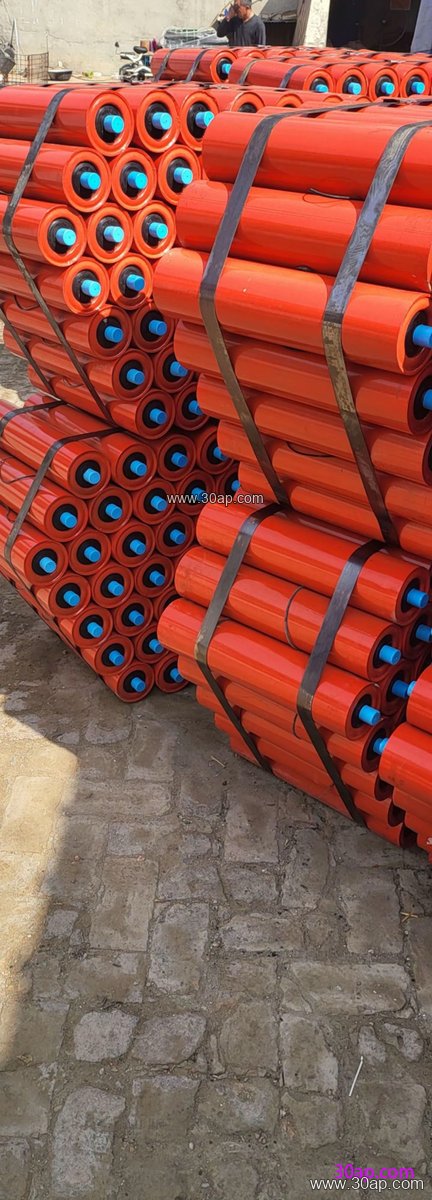
Typical Duties in Different Industries
The comb idler earns its place in circuits where the return strand is the problem rather than the carrying side. A few examples:
- Coal handling – return rollers under a flame retardant conveyor belt in a coal mining conveyor or a wash plant, where wet fines stick to steel.
- Cement and limestone – under an abrasion resistant conveyor belt carrying clinker or crushed stone, where dust cakes on plain rollers.
- Power plant coal yards – on long return runs where belt cleaning is difficult and material carryback is constant.
- Sand and aggregate lines – under a quarry conveyor belt or crusher conveyor belt where mud and grit cling to the belt surface.
- Fertilizer and bulk chemical plants – where a chemical resistant conveyor belt carries damp product and the return side must stay clear.
It is a return-side component, so it does not replace a troughing idler set on the carrying side, nor does it take the place of a drive pulley, tail pulley, or bend pulley. Those are separate parts with separate duties. A comb idler is also not a substitute for a training idler; alignment problems need their own solution.
Choosing the Right Comb Idler
Buyers should start with the belt width and the return frame dimensions. Common belt widths in this range include B650, B800, B1000, B1200, B1400, B1600, and B1800, and the roller length is set by the frame and the belt width, not by a single universal table. Roller diameters usually fall in the 89 mm to 159 mm range for this duty, though heavier shafts may run larger. Ring spacing and ring hardness should match the material: soft, sticky carryback favors wider gaps, while sharp aggregate favors harder rings.
Check the bearing size and sealing class against the environment. A dusty quarry or an underground coal mining conveyor needs better sealing than a covered transfer point. Confirm the shaft end shape and the hanger spacing match the existing conveyor bracket before ordering, and ask for the ring material in writing. For very wide belts, the comb idler is usually supplied as a single roller spanning the full return width, but the frame and shaft must be sized for the load.
Maintenance Notes
Inspect the rings for wear, cuts, and missing segments; a ring that has worn through will let the belt ride on the shaft and damage it quickly. Clean the gaps if material bridges between the discs, and check that the roller turns freely by hand. A seized bearing shows up as a flat spot on the belt or a polished ring face, and it should be replaced before it wears through the belt cover. Keep spare rings and bearings on hand for critical lines such as a ship loading conveyor or a crusher discharge, where a stopped return roller can halt the whole circuit.
For belt and roller selections in mining, quarry, and bulk material handling, related equipment such as the conveyor pulley, idler roller, and conveyor bracket should be reviewed together so the return run works as a system rather than as isolated parts.