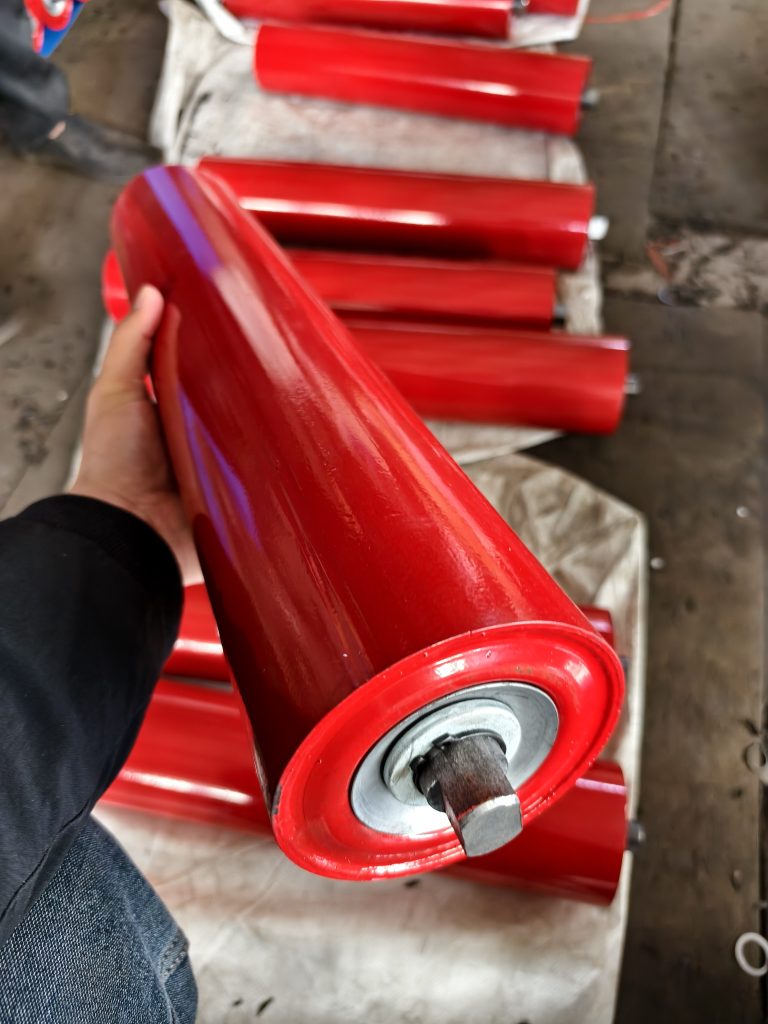
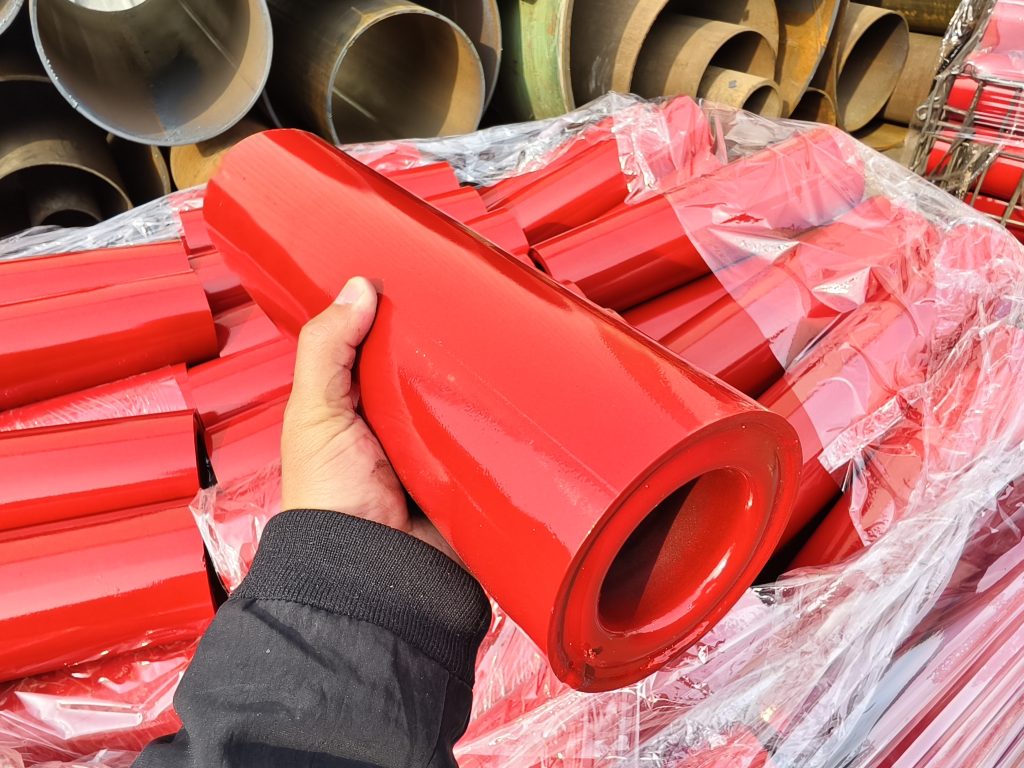
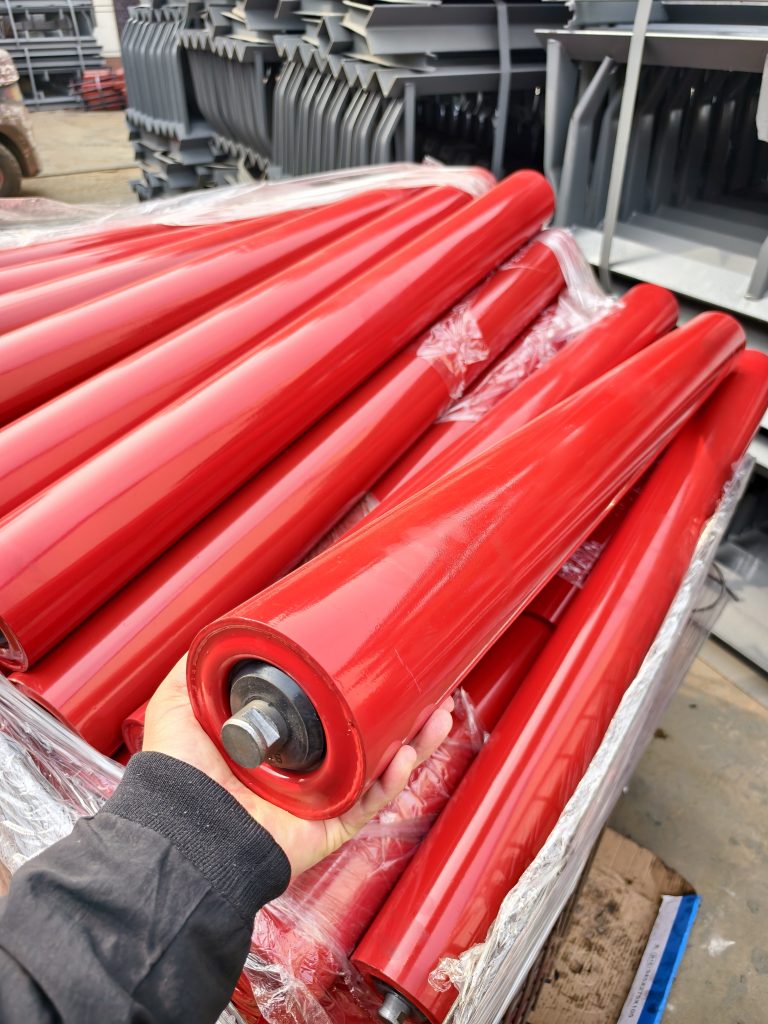
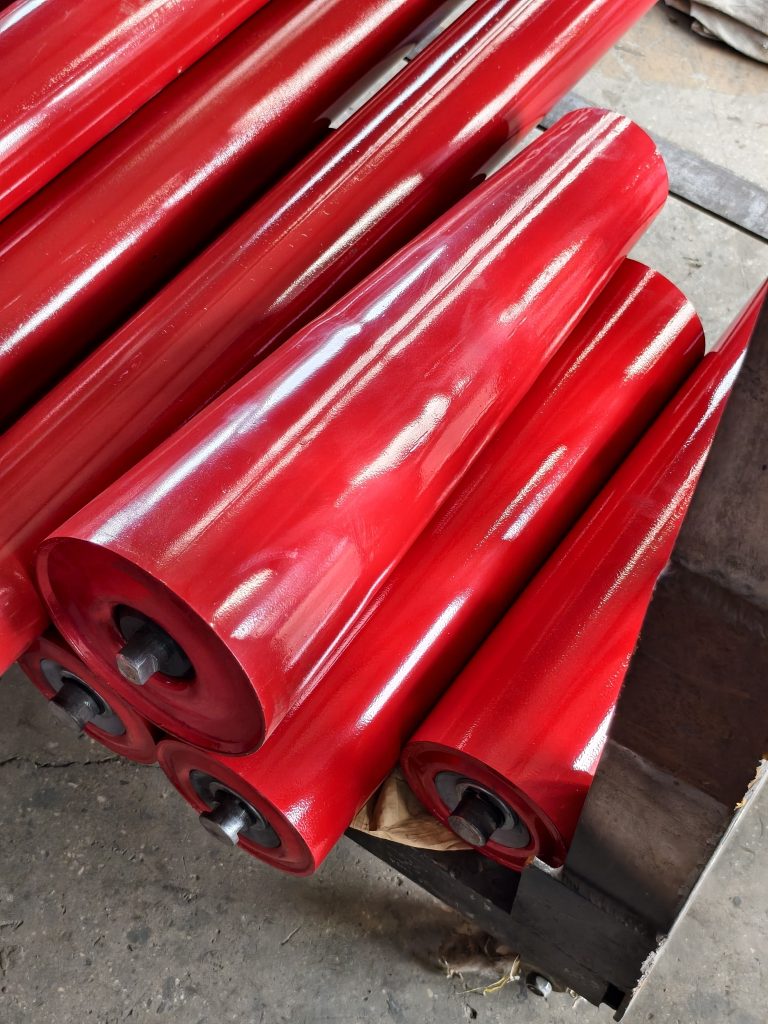
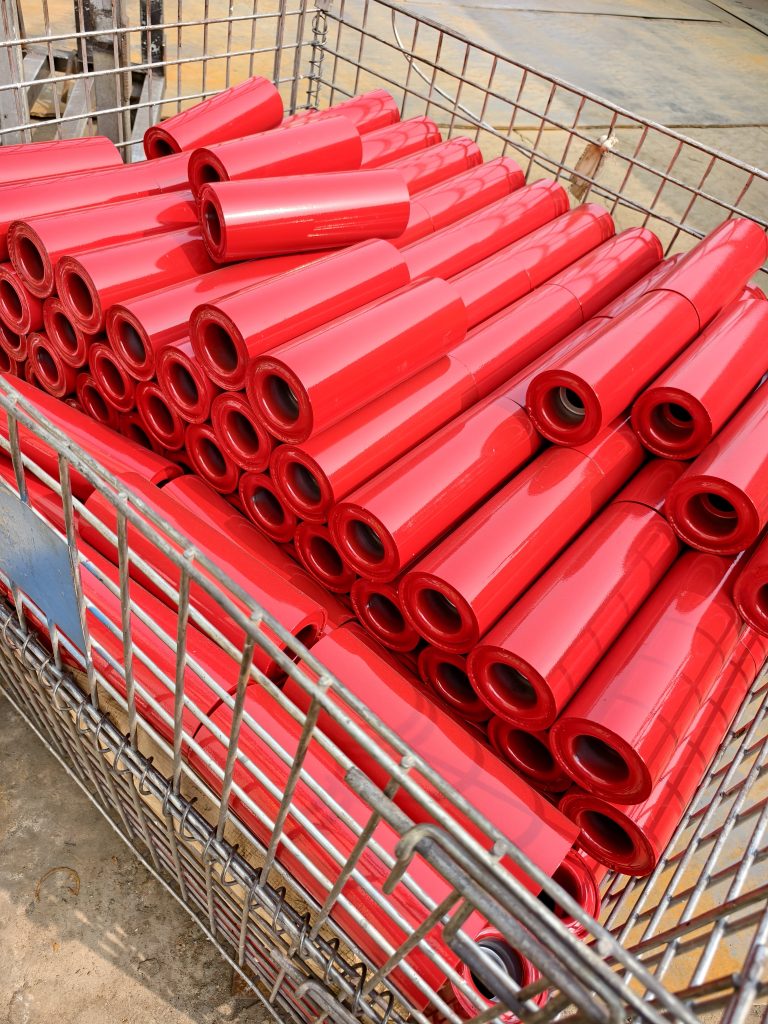
Conveyor idlers are essential components in any conveyor system, widely used in mining, cement, power plants, ports, and bulk material handling industries. High-quality idlers can significantly improve the efficiency, stability, and service life of conveyor systems.
1. What Are Conveyor Idlers?
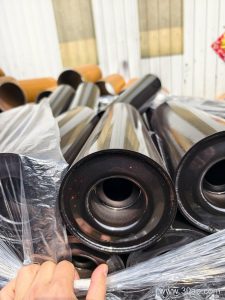
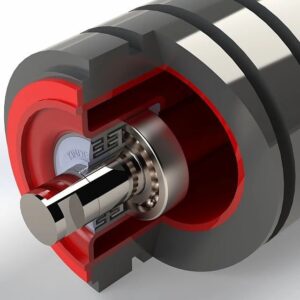
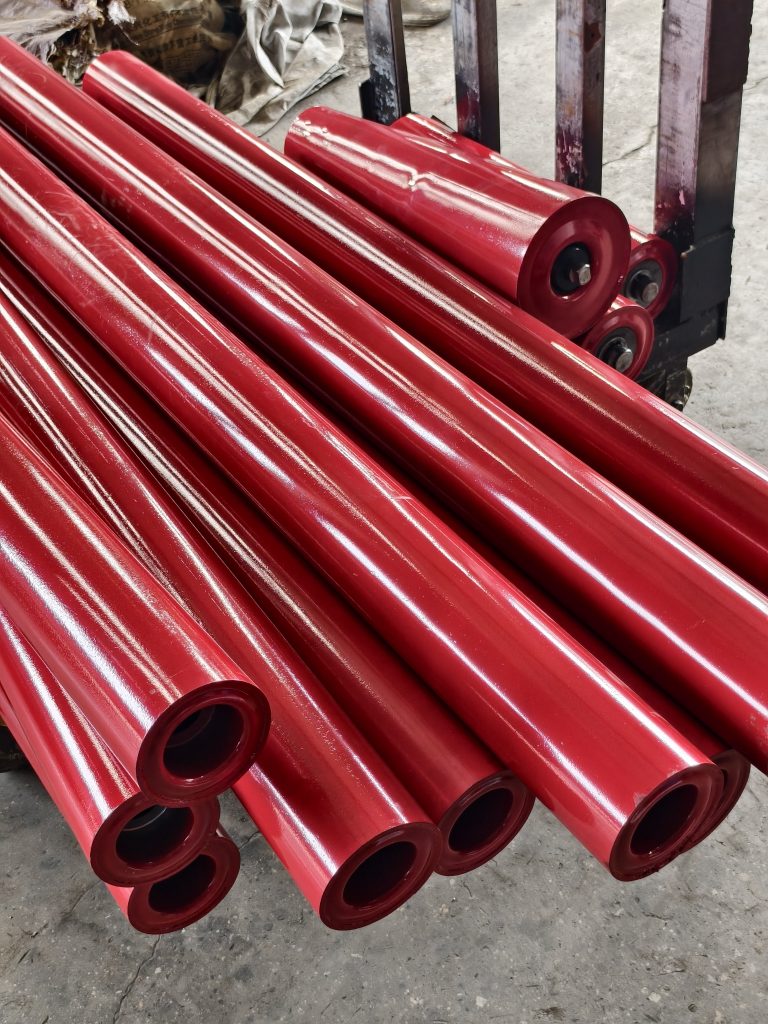
Conveyor idlers, also known as conveyor rollers, are used to support the conveyor belt and the materials being transported. They reduce friction and ensure smooth and stable operation of the belt.
2. Types of Conveyor Idlers
There are several types of conveyor idlers designed for different applications:
- Carrying Idlers – Support the loaded conveyor belt
- Return Idlers – Support the empty belt on the return side
- Impact Idlers – Installed at loading points to absorb impact
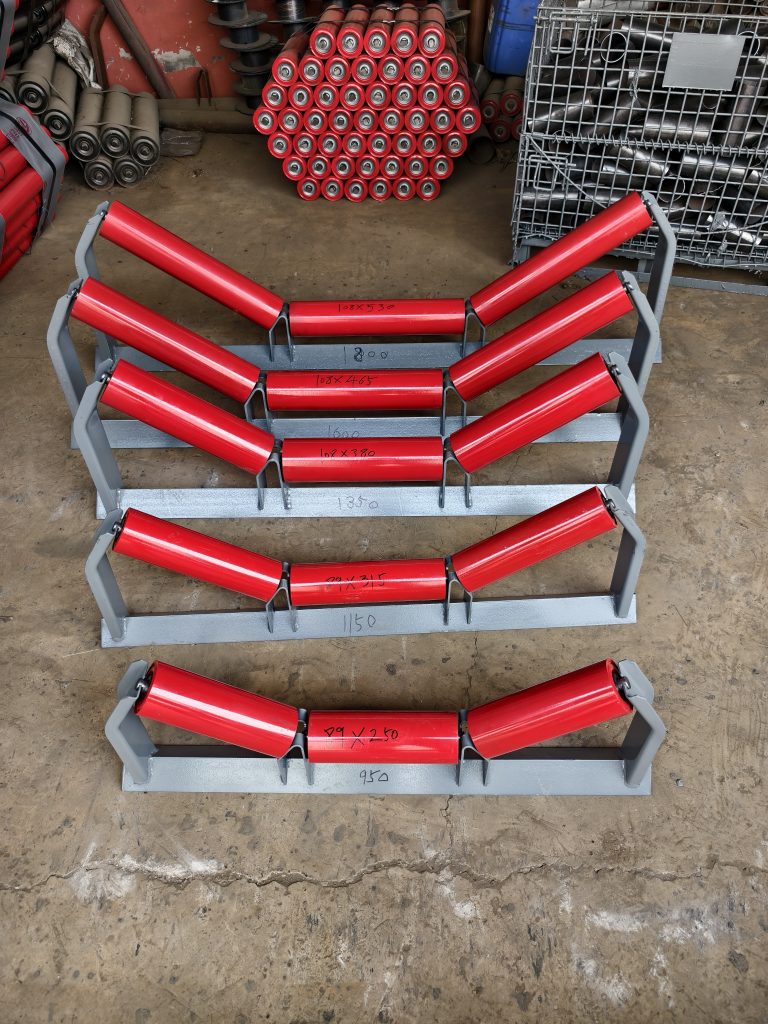
- Troughing Idlers – Shape the belt into a trough for bulk materials
- Self-aligning Idlers – Prevent belt deviation
3. Key Features of High-Quality Idlers
When selecting conveyor idlers, the following features are important:
- Low rotational resistance
- Long service life
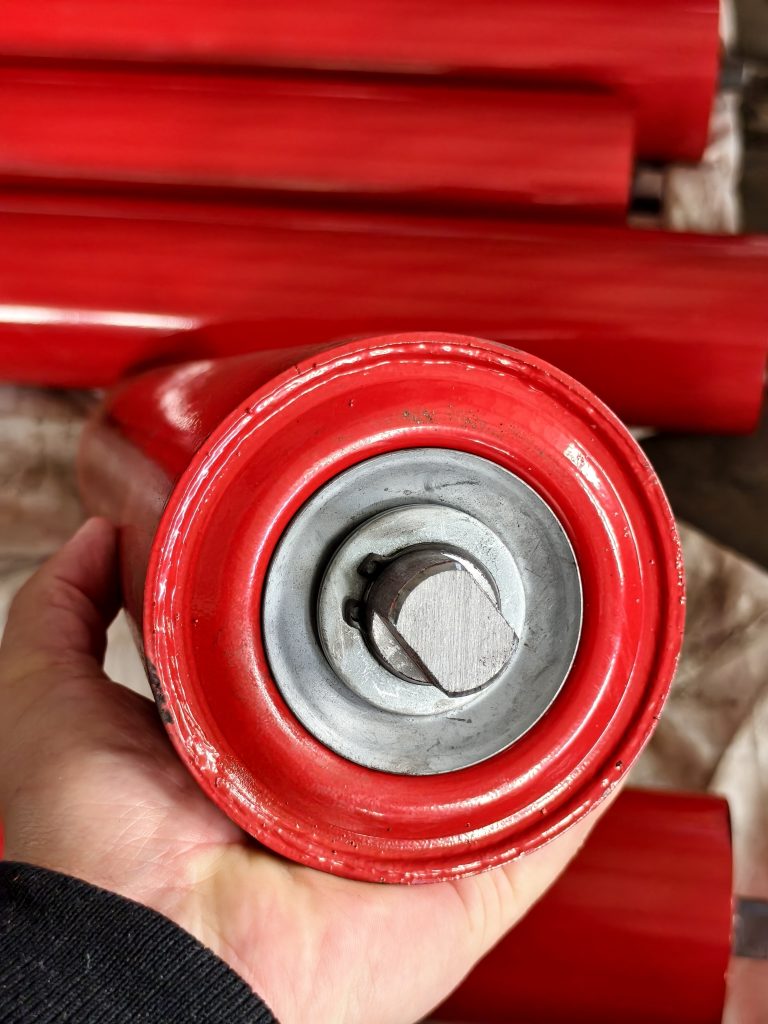
- Good sealing performance
- Anti-corrosion and wear resistance
- High load capacity
High-quality idlers reduce maintenance costs and improve overall conveyor performance.
4. Manufacturing Process
The typical production process of conveyor idlers includes:
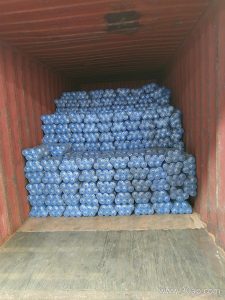
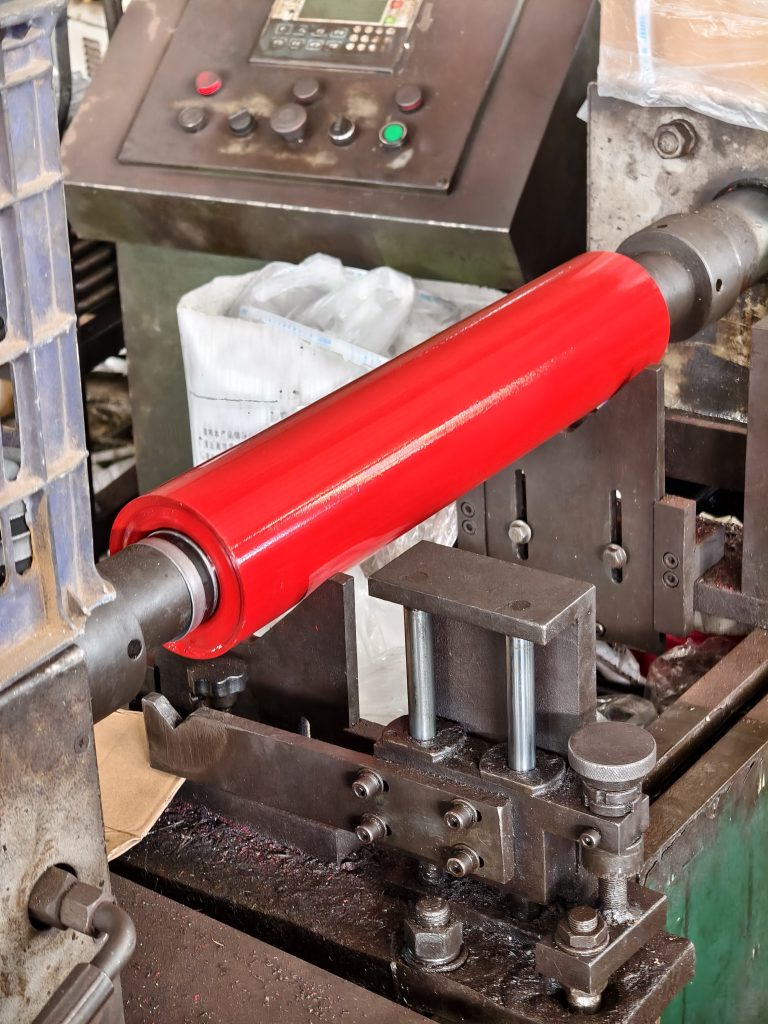
Pipe cutting → Tube processing → Shaft machining → Bearing housing welding → Dynamic balancing → Surface treatment → Painting → Assembly → Sealing → Packing
Strict quality control ensures durability and performance.
5. How to Choose the Right Idlers
To select the right idlers, consider:
- Belt width and speed
- Load capacity
- Working environment (dust, humidity, temperature)
- Material type (coal, sand, ore, etc.)
Choosing the correct idler can extend the lifespan of the conveyor system and reduce downtime.
6. Conclusion
Conveyor idlers play a crucial role in material handling systems. Investing in high-quality idlers ensures smooth operation, reduces energy consumption, and lowers long-term costs.