What the 6206 Bearing Idler Is
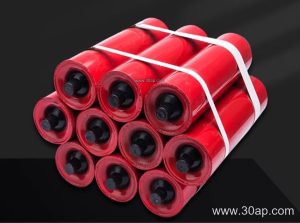
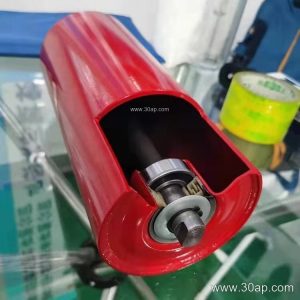
A 6206 bearing idler is a conveyor carrying or return roller built around a single-row deep-groove ball bearing with a 30 mm bore. In plant language it is often called a 6206 ball bearing roller or a 30 mm bore idler roller, and that second name is the same product described by its shaft fit rather than its bearing number. The bearing sits inside a sealed housing at each end of the roller shell, so the idler spins freely while the stationary shaft is clamped into a conveyor bracket. Because the 6206 is a common metric bearing, this idler tends to appear on medium-duty runs rather than on the very light or very heavy ends of a conveyor line.
How the Roller Is Put Together
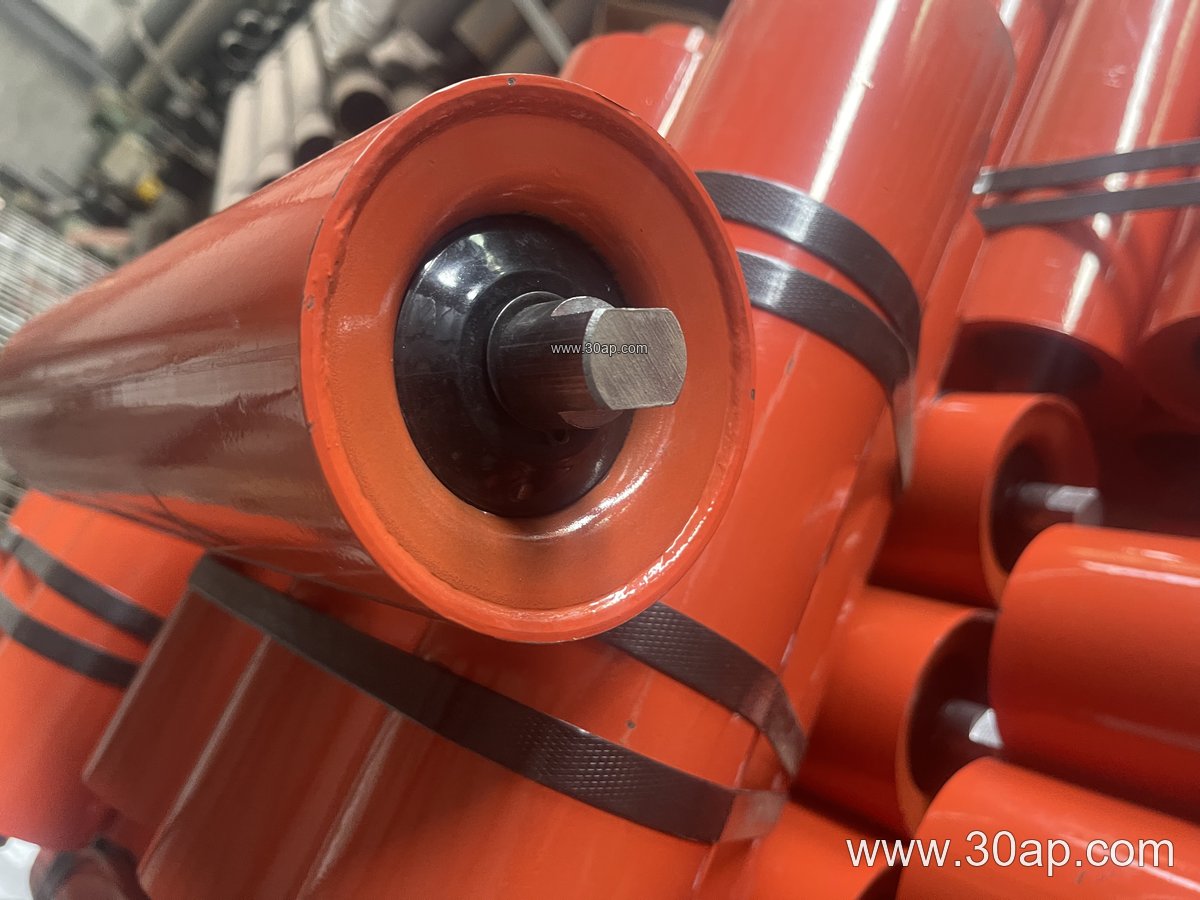
The usual build starts with a steel tube shell, machined bearing seats at both ends, and a through shaft. Each end carries a bearing, a labyrinth or lip seal, and a cap that keeps dust and water out. Roller diameter and shell thickness are chosen by the conveyor designer, not by the bearing alone, so a 6206 bearing can be found inside rollers of more than one outside diameter. The sealing arrangement matters as much as the bearing itself in a quarry or a cement plant, where fine grit works its way into anything that is not protected.
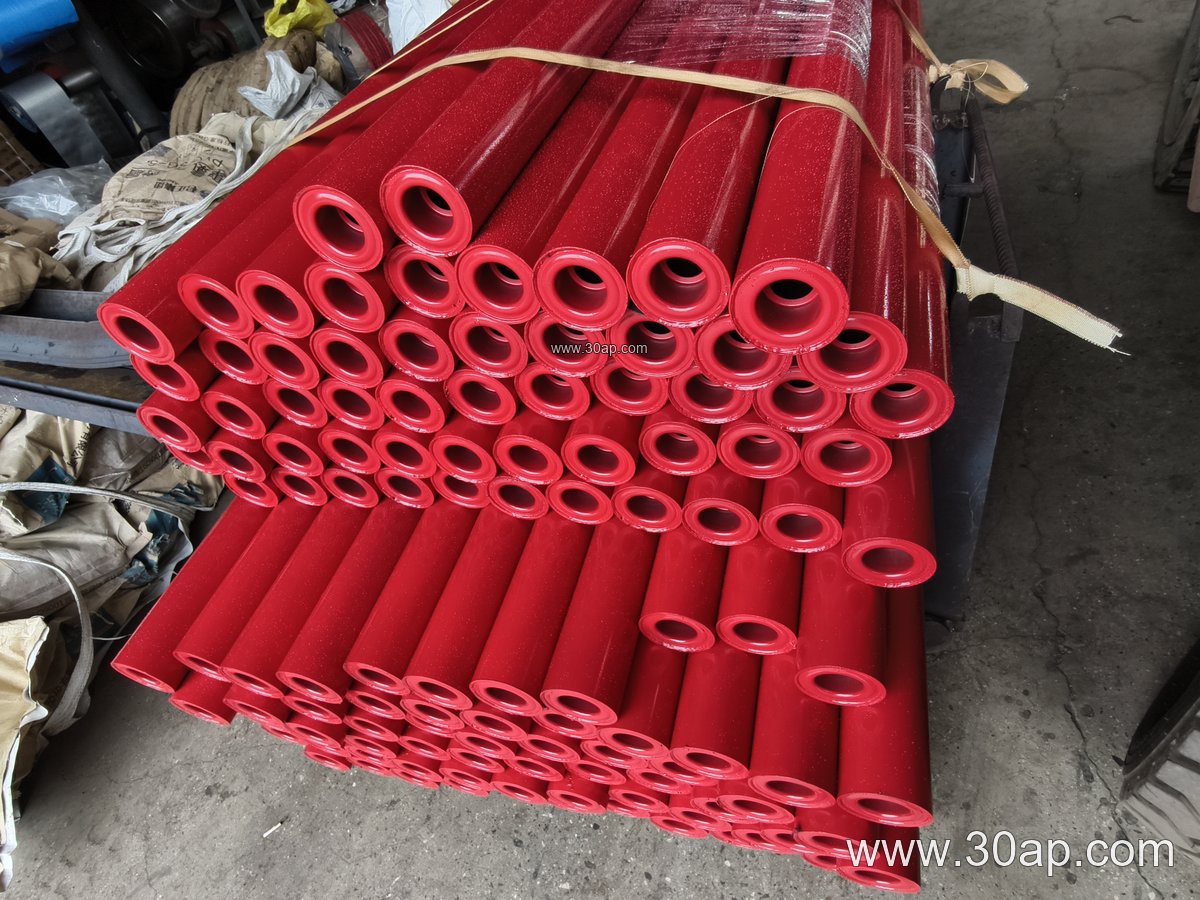
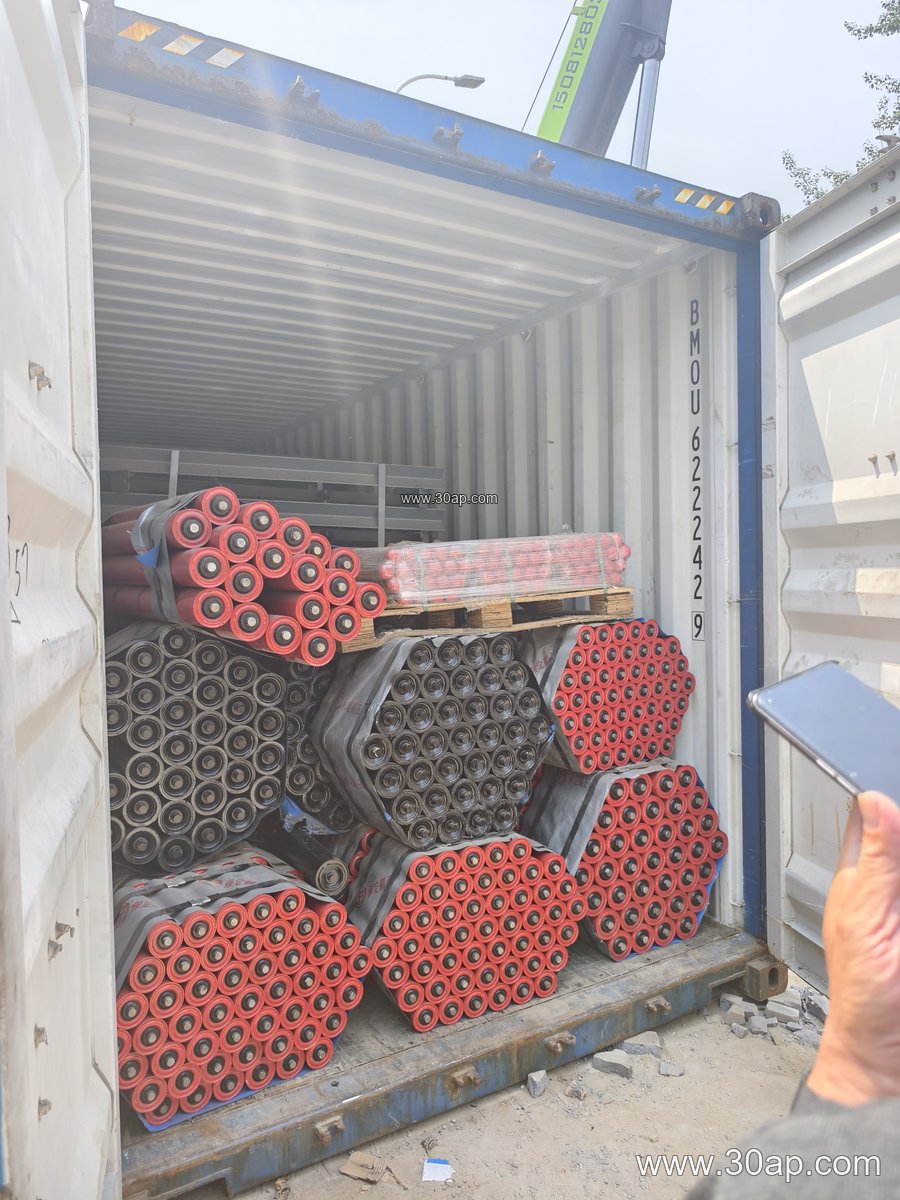
- Shell: steel tube, sometimes with a rubber ring or ceramic cover on impact sections
- Bearing: 6206 deep-groove ball bearing, 30 mm bore, sealed or shielded
- Shaft: fixed to the frame through the conveyor bracket
- Ends: seals and caps matched to the dust and moisture level on site
Where It Fits on the Conveyor
These rollers are typically used as carrying idlers in three-roll trough sets on medium belt widths, and as return rollers underneath the belt. A stone crushing line or an aggregate conveyor often runs them on the load side, while a power plant coal conveyor may use them on the return strand where the belt only needs support. Trough angle is a design choice, usually 20, 30, 35 or 45 degrees, and the roller length changes with belt width and roll configuration. Common roller lengths in three-roll trough sets are roughly 200 mm at B500, 315 mm at B800, 380 mm at B1000 and 465 mm at B1200, but side rollers and centre rollers can differ and these are examples rather than fixed pairings.
Bearing, Roller Diameter and Belt Width
A common misunderstanding is that belt width dictates shaft size or bearing number on its own. It does not. Belt width, load, speed, roller spacing and the selected roller diameter all feed into the choice, and a 6206 bearing may appear in idlers with different shell diameters. Typical roller diameters in this class include 89 mm, 102 mm, 108 mm and 133 mm, and the final selection should follow the conveyor design rather than a rule of thumb. Heavier lines in iron ore or copper ore service may move to larger bearings and thicker shells, while a light sand conveyor may use a smaller bearing entirely.
| Item | Common reference values |
|---|---|
| Bearing | 6206, 30 mm bore |
| Roller diameter | 89, 102, 108, 133 mm (selection by design) |
| Belt width | B500 to B1400 typical for this class |
| Trough angle | 20, 30, 35, 45 degrees |
| Roller surface | Steel, rubber ring, ceramic, nylon |
Buyer Checklist Before Ordering
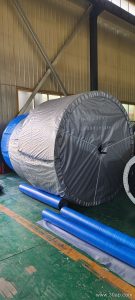
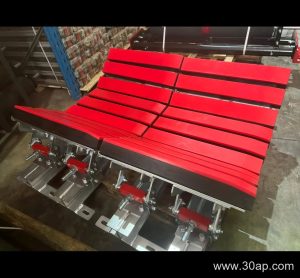
Confirm the roller diameter, the face length, the shaft ends and the fixing centres, because two idlers with the same bearing can still fail to fit the same bracket. Ask about seal type and grease fill for dusty or wet locations, and check whether the roller will run under a rubber conveyor belt, an EP conveyor belt or a steel cord conveyor belt, since belt stiffness affects the load on each roller. On a coal mining conveyor belt or a flame retardant conveyor belt installation, antistatic and fire behaviour of the roller components may also need to be discussed with the supplier. For a crusher conveyor belt feeding rock, impact idlers with rubber rings are often used at the load point instead, while the 6206 bearing idler handles the steady carrying run.
Maintenance and Replacement Notes
Seized or noisy rollers are usually a seal problem before they are a bearing problem. Inspect for a worn shell, a leaking seal or a damaged cap, and replace the whole idler rather than pressing in a new bearing on site unless the workshop is properly equipped. Keep spare rollers on hand for the sizes used most often, and record roller diameter, face length and bearing number together so the right part is ordered next time. Belt tracking problems are sometimes blamed on idlers when the real cause is a misaligned frame or a worn conveyor pulley, so check the whole line before changing parts.