What a High Wear-Resistant Lagged Pulley Does
A high wear-resistant lagged pulley is a conveyor pulley whose shell is covered with a durable rubber or ceramic lagging to protect the belt and the pulley in abrasive service. It is often the drive pulley or head pulley, where grip and wear resistance matter most, but the same construction can be applied to a tail pulley or bend pulley when the duty calls for it. In quarry and cement plant circuits, this pulley helps maintain traction while resisting the constant scrubbing of grit and fines.
The lagging is the key. It increases friction between the pulley and the conveyor belt, reduces belt slip, and shields the pulley shell from premature wear. A high wear-resistant lagged pulley is not simply a standard pulley with a rubber cover; the compound and surface pattern are selected for the specific wear mechanism, whether that is abrasion from sharp stone or sliding contact under load.
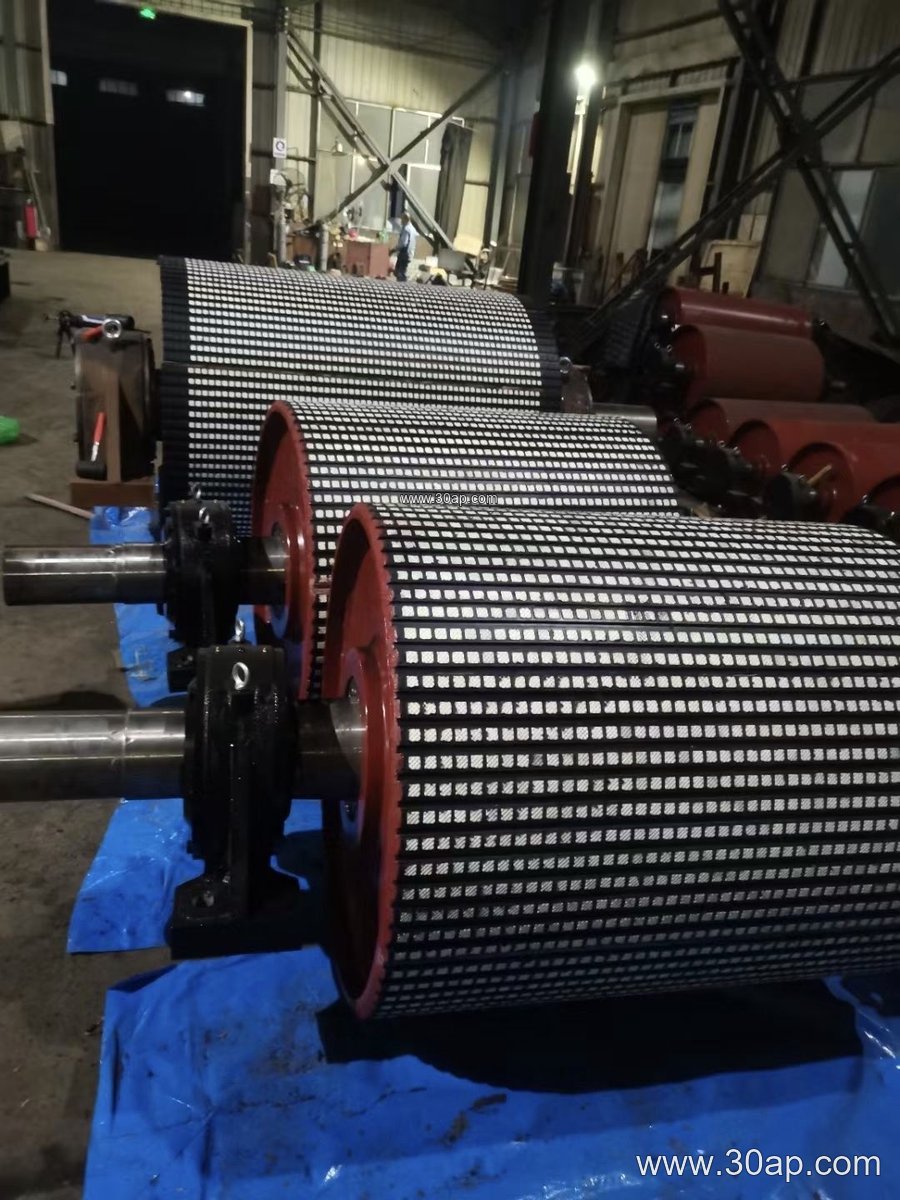
Construction and Surface Options
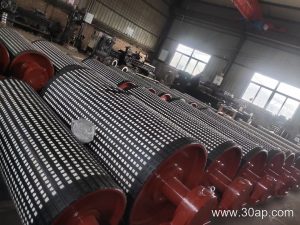
Typical construction starts with a steel shell, welded end discs, and a shaft sized by torque and radial load. The lagging may be hot-vulcanized rubber, cold-bonded rubber, cast rubber, or ceramic tiles embedded in rubber. Surface forms include plain, diamond, herringbone, and ceramic. Lagging thickness commonly ranges from 8 mm to 20 mm, with 10 mm and 12 mm frequently chosen for moderate wear and 15 mm or 20 mm for severe conditions.
Common pulley diameters include Ø200, Ø250, Ø315, Ø400, Ø500, Ø630, Ø800, Ø1000, Ø1250, and larger. Belt widths from B400 to B2400 are matched with pulley face widths that usually exceed the belt width, for example B800 with a face around 950 mm or B1200 with a face around 1400 mm. A B1200 × Ø1000 or B1400 × Ø800 combination may appear in layout drawings, but the final match depends on belt tension, wrap angle, and shaft load. Shaft diameter is determined by torque and bending load, not by belt width alone.
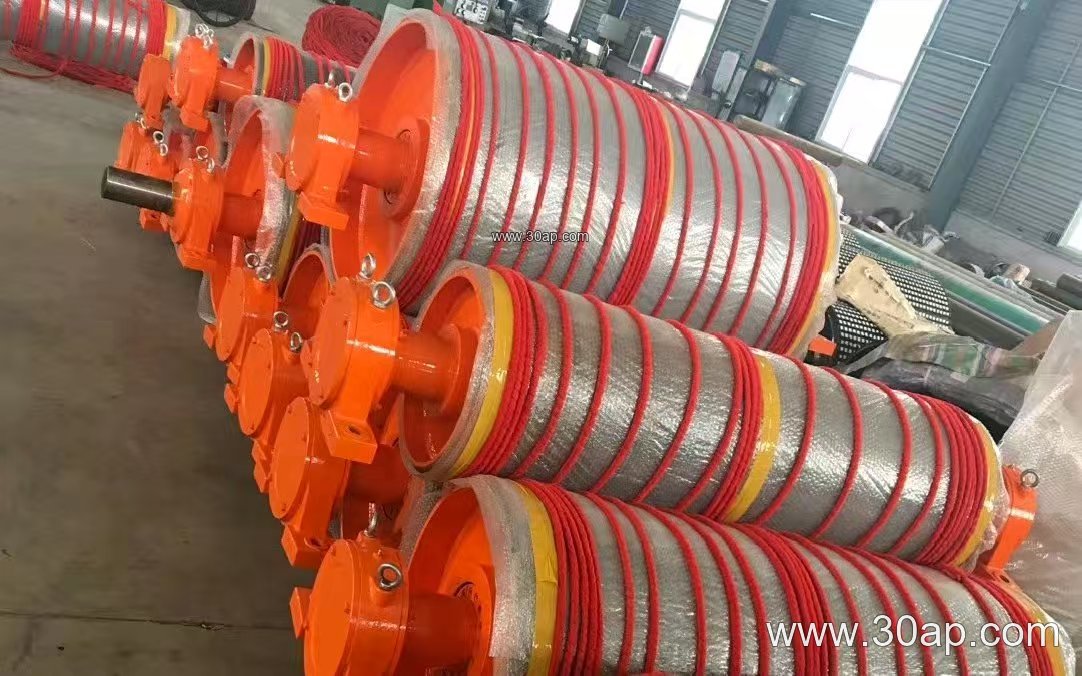
- Lagging type: rubber, ceramic, or hybrid
- Surface pattern: plain, diamond, herringbone
- Lagging thickness: 8, 10, 12, 15, 20 mm
- Pulley diameter: Ø200 to Ø1800 and beyond
- Belt width: B400 to B2400
Where It Fits in the Conveyor
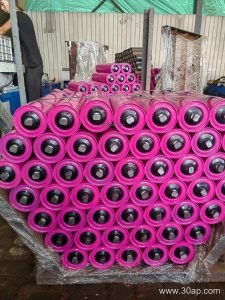
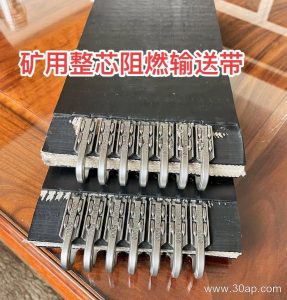
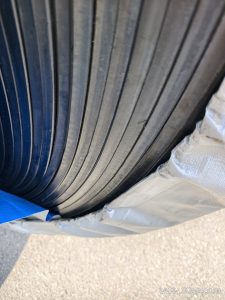
In a limestone quarry or a sand and aggregate line, a high wear-resistant lagged pulley is often found at the head drive position, pulling an abrasion resistant conveyor belt loaded with crushed rock. At the tail, a lagged tail pulley can improve tracking and reduce material buildup. In a coal handling system, a flame retardant conveyor belt may run over a lagged pulley at the transfer point, where dust and fines accelerate wear. The same pulley type appears in power plant coal yards and steel plant sinter lines, though the lagging compound may differ to suit heat or oil exposure.
It is not a substitute for a bend pulley or a tension pulley; those positions have different functions and loads. A bend pulley changes belt direction, while a tension pulley maintains take-up. The high wear-resistant lagged pulley is selected when the combination of traction and abrasion demands a protected shell.
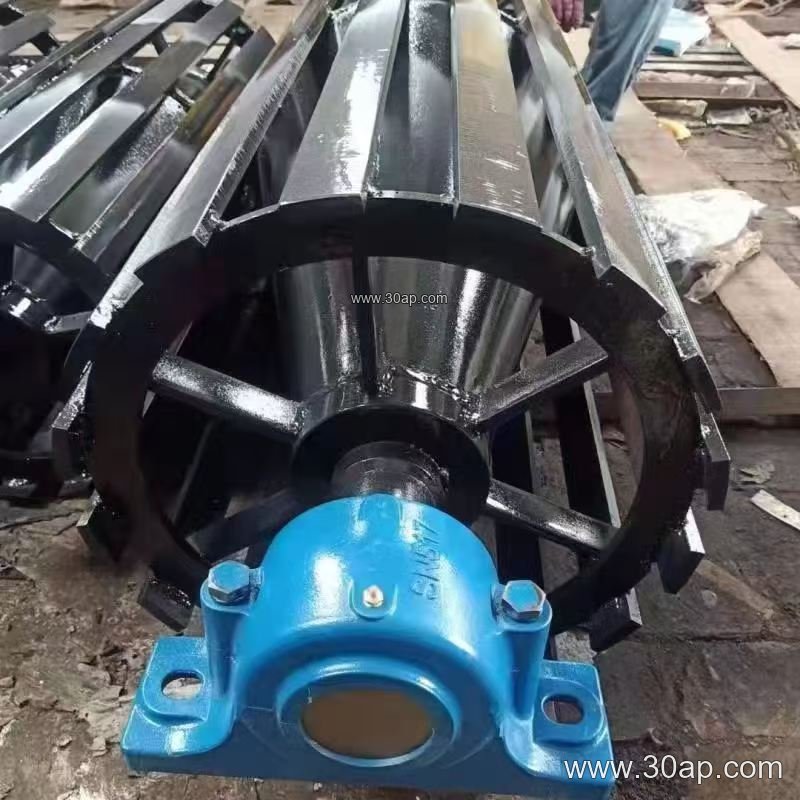
Buyer Checklist
Before ordering, confirm the pulley position and duty: drive, tail, or bend. Specify belt width, pulley diameter, face width, shaft diameter, and lagging thickness. State the material being conveyed and the environment, because an abrasion resistant conveyor belt may need a different lagging than a heat resistant conveyor belt or an oil resistant conveyor belt. Check compatibility with the conveyor bracket and idler roller layout so the pulley fits the existing frame.
Ask for the lagging bond method and surface pattern drawing. For high-wear service, ceramic lagging may outlast plain rubber, but it can be harder on the belt if not matched correctly. Review the shaft calculation and bearing selection rather than assuming a fixed shaft size from belt width. A practical spare-parts plan should include the lagging thickness and pattern so replacements match the original.
Maintenance Notes
Inspect lagging for glazing, chunking, or embedded debris. Clean the pulley face and check belt tracking after any lagging work. Keep the conveyor bracket bolts tight and monitor idler roller alignment, because misalignment increases edge wear on both the belt and the pulley. When wear reaches the warning limit, re-lag rather than run on a smooth shell. For harsh aggregate or ore duty, a high wear-resistant lagged pulley with the right surface pattern helps extend service life and keep the belt running true.