What the 1800mm Conveyor Belt Is
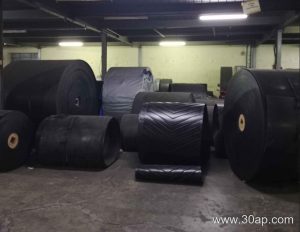
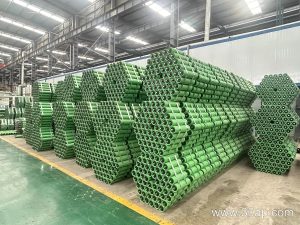
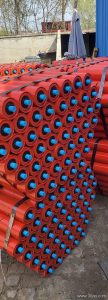
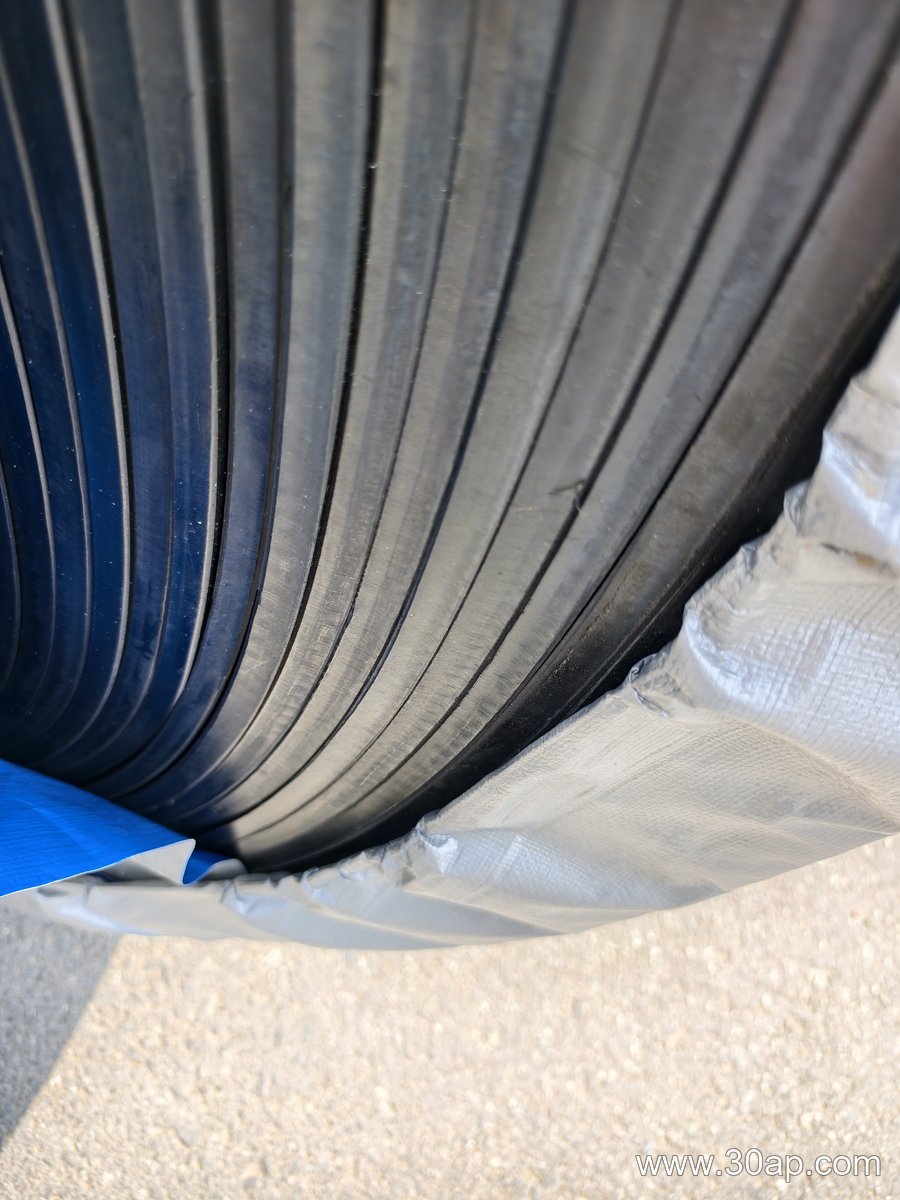
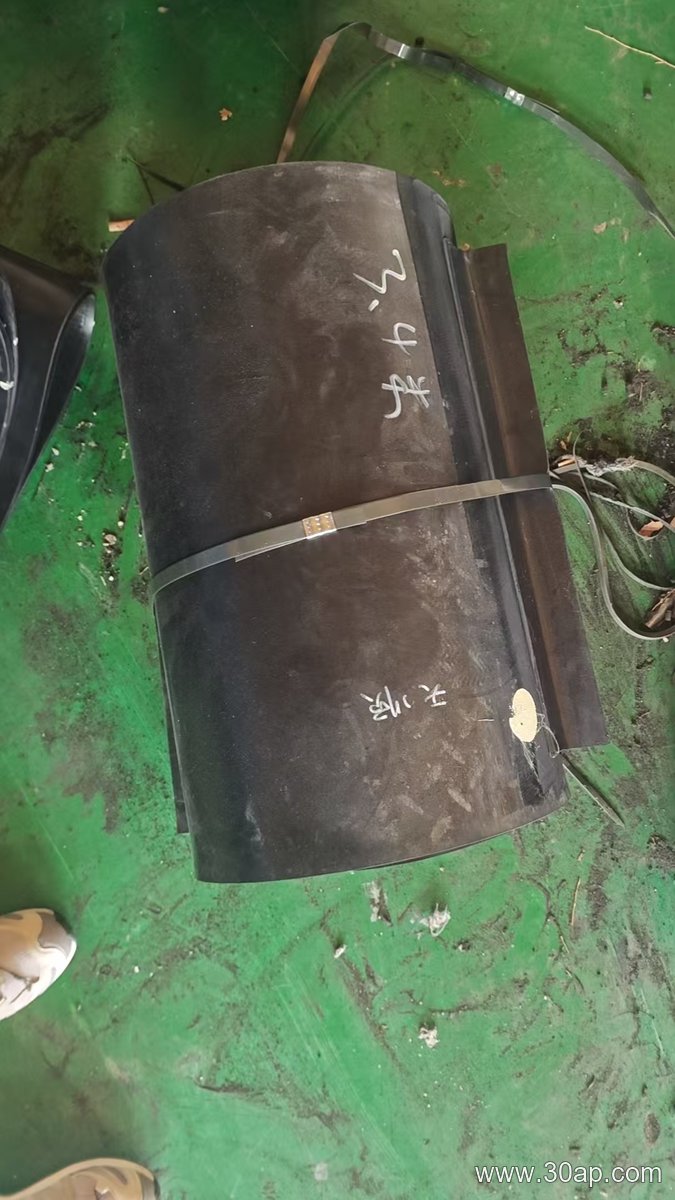
A 1800mm conveyor belt is a wide-format rubber belt designed for high-capacity bulk material transport. In the field it is often called an 1800mm wide conveyor belt or B1800 belt, and it forms the carrying surface of a belt conveyor system. The width is measured across the belt, and 1800mm falls into the heavy-duty range used in mining, coal preparation, cement plants, power stations, and large sand and gravel yards. It is not a standalone product; it works together with idler rollers, conveyor pulleys, and conveyor brackets to move thousands of tons per hour.
Construction and Material Options
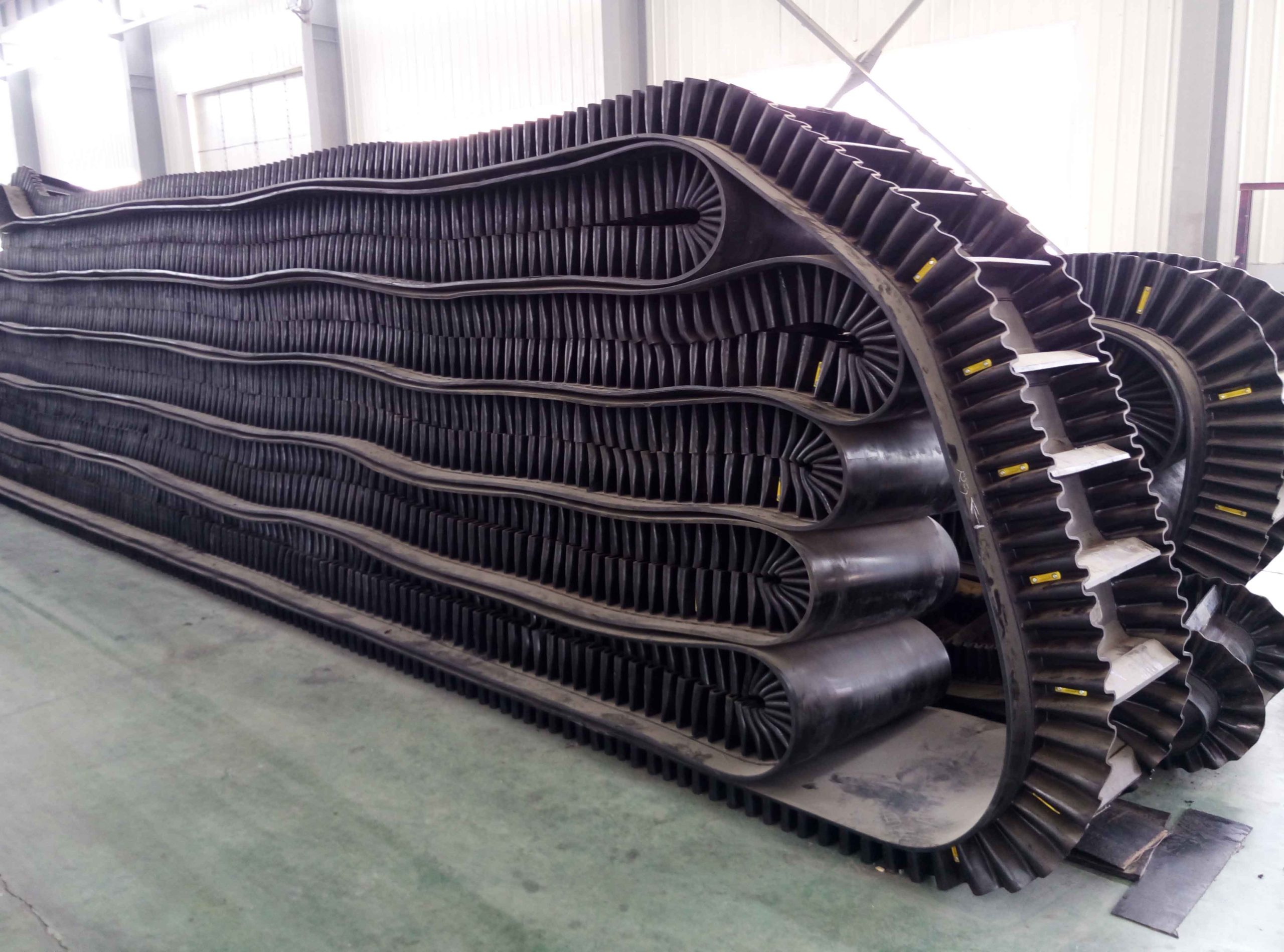
The belt is built from a carcass and rubber covers. The carcass can be EP fabric, NN nylon, or steel cord, depending on the required tensile strength and impact resistance. Common strength grades include EP200, EP315, EP400, EP500, EP630, EP800, EP1000, EP1250, EP1600, and EP2000. Cover rubber thickness is often specified in combinations such as 3+1.5, 4+2, 5+2, 6+2, or 8+3 mm, where the first number is the top cover and the second is the bottom cover. The number of fabric plies typically ranges from two to six.
Special grades are available for demanding conditions: abrasion-resistant, heat-resistant, oil-resistant, flame-retardant, antistatic, cold-resistant, acid and alkali resistant, and patterned surfaces such as chevron or wave-edge sidewalls. These options allow the 1800mm wide belt to handle hot clinker, oily materials, or combustible dust environments without premature failure.
Where It Is Used
- Mining and coal – transporting run-of-mine ore, coal, and overburden.
- Cement plants – feeding limestone, clinker, and additives.
- Power stations – coal handling from stockpile to boiler bunker.
- Sand and gravel yards – moving washed stone, sand, and aggregate.
- Ports and bulk terminals – loading and unloading large volumes.
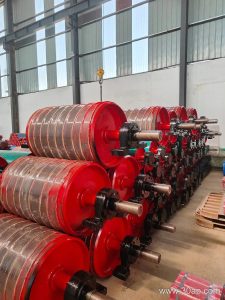
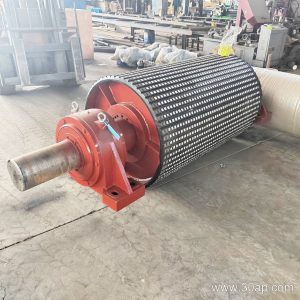
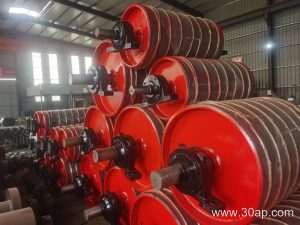
In these industries, a 1800mm conveyor belt is often paired with heavy-duty idler rollers, large conveyor pulleys, and robust conveyor brackets. The drive pulley, tail pulley, and bend pulley each have distinct roles; they are not interchangeable. The drive pulley transmits power, the tail pulley provides return tension, and the bend pulley changes belt direction. Selecting the right pulley diameter depends on belt tension, speed, and load, not on belt width alone.
Specifications at a Glance
The table below shows typical reference values for an 1800mm wide belt. Actual supply depends on the manufacturer and the conveyor design.
| Parameter | Common options |
|---|---|
| Belt width | B1800 (1800mm) |
| Strength grade | EP200, EP315, EP400, EP500, EP630, EP800, EP1000, EP1250, EP1600, EP2000 |
| Fabric plies | 2 to 6 layers |
| Cover thickness | 3+1.5, 4+2, 5+2, 6+2, 8+3 mm |
| Type | EP, NN nylon, steel cord, PVC, PVG |
| Surface | smooth, chevron, wave-edge |
Other belt widths such as B500, B650, B800, B1000, B1200, B1400, B1600, and B2000 are also produced, but a 1800mm belt is not simply a scaled-up version of a smaller one. Its larger cross-section requires more careful support and alignment.
What Buyers Should Know
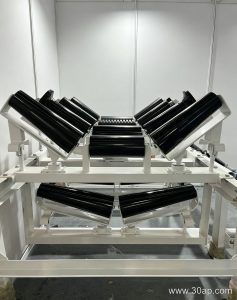
When specifying a 1800mm conveyor belt, consider the material being carried, the lump size, the belt speed, and the operating environment. A belt with a higher tensile grade may be needed for long distances or steep inclines. The idler roller spacing and trough angle must match the belt width to avoid sagging or spillage. The conveyor pulley diameters should be selected from the calculated belt tension, not from a fixed rule based on width. Also check that the conveyor bracket and frame can handle the additional weight and dynamic loads.
Maintenance matters too. Keep the belt aligned, inspect idler rollers for seizure, and monitor pulley lagging. A well-matched 1800mm conveyor belt will deliver reliable service in the toughest mining, coal, cement, power, and aggregate operations.