What a Metallurgical Conveyor Idler Does
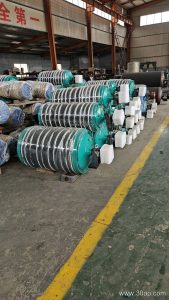
A metallurgical conveyor idler is the rotating component that supports the conveyor belt along its carrying and return runs in metallurgical plants, including iron and steel works, sintering operations, and coke handling lines. It keeps the belt aligned, reduces friction, and carries the load of hot sinter, ore, coke, or flux. In these environments, the idler must tolerate dust, heat, and heavy impact while maintaining smooth rotation. The same idler roller design is used across bulk material handling, from a quarry conveyor belt to a cement plant conveyor belt, but metallurgical service often places extra demands on bearing seals and roller shell durability.
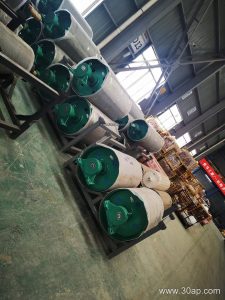
Although a metallurgical conveyor idler is often grouped with general troughing idlers, it is not the same as a conveyor pulley. Drive pulleys, tail pulleys, and bend pulleys serve different functions and are not interchangeable with idlers. This article focuses on the idler roller itself and the practical points a buyer should consider.
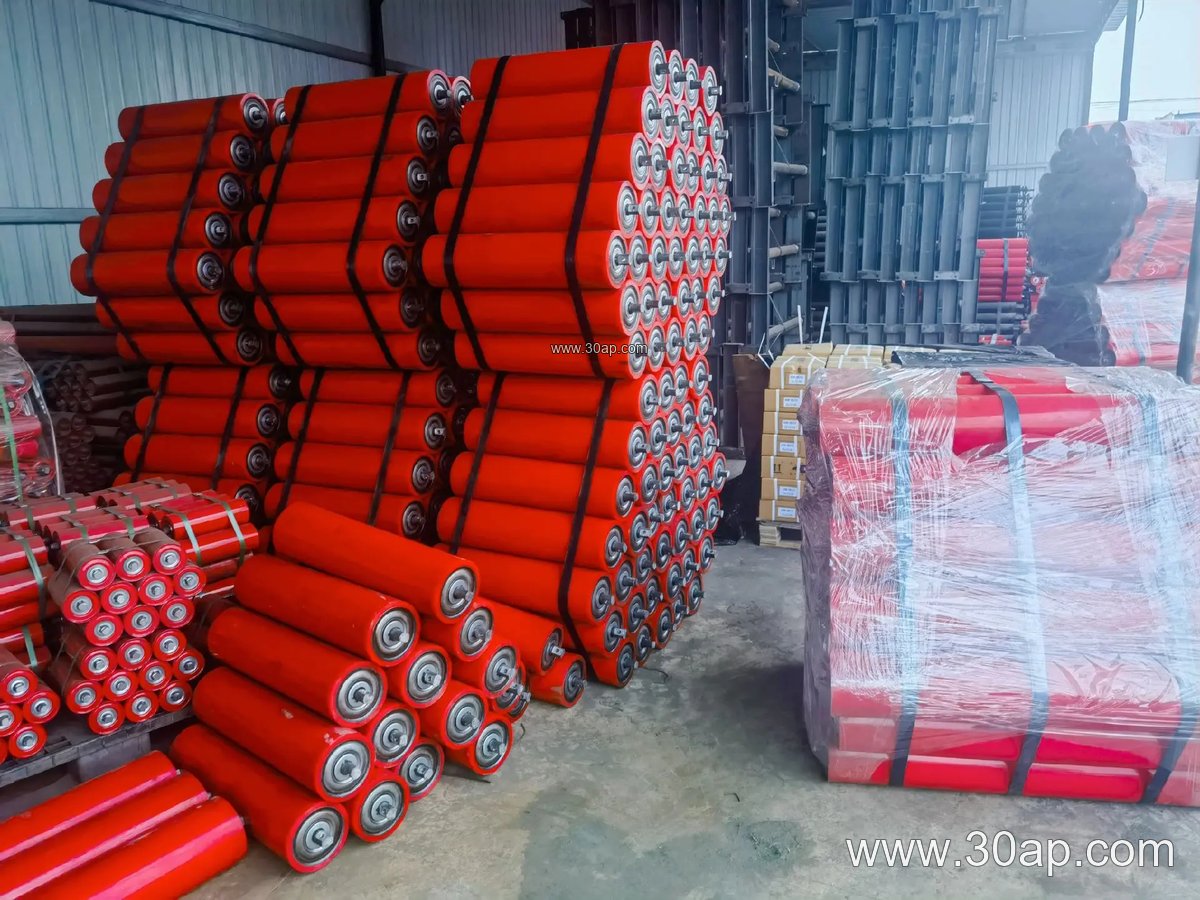
Construction and Common Types
Most metallurgical conveyor idlers use a steel tube shell, a shaft, bearing housings, and a sealing arrangement. The roller surface may be plain steel, nylon, ceramic, or rubber rings. Bearing sizes commonly include 6204, 6205, 6305, 6306, 6308, and 6310, but the bearing is selected according to load and speed, not simply by roller diameter. Seals are critical in sintering and coke areas where fine abrasive dust is present.
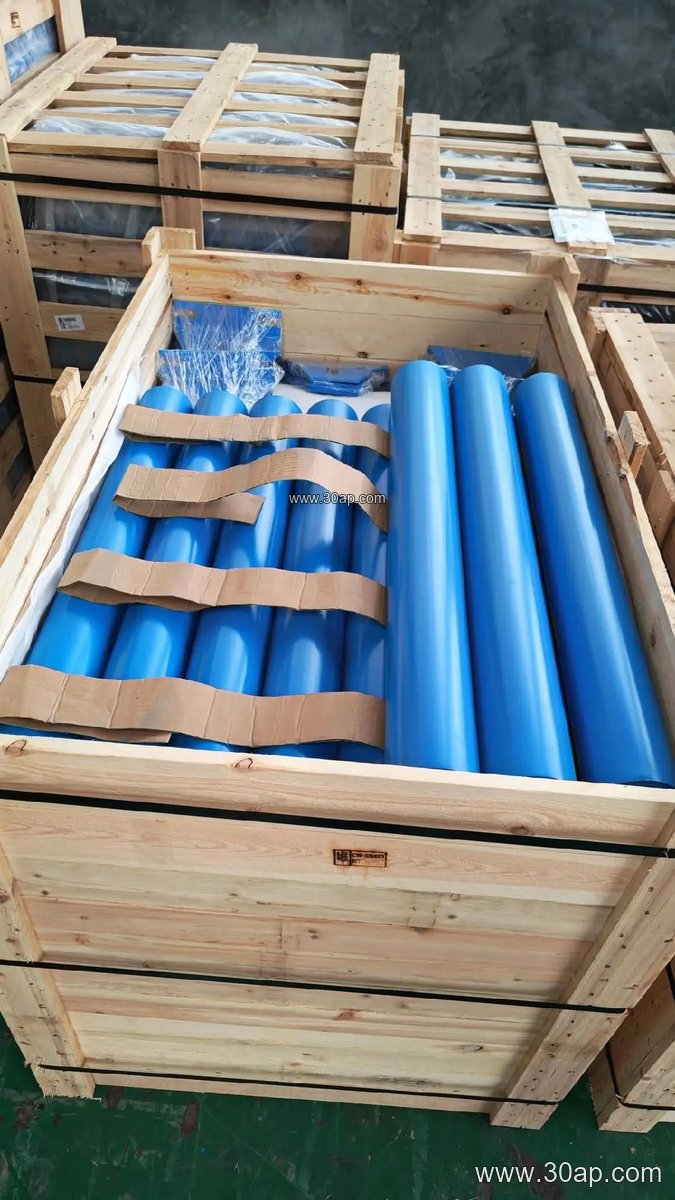
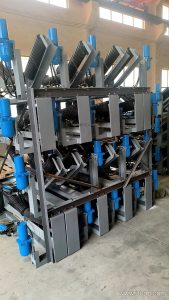
Typical idler types in metallurgical conveying include:
- Troughing idlers (three-roll, two-roll, or single-roll sets) for the carrying side
- Impact idlers and rubber-ring impact idlers under loading points
- Return idlers, including flat return and V-return designs
- Self-aligning idlers for belt tracking
- Spiral idlers for sticky material
Common roller diameters range from Ø63 to Ø219 mm, and belt widths from B400 to B2400 mm. These are reference ranges, not fixed matches. Roller length depends on belt width, trough angle, and idler arrangement. For example, a three-roll troughing set at B800 may use a roller length around 315 mm, while B1200 may use about 465 mm; side rollers and center rollers can differ. Trough angles of 20, 30, 35, and 45 degrees are common, and a forward tilt of about 1.5 to 2 degrees is sometimes used on self-aligning or training idlers.
Where Metallurgical Conveyor Idlers Are Used
In a steel plant, these idlers appear on sinter feed lines, coke conveyor systems, and ore yard conveyors. In a coal mining or power plant coal yard, similar idler rollers support coal mining conveyor belt runs, often paired with flame retardant conveyor belt or anti-static conveyor belt. In a cement plant or limestone quarry, they carry clinker, limestone, and aggregate on a quarry conveyor belt or aggregate conveyor belt. The same idler roller design may also appear in a port terminal handling iron ore conveyor belt loads or in a crushing circuit feeding a crusher conveyor belt.
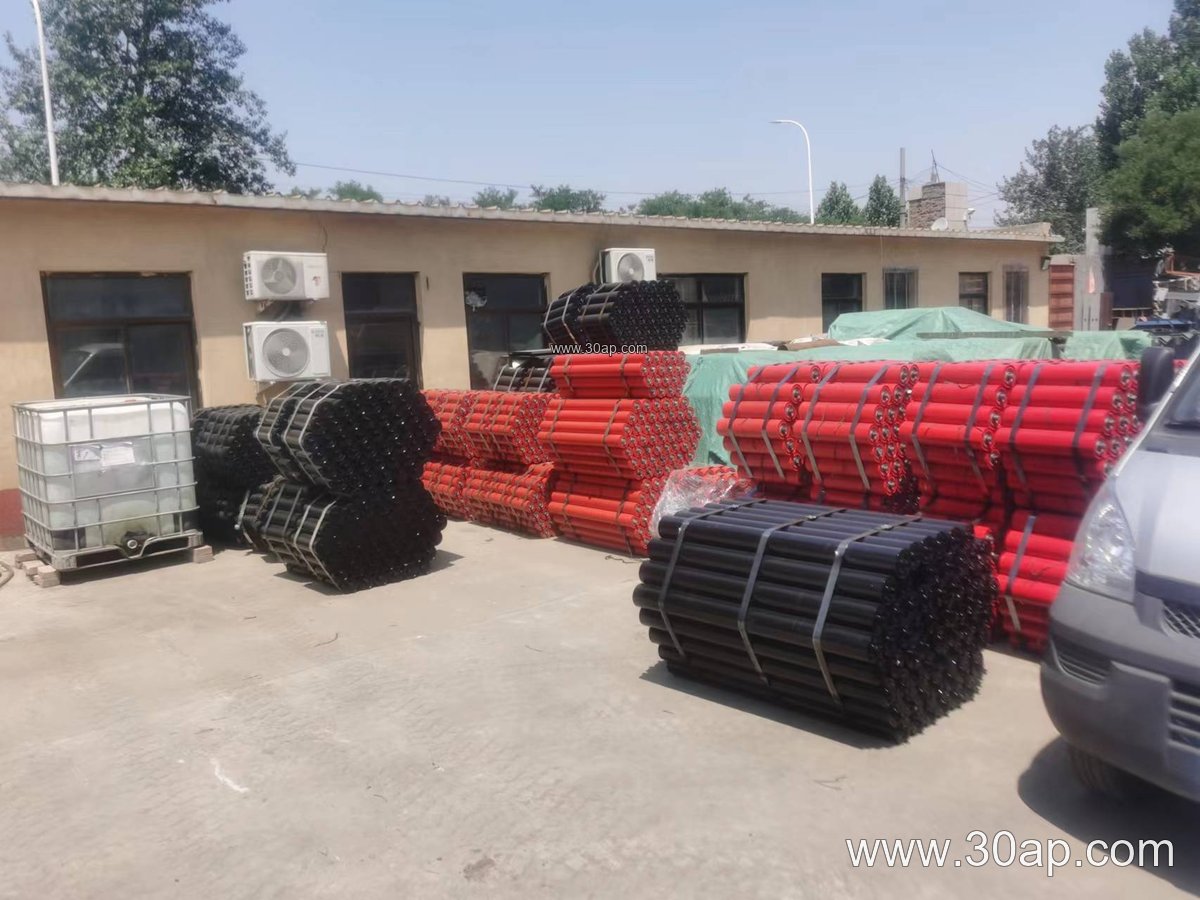
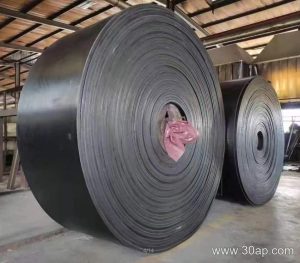
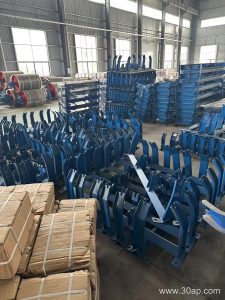
When the belt is a heavy-duty mining conveyor belt or a steel cord conveyor belt such as ST1000 or ST1250, the idler must be matched to the belt load and speed. For wider belts like 1200mm wide conveyor belt or 1500mm wide conveyor belt, idler sets are built to suit the belt width and trough angle. A metallurgical conveyor idler is not selected by belt width alone; the conveyor pulley, conveyor bracket, and belt tension all interact.
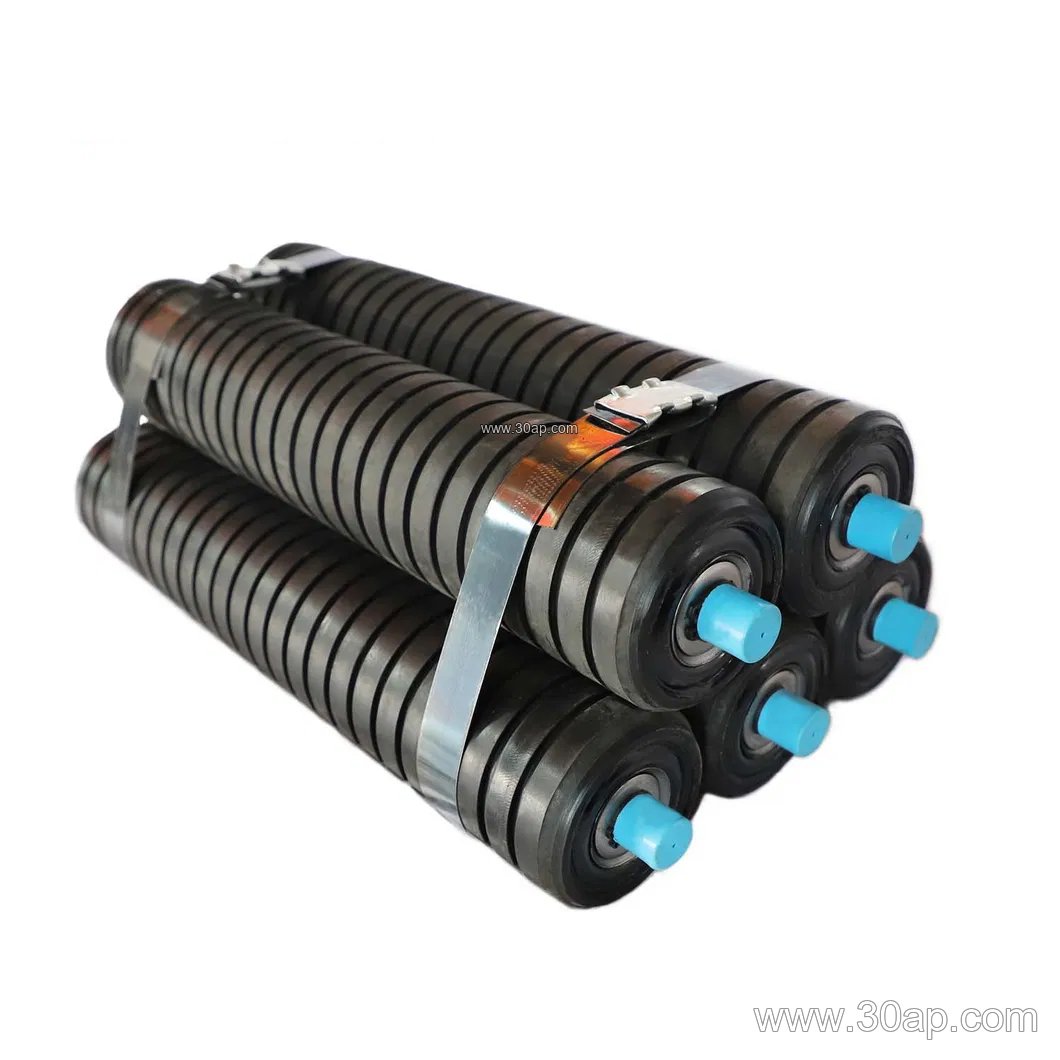
Selection and Maintenance Notes
Buyers should confirm the belt width, trough angle, idler type, roller diameter, shaft end design, and bearing seal class. For hot material, heat-resistant conveyor belt may be used, but the idler bearing lubricant and seal must also tolerate the ambient temperature. In dusty sintering areas, sealed bearings and abrasion-resistant roller shells help extend service life. Self-aligning idlers can reduce belt misalignment, but they do not replace proper pulley alignment or adequate conveyor bracket installation.
Routine checks include roller rotation, seal condition, and shell wear. A noisy or seized idler roller should be replaced before it damages the belt. Spare idler sets should match the original mounting dimensions, especially on existing conveyors where the conveyor bracket spacing is fixed. For any conveyor system, from a small aggregate line to a large ore conveyor belt installation, keeping idler specifications consistent helps avoid premature belt wear.
For more information on idler rollers and related conveyor components, visit our site at www.example.com/conveyor-idler and www.example.com/belt-components. The right metallurgical conveyor idler choice supports reliable operation in demanding steel, coal, and mineral processing environments.