What a V-Type Idler Bracket Does on a Conveyor
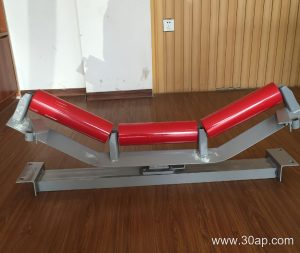
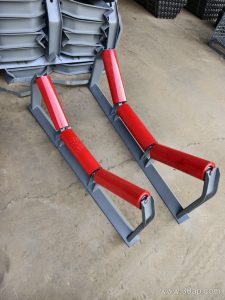
A V-Type Idler Bracket is a return-side support that holds two idler rollers in a shallow V arrangement. In everyday plant language it is also called a V-return bracket or V-shaped idler frame. The bracket sits under the carrying belt on the empty run, so the two rollers contact the belt in a slight trough that helps centre the belt and shed material that might otherwise stick to the surface. It is a distinct component from a troughing bracket on the carrying side, and it should not be confused with a conveyor pulley at the drive, tail or bend position. Those pulleys transmit power or change belt direction; the V bracket simply supports and guides the returning conveyor belt.
How the Bracket Is Built
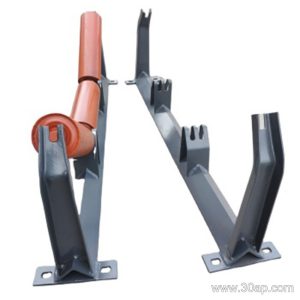
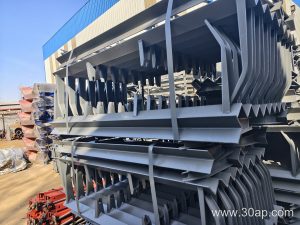
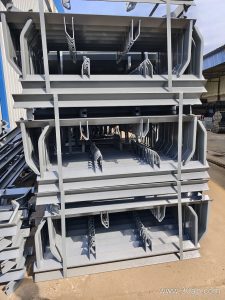
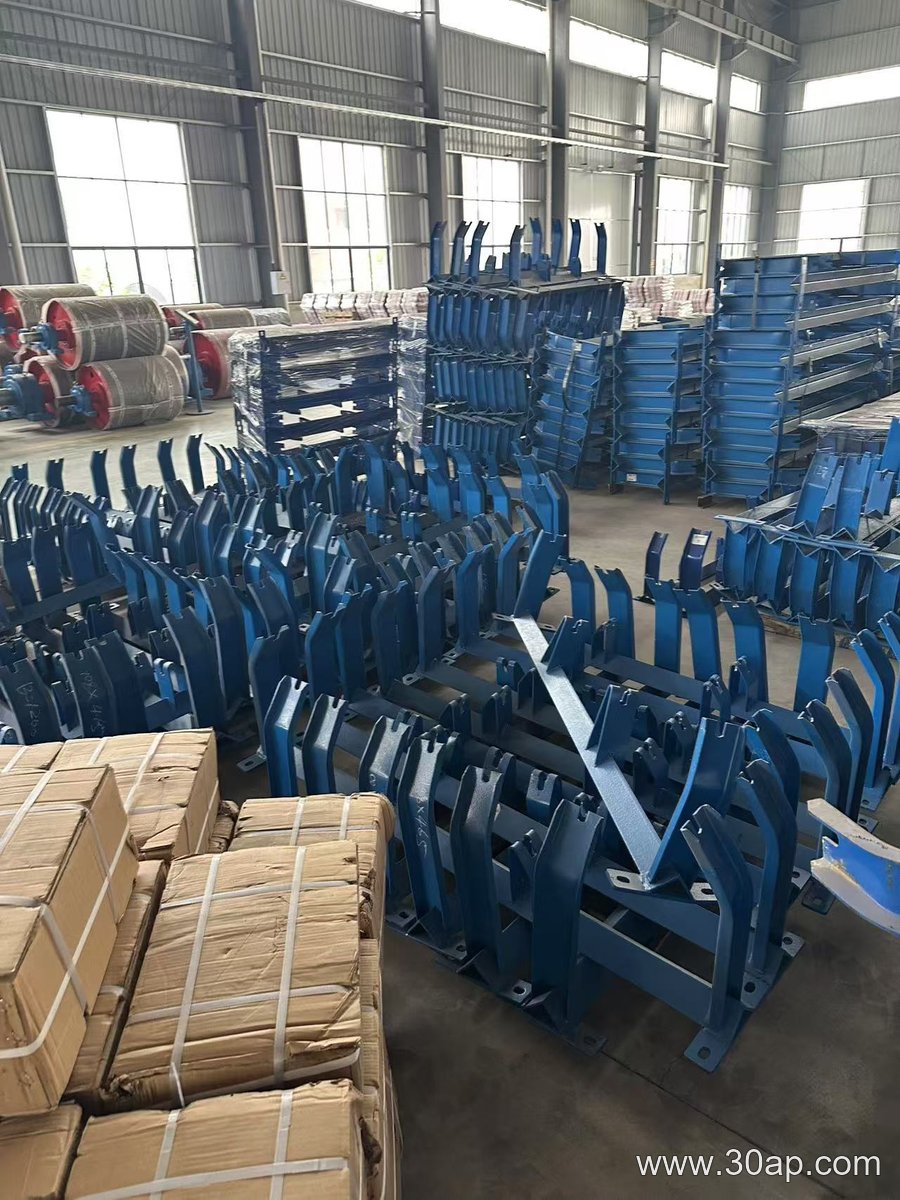
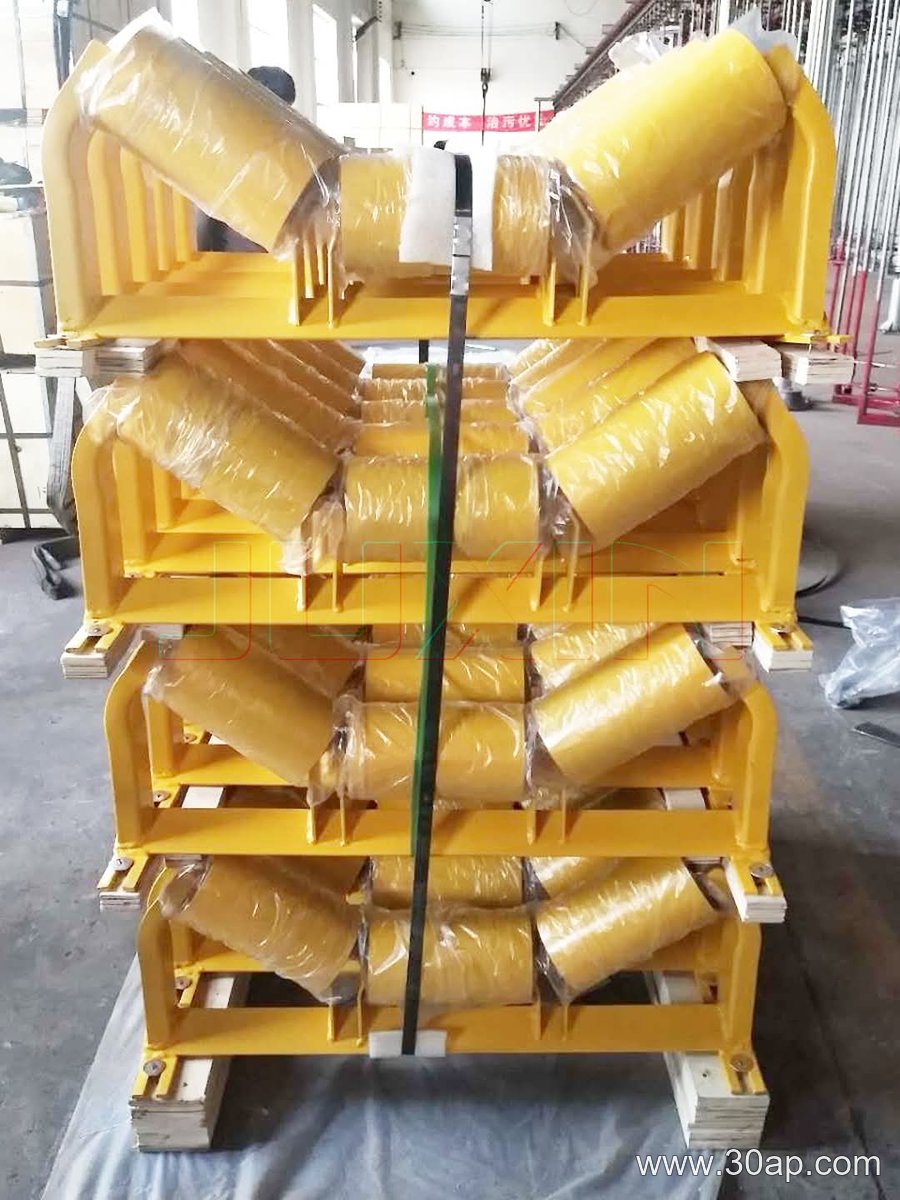
Most V-Type Idler Brackets are fabricated from angle steel, channel steel or folded steel plate. The frame has two inclined mounting faces that position the idler roller at a small angle to each other, often around 10 to 20 degrees from horizontal, depending on the design. The rollers themselves are usually the same diameter as other return idlers on the same conveyor, which keeps spare parts simple. A typical frame includes slotted or drilled fixing holes so the bracket can be bolted to the conveyor stringer. Welded gussets and a cross member give the unit stiffness against belt load and misalignment forces.
Where It Fits in the Conveying Line
You will see this bracket in quarries, sand and gravel plants, coal preparation plants, cement works and bulk handling terminals. It is particularly useful where the return belt tends to wander or where fine wet material builds up on the belt surface. In a crushing and screening circuit, for example, a V-return bracket placed at intervals along the return strand can reduce belt edge damage and keep the belt tracking toward the centre of the idler roller. It works together with the conveyor belt, the carrying idlers and the pulleys, but its job is limited to the return run.
Common Sizes and Matching Points
Bracket dimensions are not universal. The mounting hole spacing and cross beam length change with belt width, trough angle and roller diameter, so a bracket for one conveyor will not automatically fit another. The table below shows reference combinations that appear in general practice. Treat them as examples, not as fixed rules.
| Belt width | Typical V angle | Common roller diameter |
|---|---|---|
| B500 | 10 to 15 degrees | Ø89 |
| B650 | 10 to 15 degrees | Ø89, Ø108 |
| B800 | 15 to 20 degrees | Ø108, Ø133 |
| B1000 | 15 to 20 degrees | Ø108, Ø133 |
| B1200 | 15 to 20 degrees | Ø133, Ø159 |
| B1400 | 15 to 20 degrees | Ø133, Ø159 |
| B1600 | 15 to 20 degrees | Ø159, Ø194 |
| B1800 | 15 to 20 degrees | Ø159, Ø194 |
One belt width can accept more than one roller diameter, and the same bracket family may be offered in fixed or adjustable versions. An adjustable V bracket allows the roller angle to be fine-tuned on site, which is helpful when belt training needs change after installation. Fixed brackets are simpler and often chosen where the belt path is already well controlled.
What Buyers Should Check
- Confirm the belt width and the return idler diameter used elsewhere on the conveyor, so the new bracket matches the existing roller ends.
- Check the mounting hole pattern against the stringer or frame. Hole spacing is not a universal constant.
- Decide between a fixed and an adjustable version. Adjustable types cost more but allow later correction of belt tracking.
- Ask about the material and surface treatment. Painted steel is common, but galvanised or hot-dip galvanised frames may suit wet or corrosive environments.
- Consider the roller fixing method. Some brackets use a simple drop-in slot, while others use bolted clamps.
- Review the load and belt speed with the supplier. A V-Type Idler Bracket is a structural part, and the frame thickness should suit the duty.
Installation and Maintenance Notes
Mount the bracket square to the belt centre line and at the height recommended for the return roller. If the bracket is skewed, the belt may run to one side even when the rollers are in good condition. Inspect the frame for bent ears, worn slots and loose bolts during routine shutdowns. Replace any idler roller that seizes, because a locked roller will wear a flat spot on the belt and can damage the bracket. Keep the return strand free of build-up, since material packing around the V shape reduces its self-cleaning effect. With correct selection and periodic checks, a V-Type Idler Bracket helps the return belt run straight and last longer.