What a Ship Loading Conveyor Belt Does at the Terminal
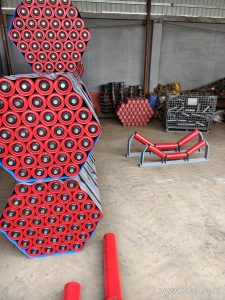
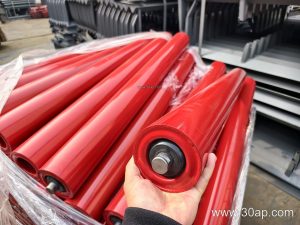
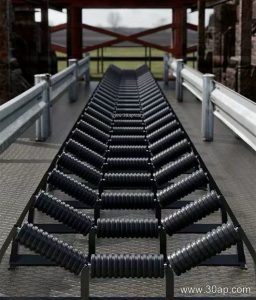
A ship loading conveyor belt is the heavy-duty belt that carries bulk materials from the terminal stockyard or silo to the ship’s hold. Unlike a simple yard conveyor, this belt often works on a movable or slewing loader, so it must handle tight transitions, variable reach, and the impact of material dropping into the hold. In ports handling coal, iron ore, cement clinker, or fertilizer, the ship loading conveyor belt is a critical link between land transport and the vessel. The belt itself is usually part of a larger conveyor pulley and idler roller system, but the belt remains the wearing component that determines how clean and efficient the loading cycle will be.
How the Belt Is Built
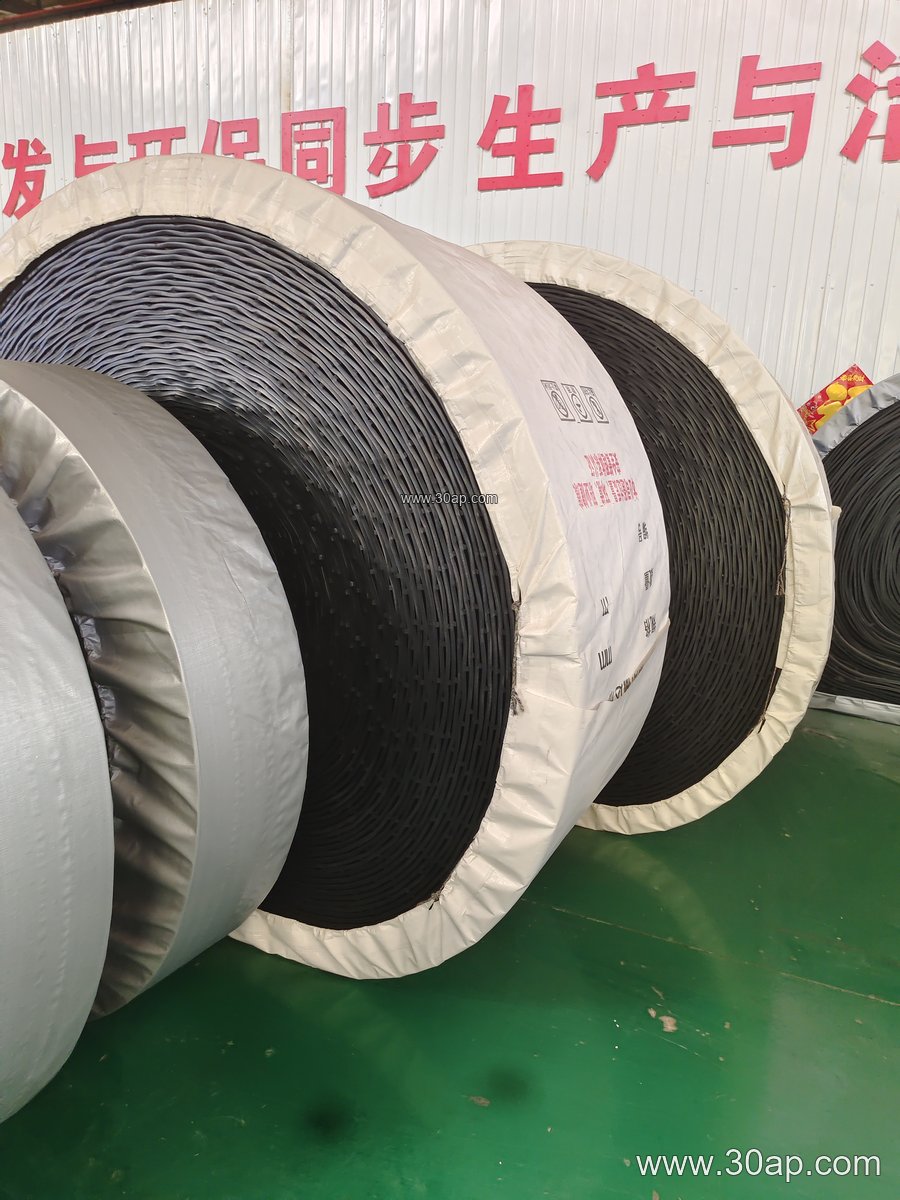
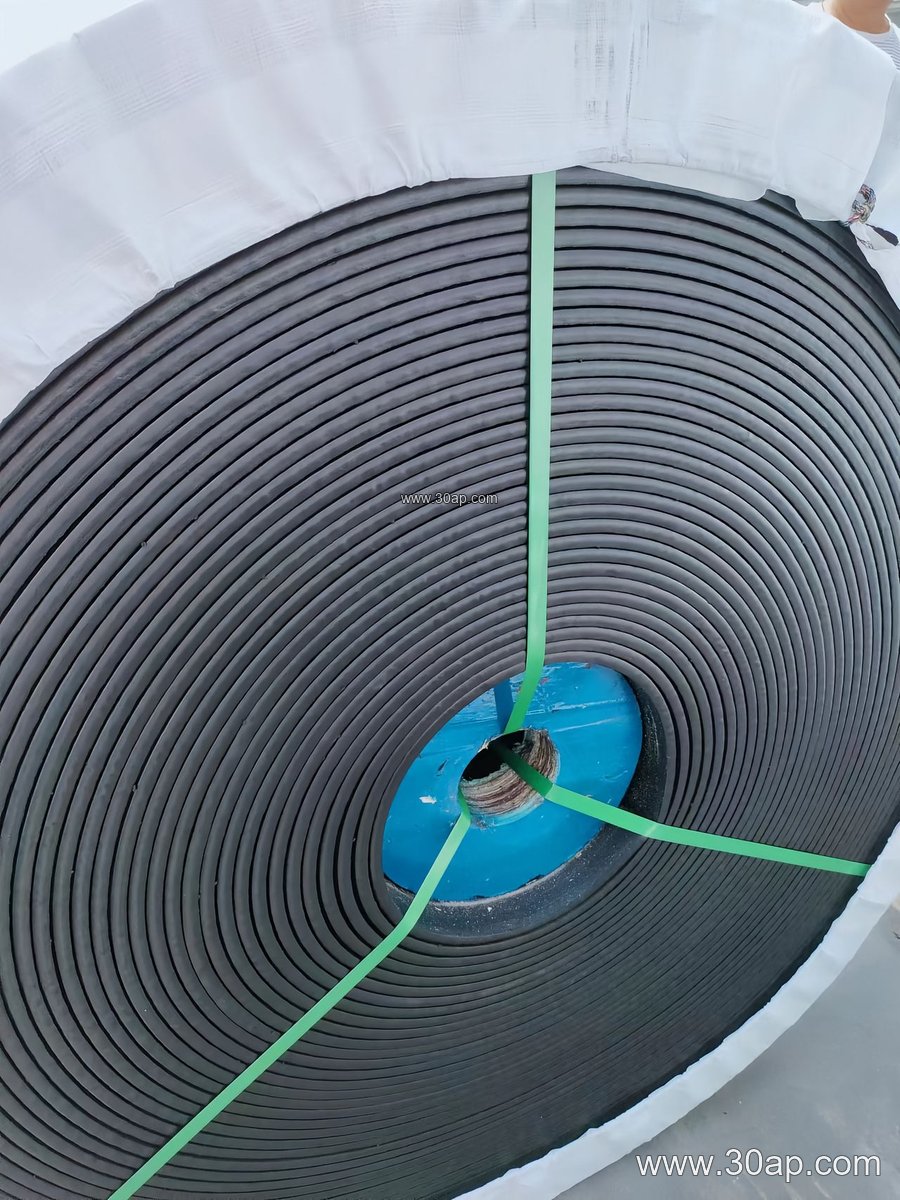
Most ship loading conveyor belts are fabric core or steel cord constructions. The carcass provides tensile strength, while the cover rubber protects against abrasion, moisture, and oil. For port service, common choices include EP conveyor belt and NN conveyor belt for general bulk handling, and steel cord conveyor belt where long center distances or high tension are involved. A rubber conveyor belt with a heavy cover is typical in dusty, salty air. The table below lists representative constructions and typical cover thicknesses; actual values are selected by the conveyor designer.
| Construction | Common Strength Range | Typical Cover (top + bottom) | Port Use |
|---|---|---|---|
| EP conveyor belt | EP200 to EP1000 | 4+2, 5+2, 6+2 mm | General bulk loading |
| NN conveyor belt | NN100 to NN400 | 4+2, 5+2 mm | Medium-duty terminals |
| Steel cord conveyor belt | ST1000 to ST2500 | 6+3, 8+3 mm | High tension, long reach |
| Multi-ply fabric core | 2 to 6 plies | 3+1.5, 4+2 mm | Flexible loader booms |
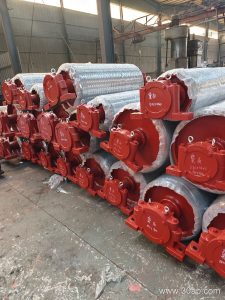
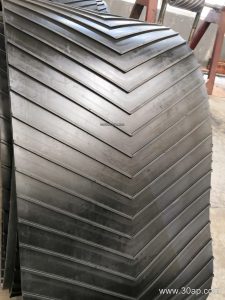
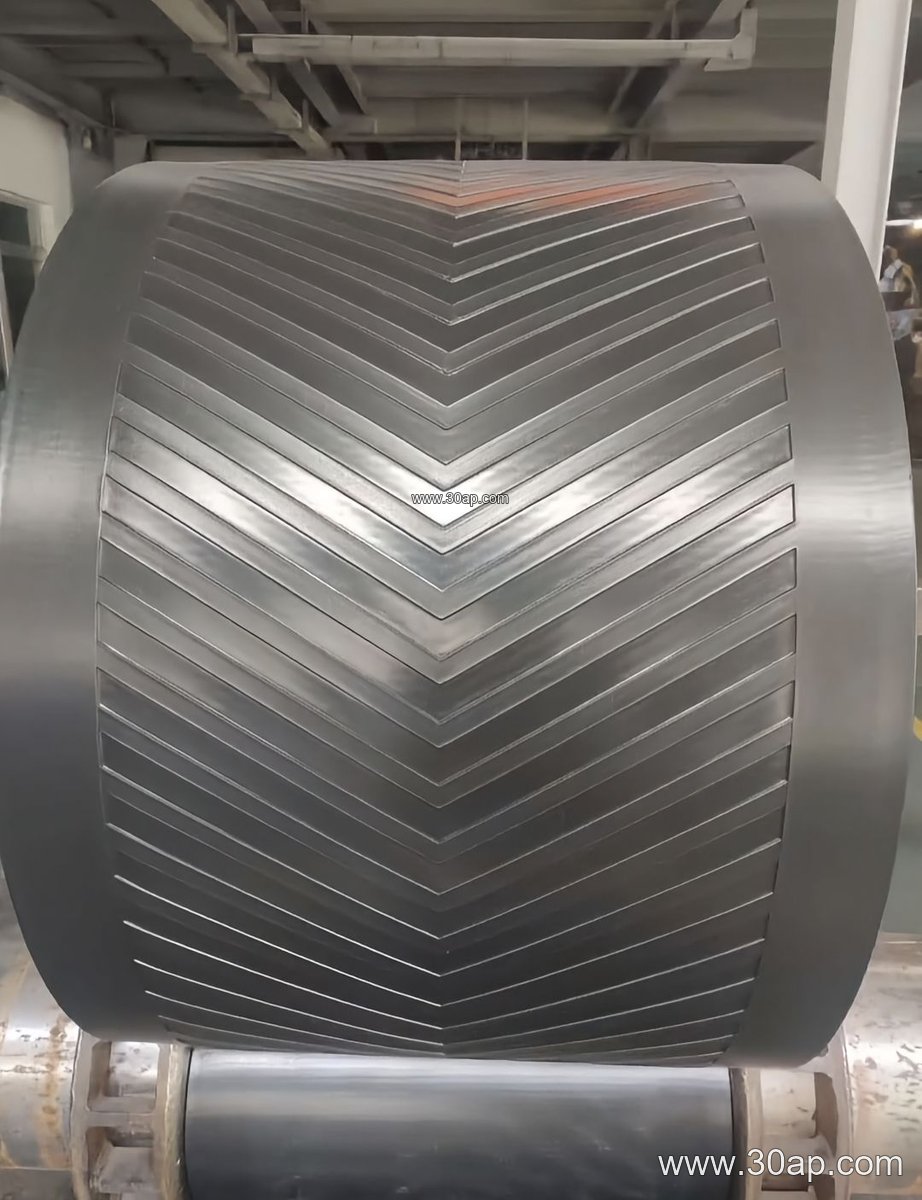
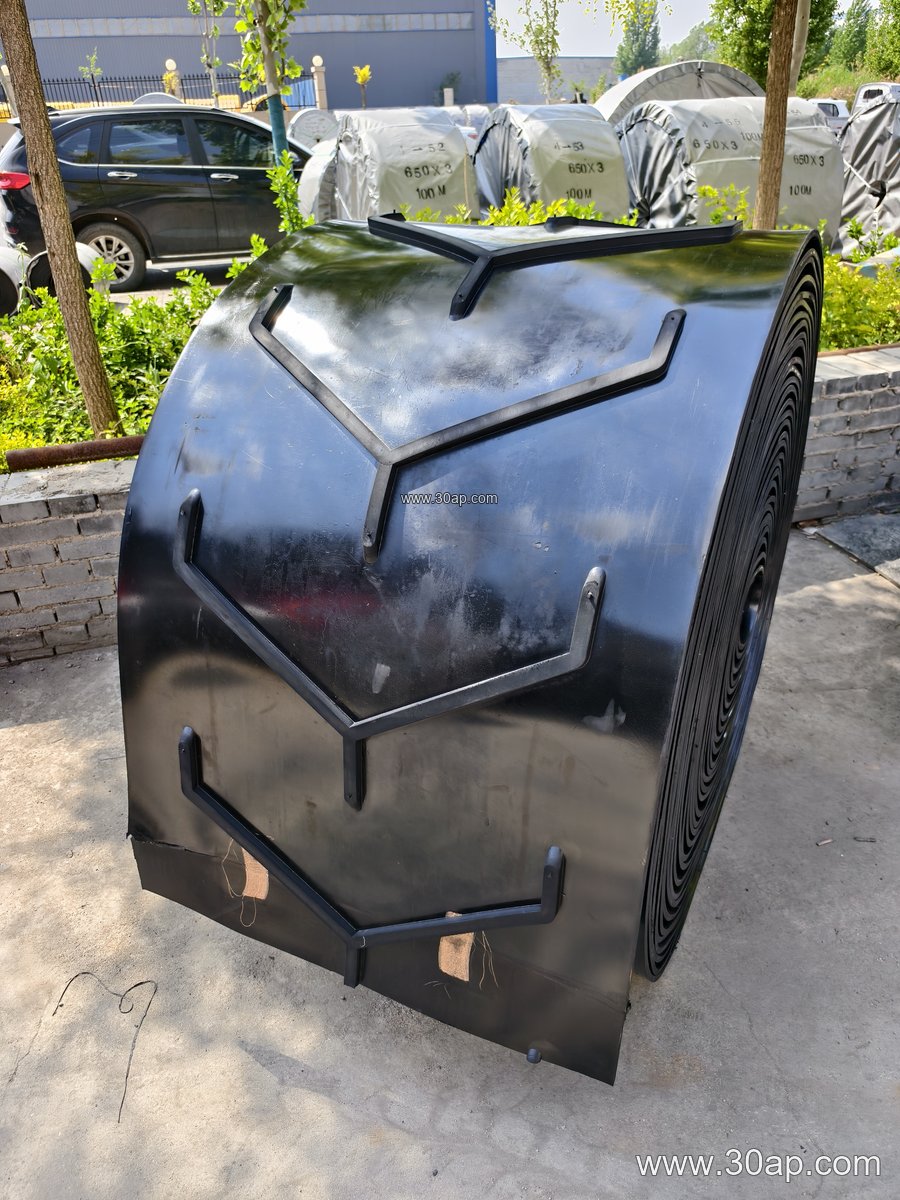
For dusty coal or ore, an anti-static conveyor belt and flame retardant conveyor belt may be specified where the local safety plan requires them. Heat resistant conveyor belt is used when clinker or hot pellets are loaded, while oil resistant conveyor belt suits certain fertilizer and chemical cargoes. A chevron conveyor belt or corrugated sidewall conveyor belt is less common on ship loaders because the belt runs at higher speed and must pass over bend pulleys, but it can appear on inclined transfer sections. In every case, the drive pulley, tail pulley, and bend pulleys are separate components with their own diameters and lagging; they are not specified from belt width alone.
Where Ship Loading Belts Are Used
These belts appear in port conveyor belt systems serving coal terminals, iron ore berths, cement export facilities, and aggregate quays. A quarry conveyor belt or crusher conveyor belt may feed a stockpile that later transfers to a ship loader. In a power plant or steel plant, a ship loading conveyor belt can carry imported coal or ore from the jetty to the yard. The same belt technology is used in barge loading and train-to-ship transfer. Because the loader often moves, the belt must resist flexing, edge wear, and splice fatigue. That is why heavy-duty mining conveyor belt constructions are sometimes adapted for port duty, especially where lump size and drop height are high.
Selection Points for Buyers
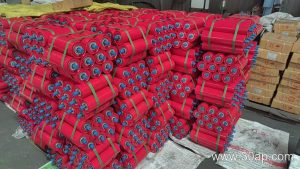
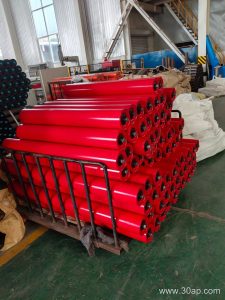
Start with the material: lump size, bulk density, moisture, oil content, and temperature. Then confirm the required belt width and strength. Common widths include B800, B1000, B1200, B1400, and B1600, but a ship loader may use a wider or narrower belt depending on its rated capacity. The belt speed, incline, and loading chute design also matter. Check the pulley and idler roller arrangement, because a belt that is too stiff for the bend pulleys will track poorly. Cover grade should match the abrasion and corrosion risk; salt air and wet ore call for a tougher rubber conveyor belt. Finally, ask for the splice method and edge condition, since a ship loading conveyor belt is only as good as its joints.
Maintenance and Wear
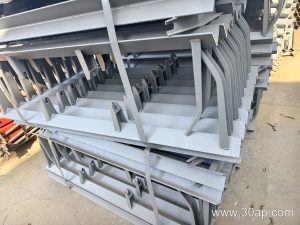
Inspect the belt regularly at the loading point and at each pulley. Look for cover gouges, exposed carcass, and edge fraying. Keep the idler rollers turning freely and check that the conveyor bracket and frame are aligned. A misaligned bend pulley can cause edge damage that shortens belt life. Cleanliness matters too: spilled material around the tail pulley can migrate into the belt and cause tracking problems. For coal or cement dust, confirm that the anti-static and flame retardant properties remain intact after splicing. Records of cover thickness and splice condition help plan replacement before a failure stops the ship.