What a High Temperature Conveyor Belt Does
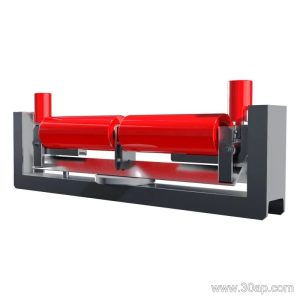
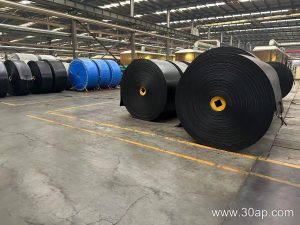
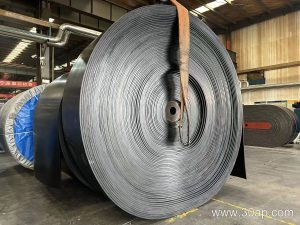
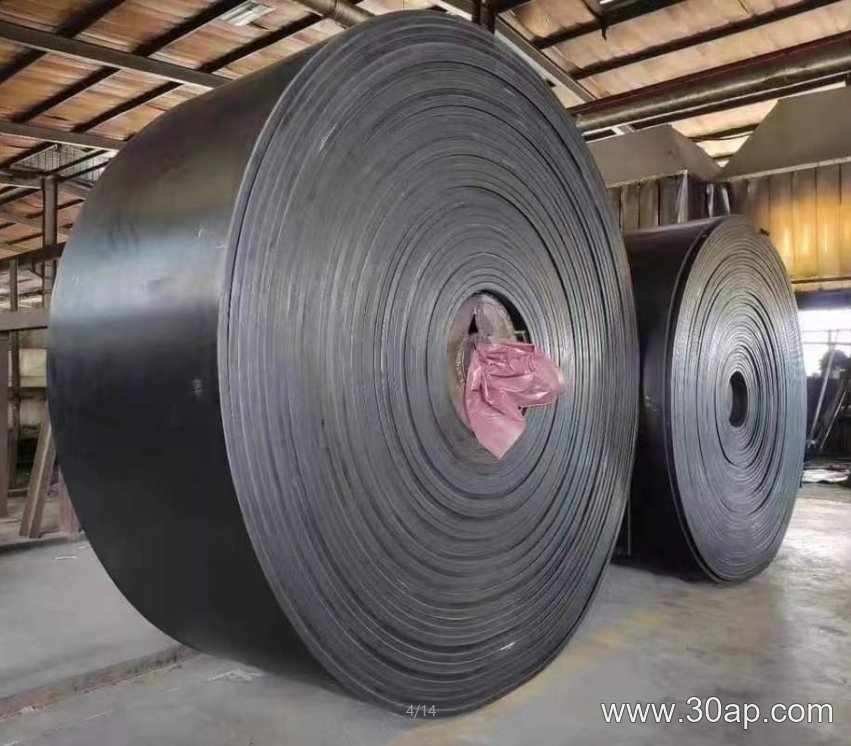
A high temperature conveyor belt is a heat-resistant rubber conveyor belt built to carry sinter, clinker, cement, foundry sand, ash, coke, and similar hot loads without losing its cover or carcass. The belt works as the moving surface of a belt conveyor, running over idler rollers and turning around conveyor pulleys while the hot material sits on top. Heat resistance is not a single property; it depends on the rubber compound, the carcass, and how the belt is installed.
Construction and Heat-Resistant Materials
The belt usually has a fabric or steel cord carcass covered with rubber on both faces. Heat-resistant grades often use EP (polyester-cotton) or NN nylon fabric plies, while steel cord carcass is chosen for very long, heavy-duty lines. A heat-resistant cover compound resists hardening, cracking, and surface breakdown better than standard rubber. Cover thickness is stated as top plus bottom, for example 4+2 mm, 5+2 mm, 6+2 mm, or 8+3 mm. Carcass plies commonly range from 2 to 6 layers depending on the duty.
| Item | Common range |
|---|---|
| Fabric type | EP, NN nylon |
| Strength grades | EP200, EP315, EP400, EP500, EP630, EP800, EP1000, EP1250, EP1600, EP2000 |
| Belt width | B500, B650, B800, B1000, B1200, B1400, B1600, B1800, B2000 |
| Cover thickness | 3+1.5, 4+2, 5+2, 6+2, 8+3 mm |
| Carcass plies | 2 to 6 layers |
These values are reference data. Actual selection depends on material temperature, lump size, throughput, and the conveyor design.
Where It Is Used
Typical duties include cement kiln feed and clinker lines, steel plant sinter and coke handling, foundry sand return, biomass and coal ash systems, and mineral processing plants. In these lines the belt may face continuous temperatures around 100 to 150 degrees C, or short peaks above that. The exact limit is set by the belt compound and must be confirmed with the supplier.
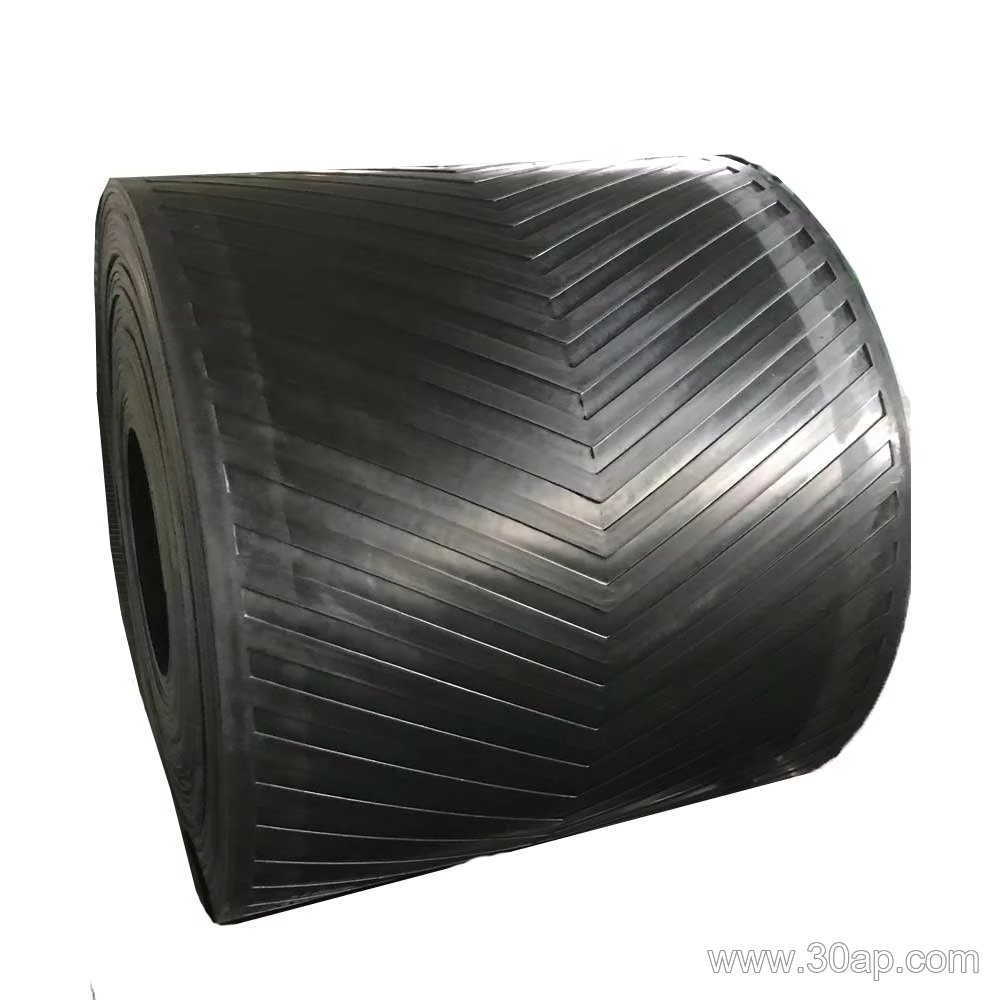
Selection Points for Buyers
- State the material, normal temperature, and peak temperature, not just the material name.
- Check whether the heat comes from above, from the load, or from radiant sources such as a kiln hood.
- Choose the carcass for tensile load and impact; EP and NN nylon are common, steel cord for high tension.
- Set cover thickness from abrasion and heat exposure; a thicker cover is not always better if the compound is wrong.
- Match belt width to the conveyor frame, idler roller spacing, and pulley face, not to a fixed rule.
Installation and Maintenance Notes
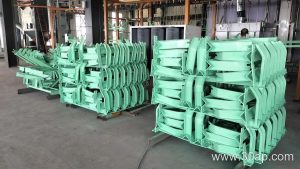
On a hot line, the belt should not be asked to do work it was not designed for. Fasteners, splice type, and edge condition all affect service life. A belt that runs misaligned will rub the conveyor bracket and frame, and that friction adds heat. Keep idler rollers turning freely, check conveyor pulley lagging for wear, and inspect the belt surface for hardening or small cracks. A heat-resistant belt can still fail early if the temperature is higher than the compound allows or if hot material is loaded at a sharp impact point.
For comparison, a standard abrasion-resistant belt performs well in cold, abrasive service but is not a substitute where heat is the main risk. If the duty is hot and also oily or chemically active, the buyer should look for a belt that covers both conditions rather than assuming one grade fits all. The right high temperature conveyor belt is the one matched to the measured temperature, the load, and the conveyor layout.