What a High Abrasion Resistant Conveyor Belt Is
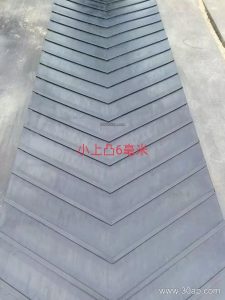
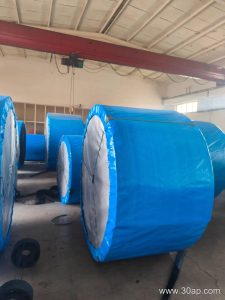
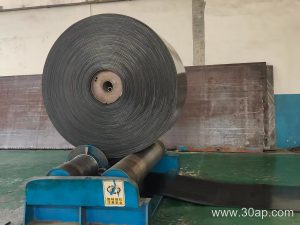
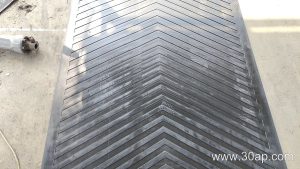
A High Abrasion Resistant Conveyor Belt is a heavy-duty rubber belt engineered for conveying sharp, hard, and fast-moving bulk materials without rapid cover wear. In practice it is an Abrasion Resistant Conveyor Belt built with a tougher cover compound and a robust carcass, so the belt keeps its thickness and grip where ordinary belts would scrub away in months. It is common to see this product described as a high-wear rubber conveyor belt or a heavy-duty abrasion resistant belt; both refer to the same article.
The keyword matters because wear is the leading cause of belt replacement in mines, quarries, cement works, power plants, and sand and gravel yards. A belt that resists abrasion protects the whole conveying line, from the conveyor pulley at the head to the tail pulley and every idler roller in between.
How the Belt Is Built
Construction follows the familiar layered pattern of a fabric-core belt, with the wear layer upgraded. A typical build includes:
- Top cover: a high-abrasion rubber compound, usually thicker than standard, to absorb impact and sliding wear.
- Carcass: multi-ply fabric, often EP or NN, providing tensile strength and troughability.
- Bottom cover: a thinner abrasion resistant layer that runs against the idlers.
- Edges: cut or moulded edges, with the cut edge sealed against moisture and fraying.
For very high tension or long overland routes, a steel cord carcass may be chosen instead of fabric; the abrasion resistant cover concept stays the same. Where the load is also hot, a Heat Resistant Conveyor Belt is the correct choice, and where coal dust and methane are present, a Flame Retardant Conveyor Belt should be specified. These are different subtypes serving different duties, not substitutes for the abrasion resistant belt itself.
Common Specifications
Values below are typical reference data; actual construction is confirmed per project and per manufacturer.
Fabric Core Grades
| Grade | Typical Application |
|---|---|
| EP200 | Light to medium duty, short conveyors |
| EP400 | General bulk handling |
| EP630 | Medium duty quarry and cement lines |
| EP800 | Heavy duty mining and port service |
| EP1000 | High tension, long distance |
| EP1250 | Very high tension main haulage |
Belt Widths
| Width | Typical Use |
|---|---|
| B500 / B650 | Small transfer and screening lines |
| B800 / B1000 | Crusher discharge, aggregate yards |
| B1200 / B1400 | Main plant conveyors, cement works |
| B1600 / B1800 | Mine and port bulk systems |
| B2000 | Very high capacity trunk conveyors |
Cover Thickness
| Cover (top + bottom) | Duty Level |
|---|---|
| 4 + 2 mm | Standard abrasive duty |
| 5 + 2 mm | Heavier wear, mixed stone |
| 6 + 2 mm | Sharp rock, high impact |
| 8 + 3 mm | Severe mining and ore duty |
Carcass plies commonly run from 2 to 6 layers depending on strength grade and belt width.
Where It Works Best
The belt suits any line handling hard, angular, or fast-flowing material. Typical settings include:
- Iron ore, copper ore, and gold mining transfer points
- Quarry and aggregate plants feeding crushers and screens
- Cement plants moving clinker and limestone
- Power plant coal yards and ship loading systems
- Sand and gravel yards, recycling lines, and construction sites
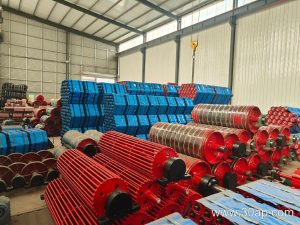
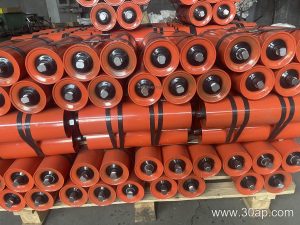
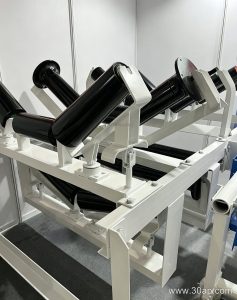
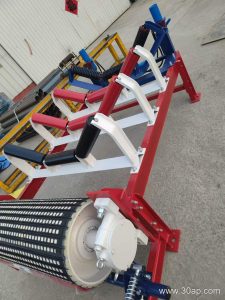
In these plants the belt runs over troughing idlers, a drive pulley, bend pulleys, and a tail pulley, with conveyor bracket frames holding the rollers in alignment. Wear usually concentrates at the loading point, so impact cradles and skirt rubber help extend service life.
Buyer Checklist
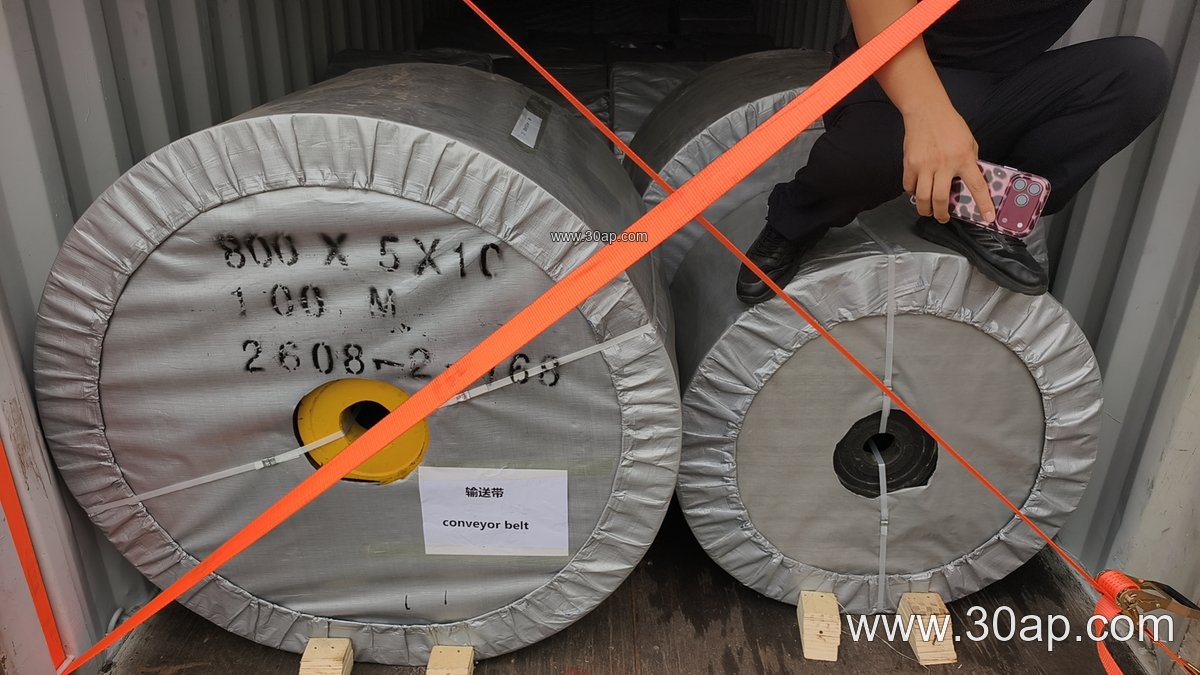
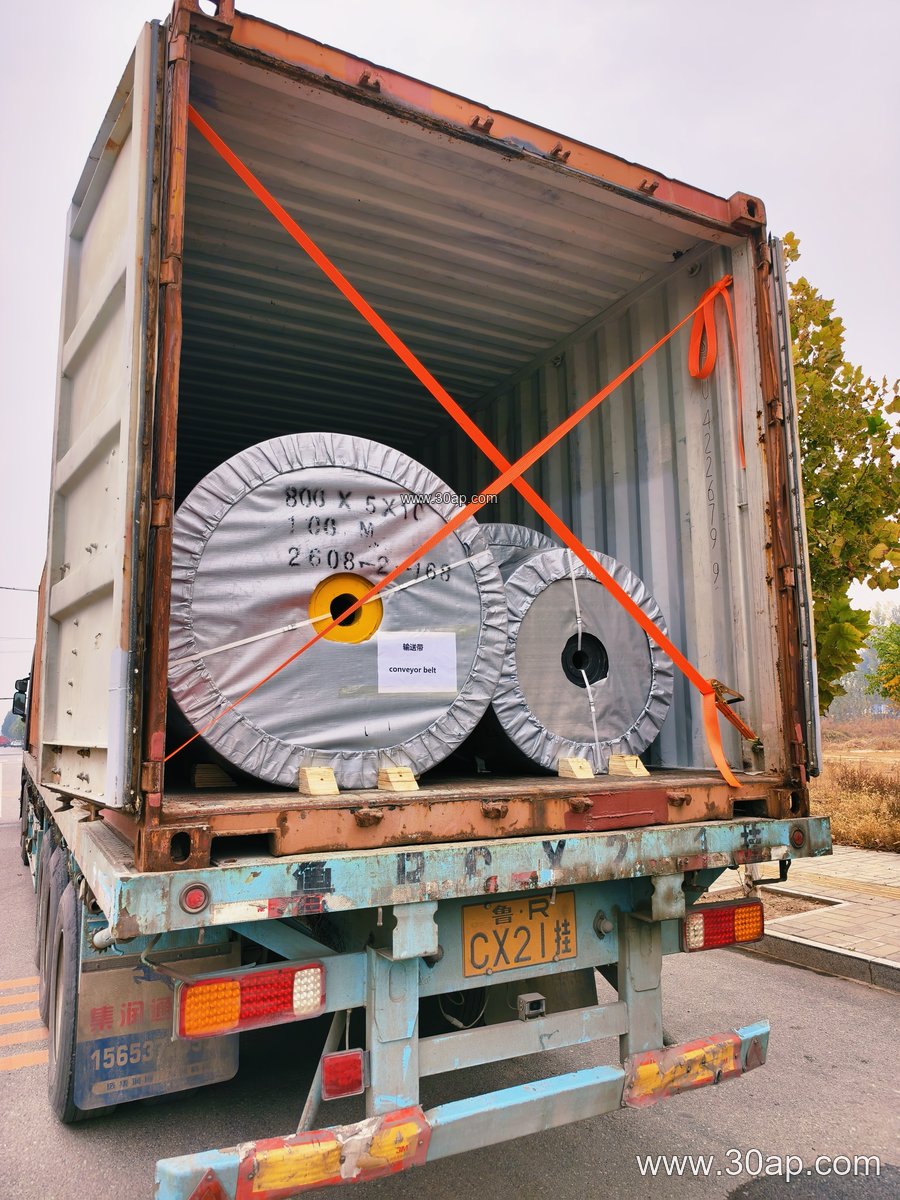
Before ordering, confirm the material type, lump size, fall height, throughput, and belt speed. State the required strength grade, belt width, cover thickness, and whether fire, heat, oil, or cold resistance is also needed. Check pulley diameters against the carcass flexibility recommended by the manufacturer, and never assume one belt width fits one pulley size. Ask how edges are sealed, how splices will be made, and whether the belt is supplied as an Endless Conveyor Belt or in rolls for on-site splicing.
Finally, plan maintenance: keep idlers turning freely, avoid material build-up under the tail pulley, and inspect the cover at transfer points. A well-matched High Abrasion Resistant Conveyor Belt, combined with sound roller and pulley care, gives the longest, most predictable service in abrasive bulk handling.