What a Conveyor Belt Support Frame Does
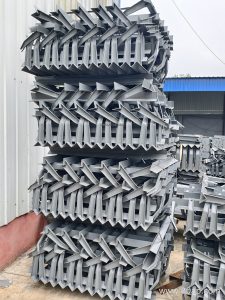
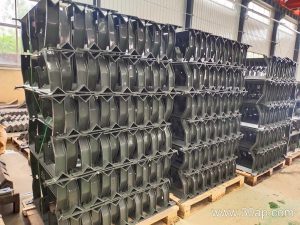
A conveyor belt support frame is the steel structure that holds the idler rollers in position under the carrying and return strands of a belt conveyor. In practice, this support frame is often called a conveyor idler frame or roller support bracket, and the names describe the same assembly: a cross member, mounting feet or hooks, and drilled seats where the idlers sit. It is not a pulley and it does not drive anything. Its job is to keep the belt profile stable, spread the load of bulk material, and allow the rollers to turn freely at the correct angle.
Because the frame sets the geometry of the belt path, small errors in height or alignment show up quickly as belt wander, edge wear, or spillage. That is why buyers in a quarry, a cement plant, or a power plant coal yard should treat the support frame as an engineered part, not as a generic steel bracket.
How the Frame Is Built
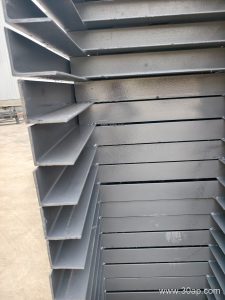
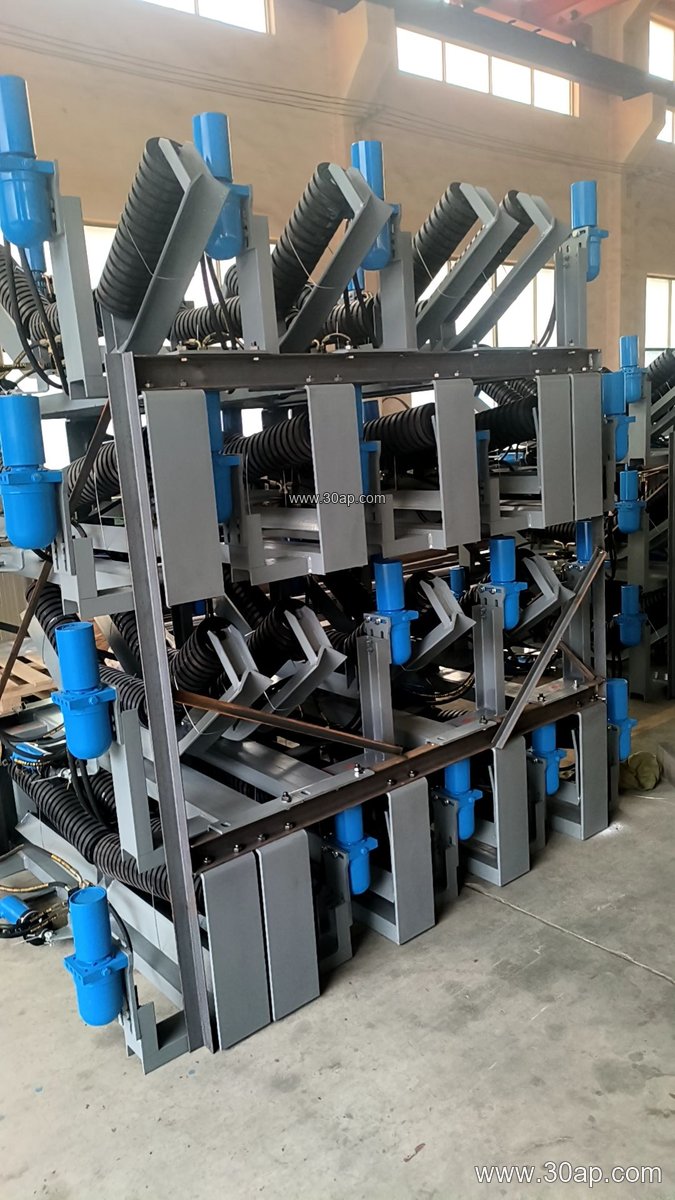
Most frames are fabricated from angle steel, channel steel, or folded steel plate. The cross beam carries the mounting seats, and the ends are fitted with feet, hooks, or bolt plates that fix to the conveyor stringer. Welded construction is common for heavy-duty mining conveyor belts, while bolted or clamped designs simplify replacement on existing structures.
Key features to look at include:
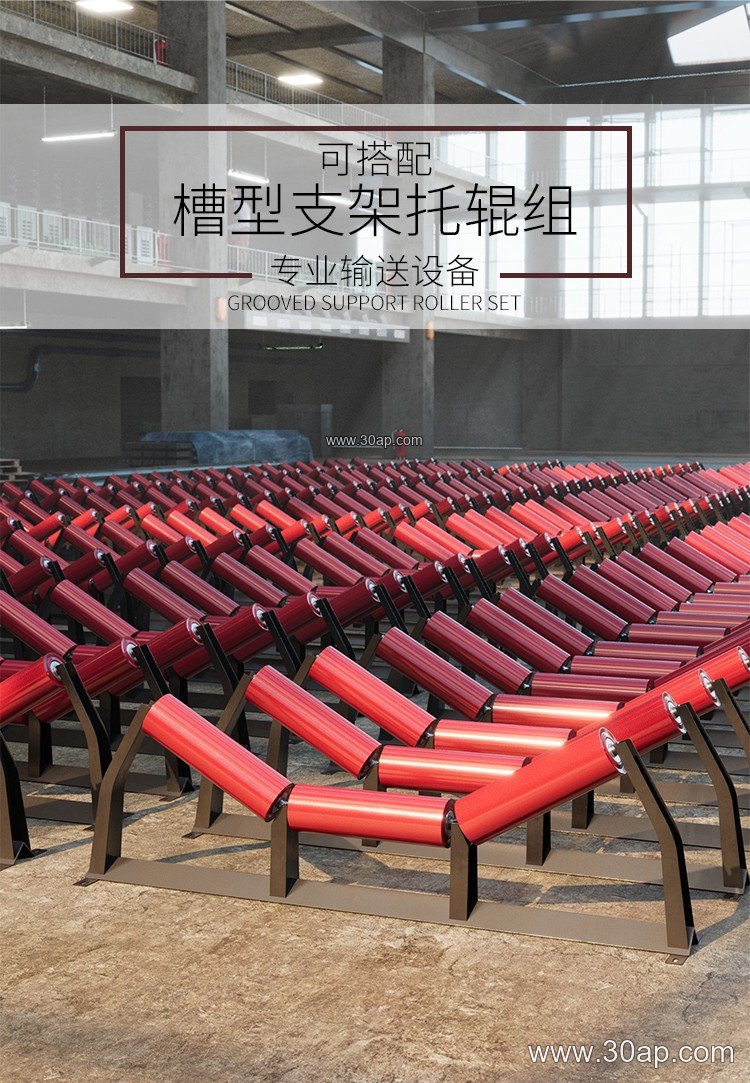
- Roller seat spacing and hole pitch, which must match the chosen idler shaft.
- Trough angle, normally 20, 30, 35, or 45 degrees for the carrying side.
- Forward tilt of about 1.5 to 2 degrees on training frames, used to help center the belt.
- Surface treatment, since dust and moisture in a coal mine or aggregate line attack bare steel.
Adjustable frames let maintenance teams change the trough angle between the common values without cutting or re-welding. Fixed frames are simpler and stiffer, and are often preferred where the belt line runs at one steady profile.
Frame Types and Where They Sit
The support frame family covers several positions along the conveyor. Troughing frames carry the loaded belt, transition frames ease the belt from flat to troughed near the tail pulley, and return frames support the empty strand. V-return and flat return frames are chosen according to belt width and the risk of material carryback. Impact frames with cushion rollers sit below the loading point, and self-aligning frames are placed where the belt tends to drift.
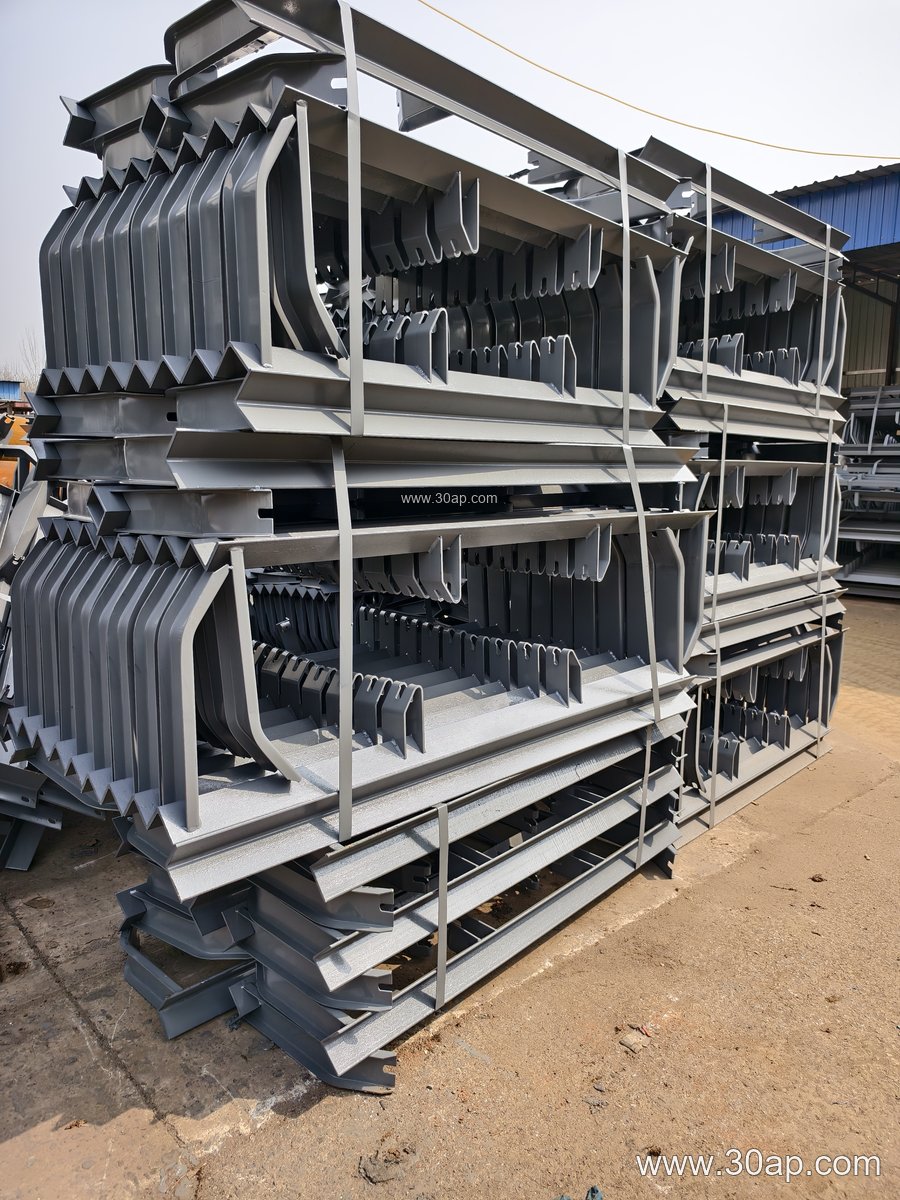
These positions are not interchangeable. A return frame cannot replace a troughing frame, just as a bend pulley cannot replace a drive pulley. Each has its own load direction and belt contact pattern.
Matching Frame, Idler and Belt Width
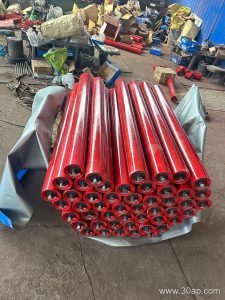
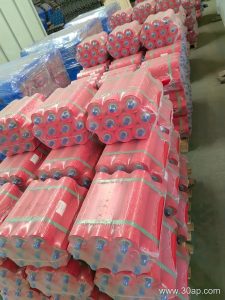
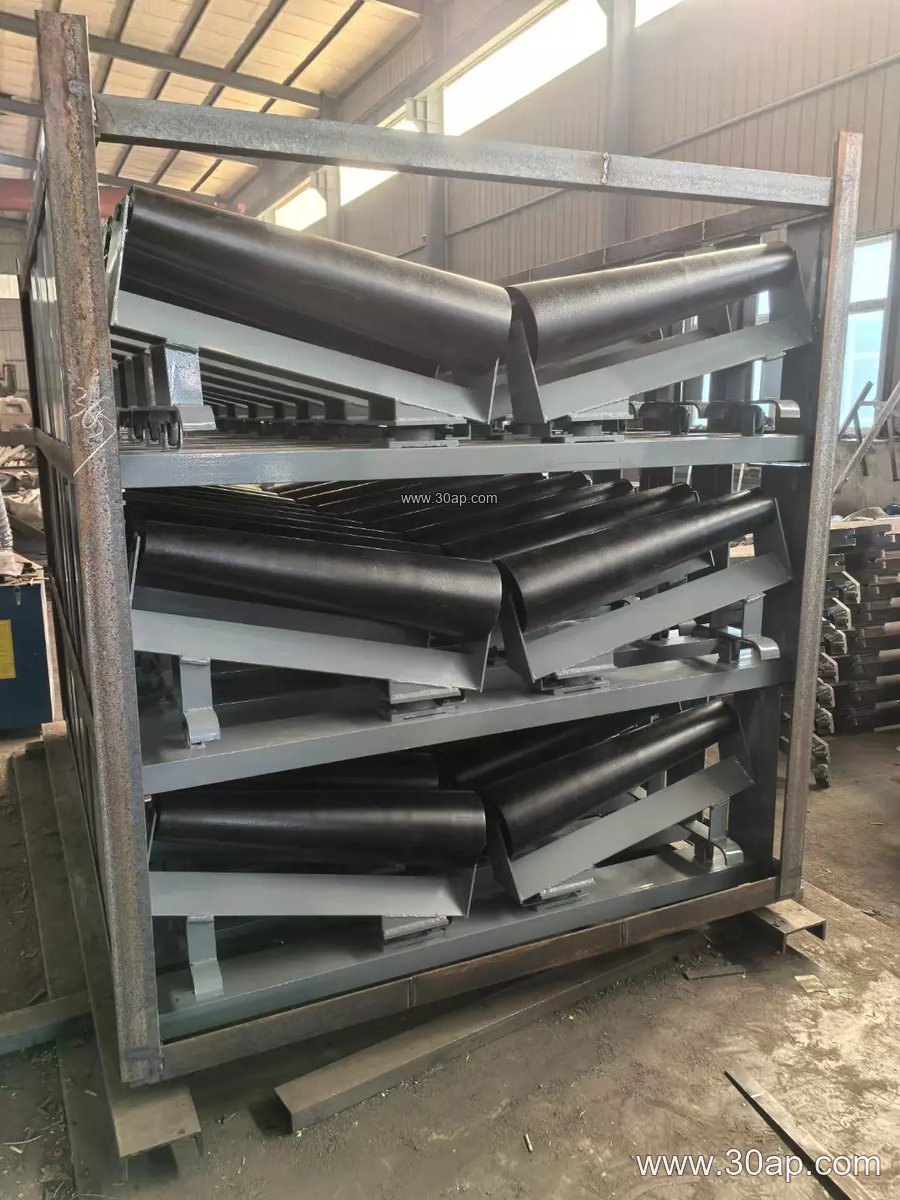
Selection starts with belt width and the idler diameter that suits the load. A B800 belt on a 35 degree frame with Ø108 idlers is a typical combination for medium-duty aggregate conveying, while B1200 with 45 degrees and Ø133 idlers appears in heavier stone crushing lines. These are examples, not fixed rules; a given belt width can work with more than one trough angle and more than one roller diameter. Mounting hole pitch and beam length change with belt width and trough angle, so they should be confirmed from the drawing rather than assumed.
| Parameter | Common Range | Notes |
|---|---|---|
| Belt width | B500 to B2200 | Frame length follows belt width |
| Trough angle | 20, 30, 35, 45 degrees | Adjustable frames cover several values |
| Idler diameter | Ø89, Ø108, Ø133, Ø159, Ø194 | Chosen by load and belt speed |
| Forward tilt | About 1.5 to 2 degrees | Training frames only |
| Material | Angle, channel, folded plate | Depends on duty and environment |
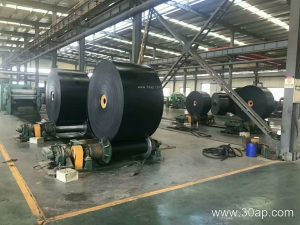
The belt itself also matters. An abrasion resistant conveyor belt running over correctly aligned frames lasts longer than the same belt on a twisted structure. In a cement plant or a limestone quarry, a fabric core conveyor belt and a steel cord conveyor belt may need different idler spacing, so the frame layout should follow the belt specification.
Installation and Maintenance Points
Set frames square to the conveyor centerline and at a consistent height; a straight edge along the stringer helps. Check that the mounting holes accept the idler shaft without forcing, and tighten fasteners after the first few hours of running. Inspect for bent beams, worn seats, and loose bolts, especially at transfer points where impact loads are high. Replacing a damaged frame early protects the rollers, the belt, and the pulley lagging downstream.
For buyers, the practical checklist is simple: confirm belt width, trough angle, idler diameter, mounting dimensions, material, and surface finish. Ask for a drawing that shows hole pitch and overall length, and state whether the frame is fixed or adjustable. That information keeps the order accurate and keeps the conveyor running straight.