What Is a Custom Idler?
A custom idler is a conveyor idler roller built to match specific operating conditions rather than a standard catalog item. In bulk handling, the idler is the rotating component that supports the conveyor belt and the material load along the carrying and return sides. While standard idlers cover many common needs, a custom idler addresses non-standard belt widths, unusual loading patterns, corrosive or abrasive environments, and space constraints that off-the-shelf rollers cannot satisfy. Whether you are upgrading a quarry conveyor or specifying a new cement plant line, understanding how a custom idler is engineered helps you get a roller that fits the job.
Construction and Design Flexibility
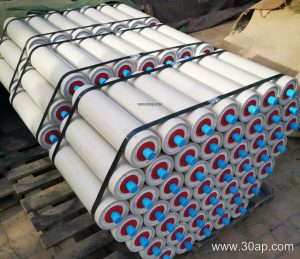
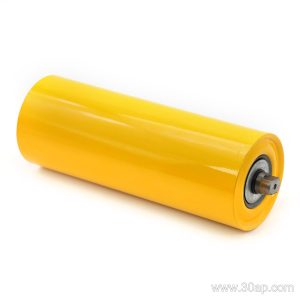
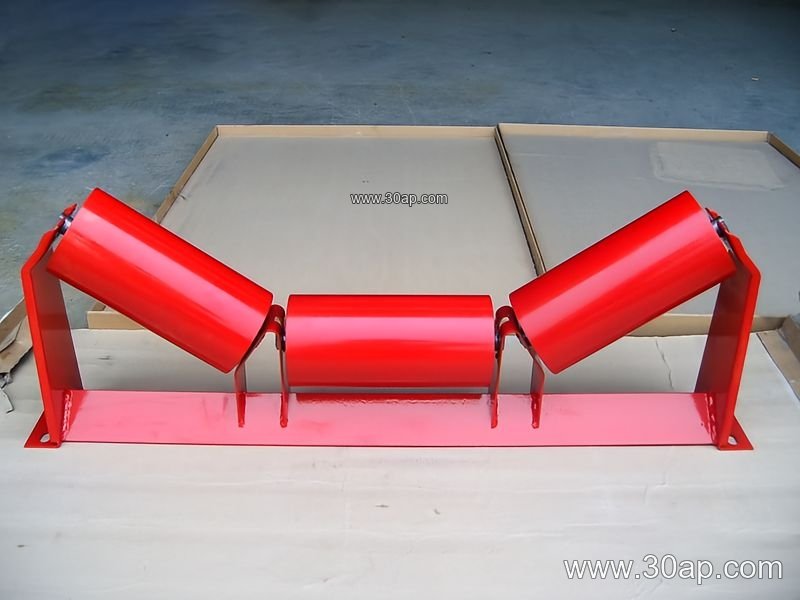
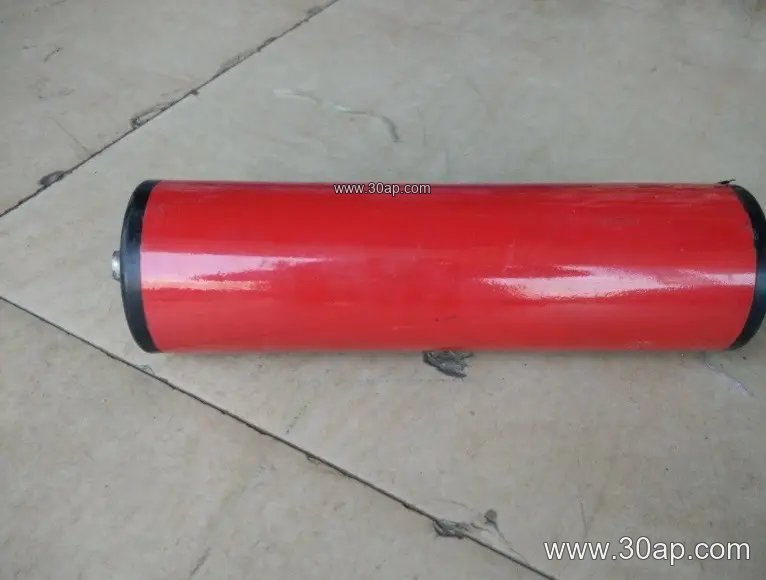
A typical idler consists of a steel tube shell, bearing housings, shaft, and sealing arrangement. For a custom idler, each of these elements can be adjusted. The roller diameter may be chosen from common sizes such as Ø63, Ø89, Ø108, Ø127, Ø133, Ø159, or Ø219 mm to suit belt speed and load. Shaft ends can be machined to match existing conveyor brackets, and the roller length is set by belt width, trough angle, and the idler arrangement. Bearing selection, often from 6204 through 6310 series, depends on radial load and service life targets rather than a fixed pairing with any one diameter. Surface options include plain steel, nylon, ceramic, or rubber rings for impact absorption. Sealing can be enhanced with labyrinth or contact seals for dusty or wet conditions. A custom idler may also incorporate a specific trough angle, such as 20, 30, 35, or 45 degrees, or a forward tilt of about 1.5 to 2 degrees for belt training.
Where Custom Idlers Are Used
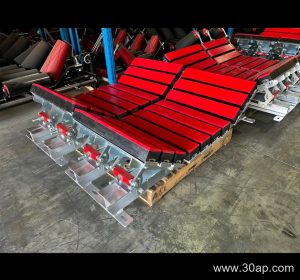
Custom idlers appear wherever standard rollers fall short. In a limestone quarry, a custom impact idler with rubber rings can cushion heavy lumps at the transfer point. In a coal washing plant, corrosion-resistant coatings and improved seals extend roller life in wet, abrasive service. Cement plants often require idlers with heat-tolerant bearings near kiln discharge. Power plant coal handling may call for flame retardant conveyor belt combined with idlers that resist coal dust ingress. Port terminals handling iron ore or copper ore concentrate benefit from custom troughing idlers sized for wide belts such as 1800 mm or 2000 mm. Even in sand and gravel operations, a custom flat return idler can be designed to clear a specific structure. The common thread is that the idler is matched to the conveyor, not the other way around.
Key Parameters for Buyers
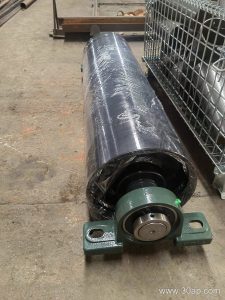
When specifying a custom idler, several parameters must be defined. Belt width is fundamental: common widths include B500, B650, B800, B1000, B1200, B1400, B1600, B1800, and B2000. The idler roller length varies with belt width, trough angle, and whether it is a single-roll, two-roll, or three-roll troughing set. For example, a three-roll troughing idler on a B800 belt might use a center roll around 315 mm, but side rolls differ and the final length is confirmed by design. Roller diameter should be selected based on belt speed and load, not simply copied from a neighboring conveyor. Bearing size follows load calculations. Surface form—steel, rubber, ceramic—depends on whether impact, abrasion, or material buildup is the main concern. Trough angle affects material cross-section and spillage; 35 degrees is common, but 45 degrees may suit certain high-capacity lines. For training, a forward-tilted idler can help, but it is not a universal fix. Buyers should also confirm shaft diameter, bracket spacing, and sealing class. Custom idlers are often used alongside conveyor pulleys such as drive, tail, and bend pulleys, but these are separate components and not interchangeable with idlers.
Selection and Maintenance Notes
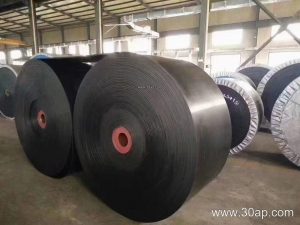
Selecting a custom idler starts with a clear description of the conveyor duty: material type, lump size, belt speed, loading method, and environmental factors. A roller that works in a dry aggregate line may fail quickly in a wash plant. Maintenance access also matters; idlers that are easy to replace reduce downtime. During operation, listen for abnormal noise and check for roller seizure or belt misalignment. Sealed-for-life bearings reduce lubrication needs, but no idler is maintenance-free in every environment. Keep spare custom idlers on hand for critical conveyors, and record the exact specification so replacements match. For conveyors using EP conveyor belt or steel cord conveyor belt, idler spacing and roll diameter should be checked against belt sag and load support requirements. In underground coal mining, flame retardant and anti-static properties of the belt are critical, while the idler must resist dust and moisture. A well-specified custom idler contributes to belt life and energy efficiency, but it is one part of a system that includes the conveyor belt, pulleys, and brackets.