What the ST3150 Conveyor Belt Is
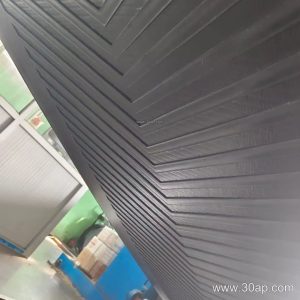
The ST3150 Conveyor Belt is a steel cord conveyor belt with a nominal tensile strength of 3150 N/mm per unit width. It sits at the upper end of the steel cord range, above ST2500 and well above fabric-reinforced constructions such as an EP conveyor belt or an NN conveyor belt. Where a multi-ply fabric core belt distributes load across woven plies, this belt carries tension through a single layer of high-strength steel cords embedded in rubber. That construction is what makes very long, high-capacity conveyor lines practical in mines, ports and heavy process plants.
How the Belt Is Built
The carcass consists of parallel steel cords, usually brass-plated to bond with the surrounding rubber, arranged at a defined pitch across the width. Core rubber fills the spaces between cords, and top and bottom cover compounds are applied according to the duty. Because the cords are the load-bearing element, splice quality matters more than on fabric belts; a steel cord splice is typically a multi-step finger or stepped overlap cured in a press.
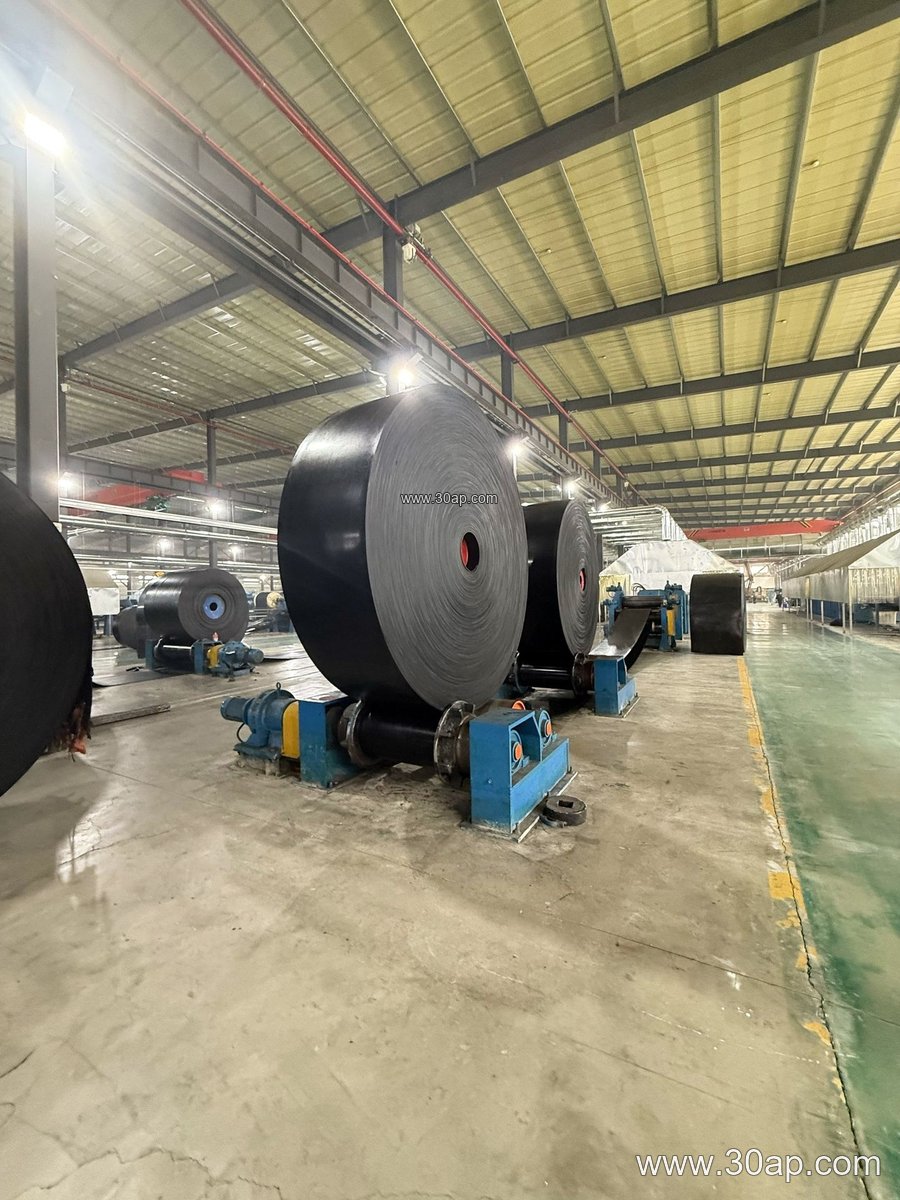
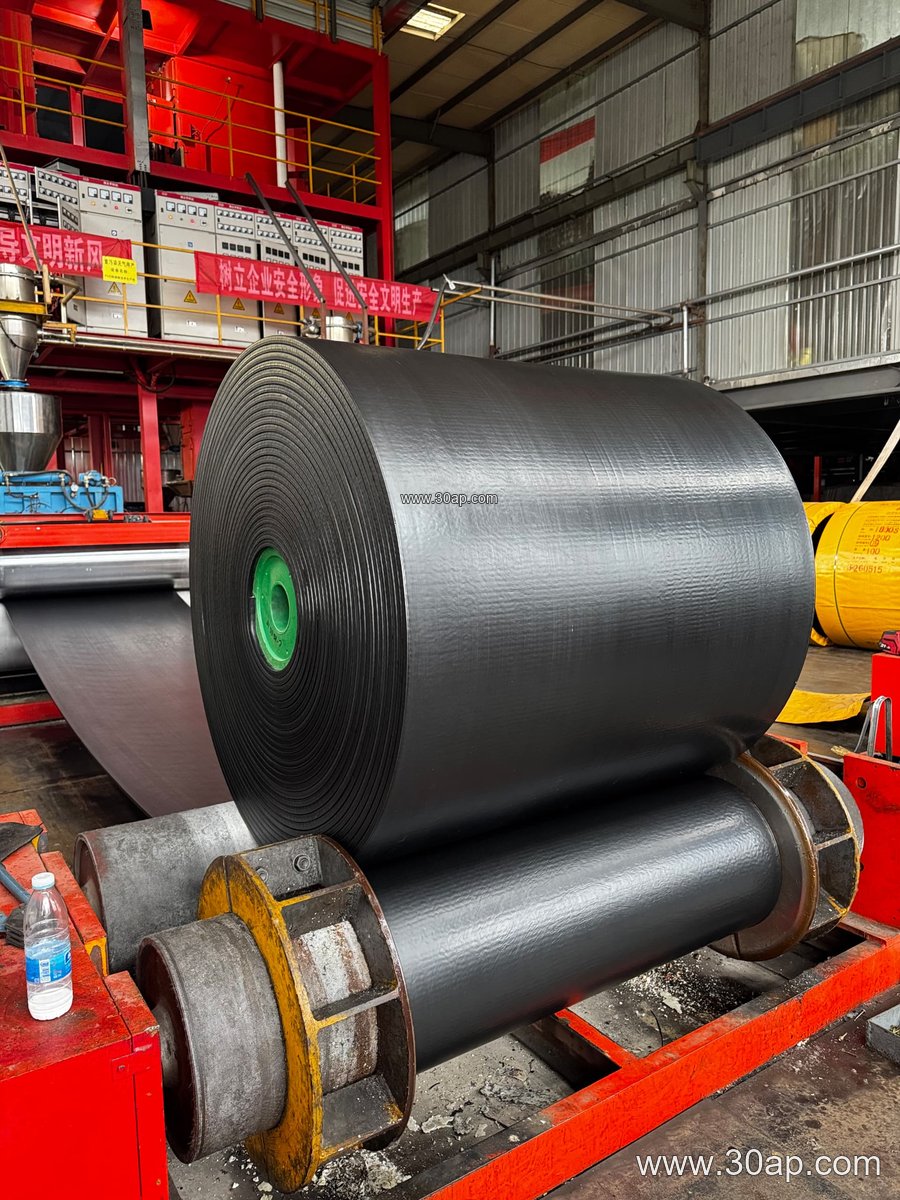
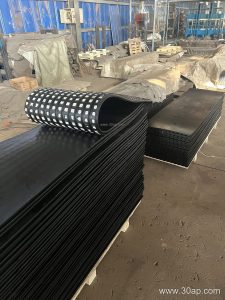
Cover thickness is selected by the operator rather than fixed by the strength grade. Common cover combinations in heavy duty service include 6+2 mm, 8+3 mm and heavier builds, while lighter combinations such as 4+2 mm or 5+2 mm appear on less aggressive duties. The ST3150 Conveyor Belt is generally specified with substantial covers because it is rarely used on clean, light material.
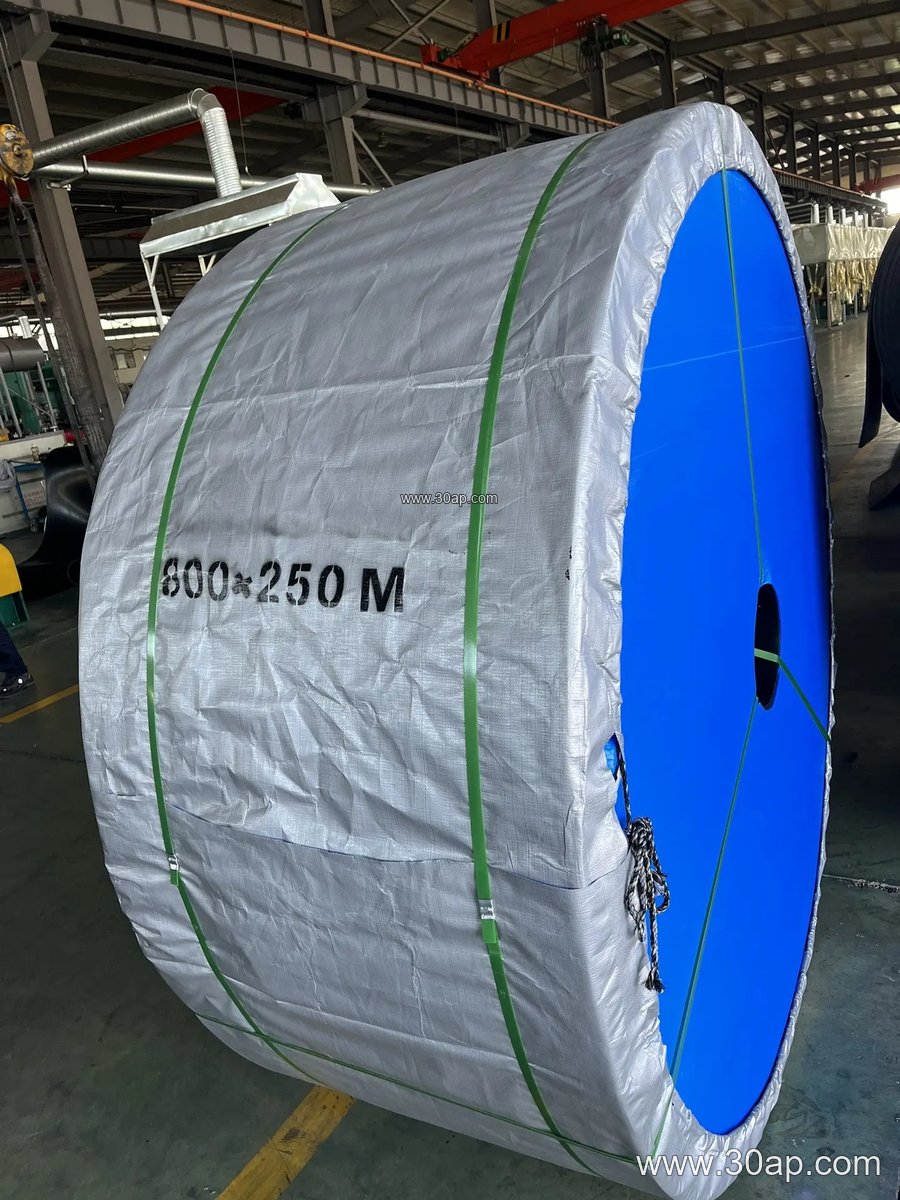
| Attribute | Typical Reference |
|---|---|
| Strength grade | ST3150 (3150 N/mm nominal) |
| Carcass | Steel cord, single plane |
| Belt widths | B800, B1000, B1200, B1400, B1600, B1800, B2000 |
| Cover combinations | 5+2, 6+2, 8+3 mm and heavier by design |
| Cover qualities | Abrasion resistant, heat resistant, flame retardant, oil resistant, cold resistant, anti-static |
Where It Fits in a Conveyor Line
This grade is chosen when the conveyor is long, the lift is significant, or the tonnage is high enough that lower-strength belts would require too many plies or too many transfer points. You will see it in iron ore and copper ore handling, in large quarry and aggregate operations, in cement plants moving clinker and raw meal, in power plant coal yards, and in port ship loading systems. It also appears in underground coal mining where a flame retardant cover grade is required alongside the high tensile carcass.
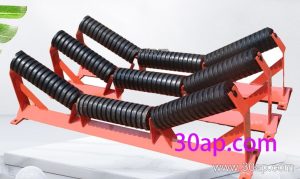
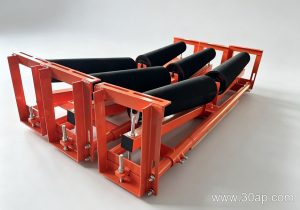
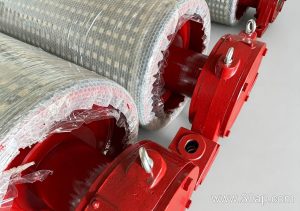
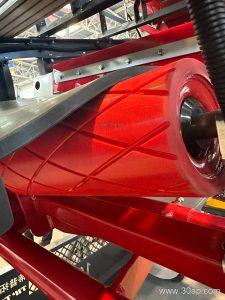
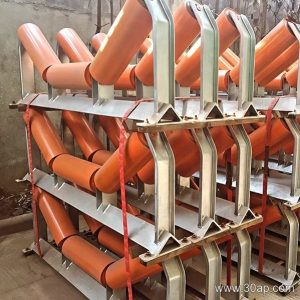
On the mechanical side, the belt runs over a conveyor pulley at the drive and tail positions, supported by an idler roller set along the carry and return strands, with a conveyor bracket holding the idlers in alignment. Because ST3150 transmits large forces, the drive pulley diameter, shaft size and take-up travel are all determined by the belt designer, not by belt width alone. A wider belt does not automatically mean a larger pulley, and a given width can be paired with different pulley diameters depending on tension and cord pitch.
Selecting the Right Specification
- Confirm the real tension demand. Calculate the working tension from capacity, lift, length and friction, then apply a suitable safety factor. ST3150 is a heavy grade; using it where ST1600 or ST2000 would do adds cost and stiffness.
- Match the cover to the material. Hot clinker calls for a heat resistant cover, oil-bearing feedstock for an oil resistant compound, and coal or underground service for flame retardant and anti-static properties.
- Check impact and abrasion. Sharp rock at the loading point is best handled with impact resistant or high abrasion resistant covers and correctly spaced impact idlers, rather than by increasing strength grade.
- Plan the splice. Steel cord splices need press time, space and trained crews. Include splice length and curing in the installation schedule.
- Review the whole system. Pulley lagging, idler roll quality, belt cleaner pressure and take-up capacity all influence belt life as much as the carcass does.
Handling and Maintenance Notes
Steel cord belts are stiff and heavy. Storage should be on a suitable cradle, and coiling diameter should follow the manufacturer’s guidance to avoid cord damage. During operation, watch for edge damage, cover wear over the cord plane, and any sign of cord exposure, since moisture reaching the cords can cause corrosion and reduce splice life. Alignment at the tail pulley and loading point prevents the edge loading that shortens service life on high-tension belts.
For an operator comparing options, the choice is usually between a steel cord grade like this one and a high-strength fabric belt. A multi-ply fabric core belt remains a sound choice for shorter lines and moderate tensions, while the ST3150 Conveyor Belt is the more suitable route when length, tonnage and reliability at high tension are the deciding factors. Final dimensions, cover grades and splice details should always be confirmed against the belt manufacturer’s data for the specific conveyor design.