What an Underground Mining Conveyor Belt Is
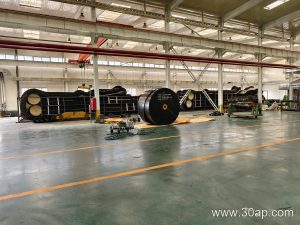
An underground mining conveyor belt is the load-carrying element of a belt conveyor system installed in tunnels, declines, and shaft-adjacent galleries where space is tight, ventilation is limited, and restarting under load is routine. It differs from a surface installation belt mainly in how it is specified: flame resistance, anti-static behavior, and controlled smoke generation usually rank as high as tensile strength. The same product family is often called an underground conveyor belt, and in coal seams specifically an underground coal mining conveyor belt, but the construction logic remains consistent.
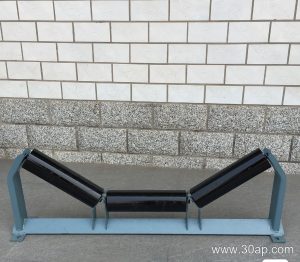
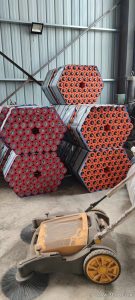
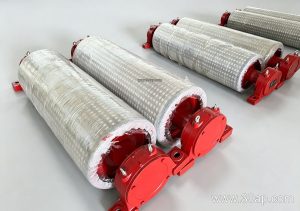
In practice, the belt works with a drive pulley, a tail pulley, and bend pulleys, plus idler rollers and conveyor brackets that hold the line in alignment. These parts are not interchangeable, and a belt is selected to suit the whole conveyor layout, not a single component.
Construction and Common Belt Types
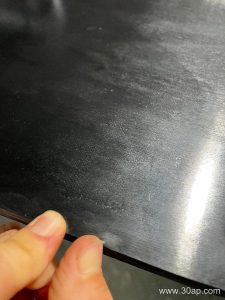
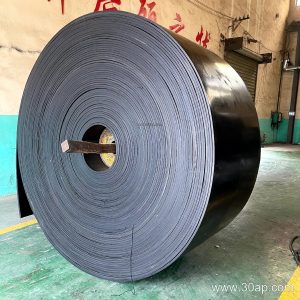
Carcass and cover compound define performance. Fabric-cored belts use EP or NN plies; steel cord belts use brass-coated wires for long runs and high tension. The cover grade addresses the dominant wear mechanism in the mine.
- EP conveyor belt or NN conveyor belt carcass for general haulage and moderate gradients
- Steel cord conveyor belt for long, high-tension trunk lines
- PVG or PVC conveyor belt for flame-retardant coal faces and gate roads
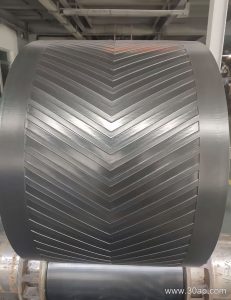
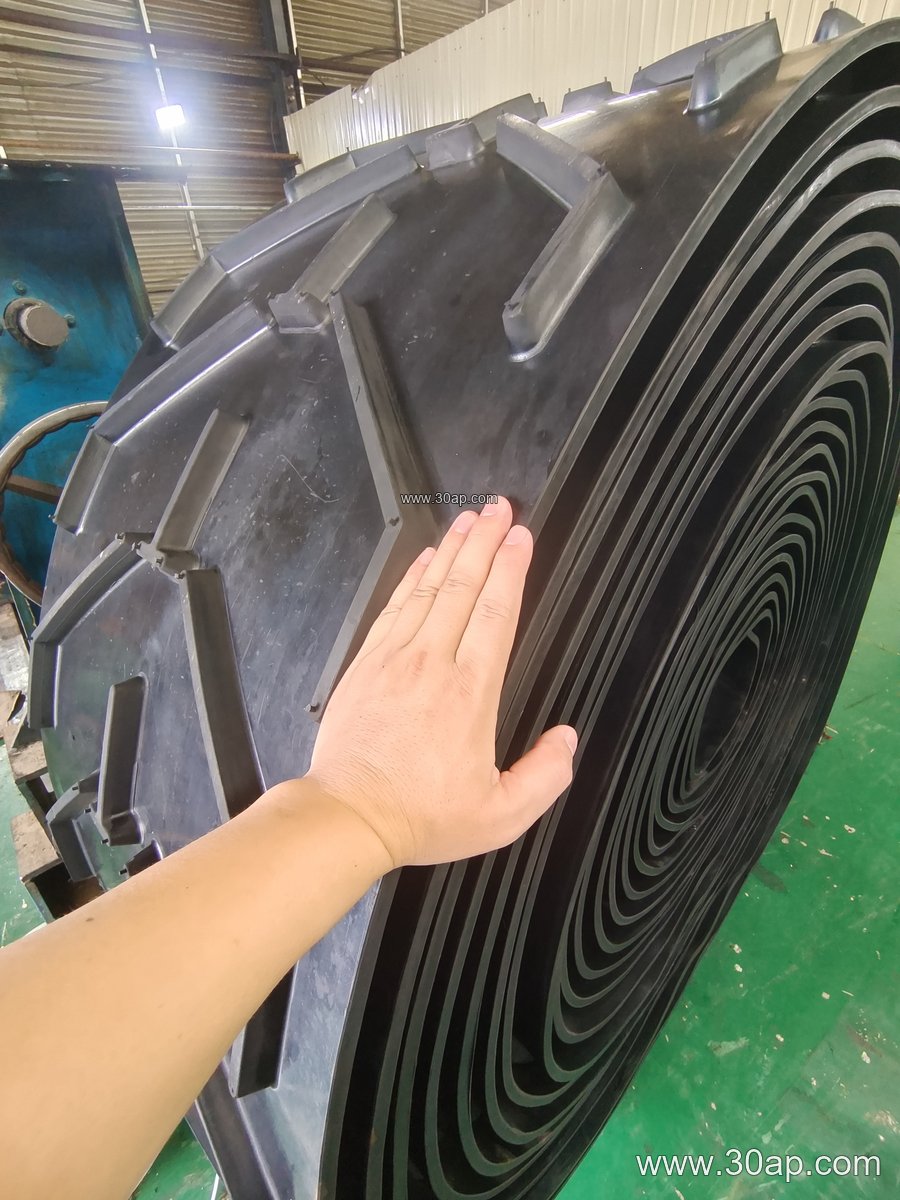
- Chevron conveyor belt for inclined drifts where material slip is a risk
- Corrugated sidewall or skirted conveyor belt where steep angles and spill control matter
- Heat resistant, oil resistant, cold resistant, and abrasion resistant covers for specific duty
Cover thickness is usually quoted as top plus bottom, for example 4+2 mm or 6+2 mm, with 2 to 6 fabric plies common. A flame retardant conveyor belt and an anti-static conveyor belt are frequently combined in one specification for underground use. Values such as EP200, EP630, EP1000, or ST1250 are reference grades, not universal guarantees; confirm each against the conveyor design.
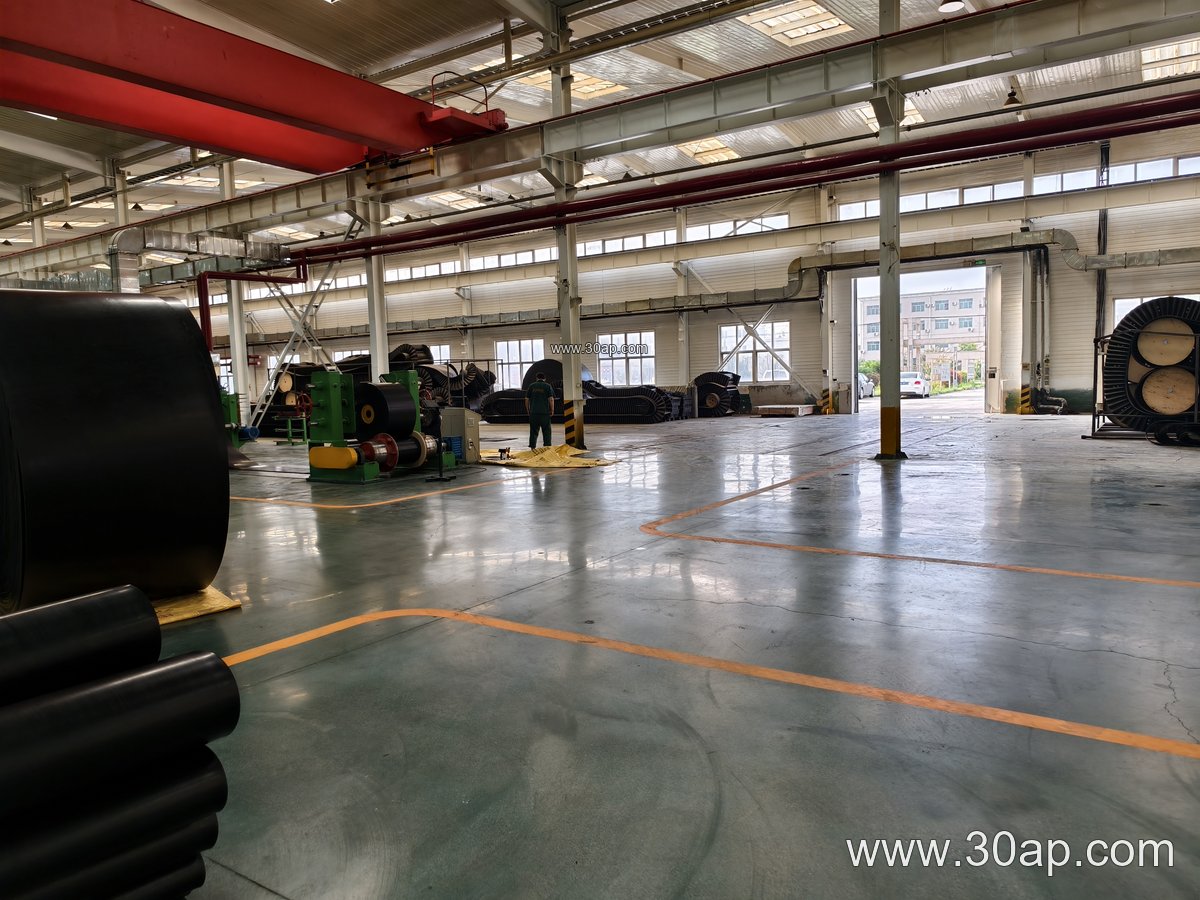
Where It Runs
Underground haulage appears in coal mines, metal mines, gypsum and potash workings, and tunnel projects. The same belt may feed a crusher conveyor belt section, transfer ore to a shaft skip, or move rock from a development heading. In a quarry conveyor belt or aggregate conveyor belt setup the duty is different, but buyers often compare specifications across mining conveyor belt categories.
Surface-side users in cement plants, power plants, steel plants, and ports usually apply wider and heavier belts, sometimes a 1200mm wide conveyor belt or 1800mm wide conveyor belt, with high abrasion resistant covers. Underground, widths are more often constrained by roadway clearance, so 800mm, 1000mm, and 1200mm belts are typical, with 650mm used on lighter auxiliary lines. Width and pulley diameter are matched through the conveyor design, not by a fixed rule.
Specification Reference
The table below lists commonly discussed parameters. Treat them as a starting point for enquiry.
| Parameter | Typical options |
|---|---|
| Belt width | B500, B650, B800, B1000, B1200, B1400, B1600 |
| Fabric carcass grade | EP200, EP315, EP400, EP500, EP630, EP800, EP1000, EP1250 |
| Steel cord grade | ST1000, ST1250, ST1600, ST2000 |
| PVG grade | PVG800, PVG800S |
| Cover thickness | 3+1.5, 4+2, 5+2, 6+2, 8+3 mm |
| Ply count | 2 to 6 fabric plies |
Buyer Checklist
Start with the duty: tonnage, lump size, incline, and whether the belt must restart loaded. Then confirm flame resistance and anti-static requirements with the mine safety plan. Check the pulley diameters, troughing angle, and idler roller spacing so the belt flexes within its fatigue limit. Ask how joints will be made, since a vulcanized endless conveyor belt joint behaves differently from a mechanical splice in a wet roadway.
For the conveying line, specify conveyor pulley type clearly, because drive, tail, and bend pulleys carry different loads. Ensure conveyor brackets and frames are compatible with the selected belt width and transition distances.
Finally, request the cover grade, carcass grade, thickness, and test reports together. A belt that looks similar on paper can differ greatly in cut and gouge resistance. Buying from a supplier who can match belt, pulley, and idler roller as a system usually reduces startup problems. Browse more conveyor belt and component options at belt.top for underground mining projects.