What a Ship Loading Conveyor Belt Does
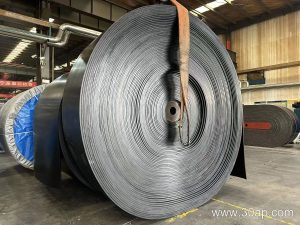
A ship loading conveyor belt is the heavy-duty belt that carries bulk material from a stockyard, silo, or truck receiving point to the loading boom and down into the hold of a vessel. It is the working surface of a ship loader, so its construction has to handle continuous flow, abrasive cargo, and the mechanical demands of a long inclined conveyor line. The same belt is often simply called a ship loader conveyor belt, and that shorter name refers to the same product.
In ports and bulk terminals, the belt moves coal, iron ore, cement clinker, fertilizer, grain, and sand. In mines, coal mines, cement plants, power stations, and sand and gravel yards, similar belts feed stockpiles and rail or truck loadout systems before the material ever reaches a ship.
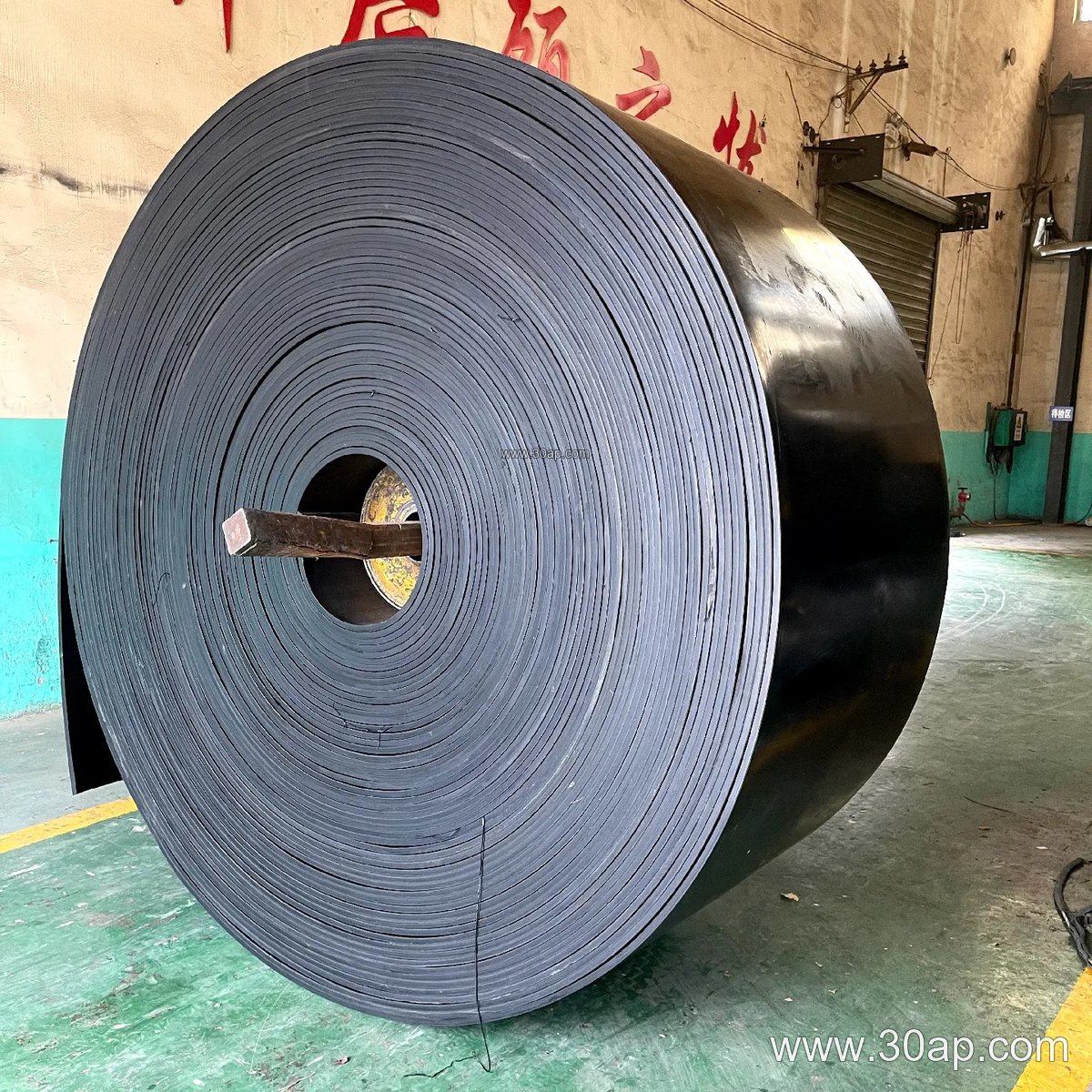
Construction and Key Components
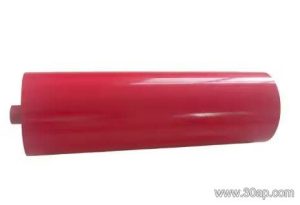
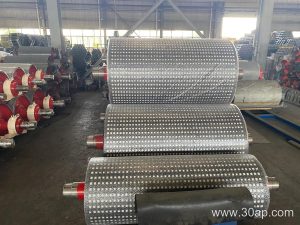
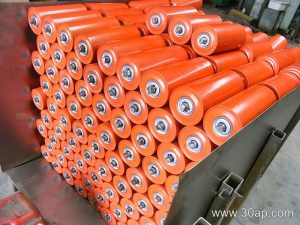
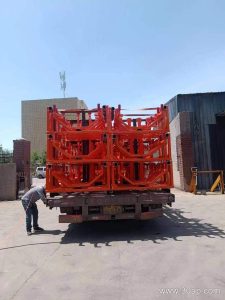
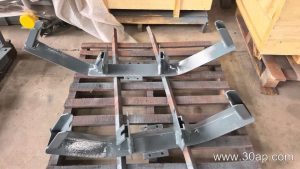
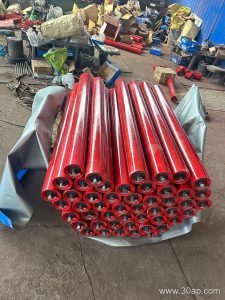
The belt is only one part of the loading system, but it is the part that touches the cargo. Its carcass provides tensile strength, while the rubber covers protect the carcass from impact, abrasion, and moisture. Below and around the belt, the conveyor pulley set, idler rollers, and conveyor brackets keep the line aligned and running.
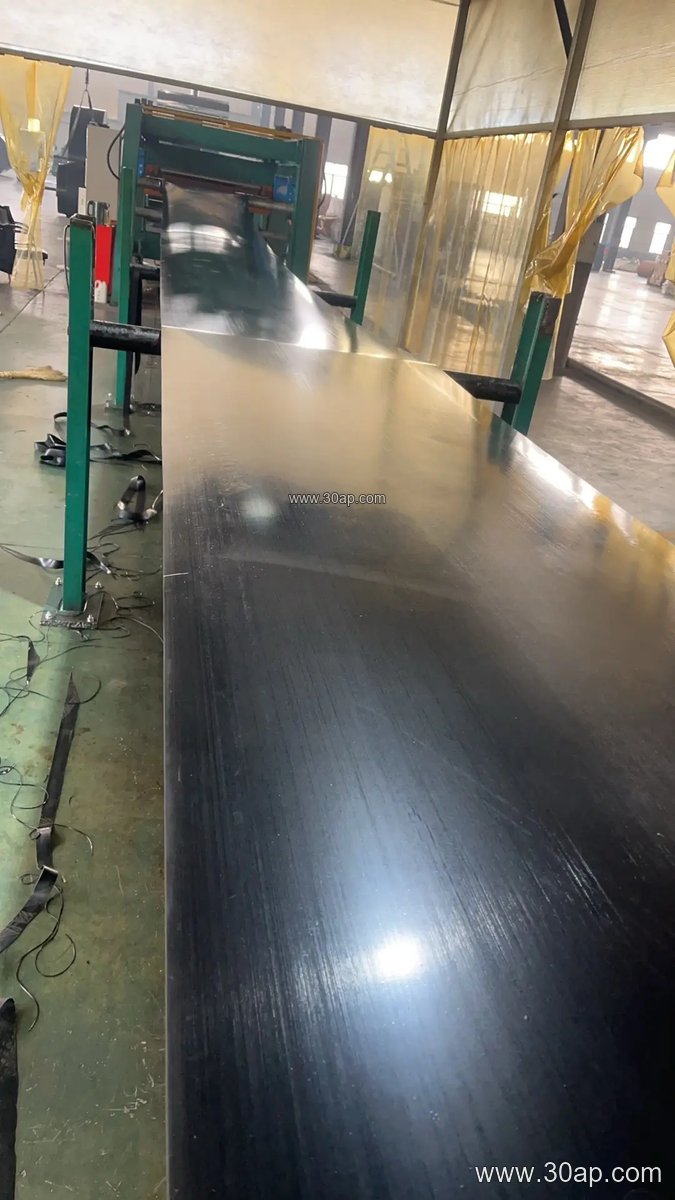
Belt Carcass and Cover Grades
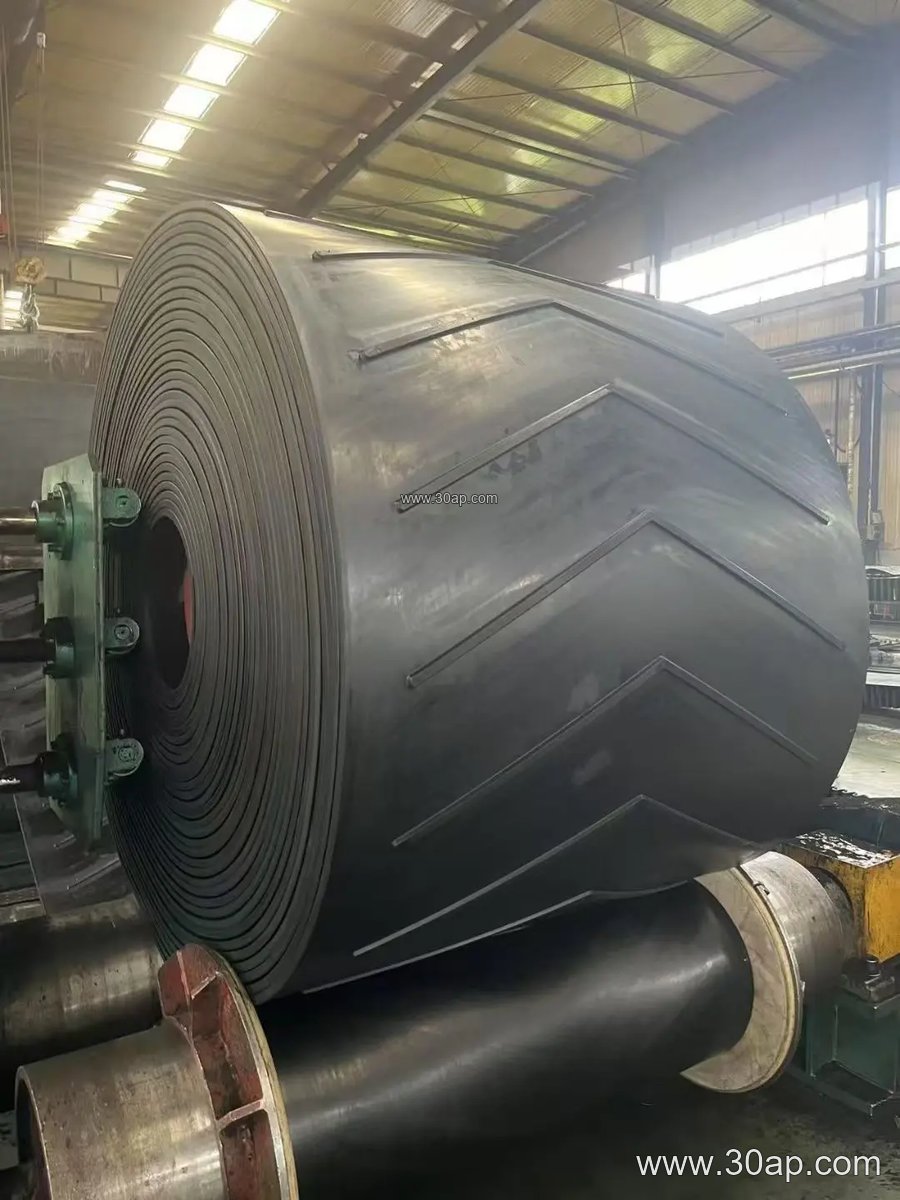
Common carcass options include EP fabric, NN nylon, and steel cord constructions. Cover compounds are chosen for the cargo: abrasion-resistant grades for ore and clinker, oil-resistant grades for some fertilizers and recycled materials, heat-resistant grades for hot clinker, and flame-retardant or antistatic grades where dust and confined spaces require them. Chevron or cleated surfaces may be used on steep loading booms, while smooth belts suit gentler inclines.
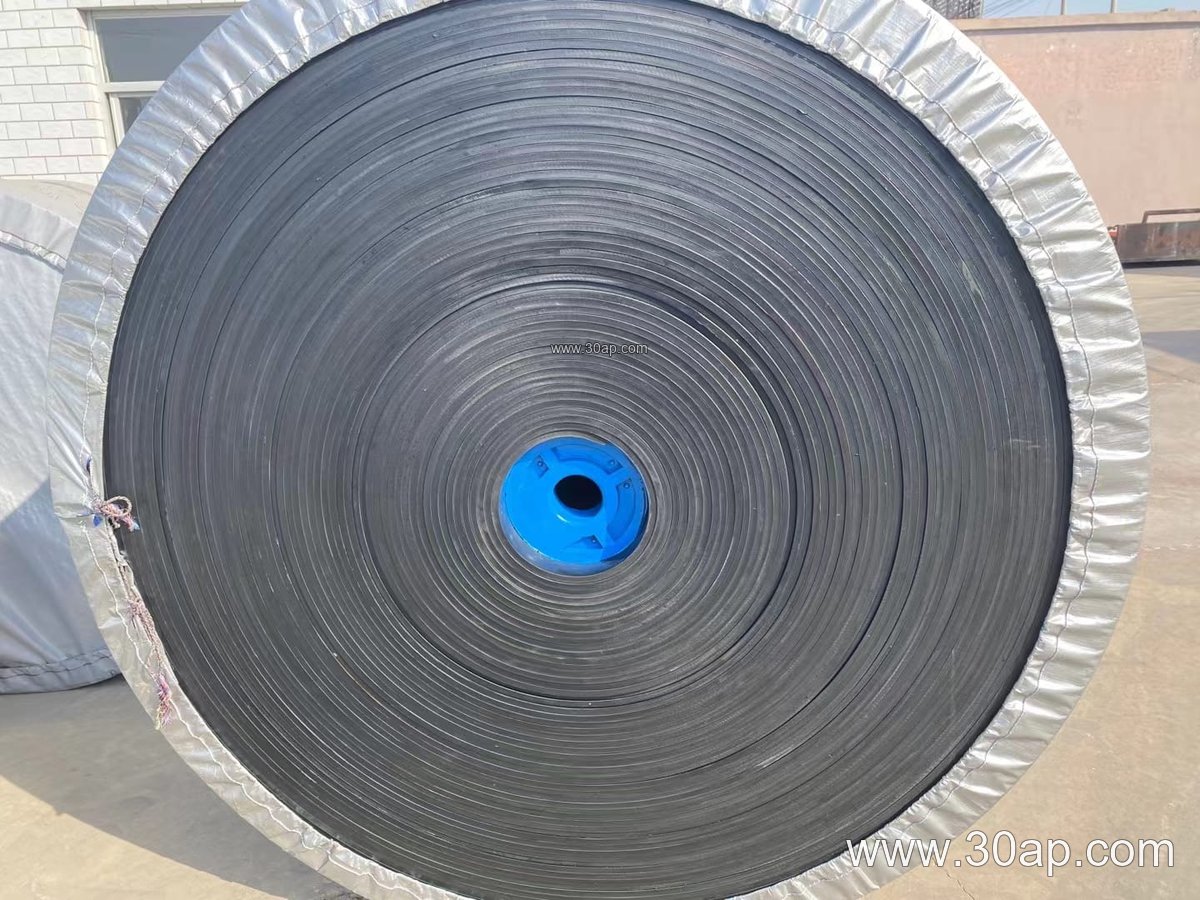
Pulleys, Idlers, and Support Structure
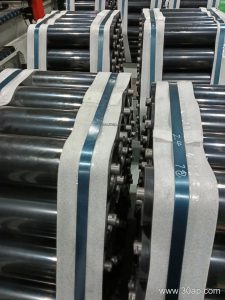
A ship loader usually has a drive pulley at the head, a tail pulley at the feed end, and bend pulleys that route the belt through the boom and counterweight arrangement. These are separate components with separate roles: the drive pulley transmits torque, the tail pulley returns the belt, and bend pulleys change direction. They are not interchangeable. Idler rollers support the carrying and return strands, and conveyor brackets hold the idlers and pulleys in position.
Typical Specifications
The figures below are common reference ranges, not fixed rules. Actual values depend on the loader design, cargo, capacity, and the belt manufacturer.
| Parameter | Common reference values |
|---|---|
| Belt type | EP, NN nylon, steel cord, PVC, PVG, abrasion-resistant, heat-resistant, oil-resistant, flame-retardant, antistatic, chevron or cleated |
| Strength grade | EP200, EP315, EP400, EP500, EP630, EP800, EP1000, EP1250, EP1600, EP2000 |
| Belt width | B500, B650, B800, B1000, B1200, B1400, B1600, B1800, B2000 |
| Cover thickness | 3+1.5 mm, 4+2 mm, 5+2 mm, 6+2 mm, 8+3 mm |
| Carcass layers | Usually 2 to 6 fabric layers for fabric belts |
Belt width and pulley diameter are matched by the conveyor designer, not by a single fixed rule. A wider belt does not automatically dictate one pulley size, and shaft diameter must be calculated from the actual load and torque.
Where It Is Used
- Coal and ore terminals loading bulk carriers
- Cement and clinker export facilities
- Fertilizer and grain port installations
- Sand and gravel yards feeding barges
- Power plant coal handling systems with ship or barge loading
Loading arms, telescopic chutes, and boom conveyors often work with the belt to place material gently in the hold and reduce dust and breakage.
Buyer Checklist
Before specifying a ship loading conveyor belt, confirm the cargo type, lump size, capacity in tonnes per hour, belt speed, incline angle, and loading boom geometry. Ask for the cover grade and carcass that suit the duty, and check how the belt will be spliced on site. Review the drive, tail, and bend pulley arrangement together with the idler roller spacing and conveyor bracket layout, because belt tracking and splice life depend on the whole system. Also confirm spare belt length, storage conditions, and the maintenance plan for splice inspection.