What the NN400 Conveyor Belt Is
The NN400 Conveyor Belt is a multi-ply fabric core belt built on nylon (NN) warp and weft cords. The 400 denotes the nominal tensile strength class of the carcass, commonly expressed as 400 N/mm per ply in reference data. Like other NN Conveyor Belt grades, it sits in the middle of the nylon range, above NN300 and below higher classes, which makes it a practical choice for main haulage and plant transfer lines where moderate to heavy tension is expected but steel cord reinforcement is not required.
Nylon fabric offers high elongation under load, good fatigue resistance and strong resistance to repeated flexing. That behavior suits conveyors with relatively long centre distances, frequent starts and stops, and layouts with several pulleys. Buyers comparing this belt with a steel cord design should note that an NN carcass stretches more and needs adequate take-up travel, while a Fabric Core Conveyor Belt in the nylon family is generally easier to splice and handle on site.
Construction and Typical Build
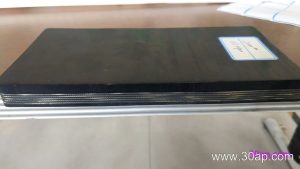
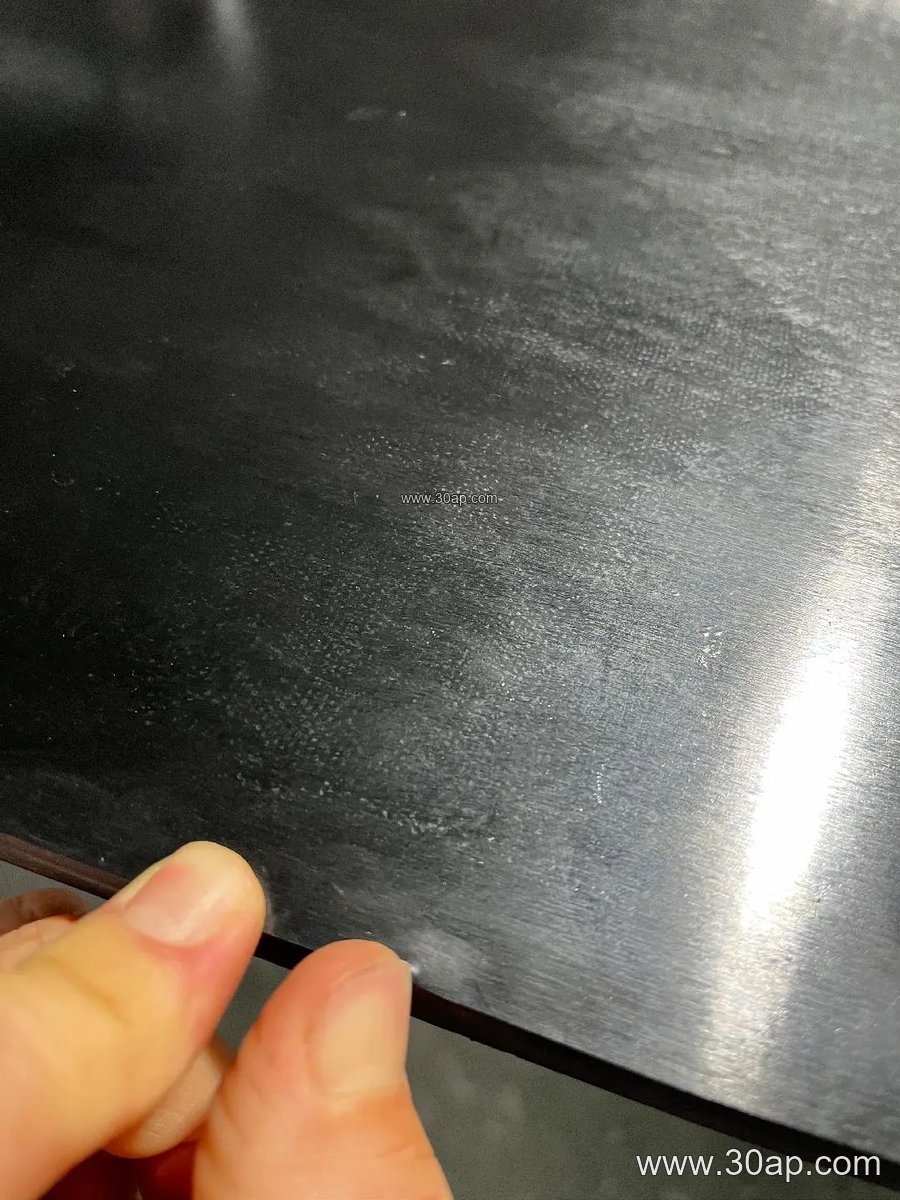
A standard NN400 belt combines a nylon carcass, rubber skim between plies, and top and bottom cover compounds. Cover thickness is specified by the application rather than by the strength class. Common cover combinations include 4+2 mm, 5+2 mm and 6+2 mm, with heavier builds such as 8+3 mm used in abrasive duty. The number of plies is usually selected by the belt designer; 2 to 6 plies are common in this class depending on the required safety factor and pulley diameter.
- Carcass: multi-ply nylon fabric, NN400 strength class
- Cover compounds: abrasion resistant, flame retardant, heat resistant, oil resistant, cold resistant or anti-static, as required
- Edges: cut edge or moulded edge, depending on the manufacturer
- Splicing: vulcanized or mechanical, with step length set by the belt maker
For dusty or hazardous locations such as coal handling, a Flame Retardant Conveyor Belt specification is often requested in addition to the nylon carcass. In cement and quarry service, an Abrasion Resistant Conveyor Belt cover is the more relevant choice. These are cover options on the same NN400 carcass, not different product families.
Where It Fits in the Plant
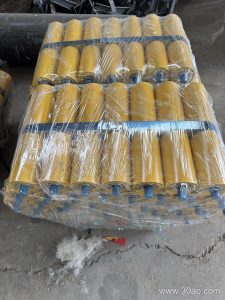
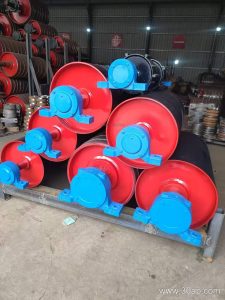
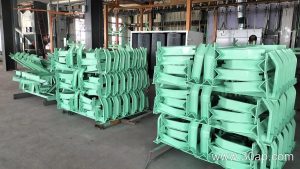
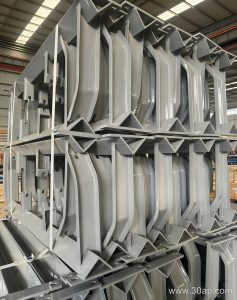
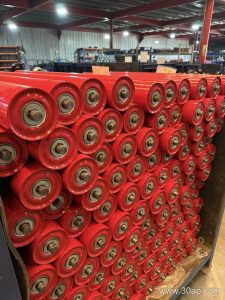
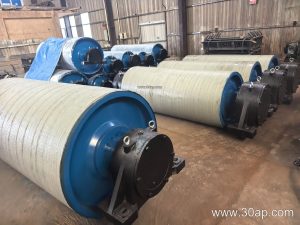
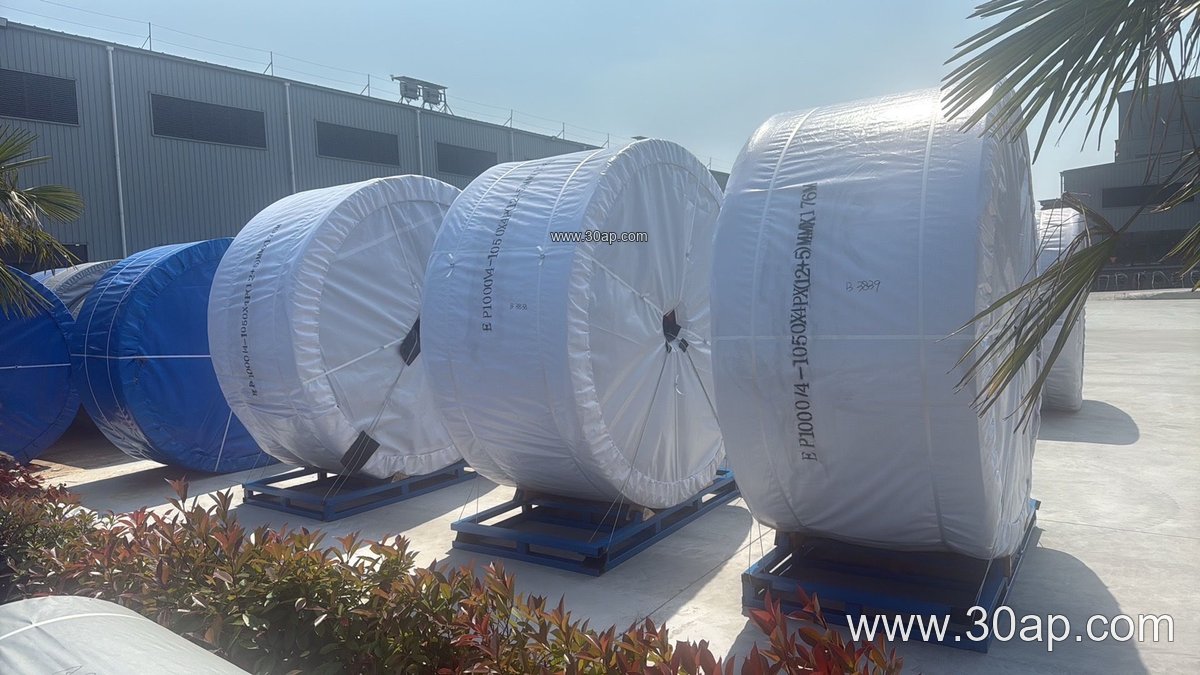
NN400 belts appear in mines, coal preparation plants, cement works, power stations, sand and aggregate yards, crushing circuits, ports and recycling lines. Typical duties include raw material intake, crusher discharge, screening feed, stockpile conveyors and ship loading. The belt runs over conveyor pulley assemblies at the drive, tail and bend positions, supported by idler roller sets mounted on conveyor bracket frames. Drive, tail and bend pulleys perform different functions and are not interchangeable, so the belt’s flexibility and pulley diameters should be checked together during layout design.
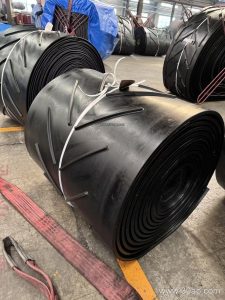
Where the route needs steep inclines or material containment, a chevron or corrugated sidewall version may be considered; these change the belt’s profile and are separate specifications rather than substitutes for a plain NN400 belt. The same applies to a pipe conveyor design, which encloses the material in a tubular path.
Reference Data for Selection
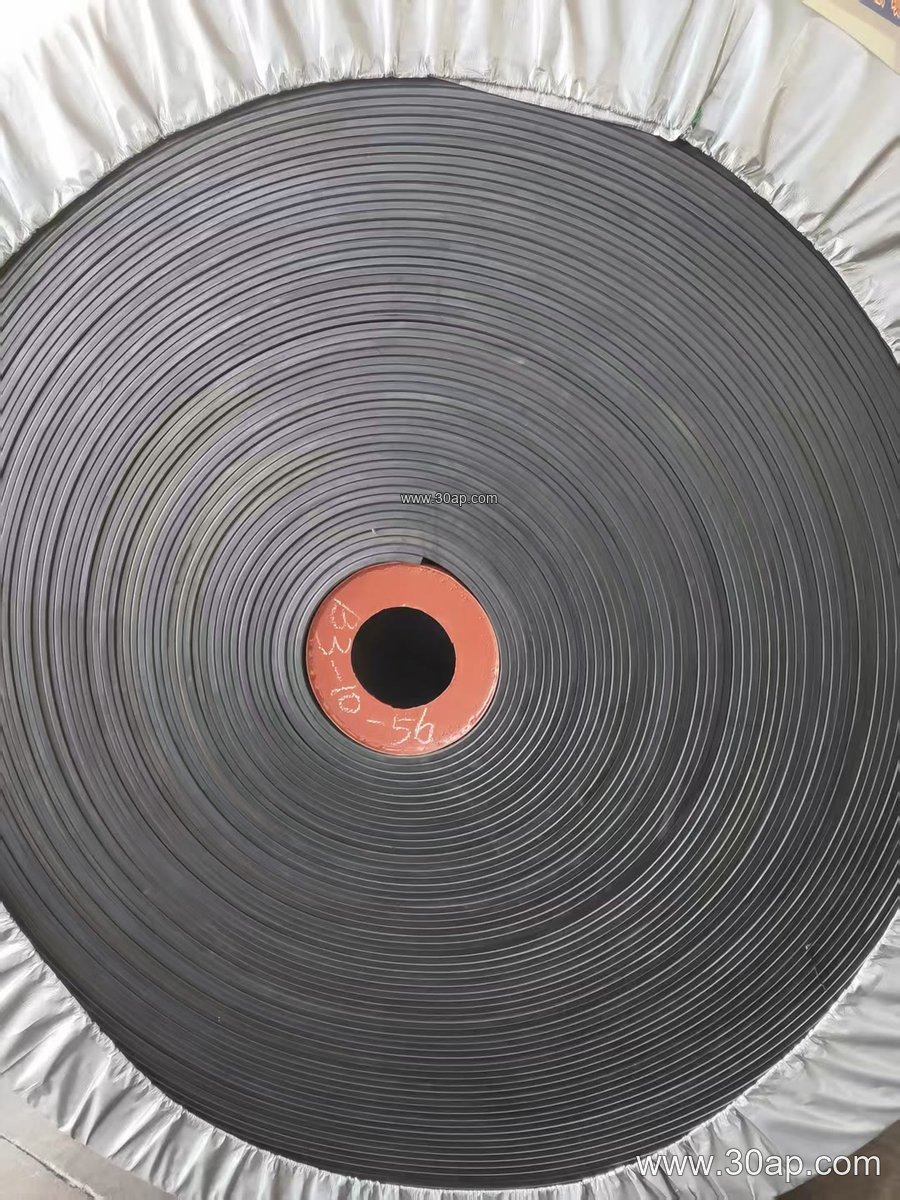
The following values are common reference points, not fixed supply commitments. Final figures are confirmed by the belt manufacturer for each order.
| Parameter | Typical reference range |
|---|---|
| Strength class | NN400 (400 N/mm per ply nominal) |
| Belt width | B500, B650, B800, B1000, B1200, B1400, B1600, B1800, B2000 mm |
| Cover thickness | 4+2, 5+2, 6+2, 8+3 mm |
| Number of plies | Usually 2 to 6 |
| Cover grades | Abrasion, heat, oil, flame, cold, anti-static, acid and chemical resistant options |
Belt width is matched to the conveyor’s tonnage and lump size; it does not dictate a single pulley diameter. Shaft diameter follows the pulley design load, not the belt width alone, so these values must come from the conveyor designer.
Buyer Checklist
- Confirm the required strength class and safety factor with the conveyor designer.
- State the material, lump size, temperature and any oil, acid or fire exposure.
- Specify cover thickness and grade, and whether anti-static properties are needed.
- Provide pulley diameters, trough angle, belt speed and centre distance for the splice and take-up check.
- Ask for the maker’s splicing instructions and storage guidance.
A well-matched NN400 installation, with correct pulley alignment, free-turning idlers and clean skirts, usually delivers long cover life. Inspect edges, splices and cover wear at regular intervals, and keep the belt tracking within the frame to avoid premature edge damage.