What the Conveyor Belt Support Frame Does
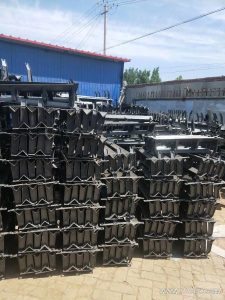
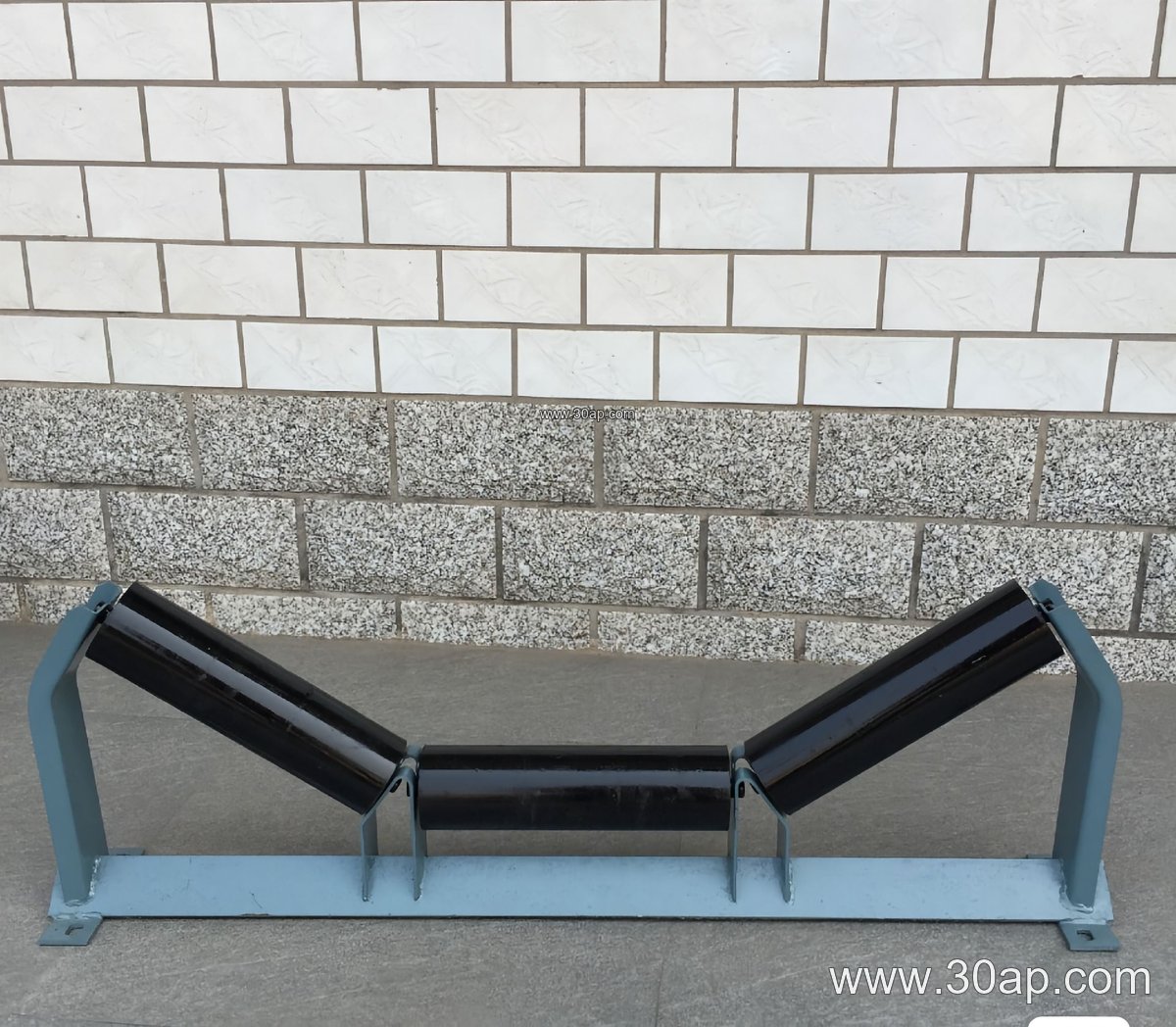
A conveyor belt support frame is the steel structure that holds the idlers in the right position under and above the belt. It is not a single part but a family of frames: troughing frames on the carrying side, return frames underneath, and transition or buffer frames where the belt needs extra guidance or impact protection. In a quarry, a coal washing plant, or a cement kiln line, the frame is what keeps the conveyor belt tracking, keeps the trough shape consistent, and transfers the load from the belt and material into the conveyor stringer.
The frame is usually made from angle steel, channel steel, or folded steel plate. The crossbeam length and mounting hole spacing follow the belt width, trough angle, and idler diameter, so they are set by design rather than fixed for every conveyor.
Types and Where They Sit
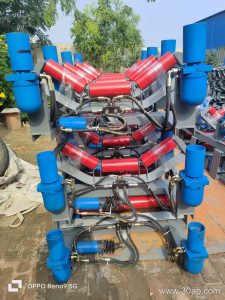
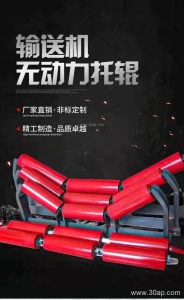
On the carrying run, a troughing frame (also called an upper troughing support) sets the trough angle that shapes the conveyor belt into a stable curve. Common trough angles are 20, 30, 35, and 45 degrees. Steeper angles suit wider belts and free-flowing bulk material; shallower angles are easier on the belt at transition points. A transition frame sits between the tail pulley and the first full troughing frame, gradually moving the belt from flat to troughed.
On the return side, a return frame or V-return frame carries the empty belt and helps keep it centered. An impact frame with buffer idlers is placed under the loading point, where a crusher conveyor belt or ore conveyor belt receives falling material. Self-aligning frames are used on long runs where the belt tends to wander. A hanging frame is an option where space is tight.
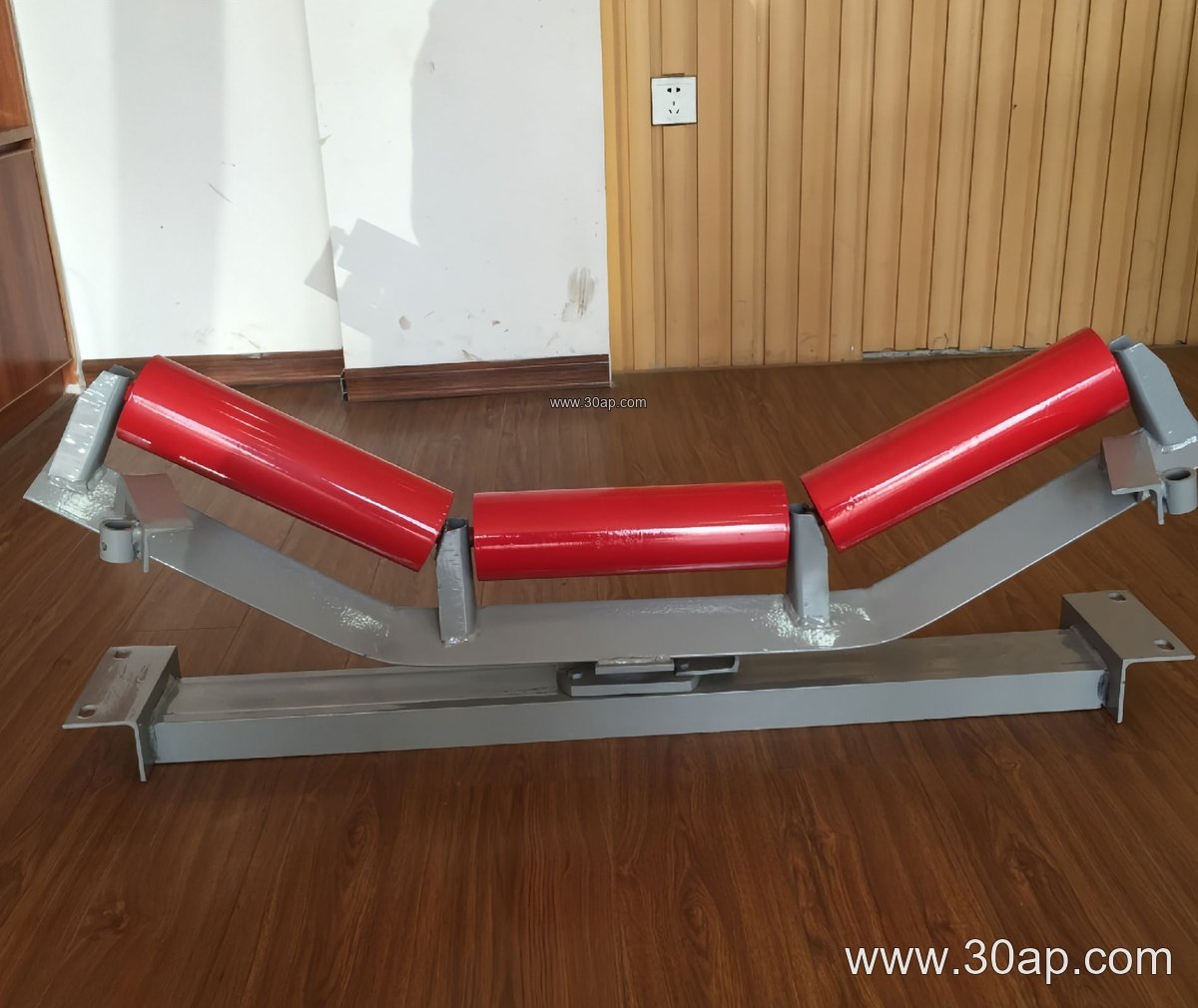
Adjustable frames let the maintenance team change the trough angle within a range, while fixed frames are welded to one angle. The two are not interchangeable in every layout, but an adjustable frame is useful where material conditions change or where a new conveyor belt is still settling.
Matching Frame, Belt, and Idler
The frame must match the belt width and the idler diameter. Typical belt widths in the reference range are B500, B650, B800, B1000, B1200, B1400, B1600, B1800, B2000, B2200, and idler diameters are commonly Ø89, Ø108, Ø133, Ø159, and Ø194. A B800 frame with a 35 degree trough and Ø108 idlers is a common combination, but it is not the only valid one. A B1200 frame may run 45 degrees with Ø133 idlers, and a smaller B650 frame may use 30 degrees with Ø89 idlers. The correct match is the one the conveyor design specifies.
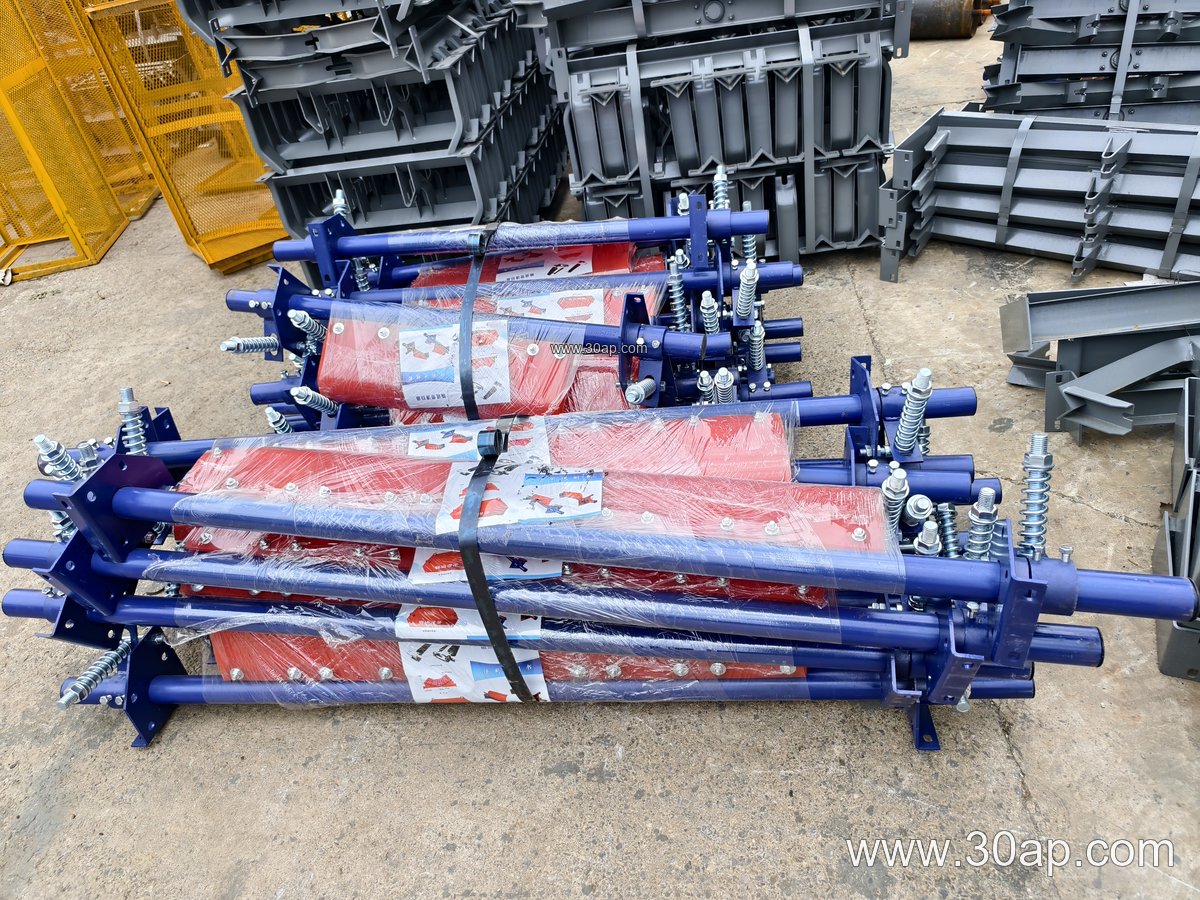
The following table lists reference data only, not a supply promise:
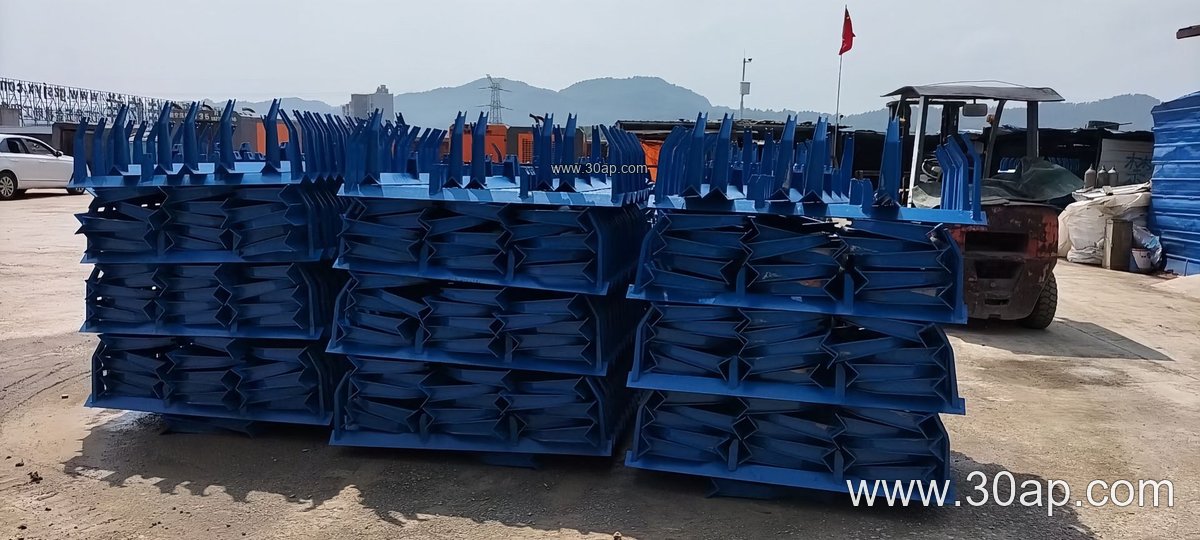
- Belt width range: B500 to B2200
- Trough angles: 20, 30, 35, 45 degrees
- Idler diameters: Ø89, Ø108, Ø133, Ø159, Ø194
- Material: angle steel, channel steel, folded plate
- Forward tilt on some frames: about 1.5 to 2 degrees
Buyer Checklist
Before ordering, confirm the belt width, the idler diameter, the trough angle, and the mounting hole spacing on the stringer. Check whether the frame is fixed or adjustable and whether it is a carrying, return, transition, or impact frame. Ask how the frame is finished, since a dusty coal plant or a coastal port needs a coating that resists corrosion. Also confirm that the frame height suits the conveyor pulley and the belt clearance.
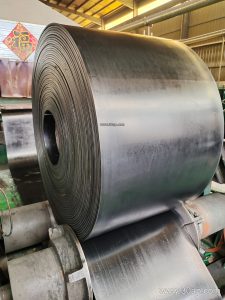
When the frame is paired with a heavy-duty mining conveyor belt or an abrasion resistant conveyor belt, the idler spacing and frame strength should be reviewed together. A frame that is too light for the load will flex and cause belt misalignment, no matter how good the belt is.
Maintenance Notes
Inspect the frame for loose bolts, bent crossbeams, and worn mounting holes. A frame that has shifted will pull the belt to one side, and the fix is usually alignment and re-torque, not a new belt. Keep the frame clean at transfer points so material does not build up under the idlers. In a power plant coal yard or a sand and gravel line, regular inspection of the support frame is a simple way to protect the conveyor belt, the idler roller, and the conveyor pulley from uneven wear.
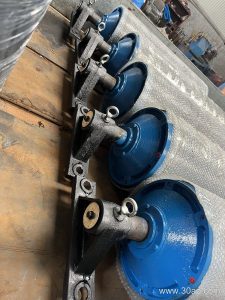
For related components, the same project may need a conveyor bracket for the pulley, a suitable idler roller set, and a conveyor pulley matched to the belt tension. The support frame remains the base that ties these parts together.