What a Conveyor Bend Pulley Does
A conveyor bend pulley is a directional pulley that changes the path of the conveyor belt without driving or tensioning it. Unlike the drive pulley that transmits power or the tail pulley that returns the belt, the bend pulley simply guides the belt around a corner, often at the head or tail end of a conveyor. In a typical bulk material handling system, you might find a bend pulley redirecting the belt on its return run, helping to maintain proper belt tracking and reducing the overall footprint of the conveyor structure.
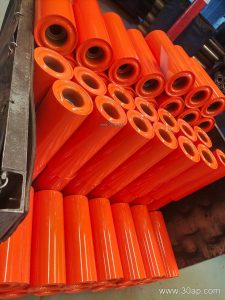
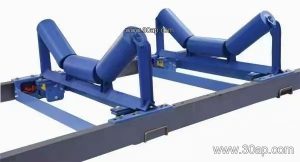
This component is essential in industries such as mining, coal preparation, cement plants, power stations, and aggregate quarries. Whether handling abrasive ore, clinker, or coal, the bend pulley works alongside the conveyor belt, idler rollers, and conveyor brackets to keep material flowing efficiently.
Construction and Key Features
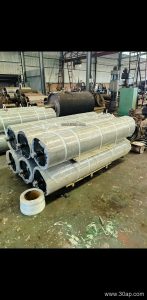
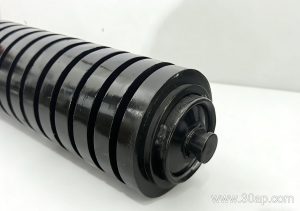
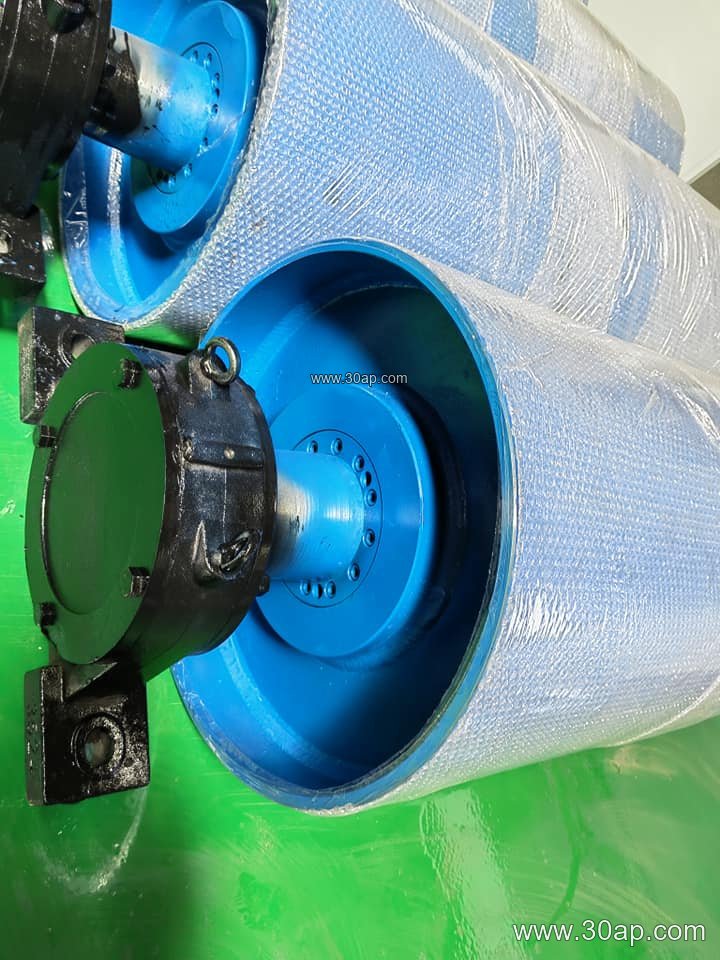
A bend pulley is built around a cylindrical shell, typically made from steel, with shafts extending from both ends. The shell is often covered with a rubber or ceramic lagging to improve grip and protect the belt. Common surface forms include smooth, diamond grooved, and herringbone lagging, with lagging thicknesses of 8, 10, 12, 15, or 20 mm. The pulley is supported by bearings housed in bearing housings, which are mounted to the conveyor frame via brackets.
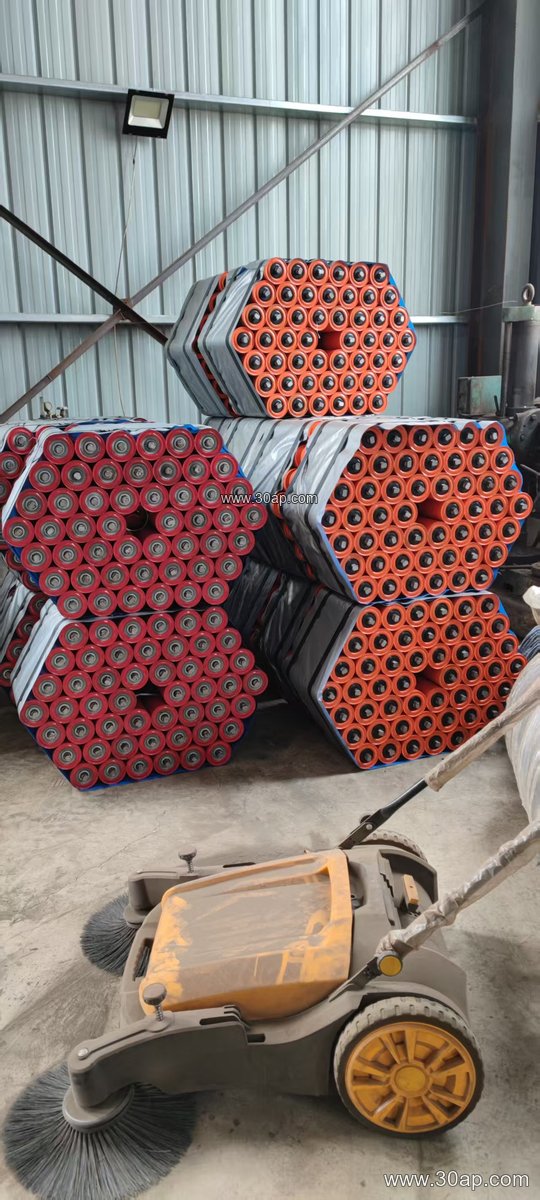
While the drive pulley and tail pulley are designed for specific functions, the bend pulley is lighter in construction but still must withstand the belt tension and material load. Diameters commonly range from Ø200 to Ø1000 mm, and face widths are usually slightly wider than the belt width to ensure full support. For example, a B800 belt might use a bend pulley with a face width of about 950 mm. Shaft diameters are determined by torque and load requirements, with common sizes like Ø50, Ø80, or Ø120 mm, but these are not fixed by belt width alone.
Where It Is Used
Bend pulleys are found in a variety of conveyor configurations. In a quarry or sand and gravel plant, they help route the belt around obstacles or transition between incline and horizontal sections. In underground coal mining, flame retardant conveyor belts are often guided by bend pulleys to navigate tight spaces. Cement plants use them in clinker transport lines, while power plants rely on them in coal handling systems.
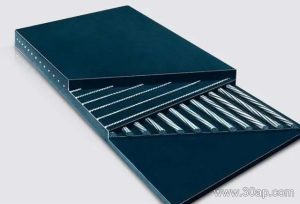
They are also common in port bulk terminals, steel mills, and fertilizer plants. The bend pulley works in harmony with the conveyor belt, whether it is an EP conveyor belt, a steel cord conveyor belt, or a heat resistant conveyor belt, ensuring smooth operation without interfering with the belt’s primary drive or tensioning mechanisms.
Selection and Maintenance Tips
When choosing a bend pulley, consider the belt width, belt tension, and environmental conditions. The pulley diameter should be large enough to avoid excessive bending stress on the belt, especially for high-tension applications using steel cord belts. Lagging selection depends on the material being conveyed and the need for traction or protection. For instance, ceramic lagging offers excellent wear resistance in abrasive conditions, while rubber lagging provides good grip in wet or oily environments.
Regular maintenance includes checking bearing condition, lagging wear, and shaft alignment. Misalignment can cause belt tracking issues and premature wear on both the pulley and the conveyor belt. Lubricate bearings according to the manufacturer’s schedule and replace worn lagging to prevent belt damage.
For more information on conveyor components such as conveyor pulleys, idler rollers, and conveyor brackets, or to discuss your specific requirements, please visit our website or contact our technical team.