What a Belt Conveyor Guide Idler Does
A belt conveyor guide idler is a specialized roller assembly that keeps the conveyor belt centered on its path. Unlike standard carrying or return idlers, which primarily support the belt and material load, guide idlers are positioned to correct belt misalignment. They are often installed on the return strand or near transition points where the belt is prone to wander. In industries such as coal mining, cement plants, and quarry operations, a well-placed guide idler reduces edge damage and spillage, extending the service life of the entire conveyor system.
While the term sometimes refers to self-aligning idlers, the core function remains the same: gentle, continuous correction of belt tracking. These idlers work in concert with the conveyor belt, conveyor pulley, and conveyor bracket to maintain smooth operation.
Construction and Key Components
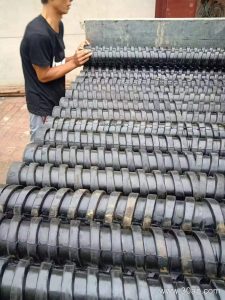
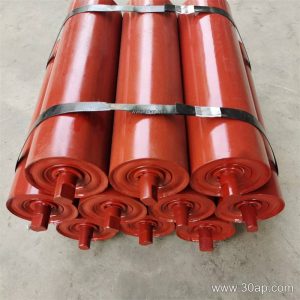
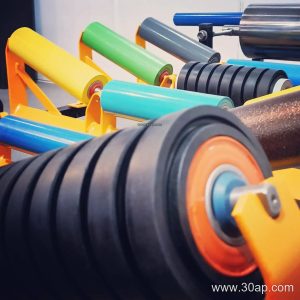
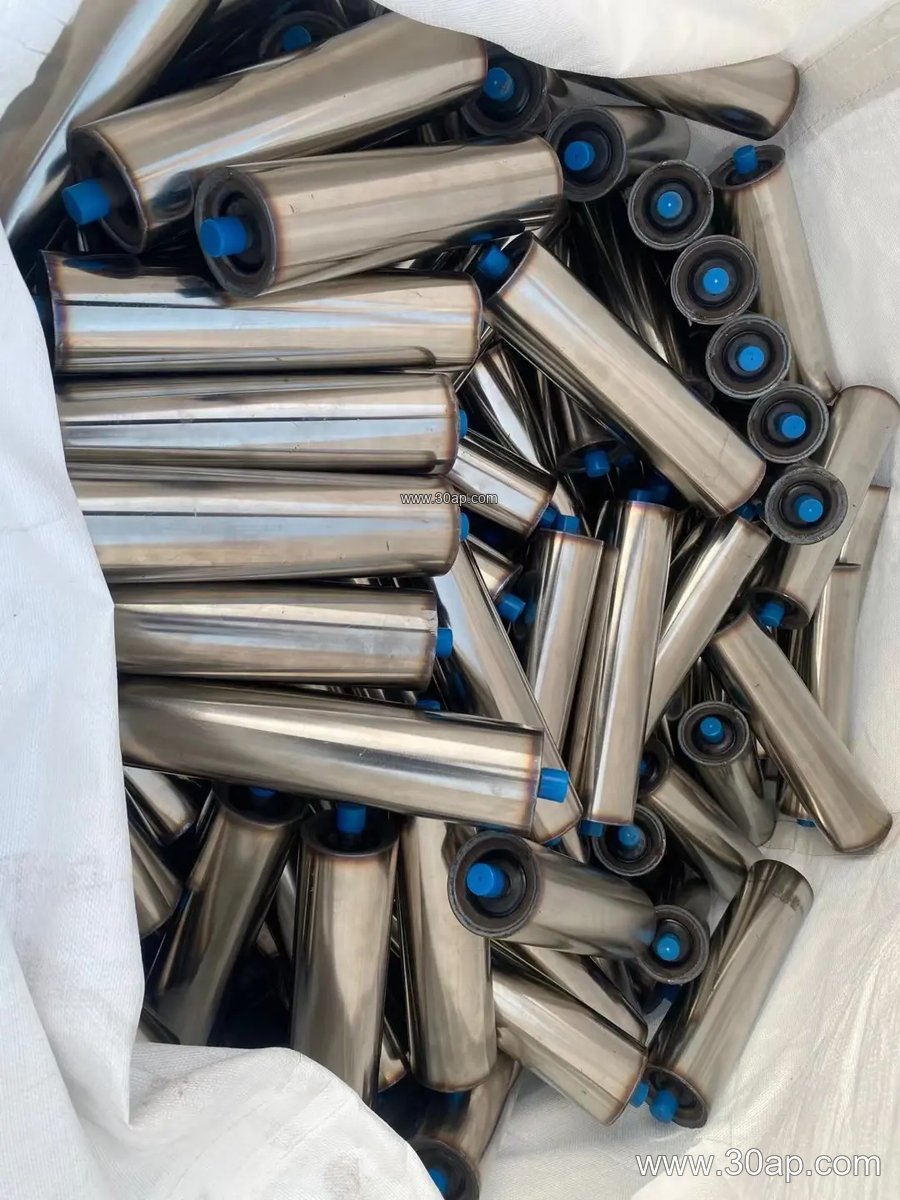
A typical guide idler consists of a steel tube shell, bearing housings, and a shaft. The roller surface may be plain steel, nylon, or rubber-covered, depending on the application. For example, rubber discs or rings can be added to increase friction and guide the belt more effectively without damaging the belt edge. Bearings such as 6204, 6205, or 6305 are common, but the choice depends on load and speed, not on a fixed rule.
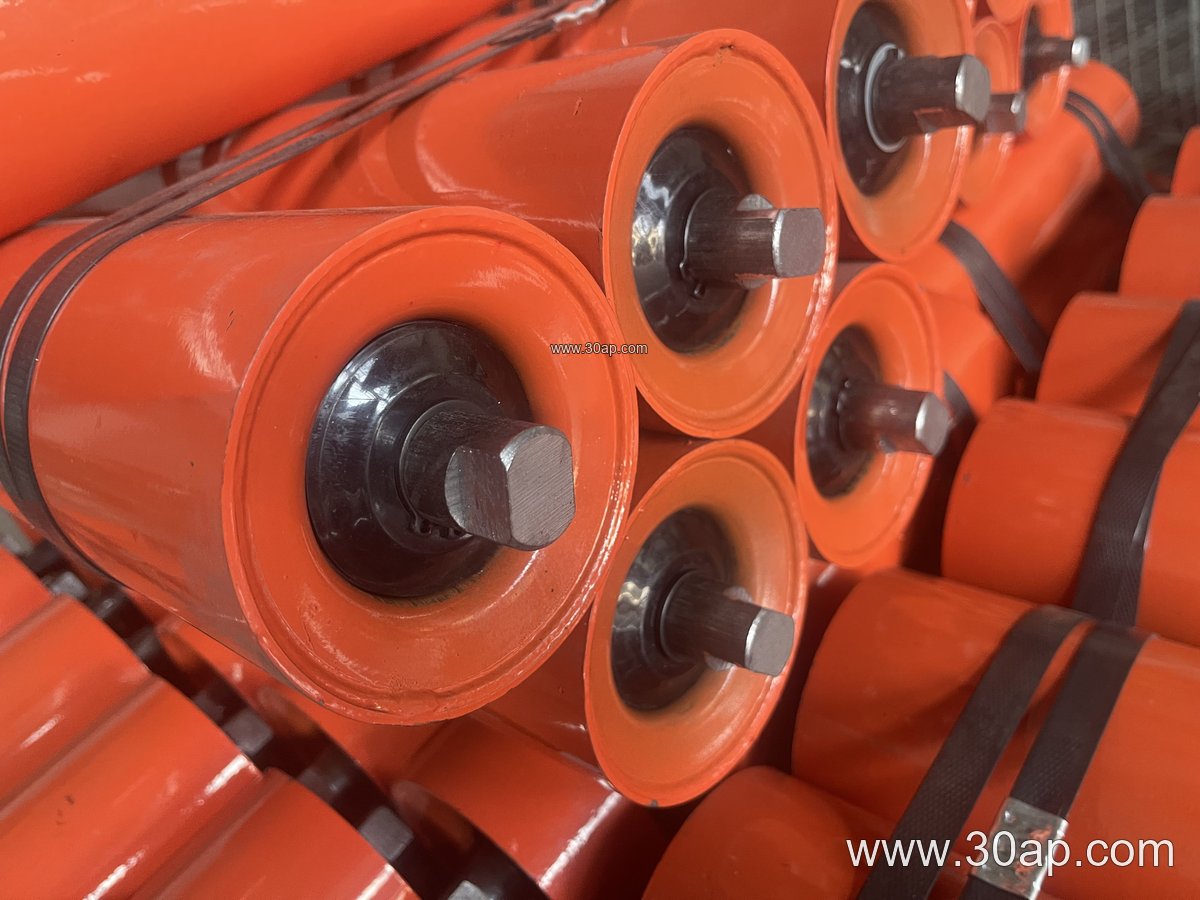
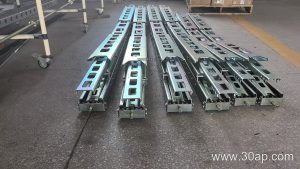
Some guide idlers are designed as friction self-aligning types, using a pivot mechanism to swing the roller into the belt path when misalignment occurs. Others are fixed-angle rollers that rely on the belt’s natural tendency to center when contacting a angled roller. The idler roller is often mounted on a bracket that allows adjustment for optimal contact.
Where Guide Idlers Are Used
Guide idlers are essential in bulk material handling where belt lengths are long and operating conditions are harsh. In underground coal mining, for instance, space is tight and belt misalignment can quickly lead to costly downtime. Here, flame retardant conveyor belts and anti-static properties are critical, and guide idlers must be robust enough to handle coal dust and moisture. In cement plants, the abrasive nature of clinker and limestone demands wear-resistant idler surfaces, often with rubber or ceramic coatings. Quarries and aggregate lines also benefit from guide idlers at transfer points and curves, where the belt is most likely to drift.
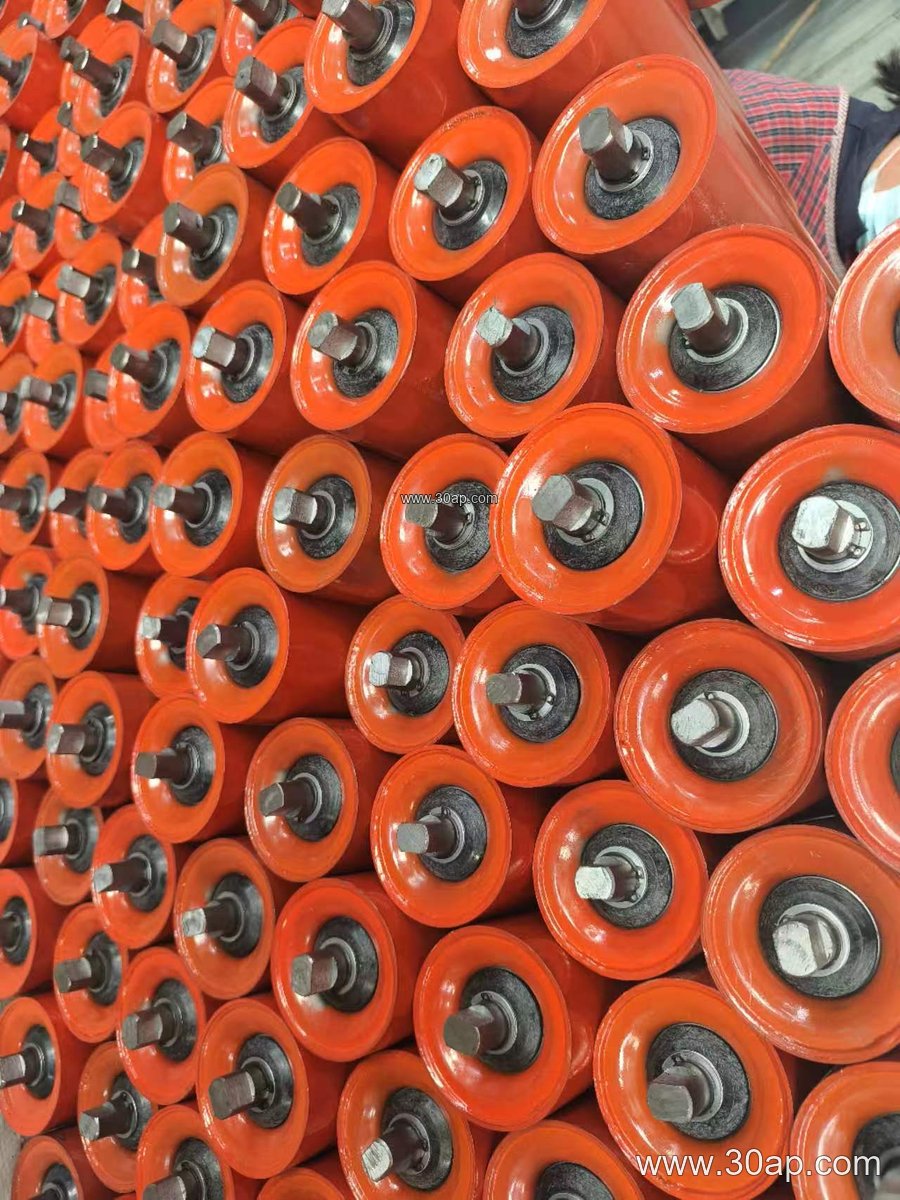
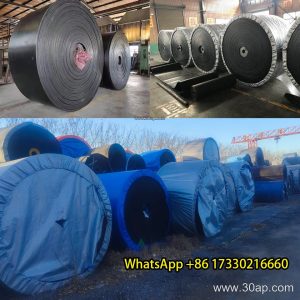
Other applications include power plant coal handling, steel mill sinter lines, and port loading facilities. In each case, the guide idler works alongside the conveyor belt, conveyor pulley, and conveyor bracket to ensure reliable operation. For heavy-duty mining conveyor belts, such as steel cord conveyor belt or EP conveyor belt constructions, proper belt training is vital to prevent edge damage and extend belt life.
Selection and Sizing Considerations
Choosing the right guide idler involves matching roller diameter, length, and bearing type to the conveyor belt width and speed. Common roller diameters include Ø63, Ø76, Ø89, Ø102, Ø108, Ø127, Ø133, Ø159, Ø178, Ø194, and Ø219 mm. Belt widths range from B400 to B2400, and the idler length must be selected accordingly. For a three-roll troughing set, typical roller lengths for the center roll are approximately: B500 – 200 mm, B650 – 250 mm, B800 – 315 mm, B1000 – 380 mm, B1200 – 465 mm, B1400 – 530 mm, B1600 – 600 mm, B1800 – 670 mm, and B2000 – 750 mm. These are common examples, not fixed rules; side rolls and center rolls can differ.
Bearing selection should consider load and speed. Bearings like 6204, 6205, 6305, 6306, 6308, and 6310 are frequently used, but no single bearing is tied to a specific roller diameter. The trough angle (20°, 30°, 35°, or 45°) affects material containment, and for guide idlers, a slight forward tilt of about 1.5° to 2° may be used in self-aligning designs.
Typical Guide Idler Parameters (Reference)
| Parameter | Common Options |
|---|---|
| Roller diameter | Ø63, Ø76, Ø89, Ø102, Ø108, Ø127, Ø133, Ø159, Ø178, Ø194, Ø219 mm |
| Belt width | B400, B500, B650, B800, B1000, B1200, B1400, B1600, B1800, B2000, B2200, B2400 |
| Roller length (center roll, 3-roll set) | 200 mm (B500), 250 mm (B650), 315 mm (B800), 380 mm (B1000), 465 mm (B1200), 530 mm (B1400), 600 mm (B1600), 670 mm (B1800), 750 mm (B2000) |
| Bearing | 6204, 6205, 6305, 6306, 6308, 6310 |
| Trough angle | 20°, 30°, 35°, 45° |
| Roller surface | Steel, nylon, ceramic, rubber rings |
Note that these values are for reference only; actual selection must be based on conveyor design, belt speed, and material characteristics.
Maintenance and Buyer Tips
Regular inspection of guide idlers is important to catch bearing wear, roller seizure, or surface damage early. A seized guide idler can cause belt misalignment and rapid edge wear, especially on abrasive materials like iron ore or copper ore. Buyers should specify the operating environment: for coal mining, flame retardant and anti-static properties are often required; for food or fertilizer handling, oil resistant or food grade belts may be used, and the idler should be compatible.
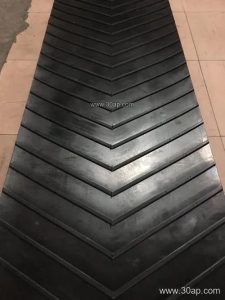
When selecting a guide idler, consider the conveyor belt type (e.g., EP conveyor belt, steel cord conveyor belt, or chevron conveyor belt) and the conveyor pulley arrangement. Ensure the idler’s load rating matches the belt tension and material weight. Avoid mixing idler types arbitrarily; for instance, a guide idler is not a substitute for a bend pulley or tail pulley. For expert advice on guide idlers and compatible conveyor components, visit our site at beltconveyoridler.com or explore our range of conveyor belt and idler roller solutions.
In summary, a belt conveyor guide idler is a small but critical component for belt tracking. Proper selection and maintenance pay off in reduced downtime and longer belt life across mining, cement, quarry, and power industries.