What an Anti-Static Conveyor Belt Is
An anti-static conveyor belt is a rubber or PVC/PVG conveyor belt built to bleed off static electricity instead of letting it collect on the belt surface. In dusty plants, moving material rubs against the belt cover and generates a charge. If that charge cannot escape, it can discharge as a spark. For a coal yard, a cement mill, a power plant coal handling line, or a sand and gravel plant with fine dry dust, controlled dissipation is a practical safety measure. The belt functions as a normal carrying medium; the difference is a conductive path through the compound and carcass.
The same product is also called a static-dissipative conveyor belt or antistatic conveyor belt. These names describe one belt, not different grades.
How the Belt Is Built
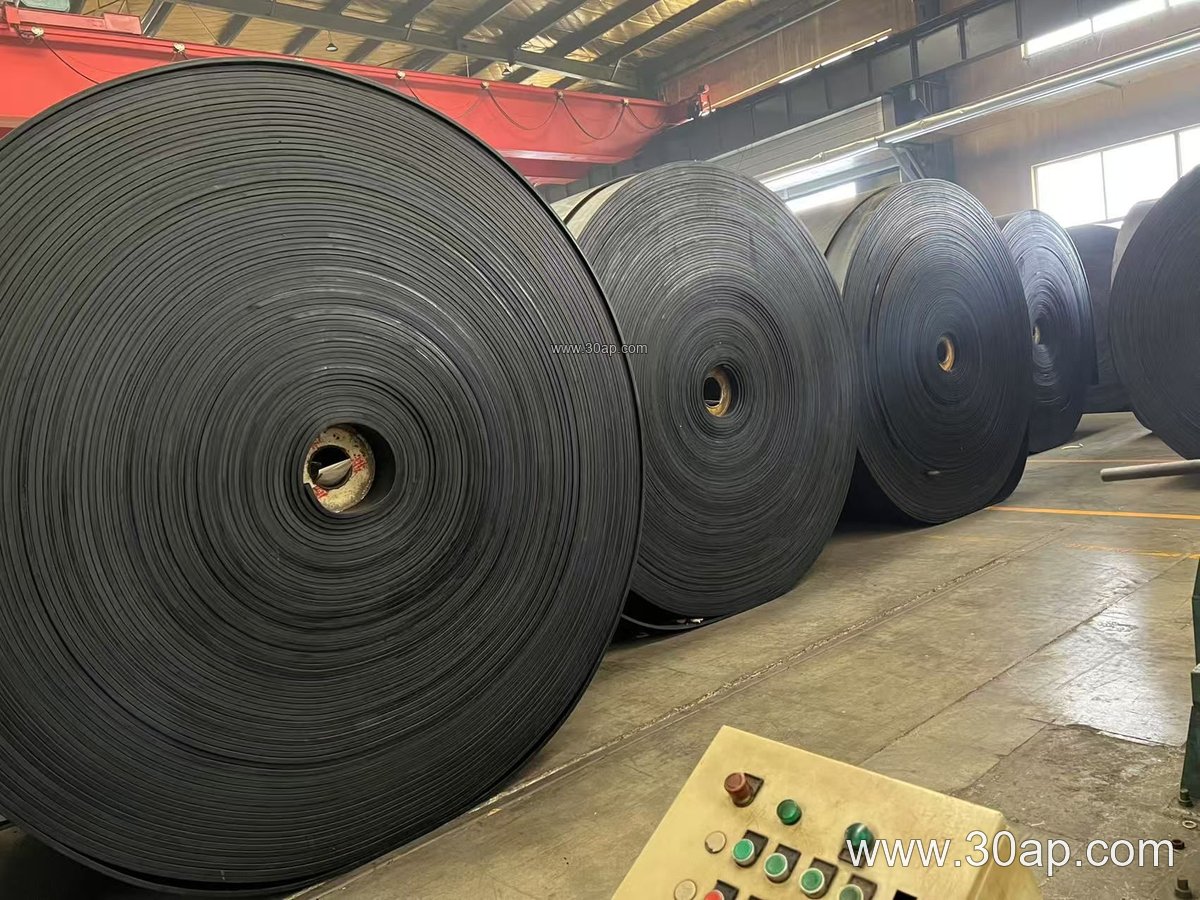
The anti-static property comes from the compound and from the way the belt is assembled. Conductive carbon black or similar fillers are compounded into the cover rubber, and the carcass is arranged so that charge can move to the edges and to the pulleys. Cover thickness still matters for wear life, so a buyer usually sees cover combinations such as 3+1.5, 4+2, 5+2, 6+2 or 8+3 mm, with a carcass of typically 2 to 6 plies. Surface resistance and grounding design should be discussed with the belt maker, because the belt alone cannot dissipate charge if the conveyor frame is not grounded.
Common Construction Reference
| Item | Typical reference range |
|---|---|
| Belt type | EP fabric, NN nylon, steel cord, PVC, PVG |
| Strength grade | EP200, EP315, EP400, EP500, EP630, EP800, EP1000 and above |
| Belt width | B500, B650, B800, B1000, B1200, B1400, B1600, B1800, B2000 |
| Cover thickness | 3+1.5, 4+2, 5+2, 6+2, 8+3 mm |
| Carcass plies | Commonly 2 to 6 |
These values are reference data, not fixed combinations. Width and strength follow the conveyor design, and the pulley diameter is set by the belt construction and the drive duty, not by belt width alone.
Where It Fits in the Plant
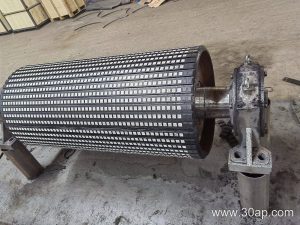
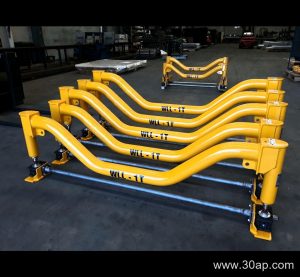
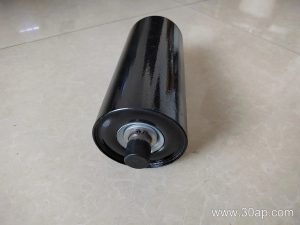
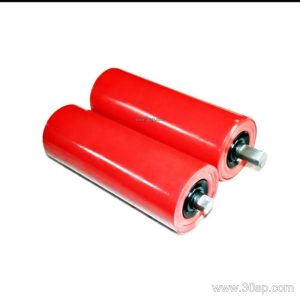
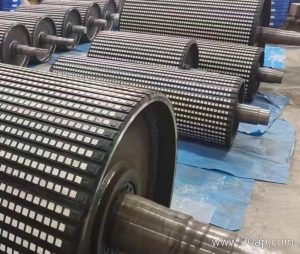
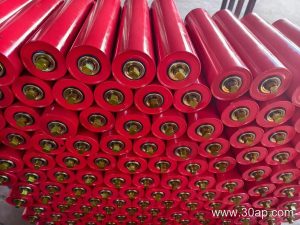
Anti-static belting is common in coal preparation, mine haulage and stockyard conveyors, cement clinker and raw meal lines, power station coal systems, and sand and gravel operations where dust is present. It also appears in grain handling and in plants that move powders or pellets. In these systems the belt runs over idler rollers, wraps the drive pulley and tail pulley, and is held by conveyor brackets and frame sections. A bend pulley may guide the return strand. Grounding of the conveyor pulley, frame and idler roller supports is part of the installation, not an optional extra.
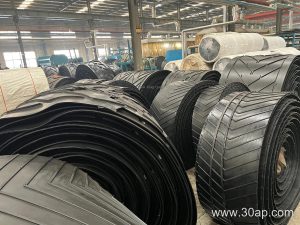
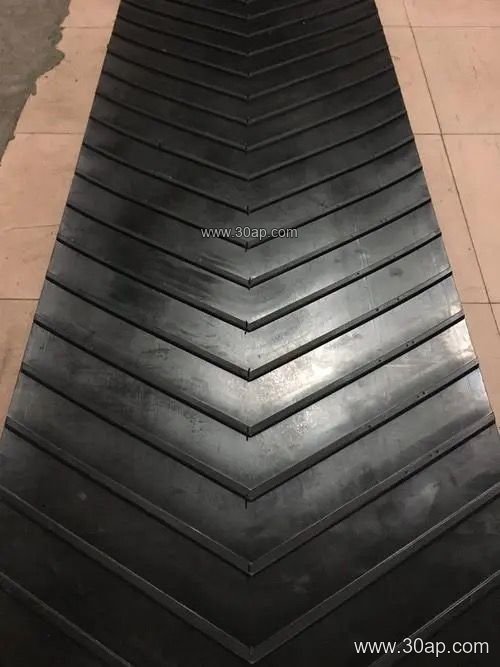
Where oil, heat or abrasion is the main problem, a wear-resistant, heat-resistant or oil-resistant belt may be the better choice, and an anti-static belt can be combined with flame-retardant construction where the plant requires both. A chevron or cleated belt is a different surface form used for inclined transport; it is not a substitute for static control.
Selection Points for Buyers
- Confirm the hazard: state whether the risk is dust ignition, solvent vapour or simply operator discomfort, and ask for the belt’s surface resistance data.
- Match the duty: give the material, lump size, tonnage, incline and ambient temperature so the strength grade and cover thickness can be chosen.
- Check the pulleys: share the drive pulley and tail pulley diameters and the bend pulley layout with the belt supplier so the carcass flexes correctly.
- Plan the ground path: the frame, conveyor pulley bearings, idler roller frames and brackets need a reliable ground connection.
- Think about splices: a joint can interrupt the conductive path, so the splicing method should be agreed with the belt maker.
Installation and Care
Keep the belt tracking straight, check skirt rubber and chute clearance, and avoid material build-up on the return side. Worn idler rollers or a misaligned bend pulley can cause edge damage and uneven wear. Inspect covers for cuts and exposed carcass, because moisture and dust in a damaged area can change the local conductive behaviour. Store belts away from oils and direct sunlight before installation, and follow the maker’s tension and splicing instructions.
An anti-static conveyor belt is a system component. Its performance depends on the compound, the splice, the frame grounding and the condition of the conveyor pulley and idler roller set. Buyers who share full duty data and check the ground path get a safer, longer-running installation.