Understanding the Ø180 Conveyor Idler
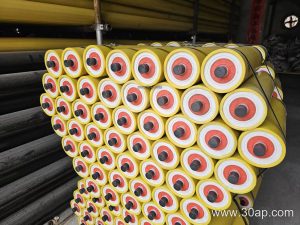
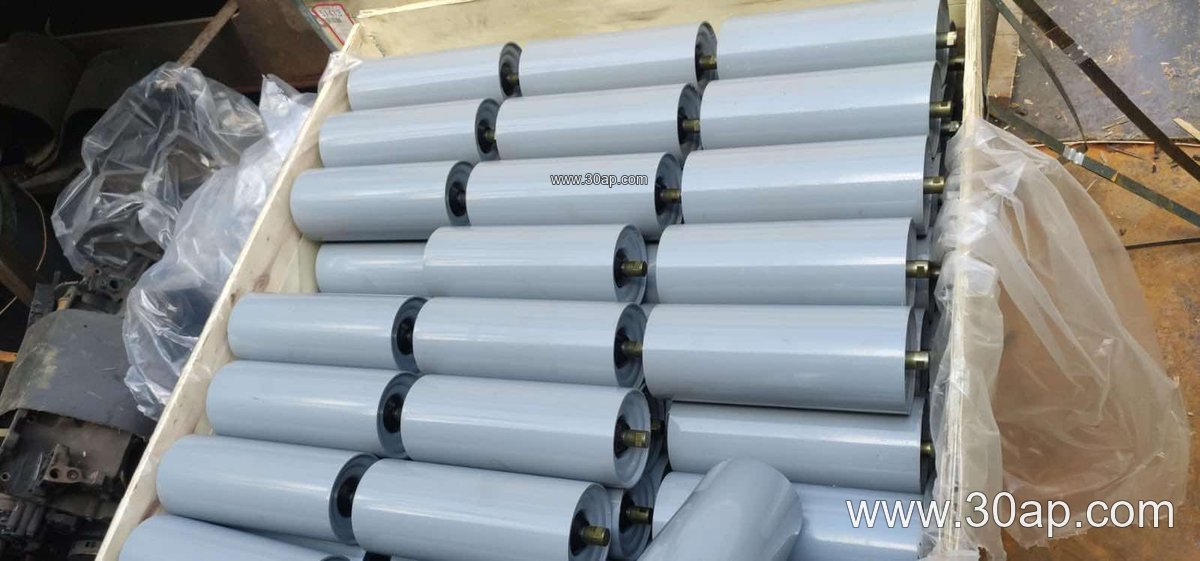
The Ø180 conveyor idler is a heavy-duty roller used to support the conveyor belt along its carrying and return paths. With a nominal diameter of 180 mm, it sits in the mid-to-large size range, making it suitable for high-capacity systems where stability and load distribution matter. In many plants, this idler roller is chosen for main haulage conveyors that move abrasive or lumpy material, such as in a copper mine or a cement plant’s clinker transport line.
Although 180 mm is not listed among the most common reference diameters (which include Ø159, Ø178, and Ø194), it serves as a practical size for operations that need a balance between roller weight and bearing capacity. The exact diameter should always be confirmed against the conveyor design, as belt width and load requirements vary.
Construction and Key Components
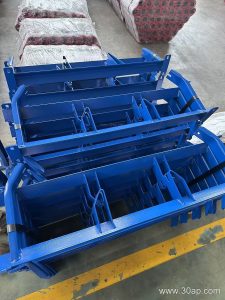
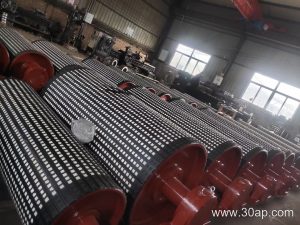
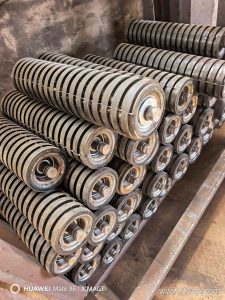
A typical Ø180 conveyor idler consists of a steel tube shell, bearing housings, a shaft, and a sealing system. The shell is often made from seamless steel pipe, but depending on the application, it may be fitted with rubber rings or a ceramic coating to improve grip or wear resistance. Bearings such as 6308 or 6310 are commonly used in this size range, though the final choice depends on the radial load and speed calculated for the conveyor.
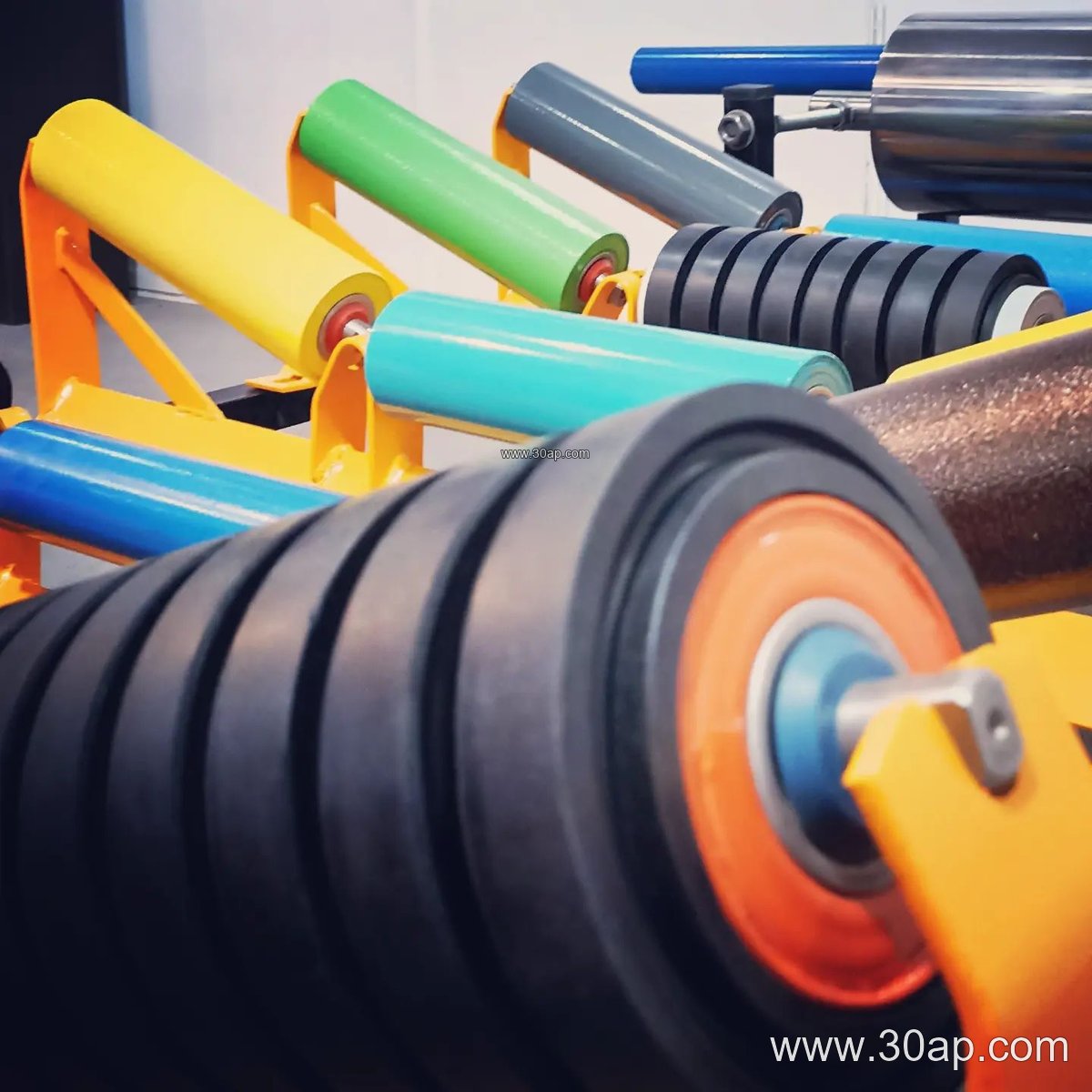
Sealing is critical in dusty environments like coal mines or limestone quarries. Labyrinth seals and contact seals help keep fine particles out of the bearing cavity, extending service life. The shaft diameter is not determined by belt width alone; it is sized according to the idler’s load rating and the supporting frame design. Therefore, buyers should request a dimensional drawing rather than assuming a fixed shaft size.
Where It Fits on the Conveyor
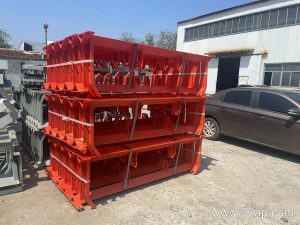
The Ø180 conveyor idler is most often used in the carrying run as part of a three-roll troughing set, where it helps form the belt into a trough shape to contain bulk material. It can also appear in transition zones, where the belt changes from flat to troughed, or in return runs with a flat or V-shaped configuration. In a sand and gravel plant, for example, a series of these idlers may support the main belt after the primary crusher, handling high tonnage with moderate impact.
It is not a substitute for a drive pulley, tail pulley, or bend pulley—those are completely different components with distinct functions. Similarly, a buffer idler or a self-aligning idler serves a specific purpose and should not be interchanged with a standard carrying idler without proper engineering review.
Common Specifications and Selection Notes
When specifying a Ø180 conveyor idler, several parameters need attention. The table below lists typical reference values; actual dimensions are confirmed by the manufacturer based on the application.
| Parameter | Common reference |
|---|---|
| Nominal diameter | 180 mm |
| Belt width range (typical) | B800 to B1600 (depending on trough angle and roll length) |
| Trough angle | 20°, 30°, 35°, 45° |
| Roll length (three-roll set, middle roll) | Approx. 315 mm for B800, 380 mm for B1000, 465 mm for B1200, 530 mm for B1400, 600 mm for B1600 |
| Bearing options | 6205, 6305, 6306, 6308, 6310 (selected by load) |
| Shell material | Steel tube, optional rubber or ceramic surface |
These values are examples, not fixed combinations. For instance, a B1000 belt may use different roll lengths depending on whether the idler is in a transition zone or a standard carrying set. The buyer should also consider the belt speed, material lump size, and ambient conditions. In a power plant coal handling system, a Ø180 idler with rubber rings might be preferred at the loading point to absorb impact, while a plain steel roller is sufficient further along the line.
Buyer’s Checklist
- Confirm the required roll length and trough angle for each idler station.
- Verify the bearing size and sealing type against the environment (dust, moisture, temperature).
- Check the shaft end configuration to match the conveyor bracket.
- Ask for dynamic load rating and allowable speed to ensure the idler suits the duty.
- Consider maintenance access and spare parts availability.
Because the Ø180 conveyor idler is often used in demanding service, selecting a reputable supplier and reviewing the technical datasheet is more important than relying on nominal size alone. Proper installation and periodic inspection will help maintain belt alignment and reduce downtime in any bulk handling operation.